How do psychologists explore the mysteries of human behavior and mental processes? They use a wide variety of research methods in psychology.
Psychology studies rely on both quantitative and qualitative research methods. These methods help researchers understand human psychology better.
Key Takeaways
- Research methods in psychology encompass a range of approaches.
- Quantitative and qualitative methods are used to study behavior and mental processes.
- A comprehensive understanding of these methods is essential for advancing psychological research.
- Different research methods offer unique insights into psychological phenomena.
- The choice of research method depends on the research question and objectives.
Introduction to Research Methods in Psychology
Research in psychology helps us understand human behavior and mental processes. It uses many methods, like experiments and observations. These methods help us study how people act and think.
Importance of Research in Psychology
Research in psychology is key for understanding human behavior and mental health. It helps psychologists find the causes of mental health issues. It also helps them create effective treatments and improve mental health outcomes.
The importance of research in psychology is huge. It informs practices that help individuals and society. This is why research is so vital.
Some key reasons why research is vital in psychology include:
- Understanding the causes of psychological disorders
- Developing effective treatments and interventions
- Improving mental health outcomes
- Informing public policy related to mental health
Overview of Different Methods
Psychologists use many research methods, like experimental research methods and observational research methods. Experimental research tests cause-and-effect relationships by changing variables. Observational research studies behavior without changing anything.
The choice of method depends on the research question and the phenomenon being studied. It also depends on ethical considerations. Some common methods include:
- Experimental research
- Observational studies
- Surveys and questionnaires
- Case studies
By using these methods, psychologists can deeply understand human behavior and mental processes. This helps in developing effective interventions and treatments.
Types of Research Methods
Psychological research uses many methods, each with its own strengths and weaknesses. Knowing these methods is key to understanding research and answering tough questions.
Quantitative Research Methods
Quantitative research deals with numbers. It tests hypotheses, finds patterns, and predicts outcomes. Surveys, experiments, and statistical analysis are common ways to do this. For example, a survey might ask about social issues, then stats show trends.
Quantitative methods give precise, wide-reaching results. But they might miss the depth of human experiences.
| Method | Description | Advantages |
|---|---|---|
| Surveys | Collecting data through self-report measures | Large sample sizes, cost-effective |
| Experiments | Manipulating variables to observe effects | High control over variables, causal inferences |
Qualitative Research Methods
Qualitative research looks at stories and experiences. It uses in-depth interviews, focus groups, and content analysis. These methods give deep insights into human experiences.
For example, a study might interview people who lost a loved one. It explores how they cope and feel.
Mixed Methods Research
Mixed methods research combines numbers and stories. It uses the best of both worlds. For example, a study might use surveys to find out how many people are affected, then interviews to understand their experiences.
This approach is great for complex questions. But it needs careful planning to mix methods well.
Experimental Research in Psychology
Experimental research in psychology involves changing one or more variables to see their effect. This method is key for figuring out cause-and-effect. It helps us understand many psychological phenomena.
Defining Experimental Research
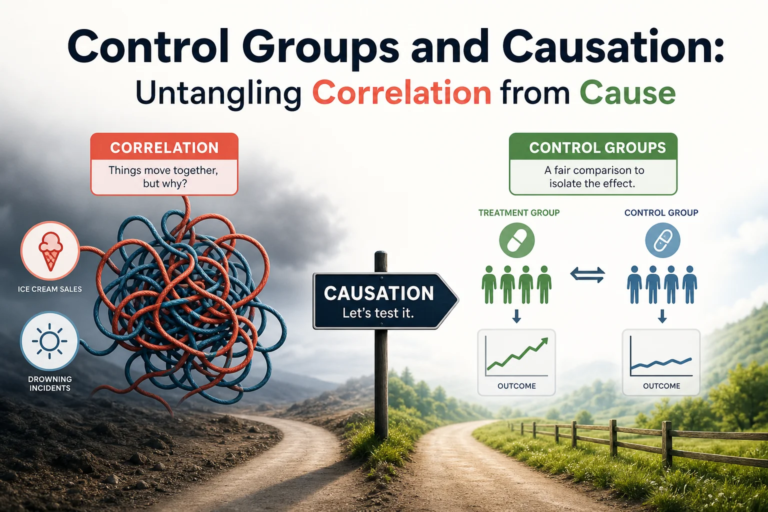
Experimental research lets researchers control and change variables. “The experimental method is the only method that can establish cause-and-effect relationships.” This is done by randomly putting participants into groups. This ensures both groups are similar in all ways.
“The key to understanding human behavior lies in the ability to manipulate variables and measure their effects.”
Key Characteristics of Experiments
Experiments in psychology have a few important traits:
- Manipulation: The researcher changes one or more independent variables.
- Control: The researcher keeps other variables from affecting the results.
- Randomization: Participants are randomly put into groups to avoid bias.
Advantages and Limitations
Experiments have big advantages like proving causality and being reliable. But, they also have downsides. These include trouble with generalizing results and ethical worries about harming participants.
Quasi-experimental research is used when random assignment isn’t possible. These designs help find cause-and-effect but have less control over outside factors.
In summary, experimental research is a strong tool in psychology. It helps us understand cause-and-effect. Knowing its strengths and weaknesses is key to making sense of research.
Non-Experimental Research Methods
Non-experimental research methods, like observational and correlational studies, are key in psychology. They help find patterns and connections.
These methods are great when you can’t or shouldn’t change things. They let researchers study real-life behaviors and results.
Observational Studies
Observational studies mean watching and recording without changing things. It’s good for studying natural behaviors.
Key characteristics of observational studies include:
- Naturalistic observation, where behaviors are observed in their natural environment.
- Structured observation, where observers use a predetermined coding system to record specific behaviors.
Correlational Studies
Correlational studies look at how variables are linked. They don’t show cause and effect but suggest where to look next.
Examples of correlational research include:
| Variable 1 | Variable 2 | Correlation Coefficient |
|---|---|---|
| Exercise frequency | Weight loss | 0.7 |
| Study hours | Exam scores | 0.8 |
Both observational and correlational studies are vital in psychology. They help form hypotheses and understand complex issues. They lay the groundwork for more research and guide interventions and policies.
Surveys and Questionnaires
In psychological research, surveys and questionnaires are key. They help us understand human behavior and attitudes. These tools let researchers gather data from participants about their thoughts, feelings, and actions.

Designing Effective Surveys
Creating effective surveys is vital for getting good data. Clear and concise language is essential in survey questions. This helps avoid confusion. It’s also important to steer clear of leading questions that could influence answers.
When making a survey, researchers should think about a few things:
- What is the survey’s purpose and goals?
- Which survey method is best (online, phone, in-person)?
- Test the survey to find and fix any problems.
- Make sure the survey is easy for the target group to access.
Types of Survey Questions
Surveys can have different types of questions to get various data. Multiple-choice questions are good for getting numbers, while open-ended questions offer deeper insights.
The right question type depends on the research aims and the data needed. Common survey questions include:
- Likert scale questions to measure attitudes
- Demographic questions for participant info
- Behavioral questions to learn about past actions
By designing surveys well and picking the right question types, researchers can collect important data. This data helps us understand psychological phenomena better.
Case Studies in Psychology
Case studies are key in psychology, giving deep insights into complex issues. They focus on one case or a few, providing rich data. This data helps understand psychological processes and behaviors.
What is a Case Study?
A case study in psychology dives deep into an individual, group, or event. It uses interviews, observations, and tests to gather detailed info. This method offers a full view of the case, showing its complexities.
Case studies are great for studying rare phenomena or testing theories. They help develop hypotheses for future research.
Benefits and Limitations of Case Studies
Case studies offer detailed insights into psychological phenomena. They explore the subject deeply, showing its unique aspects. They also help create hypotheses and theories.
But, case studies have downsides. They might not apply to everyone, as they focus on a few cases. Also, the researcher’s view can influence the findings, making them subjective.
The main points about case studies are:
- Benefits:Deep insights into complex issues
- Helps create hypotheses and theories
- Examines rare or unique cases
- Limitations:Not always generalizable
- Can be biased by the researcher
- Data interpretation can be subjective
In summary, case studies are essential in psychology, providing unique insights. Despite their limitations, their benefits make them a valuable tool in research.
Longitudinal vs. Cross-Sectional Studies
Longitudinal and cross-sectional studies are two main ways to do research in psychology. Each has its own benefits and drawbacks. The choice depends on the research question, resources, and the data needed.
Defining Longitudinal Studies
Longitudinal studies follow the same participants over time. This lets researchers see changes or trends. It’s great for studying how things develop or change over time.
Key characteristics of longitudinal studies include:
- Repeated measurements from the same participants
- Long-term data collection
- Ability to show changes or trends over time
Advantages of Longitudinal Research
Longitudinal studies have big advantages. They help show cause and effect by following changes over time. They’re also good for studying how things develop and change in the long run.
For example, a study might look at how childhood trauma affects mental health later in life.
Cross-Sectional Studies Explained
Cross-sectional studies collect data from different people at one time. They give a snapshot of what’s happening at that moment. This is useful for looking at who has certain traits or conditions at a specific time.
Key features of cross-sectional studies include:
- Data collection at a single point in time
- Diverse participant groups
- Snapshots of conditions or relationships
Let’s compare longitudinal and cross-sectional studies:
| Characteristics | Longitudinal Studies | Cross-Sectional Studies |
|---|---|---|
| Data Collection | Repeated measurements over time | Single point in time |
| Participant Group | Same participants over time | Different participants |
| Temporal Relationships | Can establish temporal relationships | Limited temporal insight |
Knowing the good and bad of both methods helps researchers choose the best design. This makes their findings more valid and useful.
Sampling Techniques in Psychological Research
Sampling techniques are key in making sure research in psychology truly represents the population studied. The method used for sampling greatly affects the study’s validity and how well its findings can be applied to others.
Probability Sampling
Probability sampling ensures every person in the population has an equal chance of being picked. This method is vital for getting a sample that truly represents the population, making the research more valid.
Types of Probability Sampling:
- Random Sampling: Every member of the population has an equal chance of being selected.
- Stratified Sampling: The population is divided into distinct subgroups, and random samples are drawn from each.
- Cluster Sampling: The population is divided into clusters, and a random selection of these clusters is chosen for the study.
Researchers say, “Probability sampling methods are essential for reducing bias and ensuring that the sample is representative of the population” (
“Sampling is a critical part of research design, as it directly affects how well the findings can be applied to others.”
).
| Sampling Method | Description | Advantages |
|---|---|---|
| Random Sampling | Every member of the population has an equal chance of being selected. | Reduces selection bias |
| Stratified Sampling | The population is divided into subgroups, and samples are drawn from each. | Ensures representation across different subgroups |
Non-Probability Sampling
Non-probability sampling picks participants based on criteria other than randomness. This method is often easier and cheaper but can lead to biased results and limit how widely the findings can be applied.
Types of Non-Probability Sampling:
- Convenience Sampling: Participants are selected based on their availability and ease of access.
- Purposive Sampling: Participants are chosen based on their relevance to the research question.
- Snowball Sampling: Existing participants recruit future subjects from among their acquaintances.
In conclusion, whether to use probability or non-probability sampling depends on the research goals, available resources, and the need for broad applicability. Knowing these methods is key to conducting thorough and impactful research in psychology.
Ethical Considerations in Research
Responsible psychological research focuses on protecting participants and keeping the research process honest. Researchers study human behavior and mental processes. They face ethical challenges that can affect their findings’ accuracy.
Informed Consent
Informed consent is key in psychological research. It makes sure participants know the study’s details, risks, and their rights. Researchers need to give clear, easy-to-understand information about the study. This lets participants decide if they want to join.
Getting informed consent is very important for vulnerable groups like children or those with cognitive issues. Researchers must be careful and adapt their methods to protect these participants’ rights.
Confidentiality and Anonymity
Keeping information private and not revealing identities are vital in research. Confidentiality means keeping participants’ data safe, and anonymity means their identities are unknown, even to the researcher.
To keep things confidential and anonymous, researchers use different methods. They might use coded data, keep it secure, and limit who can see it. By focusing on confidentiality and anonymity, researchers create a safe space for participants to share. This makes the research more reliable.
Data Collection Techniques
Getting data right is key in psychology. It’s the foundation of studies and helps shape theories. Researchers pick from many ways to gather data, mainly primary and secondary methods.
Primary vs. Secondary Data
Primary data comes directly from the researcher. They use experiments, surveys, and observations. This data is fresh and fits the research question well.
Secondary data comes from other sources like journals and books. It’s useful for background but might not answer the exact research question.
Tools for Data Collection
The right tools depend on the study’s design and the data needed. Here are some common ones:
- Surveys and questionnaires
- Interviews (structured, semi-structured, and unstructured)
- Observational techniques
- Physiological measures (e.g., heart rate, brain activity)
- Psychological tests and assessments
Each tool has its own strengths and weaknesses. Researchers often mix methods for a full picture.

Knowing about data collection helps researchers choose the best methods. This makes their findings more reliable and valid.
Data Analysis in Psychological Research
Data analysis in psychology is all about finding important insights from research. It’s a key part of psychological research. It helps researchers understand their findings and draw conclusions.
To do data analysis well, you need both statistical knowledge and research skills. Researchers pick the right methods based on their study design and data type.
Statistical Analysis Techniques
Quantitative research methods in psychology rely heavily on statistical analysis. This involves using software to find patterns in data. Techniques like descriptive and inferential statistics, and regression analysis, are common.
Descriptive statistics give a quick overview of the data. They include measures like mean and standard deviation. Inferential statistics, like t-tests and ANOVA, help make bigger conclusions from smaller samples.
- Descriptive statistics: mean, median, mode, standard deviation
- Inferential statistics: t-tests, ANOVA, regression analysis
Qualitative Data Analysis Methods
Qualitative research methods deal with non-numerical data, like text or images. They help find themes and meanings in the data.
Methods like content analysis, thematic analysis, and discourse analysis are used. These need a deep understanding of the data and its context.
Thematic analysis is about spotting and coding themes in the data. It helps researchers understand what participants think and feel.
Validity and Reliability in Research
The quality of research in psychology depends on two key factors: validity and reliability. It’s vital to make sure research methods are both valid and reliable. This ensures the results are trustworthy and useful.
Understanding Validity
Validity means a measurement accurately measures what it’s supposed to. In psychology, it’s key because it affects the data’s meaning.
There are several types of validity:
- Face validity: If a measure seems to measure what it claims.
- Content validity: If a measure covers all parts of what it’s supposed to.
- Construct validity: If a measure truly reflects the theory it’s based on.
- Criterion validity: If a measure can forecast the outcome it’s supposed to.
Importance of Reliability
Reliability means a measure gives the same results when tested again. It’s critical in psychology to ensure results aren’t just random.
There are different reliability types:
- Test-retest reliability: The measure’s consistency over time.
- Inter-rater reliability: The agreement between different observers or raters.
- Internal consistency: The agreement of items within a measure.
| Type of Reliability | Description | Example |
|---|---|---|
| Test-retest reliability | Consistency of a measure over time | A personality test that yields similar results when taken on different occasions |
| Inter-rater reliability | Consistency between different observers or raters | Multiple psychologists rating the same behavior consistently |
| Internal consistency | Consistency of items within a measure | A questionnaire where all items measure the same underlying construct |
In conclusion, both validity and reliability are essential for quality research in psychology. Making sure research methods are valid and reliable is key. This ensures the research is credible, meaningful, and useful in real-world situations.
Limitations of Research Methods
Psychological research faces many challenges, like biases and small sample sizes. These issues affect how well we can apply study results to everyone. It’s important to know these challenges to understand research findings better and move forward in our field.
Common Research Biases
Biases can greatly impact the accuracy of research. Biases can cause systematic errors in research, leading to wrong conclusions. Here are some common biases:
- Selection bias, when the sample doesn’t truly represent the population.
- Confirmation bias, where researchers focus more on data that supports their theories.
- Social desirability bias, when people answer questions in a way they think is right.
| Type of Bias | Description | Impact on Research |
|---|---|---|
| Selection Bias | Occurs when the sample is not representative | Affects generalizability of findings |
| Confirmation Bias | Giving more weight to confirming data | Leads to biased interpretations |
| Social Desirability Bias | Participants respond in a socially acceptable way | Influences self-reported data |
Limitations in Sample Size
The size of the sample in research also has its limits. A small sample size can reduce statistical power, making it tough to spot important effects. On the other hand, a very large sample might find effects that are not really important.
Researchers need to find the right balance between enough participants and practical limits. Knowing these challenges helps in designing better studies and understanding results correctly.
The Role of Theory in Research
Theoretical frameworks are key in psychology research. They help researchers place their findings in a larger context. These frameworks give a clear way to understand complex psychological issues.
Theoretical Frameworks
Theoretical frameworks guide research in psychology. They help understand different psychological phenomena by giving a structure. This structure lets researchers make hypotheses, plan studies, and understand results.
Key Components of Theoretical Frameworks:
- Conceptual models that explain psychological processes
- Theories that predict outcomes based on certain conditions
- Frameworks that guide the interpretation of data
Hypothesis Formation
Forming hypotheses is a vital part of research. It means creating a hypothesis that can be tested based on the framework. A good hypothesis helps shape the study’s design and keeps it focused.
The process of making a hypothesis includes:
- Looking at what’s already known to find gaps
- Creating a research question from the gap found
- Coming up with a hypothesis that answers the question
| Aspect | Description | Importance |
|---|---|---|
| Theoretical Frameworks | Provide a conceptual structure for understanding phenomena | Essential for guiding research design and interpretation |
| Hypothesis Formation | Involves developing a testable hypothesis based on the theoretical framework | Critical for ensuring the study is focused and meaningful |
In conclusion, theoretical frameworks and hypothesis formation are key in psychology research. Together, they make sure research is done in a systematic and meaningful way. This helps us understand psychological phenomena better.
Reporting Research Findings
Reporting research findings well is key to validating and using research results. In psychology, with its many Research Methods In Psychology, sharing results clearly is very important.
Structuring a Research Report
A good research report has several main parts. These are:
- Introduction to the research question and hypotheses
- Methodology used in the study
- Results of the data analysis
- Discussion of the findings
- Conclusion and recommendations for future research
The research reporting process means presenting these parts in a logical way. It’s important to use simple language and avoid confusing terms.
| Section | Content | Purpose |
|---|---|---|
| Introduction | Research question and hypotheses | Contextualize the study |
| Methodology | Description of the study design and methods | Enable replication |
| Results | Presentation of the findings | Inform the reader about the outcomes |
Importance of Peer Review
Peer review is a big part of the research reporting process. It’s when experts in the field check the research to make sure it’s good. Peer review helps to:
- Validate the research methodology and results
- Identify any biases or flaws in the study
- Improve the clarity and coherence of the report
The peer review process is key to keeping research honest and reliable. It’s a big part of academic publishing and helps knowledge grow.
In conclusion, good research reporting is very important. By making reports clear and going through peer review, researchers can make sure their work helps psychology a lot.
Future Directions in Psychological Research
The world of psychological research is changing fast. New trends and tech are leading the way. It’s key to know what’s shaping this field.
Emerging Research Trends
New trends are changing how we do research. We’re seeing more teamwork between fields, using different methods, and focusing on diverse groups. This makes our research better and more useful.
- Increased use of big data analytics
- Growing importance of cultural sensitivity in research design
- Integration of psychological research with other disciplines like neuroscience and computer science
These changes help us understand psychology better. They also make our findings more reliable and useful.
Technology’s Impact on Research Methods
Technology is changing how we do research. It gives us new ways to collect, analyze, and share data. Some big tech advancements include:
| Technological Advancement | Impact on Research |
|---|---|
| Virtual Reality (VR) | Enables immersive experiments and simulations |
| Artificial Intelligence (AI) | Facilitates complex data analysis and pattern recognition |
| Mobile Applications | Allows for real-time data collection and ecological momentary assessment |
These tech tools make research more precise, efficient, and wide-ranging. They open up new areas for study and discovery.
As we look ahead, researchers need to keep up with these tech changes. They must also think about the good and bad sides of these advancements.
Conclusion
Understanding Research Methods In Psychology is key to knowing more about human behavior and mental processes. The different research methods we’ve talked about are the starting point for studying complex psychological issues.
Key Takeaways
This guide has covered many topics, like experimental and non-experimental research methods. We’ve also looked at how to collect and analyze data. Plus, we’ve talked about why validity, reliability, and ethics are important in research.
Future Directions
Psychology research is always changing, thanks to new trends and technologies. New methods and tools will help us study the mind better. This will lead to a deeper understanding of human behavior.
In summary, Research Methods In Psychology are essential for understanding the human mind and behavior. By using these methods, researchers can find new insights. They can also create better ways to help people’s mental health and well-being.
FAQ
What are the main types of research methods used in psychology?
What is the difference between experimental and non-experimental research methods?
What are the advantages and limitations of using surveys and questionnaires in psychological research?
What is a case study, and when is it used in psychology?
What is the difference between longitudinal and cross-sectional studies?
What are the different sampling techniques used in psychological research?
What are the ethical considerations that researchers must take into account when conducting psychological research?
What is the importance of validity and reliability in psychological research?
What are some common biases that can affect research findings in psychology?
How do researchers ensure the quality of their research findings?
What is the role of theory in psychological research?
What are some emerging trends in psychological research?
How is technology impacting research methods in psychology?
What is mixed methods research, and when is it used?
What are quasi-experimental research methods?
About the Author