Introduction
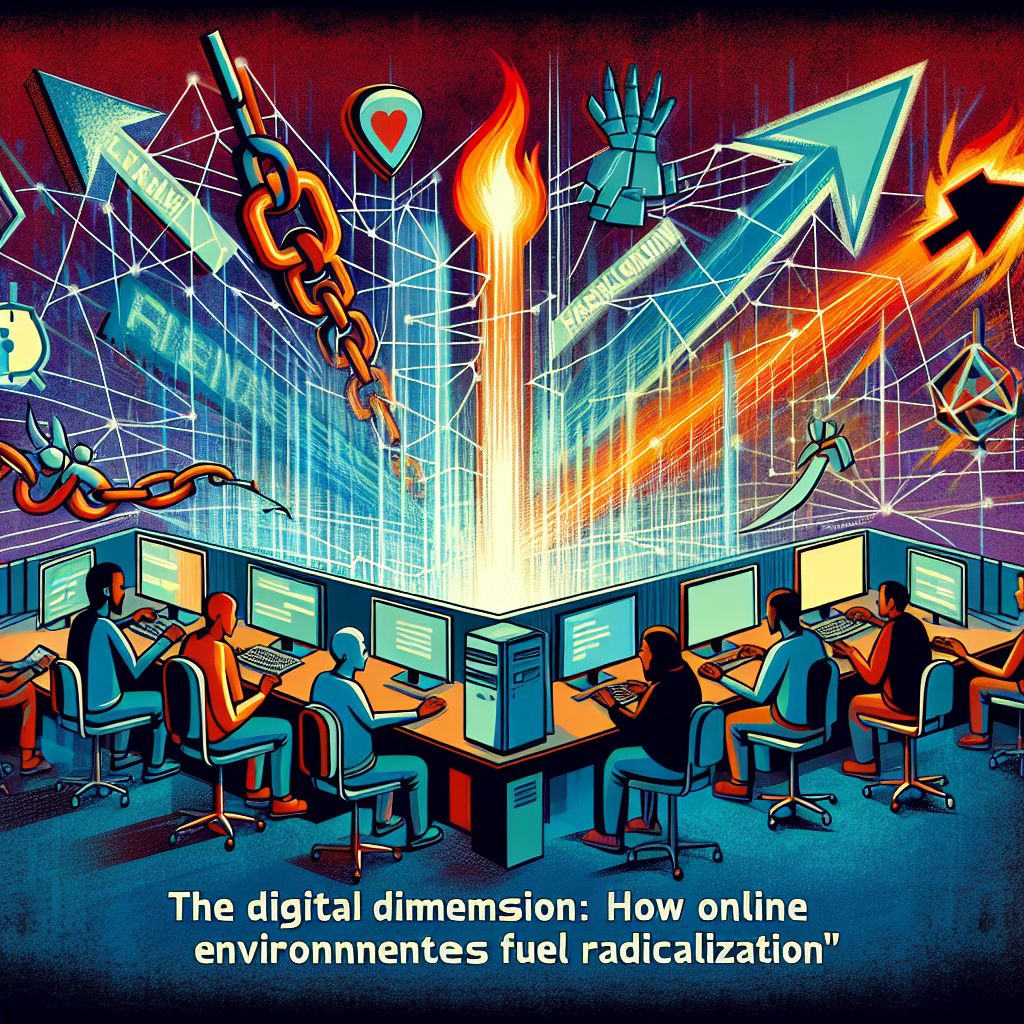
In today’s interconnected world, the internet serves not just as a tool for communication and information sharing, but as a powerful catalyst for social change—both good and bad. One of the more concerning aspects of this digital ecosystem is its role in radicalization. The rise of extremist ideologies online has profound implications for both individuals and society at large. In this article, we will explore The Digital Dimension: How Online Environments Fuel Radicalization and the mechanics behind this troubling phenomenon.
Understanding Radicalization
What is Radicalization?
Radicalization refers to the process through which individuals adopt extreme political, social, or religious ideologies. This often manifests in various forms of violence, including terrorism. The transition from mere belief in radical ideas to active participation can be influenced by numerous factors, including socio-economic background, personal grievances, and cognitive biases.
The Role of Online Platforms
The evolution of the digital landscape has dramatically changed how radicalization occurs. Traditional outlets, like pamphlets and face-to-face meetings, have been supplanted by more immediate and insidious online environments. Social media platforms, forums, and encrypted messaging apps create spaces where extremist narratives can flourish.
The Mechanics of Digital Radicalization
Online Echo Chambers
Echo chambers are environments where individuals are exposed primarily to opinions that reinforce their own beliefs. A 2021 study demonstrated that those engaged in these online silos are more likely to adopt extremist views. The algorithms of platforms like Facebook and Twitter often exacerbate this by promoting content that users engage with, trapping them in loops of radicalization.
Case Study: The 2020 Black Lives Matter Protests
During the BLM protests, various extremist groups attempted to infiltrate and manipulate narratives on social media platforms. The dissemination of misinformation and radical viewpoints created an environment where individuals were more inclined to engage in violence. This incident underscores how online spaces can twist righteous movements into grounds for extremism.
Recruitment Strategies of Extremist Groups
Extremist organizations have adeptly utilized online environments for recruitment. They exploit the anonymity of the internet to reach disenfranchised youth—often using gamified tactics that appeal to their targets’ emotional vulnerabilities.
Case Study: ISIS and Online Recruitment
The Islamic State of Iraq and Syria (ISIS) has pioneered the use of social media for recruitment—employing visual storytelling, influencer marketing techniques, and targeted advertisements. Their outreach capabilities serve as a stark example of how digital environments can facilitate radicalization by romanticizing violence and framing it as a means to achieve a higher purpose.
| Recruitment Strategy | Description |
|---|---|
| Gaming | Using video games with extremist ideologies |
| Social media influencers | Collaborating with online personalities to spread messages |
| Anonymous chat rooms | Providing a safe space where ideologies can grow |
Algorithmic Amplification
The algorithms governing platforms like YouTube or TikTok can inadvertently amplify extremist content. As people engage with specific materials, algorithms prioritize similar content, creating a feedback loop that continuously reinforces radical perspectives.
Case Study: YouTube’s Role in Radicalization
Research has shown that users searching for benign topics can end up in a rabbit hole leading to extremist content. The platform’s recommendation algorithm has been criticized for inadvertently promoting hate speech and violent ideologies, demonstrating the powerful influence of platform design on radicalization.
Societal Implications
The Ripple Effect of Online Radicalization
The infiltration of extremist ideologies into mainstream conversation can destabilize societal norms and foster polarization. This ripple effect not only jeopardizes community safety but also undermines democratic values.
Case Study: The 2019 Christchurch Attack
In March 2019, a gunman killed 51 people in Christchurch, New Zealand, after being inspired by online extremist narratives. The shooter live-streamed his attack on Facebook, perfectly illustrating the consequences of radicalization fueled by digital environments. This event ignited international discussions about the responsibilities of tech companies in monitoring and curtailing extremist content.
Mental Health and Vulnerability
The mental health implications of online radicalization cannot be understated. Vulnerable individuals—especially those suffering from social isolation, depression, or anxiety—are prime targets for radical ideologies, which often provide a sense of belonging or purpose.
Countering Radicalization in Digital Spaces
Education and Digital Literacy
Promoting critical thinking and digital literacy is essential in equipping potential targets with tools to recognize and reject extremist narratives. Educational programs should encompass understanding misinformation, recognizing biases, and encouraging open dialogue.
Community Engagement
Communities play a crucial role in countering radicalization. Initiatives aimed at fostering understanding and connection can displace extremist narratives by building virtual bridges between individuals of different backgrounds.
| Initiative | Description |
|---|---|
| Dialogue forums | Creating safe spaces for discussing differing viewpoints |
| Skill-building workshops | Teaching youth valuable life skills |
| Advocacy groups | Supporting marginalized voices |
Policy and Regulatory Measures
Governments and organizations must implement clear policies aimed at monitoring and regulating extremist content online. This might include stricter guidelines for platform accountability and the establishment of reporting mechanisms.
Conclusion
The Digital Dimension: How Online Environments Fuel Radicalization is a critical topic that demands our attention. Echo chambers, effective recruitment strategies, and algorithmic amplification form a triad that fosters radical ideologies online. However, by prioritizing education, community engagement, and robust regulatory measures, we can begin to mitigate the risks associated with digital radicalization. Awareness and proactive strategies are our best defenses against the seductive allure of extremist narratives.
FAQs
1. What are the main reasons for radicalization in online environments?
Most radicalization stems from isolation, personal grievances, and the search for identity, often exacerbated by exposure to extremist ideologies in echo chambers.
2. How do extremist groups recruit online?
Extremist groups leverage social media, gaming platforms, and encrypted chat rooms to find and groom potential recruits, often using psychological tactics to resonate with their emotions.
3. What role do algorithms play in radicalization?
Algorithms can amplify extremist content by prioritizing it based on user engagement, creating a digital environment that can entrench radical beliefs.
4. What can individuals do to protect themselves from radicalization?
Being aware of misinformation, engaging with diverse viewpoints, and developing critical thinking skills can help individuals navigate online content more safely.
5. How can society combat the radicalization of youth?
Fostering open dialogue, promoting educational initiatives, and creating supportive community environments are all essential strategies for preventing radicalization among youth.
Through understanding and action, we can change the narrative of The Digital Dimension: How Online Environments Fuel Radicalization into one of resilience, empathy, and collective strength.
About the Author