Introduction
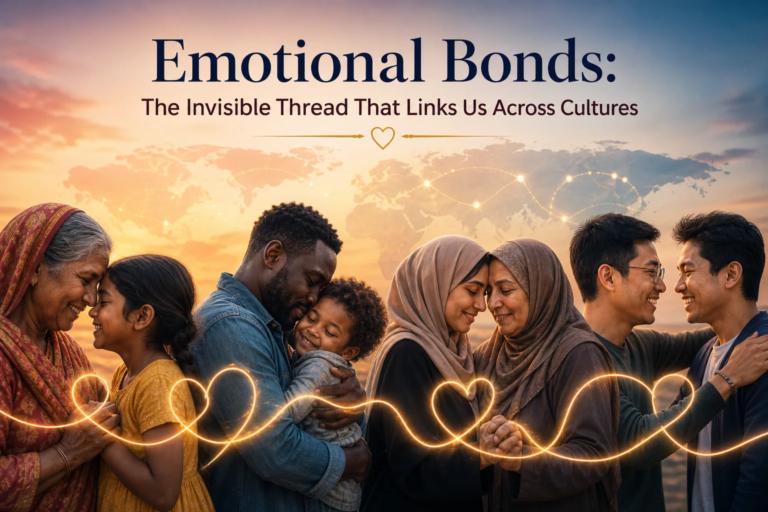
In a world where divisions seem to widen daily, the need for understanding one another has never been more critical. The Empathy Gap: Why Understanding Each Other Matters More Than Ever sheds light on the pressing necessity for empathy and connection in today’s society. As we confront diverse perspectives, cultures, and beliefs, our ability to relate to one another isn’t just a nicety—it’s essential for progress and peace.
The Concept of Empathy and Its Importance
Defining Empathy
Empathy is more than just a buzzword; it’s the ability to understand and share the feelings of another. It creates a bridge that connects individuals, enabling them to step into each other’s shoes, if only for a moment.
The 3 Types of Empathy:
- Cognitive Empathy: Understanding another’s feelings intellectually.
- Emotional Empathy: Physically feeling what someone else is feeling.
- Compassionate Empathy: Taking action to help someone in need.
Why Empathy Matters
Empathy opens doors to meaningful conversations. It fosters relationships and breaks down barriers that keep us apart. The Empathy Gap: Why Understanding Each Other Matters More Than Ever illustrates that in times of conflict or confusion, it is empathy that can lead us toward constructive solutions.
Bridging the Divide: Real-World Applications
Case Study 1: Empathy in Conflict Resolution
In the Israeli-Palestinian conflict, initiatives that foster empathy have shown promising results. For instance, organizations that bring individuals from both sides together, such as the Parents Circle-Families Forum, create spaces for shared stories and experiences. They encourage dialogue that often leads to reconciliation and mutual understanding.
Analysis:
This case highlights how personal stories can humanize ‘the other’ and pave the way for peace and collaboration. Such grassroots initiatives demonstrate the power of shared narratives in bridging deep-rooted divides.
Case Study 2: The Role of Empathy in Education
The Empathy Project in schools has been implemented to enhance student interaction. By introducing empathy training, students learn to understand their peers’ perspectives, which fosters a supportive environment. Reports show a significant decrease in bullying and an increase in student collaboration.
Analysis:
Educational settings that promote empathy not only improve social interactions but also set the foundation for future leaders who value understanding and cooperation.
The Psychological Impact of the Empathy Gap
Mental Health and Anxiety
The Empathy Gap: Why Understanding Each Other Matters More Than Ever is relevant in the context of mental health. A lack of empathy can exacerbate feelings of isolation and anxiety. On the other hand, when individuals feel understood, their mental health significantly improves.
Social Media’s Role
While social media can connect us, it often heightens misunderstandings. The anonymity allows for negative interactions, widening the empathy gap. A study by the Pew Research Center revealed that online communication can lead to harsher judgments of others, making empathetic interactions harder to achieve.
Table: Online Empathy vs. Face-to-Face Empathy
| Communication Type | Empathetic Connection | Frequency of Misunderstanding |
|---|---|---|
| Face-to-Face | High | Low |
| Text Messaging | Moderate | High |
| Social Media | Low | Very High |
The Business World and Empathy
Why Empathy Drives Success
Companies like Salesforce are integrating empathy into their corporate culture. It leads to higher employee satisfaction, improved teamwork, and ultimately, better performance. When leaders demonstrate empathy, it creates a ripple effect—employees feel valued and understood, leading to greater productivity.
Case Study 3: Empathy in Customer Service
Zappos has built a reputation for outstanding customer service by emphasizing empathy. Their training programs encourage employees to understand customers’ emotional states, which results in a loyal customer base and standout service.
Analysis:
The success of Zappos indicates that companies leveraging empathy can not only enhance customer relationships but also create a sustainable competitive advantage in the market.
Strategies to Enhance Empathy
Active Listening
One of the most powerful tools in overcoming the empathy gap is active listening. It involves fully concentrating on what is being said rather than just waiting for your turn to speak. Techniques to practice include:
- Reflecting back what someone has said.
- Asking open-ended questions.
- Avoiding interruptions.
Practicing Self-Compassion
Understanding oneself is critical to empathizing with others. Engaging in self-care and reflection helps individuals develop compassion for their own experiences, allowing for greater empathy towards others.
Engaging in Diverse Experiences
Joining groups or participating in events outside of one’s typical social circle can broaden perspectives and cultivate empathy. Volunteering, for example, provides firsthand experience with different life situations and encourages understanding.
Conclusion
The Empathy Gap: Why Understanding Each Other Matters More Than Ever is not merely an academic topic; it’s a call to action. From personal relationships to global conflicts, understanding one another leads to meaningful connections, resolution of conflicts, and a more connected world.
Let us commit to closing the empathy gap in our daily interactions, fostering understanding, and embracing the power of connection. The world is not only a better place when we understand each other—it becomes a place of cooperation, harmony, and ultimate growth.
FAQs Section
1. What is the empathy gap?
The empathy gap refers to a disconnect in understanding and relating to others’ feelings or perspectives, often leading to conflict and misunderstanding.
2. Why is empathy important in today’s society?
Empathy fosters connection and understanding, essential for resolving conflicts and building healthy communities.
3. How can I improve my empathetic skills?
Active listening, exposing yourself to diverse experiences, and practicing self-compassion can significantly enhance your empathetic abilities.
4. Can empathy be learned or is it innate?
While some people may naturally have a predisposition for empathy, it can certainly be cultivated through practice and conscious effort.
5. How does the internet affect empathy?
While the internet allows for broader connections, it can also lead to shallow interactions and misunderstandings, often widening the empathy gap.
The Empathy Gap: Why Understanding Each Other Matters More Than Ever serves not just as an important idea, but as an achievable goal. Let’s make empathy our default mode in all exchanges, creating a world that thrives on understanding and compassion.
About the Author


The PsyForU Editorial Collective is the research and editorial team of PsyForU Research International. The collective prepares educational, psychological, mental-health-awareness, inclusion, neurodiversity, and research-methodology content for students, parents, educators, researchers, and general readers. PsyForU content is intended for awareness, education, and capacity-building and should not be treated as clinical diagnosis, therapy, medical advice, legal advice, or emergency mental-health support.