The Ultimate Future of Inclusive Education: Technology’s Role in Supporting Learning Disabilities
Introduction: The New Frontier of Learning
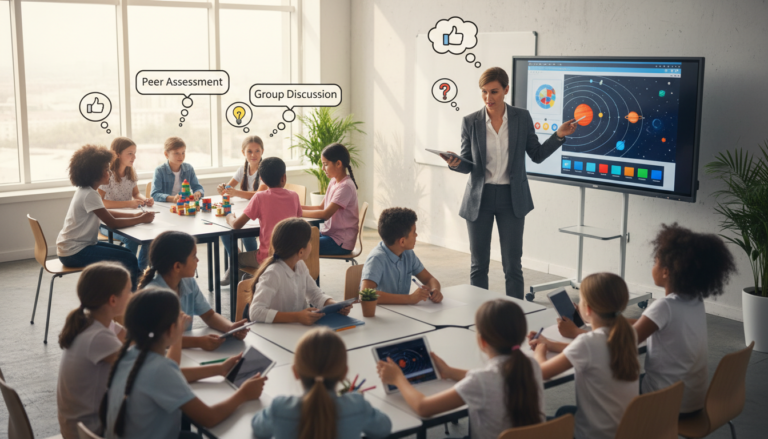
Imagine a classroom where every child, regardless of their abilities, can thrive alongside their peers. This vision of inclusive education is not just a dream but a rapidly approaching reality, fueled by the evolution of technology. The future of inclusive education hinges on the innovative tools and strategies that support learning disabilities, ensuring that every student has the opportunity to shine. As we explore the rich landscape of educational technology, it becomes clear that the intersection of technology and inclusivity is not merely beneficial; it is essential.
In this article, we will delve into the transformative power of technology in supporting learning disabilities, grounding our discussion in real-world examples and emerging trends. By examining how digital tools, personalized learning models, and collaborative platforms are shaping the future of inclusive education, we aim to inspire educators, parents, and policymakers alike.
The Landscape of Learning Disabilities: Understanding the Challenges
To fully appreciate the impact of technology, we must first understand the challenges faced by students with learning disabilities. Learning disabilities can manifest in various ways, affecting reading, writing, math skills, and more. According to the National Center for Learning Disabilities, approximately 1 in 5 children in the U.S. has a learning disability. This statistic underscores the urgency for effective and inclusive educational practices.
Types of Learning Disabilities
- Dyslexia: Challenges in reading fluency and comprehension.
- Dyscalculia: Difficulties with number-related concepts.
- Dysgraphia: Issues with writing, including spelling and handwriting.
- ADHD: Attention difficulties that can hinder learning.
Understanding these disabilities allows us to appreciate how technology can bridge the gap, creating a more inclusive educational environment.
Technology as a Tool for Inclusivity
1. Assistive Technology: The Cornerstone of Support
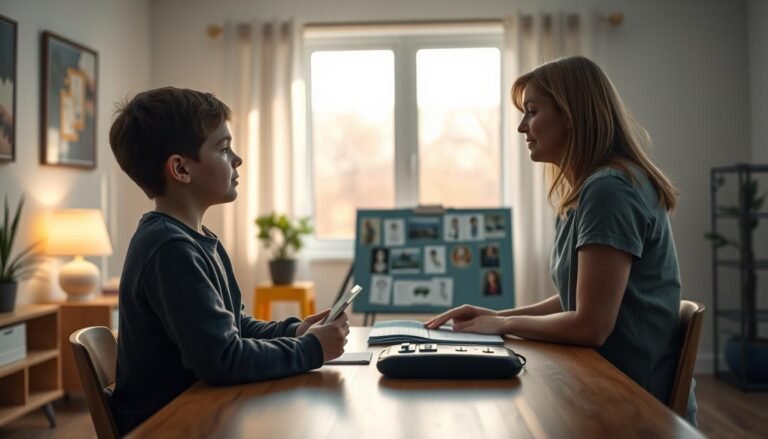
Assistive technology encompasses devices and software designed to enhance the learning experience for students with disabilities. This technology is crucial in the future of inclusive education, allowing students to engage more fully with their learning environments.
Key Assistive Technologies
Text-to-Speech Software: Tools such as Read&Write and Kurzweil 3000 help students with dyslexia by converting text into spoken words, enhancing comprehension.
Speech-to-Text Programs: Applications like Dragon NaturallySpeaking allow students with dysgraphia to express their ideas without the barrier of handwriting.
- Interactive Learning Apps: Programs like BeeLine Reader use color gradients to improve reading fluency, helping students who struggle with traditional texts.
Case Study: A School’s Transformation with Assistive Technology
At Crestwood High School in Ohio, the integration of assistive technology has resulted in a remarkable shift. With the implementation of Text-to-Speech and visual learning tools in their curriculum, the school reported a 40% increase in reading comprehension scores among students with learning disabilities over two academic years. This is a prime example of how the future of inclusive education: technology’s role in supporting learning disabilities can create measurable improvements in academic performance.
| Assistive Technology | Impact on Learning |
|---|---|
| Text-to-Speech | Improved comprehension and engagement |
| Speech-to-Text | Enhanced expression of ideas |
| Interactive Apps | Increased motivation and skill mastery |
2. Personalized Learning: Tailoring Education to Individual Needs
Personalized learning approaches are vital for students with learning disabilities. By leveraging data analytics and AI, educators can create tailored educational experiences that cater to individual strengths and weaknesses. This method is a powerful aspect of the future of inclusive education: technology’s role in supporting learning disabilities.
Key Features of Personalized Learning
Adaptive Learning Technologies: Platforms like DreamBox Learning use algorithms to adjust content based on each student’s progress, providing customized pathways.
- Data-Driven Decision Making: Educators can use assessment data to tailor instruction, ensuring that each student receives the support they need.
Case Study: A District Leading the Way
In San Diego Unified School District, personalized learning initiatives have empowered educators to meet students’ unique needs effectively. Following the introduction of adaptive learning platforms, the district reported a 30% increase in overall student engagement, especially among those with learning disabilities. This success illustrates the potential of personalized learning tools as a cornerstone of the future of inclusive education: technology’s role in supporting learning disabilities.
Collaborative Learning: Fostering Community
1. Technology-Enhanced Collaborative Learning
The future of inclusive education embraces collaboration among students, teachers, and families. Technology facilitates this collaboration, creating a supportive community for all learners.
Tools for Collaboration
Online Collaboration Platforms: Services such as Google Classroom and Microsoft Teams allow students to work together, share resources, and support one another, breaking down barriers created by learning disabilities.
- Parent Engagement Apps: Tools like Seesaw enable parents to share insights and monitor progress, fostering a connected educational experience for students.
Case Study: Enhancing Communication
At Maplewood Elementary in New Jersey, teachers introduced Google Classroom to foster collaboration. After one year, they noted an increase in parental involvement and an improvement in students’ social skills. The ability for students with learning disabilities to participate more fully in group projects underscores the vital role of technology in creating inclusive spaces.
Evaluating the Impact of Technology
Key Metrics for Success
To gauge the success of these innovations, schools must consider various metrics:
| Metric | Description |
|---|---|
| Academic Performance | Standardized test scores, classroom performance |
| Engagement Levels | Survey feedback, attendance rates |
| Social Skills Development | Observational assessments, peer interaction feedback |
| Technological Proficiency | Student familiarity and comfort with tools utilized |
Conclusion: An Inspirational Path Forward
The future of inclusive education rests not only on the effective use of technology but also on a collective commitment to fostering an equitable learning environment for all students. As we witness transformational changes in how educational systems operate, it’s crucial to remember that technological tools are just that—tools. The success of inclusive education lies in the hands of dedicated educators, families, and communities working together toward a shared goal.
Let’s embrace the opportunities that lie ahead. By advocating for the continued integration of technology in educational practices, we can ensure that every child, regardless of their abilities, has the chance to thrive and contribute to society.
FAQs Section
1. What types of technology are best for supporting learning disabilities?
Tools like text-to-speech software, speech-to-text applications, and interactive learning platforms have been most effective in supporting students with learning disabilities.
2. How can educators implement technology effectively in their classrooms?
Educators should begin by assessing individual student needs, choosing appropriate technology tools, and integrating them into their lesson plans while fostering an inclusive environment.
3. What role do parents play in the use of technology for learning disabilities?
Parents can support their children’s learning by engaging with them on the technology being used, providing encouragement, and sharing insights with educators through apps and platforms designed for communication.
4. Is technology the right solution for all students with learning disabilities?
While technology can greatly enhance the learning experience for many, it is essential to assess each student’s individual needs and preferences to find the right balance between technology and traditional teaching methods.
5. How can schools measure the effectiveness of technology in supporting learning disabilities?
Schools can evaluate the impact of technology through academic performance metrics, student and teacher feedback, and social integration assessments.
As we look to the future of inclusive education and technology’s role in supporting learning disabilities, let us remain committed to continual innovation, collaboration, and adaptability. Together, we can pave the way for a brighter, more inclusive educational landscape for all learners.
About the Author


Dr. Leah Howard, Positive Psychology
Dr. Howard is a researcher and advocate for positive psychology, focusing on human strengths, happiness, and well-being. Her writings explore how people can cultivate a positive mindset, improve resilience, and develop emotional intelligence to live fulfilling lives.