Introduction
In the vast landscape of human development, one of the most captivating debates centers around the interplay of nature and nurture. Are we shaped primarily by our genetics, or does our environment hold the key to who we become? This fundamental question has stirred curiosity and research across generations, unearthing insights that can guide our understanding of human behavior, personality, and growth. As we journey through this exploration, we will come to appreciate not only how these two forces work together but also how their balance influences us throughout our lifespan.
Understanding Nature and Nurture
The Nature Side: Genetics and Biology
The term "nature" refers to the genetic inheritance we receive from our parents. This includes everything from physical traits, like eye color and height, to psychological tendencies, such as temperament or risk for certain mental health conditions. Research in genetic psychology has identified numerous genes linked to various attributes, asserting a critical role for biology in our development.
The Nurture Side: Environment and Upbringing
On the flip side, "nurture" encompasses the myriad of environmental factors that influence who we are. This includes the family setting we grow up in, cultural background, education, socioeconomic status, and even peer relationships. From nurturing parents to stimulating educational environments, the impact of nurture can be profound and far-reaching.
The Interplay of Nature and Nurture in Lifespan Development
A Synthesis of Influences
The interplay of nature and nurture is not merely a tug-of-war; it is an intricate dance. Throughout our lives, these two forces interact dynamically, sometimes reinforcing and other times challenging each other’s effects. Research consistently shows that lifespan development results from a complex interplay rather than a linear progression influenced by one factor alone.
Case Study: The Minnesota Twin Study
The Minnesota Twin Study provides significant insights into this interplay. Researchers studied both identical twins raised apart and those raised together, discovering striking similarities in personality, preferences, and even life choices in twins raised in different environments. This study highlights how innate traits (nature) can express differently depending on environmental contexts (nurture).
| Factor | Twins Raised Together | Twins Raised Apart |
|---|---|---|
| Personality Type | Similar | Similar |
| Lifestyle Choices | Aligned | Varied |
| Interests | Aligned | Divergent |
The Role of Epigenetics
Epigenetics provides a compelling framework for understanding the interplay of nature and nurture. This field of study focuses on how gene expression is influenced by environmental factors. For instance, stress, diet, and exposure to toxins can modify the way genes are expressed, shaping development and behavior. This means that our life experiences can literally affect the structure of our DNA.
Developmental Stages and Their Influences
Infancy and Early Childhood
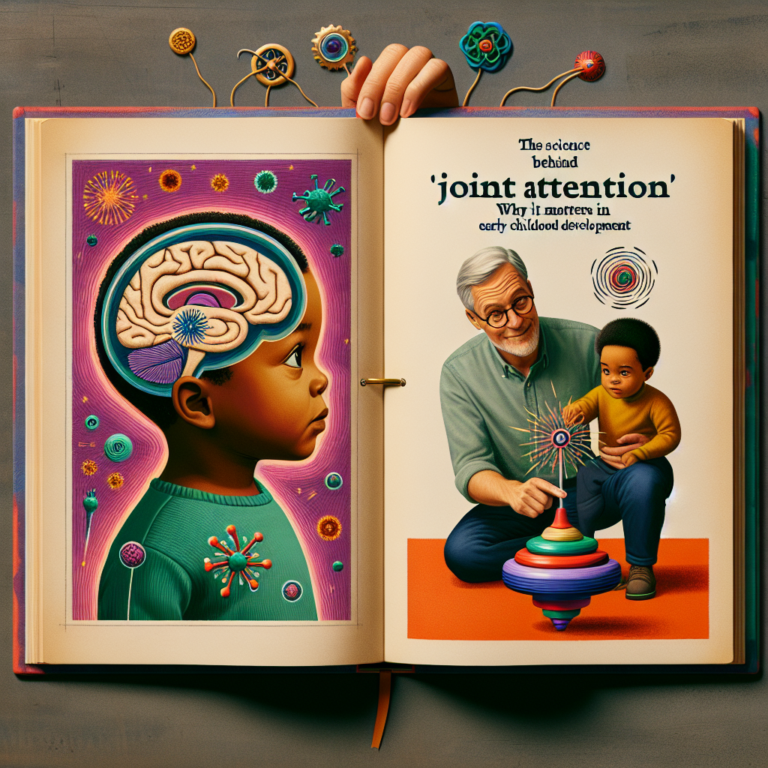
During the earliest developmental stages, nurture plays a vital role in shaping a child’s outcomes. Attachment theory demonstrates how early interactions with caregivers can impact emotional and social development. Secure attachments foster resilience and social competence, while insecure attachments can lead to challenges.
Adolescence: A Critical Period
Adolescence presents a unique challenge as the brain undergoes significant changes. Although biological factors set the stage for emotional regulation and risk-taking behavior, environmental influences, such as peer pressure and academic challenges, can steer development in positive or negative directions.
Adulthood: Balancing Act
In adulthood, the interplay of nature and nurture becomes a balance of personal choices and external circumstances. Genetic predispositions can affect health and lifestyle choices, while environmental factors such as career opportunities and social networks can greatly influence well-being.
The Creative Tension: Challenges and Applications
Mental Health and Disorders
The interplay of nature and nurture is especially poignant in the discussion of mental health. Genetic predispositions for disorders like depression or anxiety can be mitigated or exacerbated by environmental factors. Understanding this interplay leads to more effective treatment strategies, emphasizing the need for holistic approaches that consider both individual susceptibility and life experiences.
Parenting Styles and Their Impact
Parenting styles provide a real-world application of this interplay. Authoritative parenting, which balances nurturing and discipline, often results in better outcomes for children. Research indicates that children from such environments tend to be more resilient, confident, and socially adept—a testament to how nurturing enhances natural abilities.
Conclusion
The journey through the interplay of nature and nurture in lifespan development unveils the rich tapestry of human growth. We see clearly that neither force works in isolation; instead, they fuse together in an ongoing process that shapes who we are. As we reflect on these insights, we are reminded that our own paths are influenced by a myriad of factors—genetic, environmental, and experiential.
Let this knowledge inspire us to seek balance in our own lives, recognizing that while we inherit certain traits, our experiences can profoundly shape our journey. We hold the power to nurture growth in ourselves and others, paving the way for a brighter future.
FAQs
1. How do nature and nurture influence personality development?
Both genetics and environmental factors shape personality. Research shows that while some traits are inherited, upbringing, culture, and individual experiences play a crucial role in personality formation.
2. Can nurture overcome nature?
In many cases, supportive environments can mitigate genetic predispositions. For example, a nurturing home can help a child with a genetic risk for anxiety develop resilience.
3. How does the interplay of nature and nurture change over time?
As individuals move through different life stages, the influence of nature and nurture can shift. For instance, childhood experiences may have strong effects, while adult choices can become more significant.
4. What role does epigenetics play?
Epigenetics studies how environmental factors can influence gene expression. This evolving field underscores that our life experiences can actively shape our genetic potential.
5. Why is understanding this interplay important?
Recognizing the interplay of nature and nurture helps individuals and professionals create supportive environments, leading to better mental health outcomes and more informed parenting and educational strategies.
This exploration of The Interplay of Nature and Nurture in Lifespan Development shows us that our lives are not just a product of our biology or our environments, but a beautiful amalgamation of both, continuously evolving through the choices we make and the experiences we encounter.
About the Author