Introduction
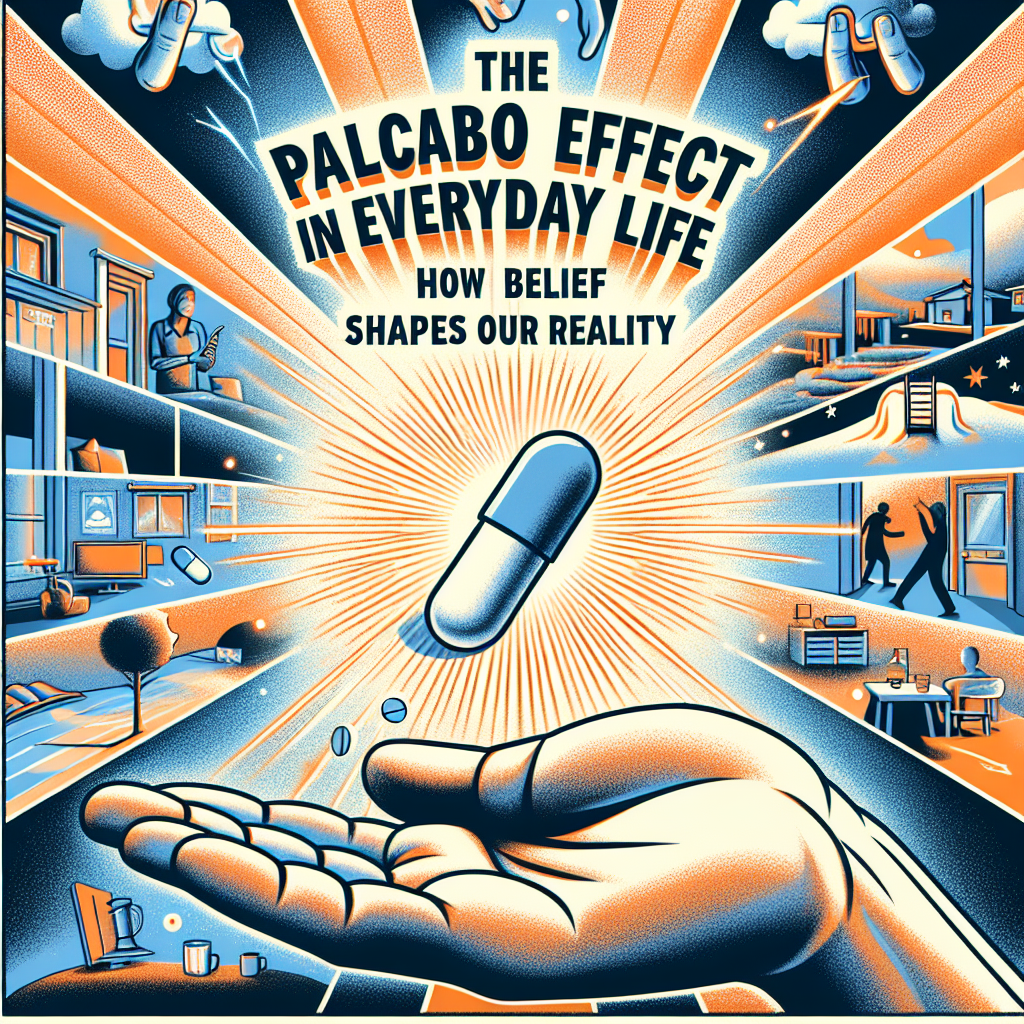
Imagine taking a pill that is nothing more than a sugar tablet, yet it alleviates your chronic pain or helps you sleep better at night. This extraordinary phenomenon is known as the placebo effect, a testament to the profound impact belief has on our physical and emotional realities. The placebo effect in everyday life is not just confined to clinical trials; it permeates daily experiences, demonstrating how our minds can shape our perceptions and reactions. Understanding this phenomenon can empower us to harness the full potential of our beliefs, enriching our lives in ways we may never have imagined.
What Is the Placebo Effect?
To delve into the placebo effect in everyday life, we first need to understand what it is. The placebo effect refers to the observable or measurable improvement in condition after receiving a treatment that has no therapeutic effect. This improvement occurs because the person believes they are receiving an actual treatment, showcasing the intricate relationship between mind and body.
The Science Behind the Placebo Effect
Numerous studies have illuminated the neurobiological underpinnings of the placebo effect. Researchers have found that the anticipation of relief can trigger the release of endorphins, dopamine, and other neurotransmitters linked to pain relief and mood improvement. This biological response showcases how belief can literally change our chemistry, reinforcing the concept that what we think can indeed shape our reality.
The History of the Placebo Effect
The history of the placebo effect dates back centuries. It has roots in early medicine when doctors would prescribe “medications” made of little more than sugar or water. The success of these treatments was often attributed to the patient’s belief in their efficacy. An early example can be found in the 18th century when Scottish physician George Fordyce used placebo treatments to soothe patients, effectively demonstrating how suggestive therapy can yield real results.
The Placebo Effect in Everyday Life: Real-World Applications
The implications of the placebo effect in everyday life extend beyond the confines of clinical practice. Whether it involves pain management, sports performance, or general well-being, our beliefs can actively shape our experiences.
Case Study 1: Pain Management
Overview
One of the most compelling areas of research on the placebo effect involves pain management. In a 2004 study published in The Lancet, researchers examined patients with chronic pain conditions who were given saline injections but were told they were receiving an analgesic. Astonishingly, many reported significant reductions in pain.
Analysis
This case study illustrates how belief can manifest in physical sensations. Patients who expected relief experienced a decrease in pain, emphasizing the tremendous power of the mind. This phenomenon is not limited to acute pain; it extends to chronic pain management, where patients’ beliefs can influence their pain perceptions.
Case Study 2: Sports Performance
Overview
The placebo effect can also play a crucial role in sports. A fascinating study published in The Journal of Sport Sciences explored the effects of a so-called "performance-enhancing" drink given to athletes. Unbeknownst to them, the drink was merely a sugar solution. Those who believed they were consuming performance-enhancing substances exhibited improved athletic performance compared to those who did not receive the drink.
Analysis
This study highlights how belief in one’s abilities can influence physical performance significantly. Athletes who perceive their potential as enhanced by belief in external factors can push their limits, showcasing how the placebo effect in everyday life transcends traditional boundaries.
Case Study 3: Mental Health
Overview
Psychological well-being is another area that benefits from the placebo effect. A study focused on patients with depression revealed that those who received placebos while believing they were taking antidepressants showed substantial improvement in their symptoms. Their expectations and beliefs about treatment played critical roles.
Analysis
This underscores the importance of belief in mental health. Rather than viewing medications as the sole option for treatment, understanding the placebo effect can inspire individuals to adopt more positive mental frameworks, potentially leading to better outcomes.
How to Harness the Placebo Effect in Everyday Life
Recognizing the placebo effect in everyday life allows us to leverage its power intentionally. Here are some actionable strategies to harness the potential benefits of belief:
1. Practice Positive Affirmations
Utilizing positive affirmations can enhance your mindset. By regularly affirming your capabilities and potential, you strengthen your beliefs and foster a more optimistic outlook. This practice can act as a catalyst for change.
2. Mindfulness and Meditation
Mindfulness practices can help you become more aware of your beliefs and thoughts, allowing you to challenge negative patterns. By implementing mindfulness meditation, you can reshape your mental landscape, leading to better health outcomes.
3. Set Intentional Goals
Setting clear, intentional goals can bolster your belief in your capabilities. When you visualize success, you’re more likely to experience it, thanks to the placebo effect in everyday life.
4. Surround Yourself with Positivity
The people you surround yourself with can influence your beliefs. Engaging with individuals who have a positive outlook can help you cultivate a more constructive mindset.
5. Cultivate Self-Care Rituals
Engaging in self-care practices, such as aromatherapy, yoga, or even a warm bath, can enhance feelings of well-being. These rituals often derive their efficacy from the beliefs associated with them. Develop routines that resonate with you and reinforce your self-efficacy.
The Misconceptions and Challenges
While the placebo effect presents incredible opportunities, it’s essential to address some common misconceptions that may hinder individuals from fully embracing it.
Misconception 1: Placebo Is a Trick
Many perceive the placebo effect as mere deception. However, the essence of the placebo effect is built upon genuine belief. It’s not a trick, but rather a profound illustration of human psychology and its ability to influence well-being.
Misconception 2: Placebos Are Only for Physical Pain
While the placebo effect is commonly noted in pain relief, its applicability is vast. Mental health, stress reduction, and athletic performance are just a few areas where belief plays a pivotal role.
Misconception 3: The Placebo Effect Is Weak
Some believe that the placebo effect lacks strength and reliability. However, when harnessed strategically, the placebo effect can yield significant results, as evidenced in various clinical studies.
Misconception 4: You Have to Believe Wholeheartedly
Many think genuine belief is a prerequisite for experiencing the placebo effect. However, even a slight expectation of improvement can elicit positive changes in health.
Misconception 5: It’s Only Applicable in Clinical Settings
The placebo effect is traditionally researched within clinical trials, but its principles can be applied to everyday life, enhancing various aspects of personal well-being.
Conclusion
The placebo effect in everyday life: how belief shapes our reality is not merely a theoretical concept but a living testament to the power of the human mind. By recognizing and leveraging our beliefs, we can unlock a reservoir of potential that exists within us all. The next time you find yourself questioning your abilities, remember the power of belief can catalyze real change. Harnessing the placebo effect in everyday life offers a unique opportunity to enrich your experiences—emotionally, mentally, and physically.
FAQs
1. What is the placebo effect, and how does it work?
The placebo effect occurs when an individual experiences a real change in condition after receiving a treatment that has no active therapeutic effect, primarily due to their belief in the treatment’s efficacy.
2. Can the placebo effect be used outside clinical trials?
Absolutely! The principles of the placebo effect can be applied in everyday life, influencing aspects such as pain management, emotional well-being, and performance in various activities.
3. How can I harness the placebo effect in my life?
You can harness the placebo effect by practicing positive affirmations, engaging in mindfulness and meditation, setting intentional goals, surrounding yourself with positivity, and cultivating self-care rituals.
4. Is the placebo effect valid for all medical conditions?
While the placebo effect is significant in various conditions, its efficacy can vary based on the individual and the context. It’s most commonly noted in pain, mental health, and chronic conditions.
5. Are there risks associated with the placebo effect?
The placebo effect is generally deemed safe, but relying solely on placebos without professional medical guidance can result in delayed treatment for serious health conditions. It’s essential to seek a healthcare professional for appropriate medical advice.
By exploring the fascinating realm of the placebo effect in everyday life, we uncover not only the remarkable capabilities of our minds but also pathways toward improved health and well-being. Embrace this power, and let your beliefs shape a brighter reality.
About the Author


Dr. Leah Howard, Positive Psychology
Dr. Howard is a researcher and advocate for positive psychology, focusing on human strengths, happiness, and well-being. Her writings explore how people can cultivate a positive mindset, improve resilience, and develop emotional intelligence to live fulfilling lives.