The Ultimate Power of Nutrition: How Food Choices Can Shape Our Emotions
Introduction
Imagine walking into a room filled with delicious smells, vibrant colors, and lush greenery. You’re surrounded by fresh fruits, vegetables, and whole grains. Your senses are ignited, and suddenly, you feel a wave of energy and positivity wash over you. It’s no coincidence. The food we consume wields incredible power, not just over our physical health but also over our emotions. This article will explore The Power of Nutrition: How Food Choices Can Shape Our Emotions, diving deep into the intricate relationship between what we eat and how we feel.
The Connection Between Food and Mood
The Science of Nutrition and Emotion
While most people understand that food is fuel for the body, fewer recognize that it can also be emotional fuel. Studies have shown that nutritional elements like omega-3 fatty acids, antioxidants, and vitamins play a significant role in brain chemistry, affecting mood, emotional resilience, and mental health.
Key Nutrients and Their Emotional Impact
| Nutrient | Food Sources | Emotional Benefits |
|---|---|---|
| Omega-3 Fatty Acids | Fish, flaxseeds | Reduces anxiety and depression |
| Antioxidants | Berries, dark chocolate | Improves mood, combats stress |
| B Vitamins | Whole grains, leafy greens | Supports energy levels and mental clarity |
| Magnesium | Nuts, seeds, legumes | Helps manage stress and promotes relaxation |
This chart highlights how specific nutrients can positively influence our emotions, showcasing The Power of Nutrition: How Food Choices Can Shape Our Emotions.
The Gut-Brain Connection
Emerging research reveals the significance of the gut microbiome—the collection of bacteria in our intestines—on mental health. A diverse and balanced gut microbiome can lead to improved mood and reduced anxiety.
- Case Study: The SMILES Trial
In a groundbreaking study, researchers found that individuals who adopted a Mediterranean diet, rich in whole foods and low in processed items, reported significant improvements in their mental health. This case study illustrates how The Power of Nutrition: How Food Choices Can Shape Our Emotions can be enacted through dietary changes.
- Case Study: The SMILES Trial
Food Choices and Specific Emotions
1. Happiness and Joy
The foods we eat can either elevate our mood or bring it down. For example, carbohydrates stimulate serotonin production in the brain, which contributes to feelings of happiness.
- Case Study: Chocolate and Happiness
In a research study involving chocolate consumption, participants who indulged in a small amount of dark chocolate reported feeling significantly happier than those who did not.
- Case Study: Chocolate and Happiness
2. Anxiety and Stress Relief
Certain foods can help alleviate anxiety by promoting relaxation and stability.
- Case Study: Herbal Tea and Relaxation
A study revealed that participants who consumed chamomile tea noted a marked reduction in stress levels, emphasizing The Power of Nutrition: How Food Choices Can Shape Our Emotions.
- Case Study: Herbal Tea and Relaxation
3. Anger and Frustration
On the flip side, foods high in sugar and unhealthy fats can trigger feelings of irritability and frustration.
- Case Study: Fast Food and Mood
A longitudinal study found that young adults who consumed high amounts of fast food reported increased impulsivity and anger responses, reinforcing the idea that poor food choices can negatively shape our emotions.
- Case Study: Fast Food and Mood
Practical Applications of Nutrition in Emotional Well-Being
Creative Meal Planning for Emotional Health
To harness The Power of Nutrition: How Food Choices Can Shape Our Emotions, consider implementing a meal plan that integrates mood-enhancing foods. Here are some practical tips:
- Start Your Day with a Balanced Breakfast: Incorporate eggs, whole grains, and fruit for sustained energy.
- Start Your Day with a Balanced Breakfast: Incorporate eggs, whole grains, and fruit for sustained energy.
- Snack Smartly: Choose nuts or yogurt instead of chips to keep your mood stable throughout the day.
- Snack Smartly: Choose nuts or yogurt instead of chips to keep your mood stable throughout the day.
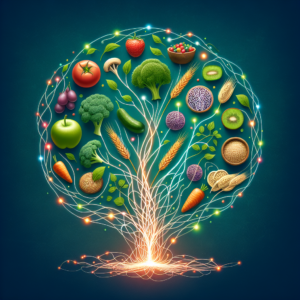
- Plan a Colorful Dinner Plate: A mix of greens, reds, and yellows provides your body with a wide range of nutrients.
Mindful Eating Practices
Mindful eating can greatly enhance the emotional benefits of your food choices. When you engage your senses while eating, you can unlock the moments of happiness and contentment that good food brings.
- Tip: Create a calm atmosphere during meals—dimming the lights, playing soft music, or even lighting a candle can help elevate your dining experience.
The Role of Food in Letting Go of Negative Emotions
Emotional Freedom and Food Choices
Food can serve as a powerful tool in releasing negative emotions. By choosing nourishing foods, we can encourage the body to let go of built-up stress and anxiety.
- Case Study: A Plant-Based Diet and Emotional Lifting
A switch to a plant-based diet allowed participants in a study to connect to their emotions more clearly, reporting a greater sense of emotional freedom and clarity.
- Case Study: A Plant-Based Diet and Emotional Lifting
Conclusion
Understanding The Power of Nutrition: How Food Choices Can Shape Our Emotions opens up the path to a healthier, more joyful life. The intricate connections between our diets and our emotional states remind us that we are more than just bodies needing fuel—we are intricate beings deserving of nourishment that feeds both body and soul.
As you move forward, consider how your own food choices can shape your emotions. Start small with mindful eating, embrace colorful foods, and pay attention to the feelings that arise from nourishing your body. Take control of your emotional well-being through thoughtful dietary choices, and watch as your life transforms.
FAQs
1. Can changing my diet really affect my mood?
Absolutely! Numerous studies have demonstrated that diet has a significant impact on mood, influenced by factors like blood sugar levels, nutrient deficiencies, and gut health.
2. What are some quick mood-boosting foods?
Foods like dark chocolate, nuts, berries, and green leafy vegetables can provide quick boosts to your mood!
3. How long does it take to see emotional changes from dietary changes?
While some individuals may notice changes within days, more substantial emotional shifts can take weeks or even months of consistently healthy eating.
4. Is it possible to eat for happiness?
Yes! Certain foods can promote chemical changes in your brain that encourage feelings of happiness and reduce feelings of anxiety and depression.
5. Should I consider supplements if my diet isn’t sufficient?
Consulting a healthcare professional can help determine if supplements are appropriate for you, especially if you have dietary restrictions or specific deficiencies.
By integrating these insights into your daily routine, you can start experiencing The Power of Nutrition: How Food Choices Can Shape Our Emotions in a transformative way. Embrace the journey and savor each empowering bite!
About the Author