Introduction: Safety Is Not a Solo Project
A safe neighborhood is not built by locked doors alone. It is built by people who notice, care, communicate, and respond wisely. When families feel secure letting children walk to school, when elders know someone will check on them, when survivors are believed, and when warning signs are taken seriously before harm escalates, community safety becomes more than a hope—it becomes a shared practice.
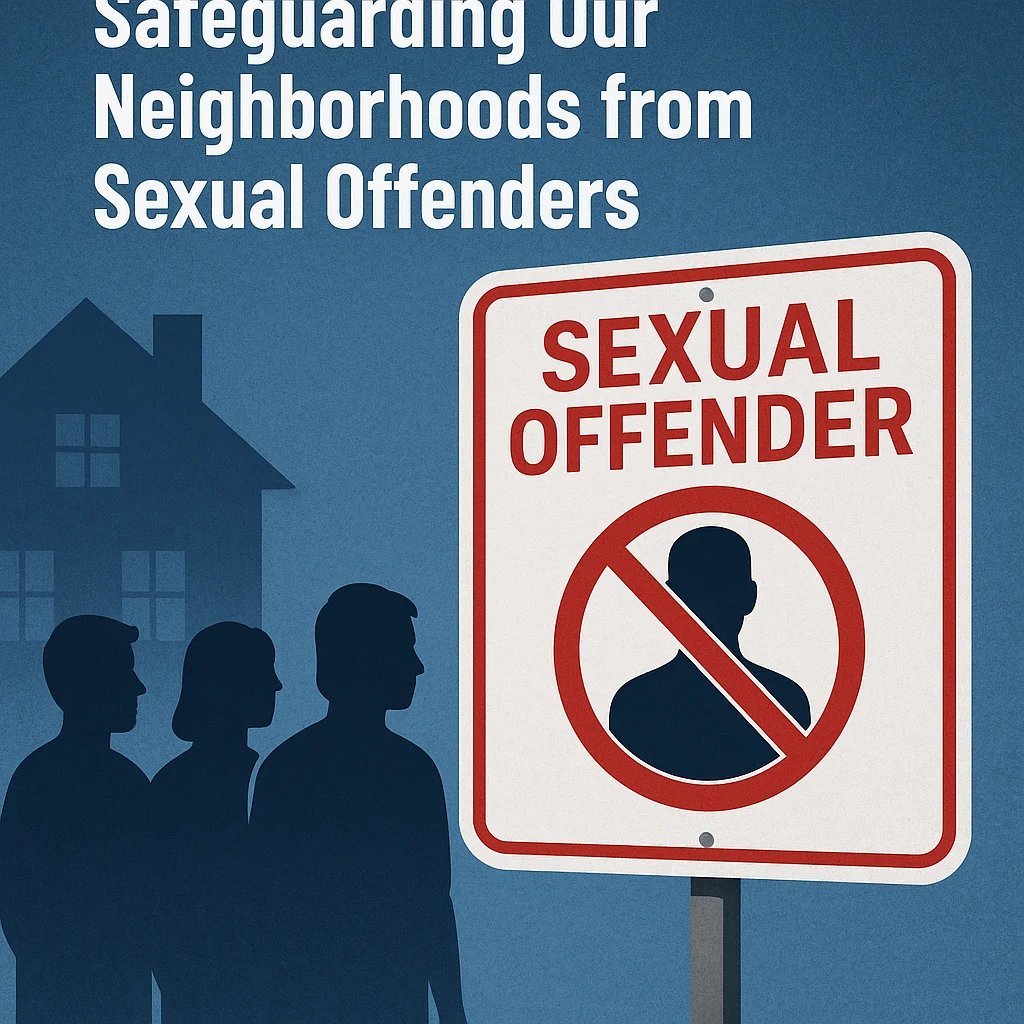
That is why The Role of Community: Safeguarding Our Neighborhoods from Sexual Offenders is such an important conversation. Sexual abuse and exploitation are not problems that can be solved only after a crime occurs. They require prevention, education, accountability, support for survivors, and cooperation with trained professionals.
At the same time, community safety must never become vigilantism. Fear-driven action can lead to harassment, false accusations, privacy violations, and even increased danger. The strongest neighborhoods are not the loudest or most punitive; they are the most informed, connected, and prepared.
This article explores The Role of Community: Safeguarding Our Neighborhoods from Sexual Offenders through a balanced, practical lens. We will look at prevention, reporting, survivor support, public awareness, youth protection, reintegration, and real-world case studies that show what works.
Why The Role of Community: Safeguarding Our Neighborhoods from Sexual Offenders Matters
Sexual offending affects individuals, families, schools, workplaces, faith communities, and entire neighborhoods. Its impact can last for years, sometimes generations. Survivors may experience anxiety, depression, post-traumatic stress, shame, distrust, and difficulty forming relationships.
But communities are not powerless.
When neighbors know how abuse happens, how grooming works, how to report concerns, and how to support survivors, they become a protective network. The Role of Community: Safeguarding Our Neighborhoods from Sexual Offenders is not about living in fear. It is about replacing silence and confusion with knowledge and coordinated action.
Many sexual offenses are committed by someone known to the victim, not by a stranger hiding in the shadows. This reality changes how prevention must work. It means communities need to focus not only on registered offenders but also on healthy boundaries, youth safety, responsible adult behavior, and early intervention.
Key Community Safety Principles
| Principle | What It Means | Why It Matters |
|---|---|---|
| Awareness | Understanding risks, grooming, and reporting options | Helps people identify concerns early |
| Prevention | Creating safer environments before harm occurs | Reduces opportunities for abuse |
| Accountability | Supporting legal and professional responses | Prevents harmful behavior from being ignored |
| Survivor support | Believing and assisting people who disclose abuse | Encourages healing and reporting |
| Non-vigilantism | Avoiding harassment, threats, or public shaming | Keeps communities lawful and effective |
| Reintegration with supervision | Supporting evidence-based reentry for those under legal monitoring | Reduces isolation, which can increase risk |
The heart of The Role of Community: Safeguarding Our Neighborhoods from Sexual Offenders is this: communities must protect vulnerable people while respecting the rule of law.
Understanding Sexual Offending Without Panic or Denial
To discuss The Role of Community: Safeguarding Our Neighborhoods from Sexual Offenders, we need to be honest about risk without spreading myths.
Sexual offending includes a wide range of behaviors, from non-contact offenses such as online exploitation or voyeurism to physical assault and abuse. Legal definitions vary by jurisdiction, but the core concern is sexual behavior that violates consent, safety, age-based protections, or the law.
Common Myths and More Accurate Realities
| Myth | Reality |
|---|---|
| “Most sexual offenders are strangers.” | Many victims know the person who harmed them. Abuse often occurs within familiar settings. |
| “You can identify dangerous people by appearance.” | There is no single “look” of a person who commits sexual harm. Behavior matters more than appearance. |
| “Only children are victims.” | Children, teens, adults, elders, and people with disabilities can all be targeted. |
| “If someone seems nice, they cannot be dangerous.” | Grooming often involves trust-building and charm. |
| “Community action means confronting suspects directly.” | Safe action means documenting concerns, reporting properly, and involving professionals. |
The phrase The Role of Community: Safeguarding Our Neighborhoods from Sexual Offenders should not be interpreted as a call to suspicion toward everyone. Instead, it means building a culture where safety rules are normal, boundaries are respected, and concerns are taken seriously.
The Prevention Mindset: Moving from Reaction to Protection
Many communities respond only after something terrible happens. Prevention asks a different question: What can we do now to reduce risk?
In the context of The Role of Community: Safeguarding Our Neighborhoods from Sexual Offenders, prevention includes education, environmental design, youth programs, parent involvement, background screening where appropriate, clear reporting pathways, and healthy social norms.
Prevention Layers That Strengthen Neighborhood Safety
| Prevention Layer | Example Action | Community Benefit |
|---|---|---|
| Education | Teach children body safety and consent in age-appropriate ways | Children gain language to report concerns |
| Adult training | Train coaches, volunteers, teachers, and faith leaders to spot grooming | Adults become active protectors |
| Safe spaces | Improve lighting, visibility, and supervision in parks and community centers | Reduces hidden opportunities for harm |
| Reporting systems | Share clear hotlines and local reporting contacts | People know what to do quickly |
| Digital safety | Educate families about online grooming and sextortion | Protects youth in online spaces |
| Survivor support | Provide access to counseling and advocacy resources | Reduces isolation and trauma |
| Legal cooperation | Work with police, probation, and child protection agencies | Encourages coordinated responses |
Prevention is not a single program. It is a pattern of community habits.
Recognizing Grooming and Boundary Violations
One of the most important parts of The Role of Community: Safeguarding Our Neighborhoods from Sexual Offenders is learning to recognize grooming. Grooming is a process where someone builds trust with a potential victim, family, or institution to gain access, reduce resistance, and avoid detection.
Grooming may include:
- Giving excessive gifts or special attention
- Creating secrets with a child or vulnerable person
- Isolating someone from friends or family
- Testing physical boundaries through “accidental” touching
- Offering rides, private lessons, or unsupervised time
- Undermining parents or caregivers
- Using emotional pressure, threats, shame, or manipulation
- Moving conversations with minors to private online channels
Not every awkward behavior is grooming. But patterns matter. A single concern may be explainable. Repeated boundary violations should be addressed.
What Community Members Can Do
If you notice troubling behavior:
- Write down what you observed, including date, time, place, and people involved.
- Avoid confronting the person in an aggressive way.
- If a child or vulnerable adult is at immediate risk, call emergency services.
- Report concerns to the appropriate authority, such as child protective services, adult protective services, school leadership, or law enforcement.
- Support the potential victim without interrogating them.
This is where The Role of Community: Safeguarding Our Neighborhoods from Sexual Offenders becomes practical. The goal is not rumor. The goal is responsible action.
Building a Culture Where Children Can Speak
Children often do not disclose abuse immediately. Some never disclose at all. They may feel afraid, ashamed, confused, loyal to the person harming them, or worried they will not be believed.
A prevention-focused community makes it easier for children to speak.
Parents, teachers, coaches, youth leaders, and neighbors can normalize conversations about:
- Correct names for body parts
- The difference between safe and unsafe touch
- The right to say no to unwanted affection
- The importance of telling a trusted adult
- The rule that secrets about safety are not okay
- Online safety and private messaging risks
The point is not to frighten children. It is to give them confidence and language.
Helpful Phrases for Adults
| Situation | Supportive Response |
|---|---|
| A child says someone made them uncomfortable | “Thank you for telling me. You are not in trouble.” |
| A child refuses a hug | “That is okay. You get to choose.” |
| A child mentions a secret with an adult | “Safety secrets are not okay. You can always tell me.” |
| A child discloses abuse | “I believe you. I’m glad you told me. I’m going to help keep you safe.” |
A vital part of The Role of Community: Safeguarding Our Neighborhoods from Sexual Offenders is making sure children understand that their bodies, voices, and boundaries matter.
Digital Safety: The New Neighborhood
Today, the neighborhood is not only the street, park, school, or community center. It is also the gaming platform, messaging app, livestream, and social media feed.
Online grooming, sextortion, image-based abuse, and exploitation can happen quickly. A young person may believe they are talking to another teen when they are actually being manipulated by an adult. They may be pressured into sending images, then threatened with exposure.
Any serious discussion of The Role of Community: Safeguarding Our Neighborhoods from Sexual Offenders must include digital spaces.
Family and Community Digital Safety Practices
| Practice | Why It Helps |
|---|---|
| Keep devices in shared spaces for younger children | Reduces unsupervised risk |
| Discuss online manipulation openly | Helps youth recognize tactics |
| Encourage “no punishment” reporting | Makes children more likely to seek help |
| Review privacy settings together | Limits access by strangers |
| Teach youth not to share images or personal details | Reduces exploitation risk |
| Save evidence if exploitation occurs | Helps investigators |
| Report to platforms and authorities | Creates official documentation |
The goal is not constant surveillance. The goal is trust, guidance, and quick response.
Neighborhood Design and Public Safety
Physical environments influence safety. Poor lighting, hidden corners, isolated pathways, abandoned buildings, and unsupervised gathering areas can create opportunities for crime.
Community design is a practical piece of The Role of Community: Safeguarding Our Neighborhoods from Sexual Offenders because it reduces opportunities without targeting individuals unfairly.
Safer Environment Checklist
| Area | Safety Improvement |
|---|---|
| Parks | Clear sightlines, working lights, visible entrances |
| Schools | Visitor check-in systems, supervised pickup areas |
| Apartment buildings | Secure entrances, hallway lighting, functioning locks |
| Community centers | Two-adult policies for youth activities |
| Public transit stops | Lighting, cameras where lawful, emergency call options |
| Online community groups | Moderation rules against harassment and doxxing |
Environmental safety works best when paired with social trust. A well-lit park matters. A caring adult presence matters too.
Reporting Concerns the Right Way
One of the most important parts of The Role of Community: Safeguarding Our Neighborhoods from Sexual Offenders is knowing how to report concerns appropriately.
If someone is in immediate danger, call emergency services. If a child may be abused or neglected, contact child protective services or the local equivalent. If a vulnerable adult is at risk, contact adult protective services. If the concern involves a school, youth organization, workplace, or faith institution, report through official channels as well—but do not rely only on internal reporting if the situation involves possible abuse.
Responsible Reporting Steps
| Step | Action |
|---|---|
| 1 | Ensure immediate safety if there is urgent danger |
| 2 | Document observations factually |
| 3 | Report to the proper authority |
| 4 | Avoid spreading rumors online or in neighborhood groups |
| 5 | Cooperate with investigators |
| 6 | Support the affected person with compassion |
| 7 | Follow up through official channels when appropriate |
Community members should avoid taking justice into their own hands. Public accusations, threats, harassment, or attempts to “investigate” privately can damage real investigations and harm innocent people.
Supporting Survivors: The Community’s Healing Role
Safeguarding neighborhoods is not only about stopping offenders. It is also about helping survivors recover.
Survivors need belief, safety, privacy, practical support, and access to professional care. They do not need blame, pressure, gossip, or forced disclosure.
A compassionate response is central to The Role of Community: Safeguarding Our Neighborhoods from Sexual Offenders because when survivors are supported, others are more likely to come forward.
What Survivors Often Need
- To be believed
- To be told the abuse was not their fault
- Medical care when needed
- Trauma-informed counseling
- Legal advocacy or victim services
- Help with transportation, childcare, or housing
- Privacy and control over their story
- A community that does not protect the abuser to preserve reputation
What Not to Say
Avoid statements like:
- “Why didn’t you tell someone sooner?”
- “Are you sure?”
- “But they seem like such a good person.”
- “You should just move on.”
- “Don’t ruin their life.”
A better response is: “I’m sorry this happened. I believe you. How can I support you right now?”
Working with Law Enforcement and Professional Agencies
Effective community protection requires partnership. Police, probation officers, child protection workers, victim advocates, therapists, schools, and community organizations all play different roles.
For The Role of Community: Safeguarding Our Neighborhoods from Sexual Offenders to be effective, residents need to understand these roles and cooperate without interfering.
Who Does What?
| Group | Role |
|---|---|
| Law enforcement | Investigates crimes and responds to immediate danger |
| Child protective services | Assesses child safety concerns |
| Adult protective services | Responds to abuse of vulnerable adults |
| Probation/parole | Monitors individuals under court supervision |
| Schools | Enforce child safety policies and mandatory reporting |
| Victim advocates | Support survivors through legal and healing processes |
| Therapists | Provide trauma care and offender treatment where appropriate |
| Community leaders | Educate residents and coordinate prevention efforts |
Community members are essential, but they are not substitutes for trained investigators.
Case Study 1: Circles of Support and Accountability
Circles of Support and Accountability, often called CoSA, began in Canada and has been adapted in several countries. It is a community-based model that supports people who have committed sexual offenses as they reenter society after incarceration, while also holding them accountable.
A typical Circle includes trained volunteers, professional advisors, and the person being supported. The Circle helps with practical needs such as housing stability, employment, social connection, and following supervision rules. It also challenges risky thinking and behavior.
Why This Case Study Matters
At first glance, helping someone who committed sexual harm may sound uncomfortable. But research has often shown that isolation, instability, and secrecy can increase risk. Structured accountability and monitored support can reduce risk.
This case study is highly relevant to The Role of Community: Safeguarding Our Neighborhoods from Sexual Offenders because it shows that community safety is not only about exclusion. Sometimes, safety improves when trained community members help create structure, visibility, and accountability.
Key Takeaway
Communities are safer when people under supervision are not left invisible, isolated, and unsupported. Accountability plus support can be more effective than fear alone.
Case Study 2: Stop It Now! and Early Intervention
Stop It Now! is a prevention-focused organization that provides resources for adults concerned about child sexual abuse. Its helpline model has offered guidance to parents, professionals, survivors, and even people worried about their own thoughts or behaviors.
The power of this approach lies in early intervention. Many communities wait until abuse has occurred. Stop It Now! promotes action before a child is harmed.
Why This Case Study Matters
This model directly supports The Role of Community: Safeguarding Our Neighborhoods from Sexual Offenders because it gives people a place to ask difficult questions safely. A parent may notice troubling behavior. A teacher may be unsure whether to report. An adult may recognize they need help before acting harmfully.
Key Takeaway
Communities need confidential, professional, prevention-oriented resources. Shame and silence increase risk; early help can prevent harm.
Case Study 3: Darkness to Light and Adult Training
Darkness to Light’s “Stewards of Children” training is a child sexual abuse prevention program that teaches adults how to prevent, recognize, and respond responsibly to child sexual abuse.
The training emphasizes that adults—not children—carry the responsibility for child safety. It encourages organizations to adopt policies such as background checks, clear boundaries, reporting procedures, and limits on one-on-one isolated interactions.
Why This Case Study Matters
This case study demonstrates The Role of Community: Safeguarding Our Neighborhoods from Sexual Offenders in schools, churches, sports leagues, camps, and youth programs. Many abuse cases happen where adults have trusted access to children. Training reduces ignorance and gives adults practical tools.
Key Takeaway
When adults are trained, children are safer. Prevention should be built into every organization that serves youth.
Case Study 4: Community Environmental Safety Improvements
Consider a neighborhood where residents became concerned about an isolated walkway near a school and park. Instead of accusing individuals or spreading rumors, the neighborhood association worked with city officials to improve lighting, trim overgrown landscaping, increase after-school adult presence, and create a safer walking route.
They also hosted a safety night with local police, child advocates, and school staff. Families learned reporting steps, children practiced identifying trusted adults, and residents created a phone tree for non-emergency concerns.
Why This Case Study Matters
This example shows The Role of Community: Safeguarding Our Neighborhoods from Sexual Offenders through practical, lawful, non-punitive action. The community reduced risk by improving the environment and strengthening communication.
Key Takeaway
Not every safety concern requires confrontation. Sometimes the best protection comes from better design, better supervision, and better coordination.
Case Study Comparison Table
| Case Study | Main Strategy | Community Lesson |
|---|---|---|
| Circles of Support and Accountability | Supervised reintegration and accountability | Support can reduce risk when structured properly |
| Stop It Now! | Early intervention and confidential guidance | Prevention must happen before abuse occurs |
| Darkness to Light | Adult education and youth-serving policies | Trained adults are a strong protective factor |
| Environmental safety project | Lighting, supervision, and public planning | Safer spaces reduce opportunities for harm |
Together, these examples show that The Role of Community: Safeguarding Our Neighborhoods from Sexual Offenders is broad. It includes prevention, reporting, healing, accountability, and smart design.
The Danger of Vigilantism
Fear can push communities toward harmful actions: posting addresses online, harassing families, threatening registered offenders, spreading unverified accusations, or forming unofficial patrols.
These actions may feel protective, but they can backfire.
Vigilantism can:
- Interfere with investigations
- Lead to wrongful accusations
- Traumatize victims further
- Push monitored individuals into hiding
- Create legal consequences for residents
- Increase community fear instead of safety
A mature understanding of The Role of Community: Safeguarding Our Neighborhoods from Sexual Offenders rejects mob behavior. Safety depends on facts, lawful reporting, professional coordination, and prevention.
Registered Offender Information: Use Carefully and Legally
Many jurisdictions maintain public sex offender registries. These systems are designed to provide information, but they can be misunderstood.
Not every registered person presents the same level of risk. Offenses vary, risk levels vary, supervision status varies, and laws vary. Registry information should never be used for harassment or discrimination outside the law.
A responsible community uses available information carefully:
- Know local laws
- Do not threaten or harass anyone
- Do not spread misinformation
- Focus on safety behaviors, not panic
- Report violations to authorities
- Teach boundaries universally, not only around known offenders
This balanced approach is central to The Role of Community: Safeguarding Our Neighborhoods from Sexual Offenders.
Faith Communities, Sports Clubs, and Youth Organizations
Youth-serving organizations have a special responsibility. Abuse prevention cannot rely on trust alone. In fact, organizations built on trust can be especially vulnerable if they lack clear policies.
Every youth-serving group should have:
- Written child protection policies
- Background checks where legally allowed and appropriate
- Mandatory reporting procedures
- Two-adult rules
- Open-door visibility policies
- Transportation guidelines
- Digital communication rules
- Volunteer training
- A clear process for complaints
Sample Youth Organization Safety Policy Table
| Risk Area | Safer Practice |
|---|---|
| One-on-one meetings | Meet in visible spaces or with another adult nearby |
| Texting minors | Use group messages including parents/guardians |
| Transportation | Avoid private rides alone with a child when possible |
| Overnight events | Clear supervision ratios and sleeping arrangements |
| Complaints | Written reporting procedure and outside reporting when required |
| Volunteer access | Screening and training before unsupervised contact |
This is one of the most practical forms of The Role of Community: Safeguarding Our Neighborhoods from Sexual Offenders because it reduces access and opportunity.
Schools as Safety Hubs
Schools are often the first place children disclose concerns. Teachers, counselors, bus drivers, cafeteria workers, coaches, and administrators may notice changes in behavior.
Warning signs can include sudden fear, withdrawal, age-inappropriate sexual knowledge, falling grades, depression, aggression, self-harm, or avoidance of a particular person. These signs do not prove abuse, but they deserve attention.
Schools strengthen The Role of Community: Safeguarding Our Neighborhoods from Sexual Offenders by:
- Training staff annually
- Teaching age-appropriate consent and body safety
- Maintaining visitor controls
- Creating trusted reporting channels
- Responding quickly to boundary violations
- Coordinating with child protection professionals
- Supporting students after disclosure
A safe school culture tells students: “Your safety matters more than our reputation.”
Parents and Caregivers: Everyday Protection
Parents and caregivers are often the first line of defense, but they should not have to carry the burden alone. Community support matters.
Still, everyday habits make a difference:
- Know your child’s friends and adults in their life
- Ask about online spaces, not just physical places
- Teach body autonomy early
- Avoid forcing affection
- Encourage questions about uncomfortable situations
- Check in after sleepovers, practices, and youth events
- Watch for adults who seek unusual private access
- Model healthy boundaries at home
When families participate in The Role of Community: Safeguarding Our Neighborhoods from Sexual Offenders, they help create a culture where secrecy has less room to grow.
Supporting At-Risk Individuals Before Harm Occurs
A difficult but necessary part of prevention is recognizing that some people may need help before they offend or reoffend. This includes individuals struggling with illegal sexual interests, compulsive behavior, pornography misuse involving illegal content, or boundary problems.
Communities should not attempt to counsel these individuals informally. But they can promote access to specialized professional help and crisis resources.
This aspect of The Role of Community: Safeguarding Our Neighborhoods from Sexual Offenders is uncomfortable, yet important. Preventing abuse means creating pathways to intervention before a crime happens.
A public health approach says: if someone recognizes they may be a danger, there must be a way to seek help immediately and safely.
Creating a Neighborhood Safety Plan
A neighborhood safety plan does not need to be complicated. It should be practical, lawful, and easy to understand.
Sample Community Safety Plan
| Goal | Action | Responsible Group |
|---|---|---|
| Improve reporting knowledge | Share local emergency and protective services contacts | Neighborhood association |
| Protect children | Host body safety and online safety workshops | Schools and parent groups |
| Reduce risky spaces | Improve lighting and visibility | City officials and residents |
| Support survivors | Create referral list for counseling and advocacy | Local nonprofits |
| Prevent rumors | Establish communication rules for neighborhood groups | Community moderators |
| Coordinate with professionals | Invite law enforcement and advocates for Q&A sessions | Community leaders |
| Strengthen youth organizations | Require safety policies and training | Boards and directors |
A plan like this captures The Role of Community: Safeguarding Our Neighborhoods from Sexual Offenders in a way people can actually use.
Communication Without Fearmongering
Neighborhood apps and social media groups can help spread urgent information. They can also spread panic, misinformation, and defamation.
Healthy communication guidelines are essential.
Good Community Communication Looks Like:
- Sharing verified safety resources
- Posting official reporting contacts
- Avoiding names unless information is public and legally shareable
- Removing threats, harassment, or speculation
- Encouraging people to report concerns directly to authorities
- Protecting survivor privacy
- Focusing on prevention education
If The Role of Community: Safeguarding Our Neighborhoods from Sexual Offenders becomes a social media rumor campaign, it loses its value. But when communication is accurate and calm, it becomes a powerful safety tool.
Long-Tail Keyword Variations for Contextual SEO
For readers, writers, and community educators, useful related phrases include:
- community strategies to prevent sexual abuse
- how neighborhoods can protect children from sexual offenders
- preventing sexual abuse through community awareness
- neighborhood safety planning for families
- reporting suspected sexual abuse responsibly
- child protection policies for community organizations
- preventing online grooming in local communities
- survivor-centered community safety
- safe reintegration and offender accountability
- community role in sexual abuse prevention
These variations support the broader theme of The Role of Community: Safeguarding Our Neighborhoods from Sexual Offenders without forcing the exact phrase into every sentence.
Practical Action Checklist
Here is a simple checklist residents can use.
For Individuals and Families
- Learn local reporting numbers
- Teach children body safety and online safety
- Believe and support survivors
- Avoid gossip or public accusations
- Report urgent concerns immediately
- Know the policies of youth organizations your child joins
For Neighborhood Groups
- Invite experts to speak
- Improve lighting and visibility in public spaces
- Create clear communication guidelines
- Share verified resources
- Partner with schools and nonprofits
- Promote survivor support services
For Youth Organizations
- Train all staff and volunteers
- Use two-adult and visibility policies
- Screen volunteers appropriately
- Document and report concerns
- Set digital communication rules
- Review safety policies annually
This is The Role of Community: Safeguarding Our Neighborhoods from Sexual Offenders in action: ordinary people taking ordinary steps that add up to extraordinary protection.
Measuring Progress: How Communities Know They Are Safer
Safety is not only measured by crime statistics. Some improvements are visible in culture and behavior.
Community Safety Indicators
| Indicator | What Improvement Looks Like |
|---|---|
| Awareness | More residents know how to report concerns |
| Youth safety | Children can name trusted adults and body safety rules |
| Organizational policies | Youth programs have written protection standards |
| Environmental safety | Parks, paths, and buildings are better lit and supervised |
| Survivor support | More people know where to find advocacy services |
| Digital safety | Families discuss online risks openly |
| Responsible communication | Neighborhood groups reduce rumor-based posts |
| Professional coordination | Local agencies and residents communicate constructively |
A safer community is one where people are informed, survivors are supported, and concerns are handled responsibly.
Conclusion: Safer Neighborhoods Are Built Together
The Role of Community: Safeguarding Our Neighborhoods from Sexual Offenders is not about fear. It is about responsibility.
No single parent, teacher, officer, counselor, or neighbor can prevent every form of harm alone. But together, communities can reduce risk, interrupt grooming, support survivors, improve reporting, strengthen youth organizations, and create environments where abuse is harder to hide.
The most effective communities are not driven by panic. They are driven by courage, compassion, and preparation. They know that protecting children and vulnerable people requires both vigilance and wisdom. They understand that justice belongs in the hands of lawful authorities, while prevention belongs to all of us.
If you want to begin today, start small: learn your local reporting contacts, talk to your children about boundaries, ask your youth organization about safety policies, support survivor services, and encourage your neighbors to choose facts over fear.
That is the real power of The Role of Community: Safeguarding Our Neighborhoods from Sexual Offenders: people working together, not as a mob, but as a caring, informed, protective network.
1. What is the most important thing a community can do to prevent sexual abuse?
The most important step is education combined with clear reporting. Communities should teach adults how to recognize grooming, teach children body safety, and make sure everyone knows how to report concerns to the proper authorities.
2. Should neighbors confront someone they suspect is a sexual offender?
No. Direct confrontation can be dangerous and may interfere with investigations. If there is immediate danger, call emergency services. If you suspect abuse or boundary violations, document facts and report them to the appropriate agency.
3. Are public sex offender registries enough to keep neighborhoods safe?
No. Registries are only one tool. Many sexual offenses are committed by someone known to the victim and not necessarily someone listed on a registry. Community prevention must include education, supervision, online safety, youth organization policies, and survivor support.
4. How can parents talk to children about sexual abuse without scaring them?
Use calm, age-appropriate language. Teach children correct body-part names, that private parts are private, that they can say no to unwanted touch, and that they should tell a trusted adult if someone makes them uncomfortable. The goal is confidence, not fear.
5. What should I do if a child discloses abuse to me?
Stay calm. Believe the child. Say, “Thank you for telling me. You are not in trouble.” Do not interrogate them or ask leading questions. Report the disclosure immediately to child protective services or law enforcement, depending on your local requirements.
6. How can communities support survivors?
Communities can support survivors by believing them, protecting their privacy, avoiding blame, connecting them with counseling and advocacy services, and refusing to protect institutions or individuals at the survivor’s expense.
7. Is reintegration of sexual offenders into the community safe?
It depends on supervision, treatment, accountability, and risk management. Evidence-based reintegration programs can reduce isolation and improve monitoring. Community safety is best served when reintegration is structured, lawful, and professionally guided.
8. What role do schools play in safeguarding neighborhoods?
Schools are critical safety hubs. They can train staff, teach age-appropriate safety lessons, maintain reporting procedures, monitor behavioral warning signs, and coordinate with child protection agencies.
9. How can neighborhood groups avoid spreading panic?
They should share only verified information, post official resources, ban threats and harassment, protect survivor privacy, and encourage residents to report concerns through proper channels.
10. What is the biggest takeaway from The Role of Community: Safeguarding Our Neighborhoods from Sexual Offenders?
The biggest takeaway is that safety is shared. Strong communities prevent harm through education, accountability, survivor support, responsible reporting, and cooperation with professionals—not fear, rumors, or vigilantism.
About the Author