Introduction
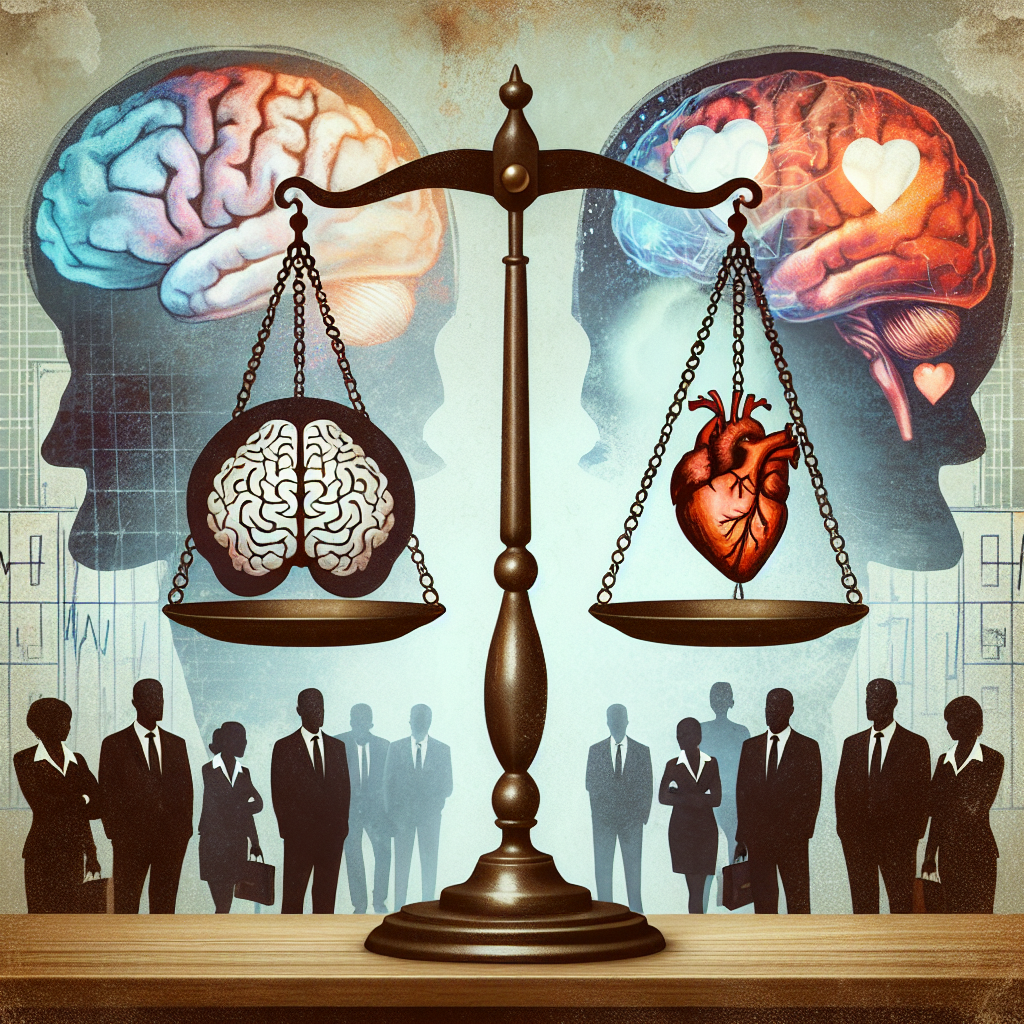
In the intricate world of law, where the stakes can mean the difference between freedom and imprisonment, the decision-making process stands as a dual-edged sword—emotion and rationality wield their influence in equal measure. Whether in a courtroom drama or a legal brief, the role of emotion vs. rationality in legal decision-making shapes not just outcomes, but also the narratives that define our understanding of justice. This fascinating interplay between feelings and logic raises essential questions: How do emotions guide a judge’s ruling or sway a jury’s verdict? And can rationality truly hold the reins in a system often grounded in human experience?
In this article, we will delve deep into these dynamics, utilizing case studies to explore how they manifest in real-world situations. We will also map out findings aligned with psychological and legal theories to understand how emotion and rationality harmoniously (or discordantly) coexist in legal decision-making.
Understanding Emotion and Rationality
Defining Emotion in Legal Context
Emotion encompasses the intuitive, instinctive reactions we have in response to experiences, situations, or even narratives. In the courtroom, emotional appeals are often employed to sway jurors or elicit sympathy for defendants.
For example, consider a criminal trial where a defendant’s background, personal struggles, and compelling stories are presented. These narratives aim to extract empathy, hoping they touch the jurors’ hearts, thus influencing their judgment.
Defining Rationality in Legal Context
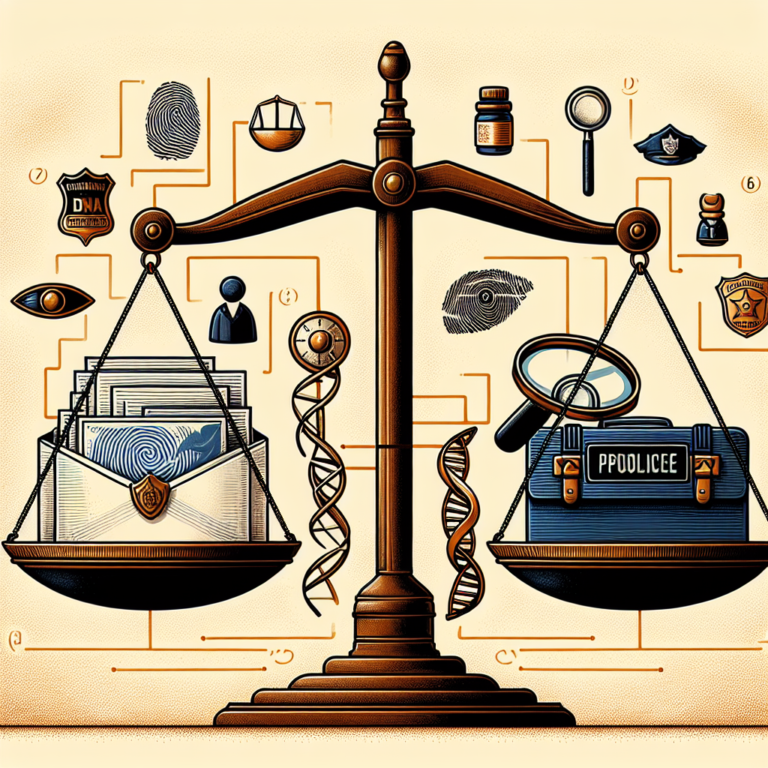
Rationality, in contrast, is grounded in logic, reason, and facts. It involves systematically analyzing evidence, applying legal doctrines, and adhering to precedents. Judges and lawyers strive for rationality to ensure fair decision-making based on established laws and guidelines.
The Balance Between Emotion and Rationality
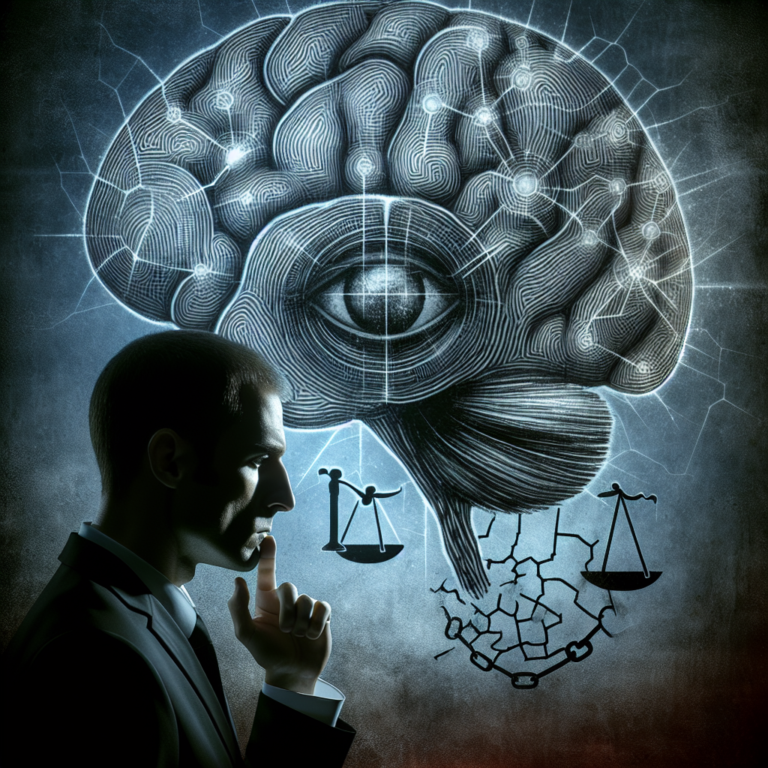
The role of emotion vs. rationality in legal decision-making invites us to investigate how these two elements vie for dominance. Emotional narratives can cloud judgment, leading to biased decisions, while stark rational analysis can seem excessively cold and detached, ignoring the very human elements central to many cases.
Case Study: The Trial of O.J. Simpson
One of the most famous legal battles in American history, the trial of O.J. Simpson, exemplifies the tumultuous dance between emotion and rationality. The prosecution built a case largely reliant on forensic evidence, aiming for a rational conclusion of guilt. Yet, Simpson’s defense cleverly engaged the emotions of jurors, highlighting deep-seated racial tensions and framing the narrative within a broader societal context.
This trial demonstrated how the role of emotion vs. rationality in legal decision-making can tilt the scales of justice. Many who followed the case noted how jurors’ emotions—stemming from social context—played a crucial role in their acquittal decision, despite what many considered ample evidence of guilt.
The Psychological Underpinnings of Legal Decision-Making
Cognitive Biases
Cognitive biases are systematic patterns of deviation from norm or rationality in judgment. They can severely impact legal decisions. Biases such as confirmation bias, where individuals favor information that supports their pre-existing beliefs, can distort perceptions of evidence.
Emotional Intelligence in Judges and Lawyers
Judges’ emotional intelligence—the ability to recognize, understand, and manage emotions—plays a critical role in legal decision-making. A judge possessing high emotional intelligence may better discern the emotional undertones within cases, allowing them to render decisions that consider both the facts and the human elements involved.
The Dual-Process Theory
The dual-process theory proposes that there are two systems of thinking: one that is fast, automatic, and emotional (System 1), and another that is slower, more deliberative, and logical (System 2). Understanding how these processes interact provides unique insights into the role of emotion vs. rationality in legal decision-making.
- System 1: Quick judgments based on previous experiences or feelings about a case.
- System 2: The rigorous evaluation of presented evidence and logical reasoning.
Many legal professionals navigate this complex terrain, often toggling between the two systems, sometimes to their peril.
Chart: Cognitive Biases Affecting Legal Decision-Making
| Bias Type | Description | Impact on Legal Decision-Making |
|---|---|---|
| Confirmation Bias | Focusing on evidence that confirms pre-existing beliefs | Leads to selective use of evidence |
| Anchoring Bias | Relying too heavily on the first piece of information | Can skew initial judgments |
| Overconfidence Effect | Believing oneself to be more knowledgeable than they are | Can result in poor decision-making |
| Affect Heuristic | Making judgments based on emotional responses | May overshadow logical analysis |
| Sympathy Bias | Feeling more lenient towards those with relatable stories | Can cloud objectivity in legal outcomes |
The Role of Juror Emotions
Emotional Appeals in the Courtroom
The importance of emotional appeals is especially evident during jury trials. Lawyers often craft narratives designed to evoke specific emotions—fear, anger, compassion—that can sway jurors to their side.
For instance, in personal injury cases, it’s not uncommon for plaintiffs to share heart-wrenching stories about their ailments, directly impacting jurors’ emotional states and potentially leading to larger settlements.
Case Study: The McDonald’s Coffee Case
The infamous case of Stella Liebeck, who sued McDonald’s after spilling hot coffee on herself, serves as a powerful example of how emotion was pivotal in the legal outcome. Initially perceived as frivolous, the story of an elderly woman suffering severe burns shifted public perception completely. The portrayal of the incident—amplified by media coverage—resulted in a jury awarding Liebeck $2.86 million in punitive damages, showcasing the undeniable impact of emotional narratives in the courtroom.
Examining Jury Dynamics
Research indicates that jurors’ decision-making can be significantly influenced by group dynamics and emotional contagion. If jurors are emotionally charged, they are more likely to engage in groupthink, which can overshadow rational discourse and lead to biased decisions.
Table: Key Factors Influencing Jury Decisions
| Factor | Description | Impact on Decision-Making |
|---|---|---|
| Group Dynamics | The influence of other jurors on individual opinions | Can lead to conformity and groupthink |
| Emotional Contagion | The spread of emotions among jurors | Can amplify emotional biases |
| Sympathy and Identification | Jurors’ ability to connect with litigants | May lead to more favorable decisions |
The Influence of Judicial Discretion
Examples of Judicial Discretion
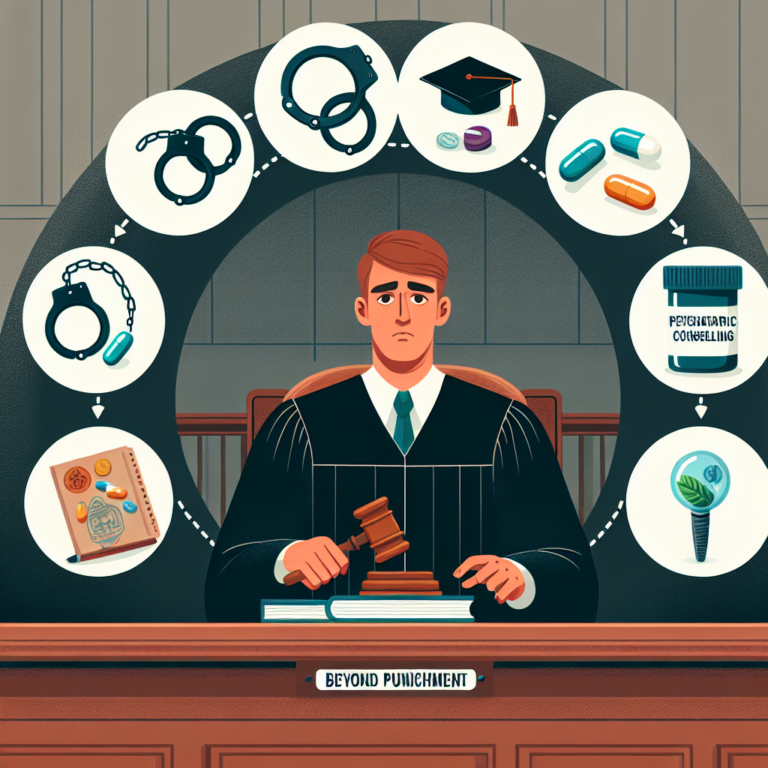
Judicial discretion refers to the power judges have to make decisions based on their interpretations of law and individual cases. This inherent subjectivity means that emotions can infiltrate rational decision-making, leading to variable outcomes based on a judge’s personal beliefs, experiences, or emotional state.
Case Study: Sentencing Disparities
Consider the sentencing disparities seen in drug-related cases. Two defendants with similar convictions may receive vastly different sentences based on the judge’s interpretation, emotional reactions, and biases. This demonstrates how the judicial process is not only a rational evaluation of law but also an emotional engagement with the cases that come before a judge.
Addressing Judicial Bias
Many jurisdictions have recognized the potential impact of emotion and are taking steps to mitigate bias. Training programs aimed at promoting emotional awareness and reducing implicit biases can help enhance fairness in legal outcomes.
Table: Strategies to Mitigate Emotional Bias in Judicial Discretion
| Strategy | Description |
|---|---|
| Implicit Bias Training | Education to recognize and counteract biases |
| Structured Decision-making | Clear guidelines to minimize subjective judgments |
| Use of Sentencing Guidelines | Standardized frameworks for more consistent outcomes |
Conclusion: Finding the Balance
As we navigate the complex waters of legal decision-making, the role of emotion vs. rationality in legal decision-making remains a central theme. It’s clear that emotions can both aid and hinder judicial outcomes, creating a delicate balance between compassion and rationality.
The key takeaway is that emotional intelligence and an understanding of cognitive biases can enhance the integrity of legal decision-making. By embracing both rationality and emotion, we move towards a more empathetic judicial system—one that acknowledges the human experience while remaining anchored in fairness and justice.
Final Thoughts
In concluding this exploration, it’s crucial to advocate for a legal culture that recognizes the interplay between emotion and rationality. Legal stakeholders—including judges, lawyers, and jurors—must strive to understand, appreciate, and balance these forces. The road ahead may be challenging, but ethical legal decision-making can harmoniously accommodate both the heart and the mind.
FAQs
1. How do emotions impact jury decisions?
Emotions can significantly alter juror perceptions, often leading them to make decisions based on feelings rather than facts. Emotional appeals, such as compelling narratives, can sway opinions and even result in higher damages awarded.
2. Can emotional intelligence improve legal outcomes?
Yes, emotional intelligence allows judges and attorneys to better understand the emotional context of cases, leading to more empathetic and fair decisions.
3. What role do cognitive biases play in legal decision-making?
Cognitive biases can distort a legal professional’s judgment, leading to selective evidence recognition, reliance on first impressions, or overly harsh or lenient judgments.
4. How can the judicial system balance emotion and rationality?
Through training in emotional awareness, structured decision-making frameworks, and adherence to sentencing guidelines, the judicial system can create a more balanced approach to legal decision-making.
5. Are there consequences for allowing emotion to outweigh rationality?
Yes, allowing emotion to dominate can lead to unjust outcomes, including biased sentencing or verdicts based on empathy rather than evidence, which undermines the integrity of the legal process.
By cultivating an environment that acknowledges both emotion and rationality, we can inspire better legal outcomes for all involved, making for a more just and equitable society.
About the Author