Introduction
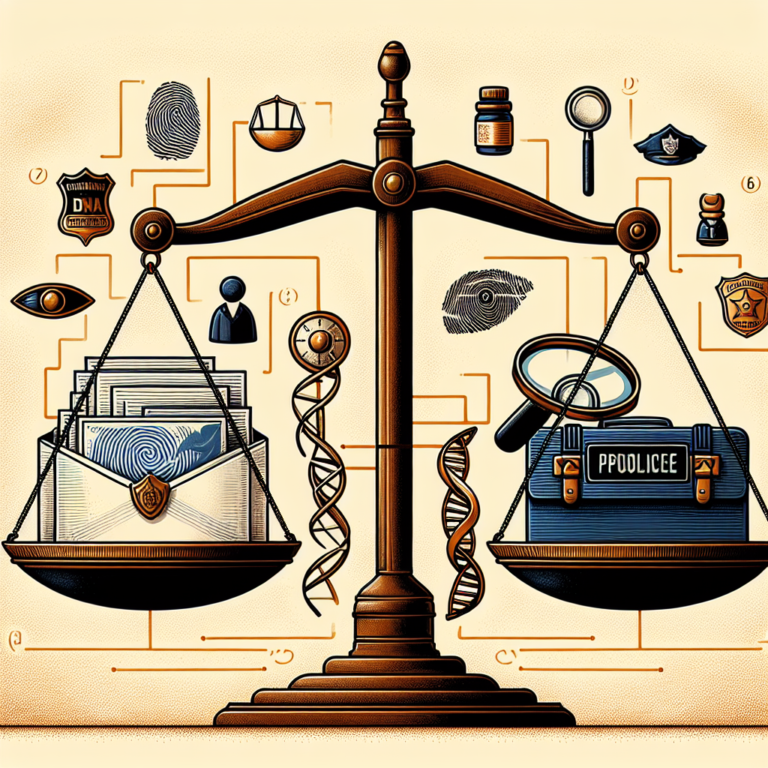
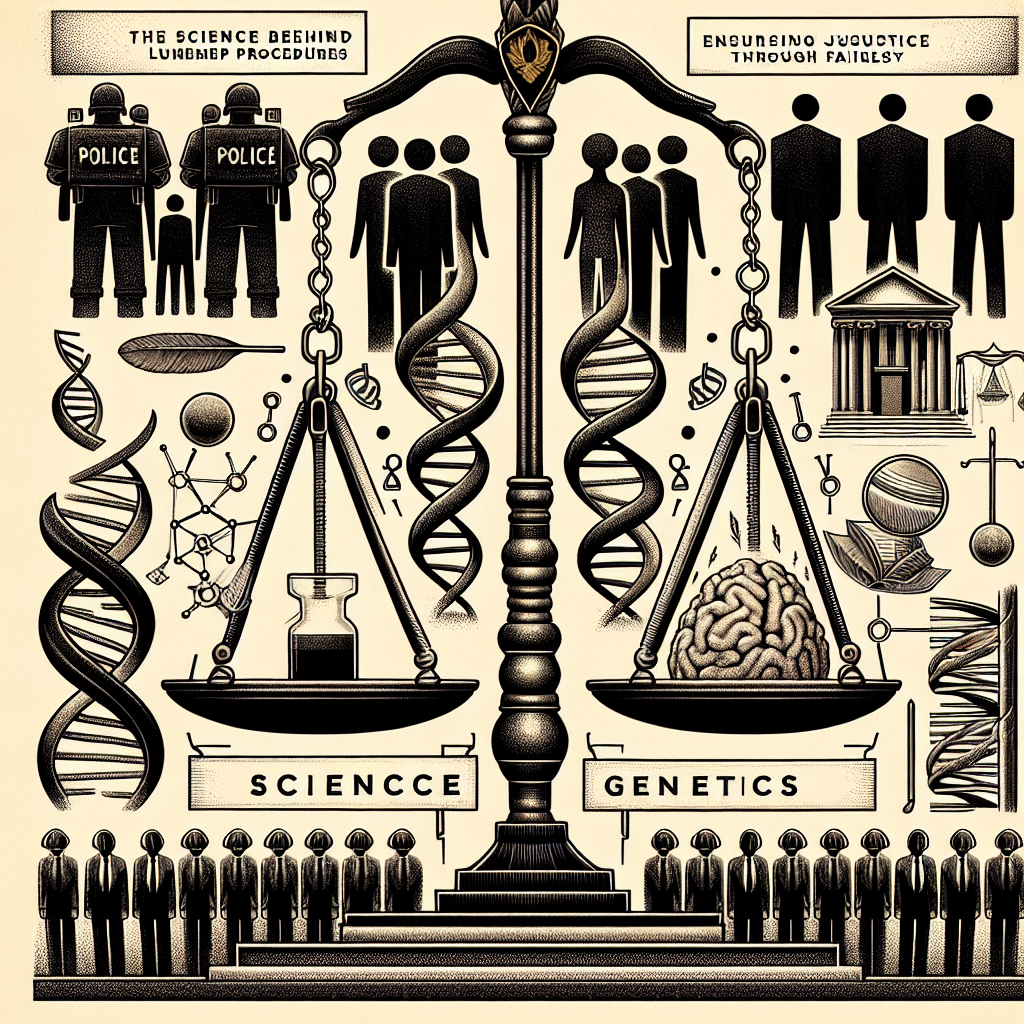
In the pursuit of justice, no element is more crucial than the accuracy of eyewitness identification. The science behind lineup procedures—a cornerstone of legal investigations—plays an essential role in determining whether the right individual is brought to justice or wrongfully convicted. Recent studies reveal shocking statistics about mistaken identifications, emphasizing that the integrity of lineup procedures directly correlates with the fairness of judicial outcomes. This article delves into The Science Behind Lineup Procedures: Ensuring Justice Through Fairness, revealing the intricacies involved, the psychological underpinnings, and the reforms needed to safeguard the innocent.
Understanding Lineup Procedures
What Are Lineup Procedures?
Lineup procedures consist of presenting a witness or victim with a group of individuals (sometimes referred to as "foils" or "distractors") that includes a single suspect. These procedures can occur through various formats, such as live lineups, photo arrays, or video lineups. The effectiveness of these procedures can significantly impact the outcome of criminal cases.
Types of Lineup Procedures
- Live Lineup: A physical presentation of individuals in person.
- Photo Array: Images of individuals presented to the witness.
- Showup: A one-on-one identification shortly after an event.
- Video Lineup: Subject presented in a digital format, often within a narrative context.
Each method has its strengths and weaknesses, creating different implications for eyewitness reliability.
The Psychological Aspects of Eyewitness Identification
Memory and Its Fallibility
Human memory is far more malleable than many believe. Research shows that our memories can be influenced by external factors such as suggestion and confidence. For instance, studies have indicated that merely being exposed to misleading information after an event can distort a person’s recollection.
Table 1: Factors Influencing Eyewitness Memory
| Factor | Description |
|---|---|
| Stress Levels | High stress can impair memory accuracy. |
| Suggestive Questioning | Leading questions can alter recollection. |
| Confidence Misalignment | A confident witness may still be incorrect. |
| Environmental Context | Familiar settings can enhance recall. |
The Impact of Bias
Factors such as racial bias and prior knowledge can compromise the fairness of lineup procedures. Research conducted by researchers at the University of Virginia indicated that witnesses often demonstrate a bias toward identifying individuals of the same ethnicity or race, further complicating the integrity of eyewitness accounts.
Case Studies: When Lineup Procedures Fail
Case Study 1: The Wrong Man
In 1984, Ronald Cotton was wrongfully convicted of rape in North Carolina. The victim identified him from a photo lineup despite significant differences between his appearance and that of her assailant. This case underscores the dramatic consequences of compromised lineup procedures.
- Relevance: The reliance on flawed eyewitness testimony in Cotton’s conviction illustrates the need for reform in lineup practices.
Case Study 2: A Lesson from California
A 2004 case involving a robbery conviction in California revealed similar issues. The witness confidently identified the suspect in a photo lineup. However, DNA evidence later exonerated him, revealing that the lineup administrator had inadvertently suggested the identity of the suspect.
- Relevance: This case highlights the importance of proper administration and the psychological pitfalls that can undermine the integrity of lineup procedures.
Best Practices for Lineup Procedures
Establishing Clear Guidelines
Comprehensive protocols concerning the lineup process can help mitigate issues of unfairness and wrongful identification. The following best practices can strengthen lineup integrity:
- Double-Blind Administration: The lineup should be conducted by an officer unaware of the suspect’s identity to prevent unintentional cues.
- Standardized Instructions: Clear, neutral instructions can reduce suggestibility and help focus the witness’s attention.
Implementing Technology
With technological advancements, digital lineups allow for more controlled and standardized environments. Computer-generated lineups can adjust for variables like visibility and proximity, further enhancing the fairness of the procedure.
Chart 1: Technology Adoption in Lineup Procedures (2010-2020)
| Year | Percentage of Agencies Using Digital Lineups |
|---|---|
| 2010 | 20% |
| 2015 | 40% |
| 2020 | 75% |
Community and Legal Reforms
Engaging Advocates and the Public
Public awareness campaigns and community education on the importance of fair lineup procedures can help garner support for reform. Involvement from advocacy groups can drive essential discussions in legislative domains.
Legal Standardization
Legal frameworks need consistent standards across jurisdictions. States should adopt uniform procedures that reflect the best practices currently supported by empirical data.
Conclusion
The Science Behind Lineup Procedures: Ensuring Justice Through Fairness is a multi-faceted endeavor that intersects psychology, law enforcement, and community engagement. By prioritizing scientifically validated practices, we can significantly reduce errors in eyewitness identification, ultimately protecting the innocent while ensuring true justice prevails.
Motivational Takeaway
When it comes to matters of justice, even one wrongful conviction is one too many. By advocating for fair lineup procedures rooted in science, we can help create a more just society for all.
FAQs
1. What is the most effective type of lineup?
The effectiveness of a lineup often depends on the circumstances of the case and the witness’s confidence levels. Live lineups generally yield better identification accuracy, but each method has its pros and cons.
2. How can bias in lineup procedures be mitigated?
By implementing double-blind administration and standardized instructions, law enforcement can reduce bias and enhance the fairness of the identification process.
3. Are eyewitness accounts reliable?
Eyewitness accounts can be problematic due to memory fallibility and suggestibility. However, when pursued through scientifically informed procedures, they can still be reliable.
4. What role does technology play in lineup procedures?
Technology can provide more controlled environments for lineups, helping to standardize procedures and minimize human error during the selection process.
5. Why should communities advocate for better lineup procedures?
Communities have a stake in the criminal justice system. By pushing for scientifically sound lineup practices, they can ensure that justice is not just timely but also accurately meted out.
This comprehensive look into The Science Behind Lineup Procedures: Ensuring Justice Through Fairness underscores the need for constant evaluation and reform in a critical component of our justice system. With each improvement made, we move closer to a level playing field for all involved.
About the Author