Introduction
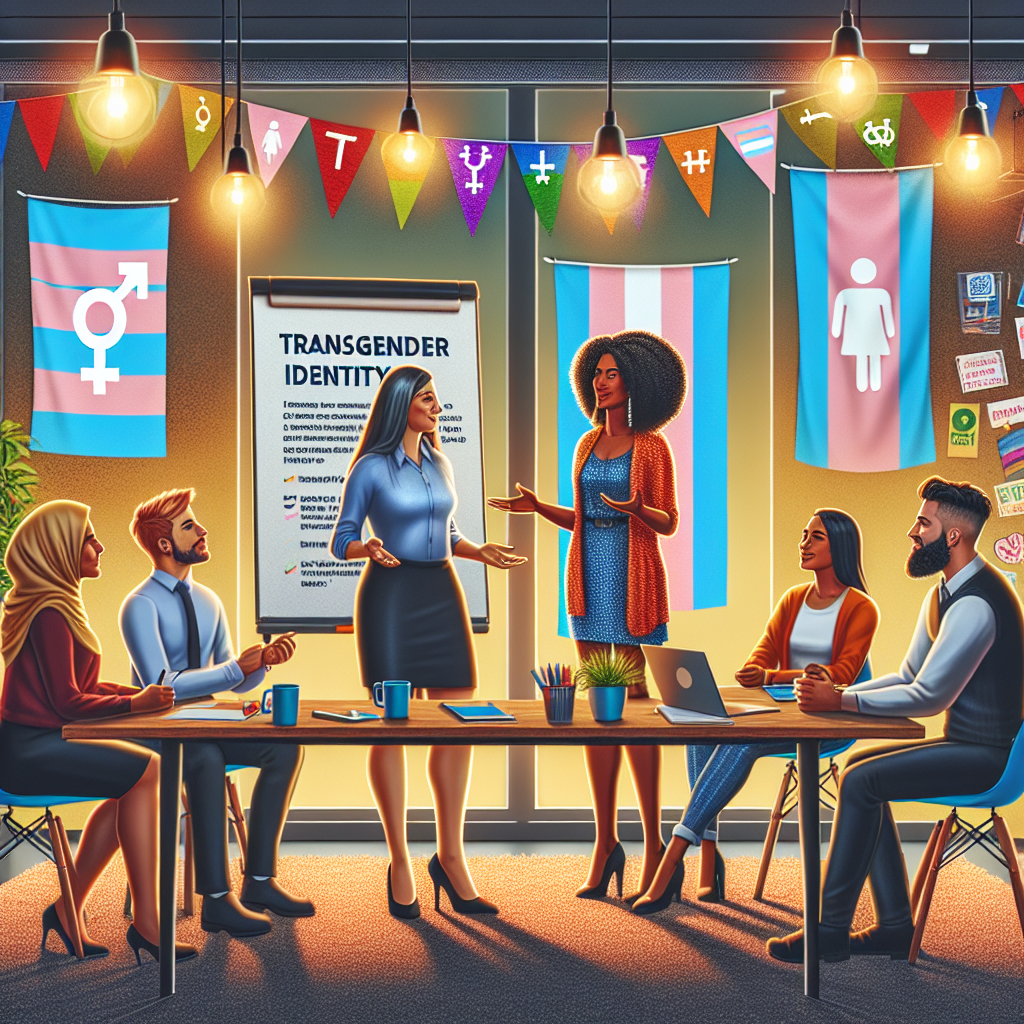
In today’s diverse society, understanding transgender identity in the workplace has never been more critical. With conversations around gender identity gaining momentum, businesses are called upon to create inclusive environments that foster respect and acceptance. By addressing the challenges faced by transgender individuals and implementing proactive measures, organizations can cultivate a culture where everyone feels valued and supported. In this article, we will explore the essential aspects of transgender identity in the workplace, highlighting actionable strategies to create inclusive environments.
Understanding Transgender Identity: A Foundation for Inclusivity
Transgender individuals are those whose gender identity differs from the sex they were assigned at birth. This sector of the population encompasses a wide variety of experiences and expressions. Understanding these identities is crucial to developing supportive practices in the workplace.
The Spectrum of Gender Identity
Gender identity is not binary; it exists on a spectrum. Recognizing this complexity is essential for creating an inclusive workplace. Organizations must educate employees about different identities, such as non-binary, genderqueer, and genderfluid individuals.
A Case Study: Google’s Commitment to Inclusivity
In 2014, Google made headlines by introducing a comprehensive Diversity and Inclusion Strategy that explicitly included gender identity and expression. The company engaged in training programs focusing on LGBTQ+ awareness, significantly increasing employee engagement and job satisfaction. When employees feel seen and respected, productivity rises. Google’s example serves as a blueprint for other organizations striving to foster inclusivity.
Why Inclusivity Matters
The Impact of Discrimination on Transgender Employees
A study conducted by the Williams Institute indicates that over 46% of transgender individuals have experienced discrimination in the workplace. This discrimination can manifest through microaggressions, exclusion from team activities, or outright termination. Such experiences can lead to chronic stress, impacting mental health and job performance.
The Business Case for Inclusivity
Creating inclusive environments is not just a moral imperative; it also makes good business sense. Companies that embrace diversity report improved team performance, increased innovation, and superior financial outcomes. Employees are more likely to be loyal to organizations that reflect their values, driving retention rates and enhancing overall workplace culture.
A Case Study: Deloitte’s LGBTQ+ Inclusion Strategy
Deloitte launched an initiative focused on LGBTQ+ inclusivity, emphasizing both training programs and support networks for transgender employees. Their commitment led to recognition as one of the best places to work for LGBTQ+ individuals. Consequently, Deloitte experienced a notable increase in talent retention and employee satisfaction ratings.
Steps Toward Creating Inclusive Environments
Implementing policies that support transgender identity in the workplace involves a multi-faceted approach. Here are some actionable steps organizations can take:
1. Comprehensive Policy Development
First and foremost, organizations should develop comprehensive non-discrimination policies that explicitly include gender identity and expression. This policy must apply to all facets of employment, from hiring practices to benefits.
2. Training and Education
Regular training sessions that educate employees on gender identity and inclusivity can foster understanding and empathy. This should be part of a larger commitment to diversity training that includes intersecting identities.
| Training Type | Objectives |
|---|---|
| Initial Orientation | Introduce concepts of gender identity |
| Ongoing Workshops | Foster deeper understanding through scenarios |
| Leadership Training | Equip leaders to support diverse teams |
3. Supporting Name and Pronoun Use
Companies should create protocols to allow employees to share their preferred names and pronouns. This simple step can affirm an employee’s identity, making them feel seen and respected.
4. Creating Safe Spaces
Establishing support groups or resource centers can serve as safe spaces for LGBTQ+ employees. These spaces provide forums for discussion and community-building, leading to enhanced workplace relationships.
5. Regular Feedback and Adaptation
Inclusive practices are not static. Regularly soliciting feedback from transgender employees helps companies understand their experiences and adapt policies accordingly. Organizations should create anonymous channels for this feedback to ensure honesty without fear of repercussions.
Realizing Gender-neutral Facilities
One important aspect of creating an inclusive workplace for transgender individuals is access to gender-neutral facilities. Ensuring that bathrooms and changing rooms are available to everyone, regardless of gender identity, helps to reduce feelings of exclusion and promotes safety.
A Case Study: The City of San Francisco
The City of San Francisco has led the way by implementing gender-neutral facilities in all city buildings. This initiative has significantly reduced complaints from transgender individuals and enhanced the overall inclusivity of the work environment.
Monitoring Progress and Evaluating Success
Inclusivity policies should come with measurable outcomes. Companies must develop metrics to assess their success in promoting transgender identity in the workplace. Regular surveys and performance evaluations can capture the effectiveness of the implemented strategies.
Metrics for Success
| Metric | Description |
|---|---|
| Employee Retention Rates | Track retention rates of LGBTQ+ employees |
| Job Satisfaction Surveys | Regularly survey employees on their inclusivity experience |
| Training Participation Rates | Monitor attendance and participation in training sessions |
A Case Study: Accenture’s Inclusivity Metrics
Accenture utilizes analytics to monitor inclusivity in its workforce. By tracking recruitment, retention, and advancement rates of LGBTQ+ employees, the company demonstrates a commitment to transparency and accountability.
Challenges and Solutions
Despite the best efforts, challenges persist in creating inclusive environments. Here are some common issues organizations may face, along with potential solutions:
1. Resistance to Change
Some employees may resist diversity training or inclusive policies. To combat this, leaders should communicate the benefits of inclusivity clearly and address misconceptions directly.
2. Tokenism
There is a risk of organizations engaging in tokenism—offering superficial support without enacting meaningful change. To avoid this, companies must ensure that their inclusivity efforts permeate every level of the organization, becoming ingrained in the culture.
Conclusion
Transgender identity in the workplace is an evolving dialogue that requires education, empathy, and actionable strategies. Creating inclusive environments takes time and commitment but opens up a world of benefits not only for employees but also for organizations. By implementing thoughtful policies, educating staff, and fostering open communication, businesses can cultivate a culture that supports and uplifts transgender individuals.
Motivational Takeaway
Every step taken toward inclusivity counts, and while the path may not always be linear, it is undeniably worthwhile. Encouraging respect and understanding among all employees paves the way for groundbreaking innovations and a more productive workplace.
FAQs
1. What is transgender identity?
Transgender identity refers to individuals whose gender identity differs from the sex they were assigned at birth. This can include a wide spectrum of identities beyond the gender binary.
2. Why is inclusivity important in the workplace?
Inclusive workplaces lead to improved employee satisfaction, higher retention rates, and enhanced team performance. Diversity drives creativity and innovation, making inclusivity a smart business decision.
3. How can organizations support transgender employees?
Organizations can support transgender employees by developing comprehensive policies, creating safe spaces, offering training sessions, and implementing protocols for preferred names and pronouns.
4. What challenges do transgender individuals face in the workplace?
Transgender individuals often face discrimination, bias, and a lack of understanding from colleagues and leadership. These challenges can lead to job insecurity, stress, and mental health issues.
5. How can companies measure their inclusivity efforts?
Companies can create metrics to assess the effectiveness of their inclusivity efforts by tracking employee retention rates, job satisfaction, and participation in training programs.
By exploring the transformative power of acknowledging and supporting transgender identity in the workplace, organizations can not only enhance their internal culture but also contribute to a more just and understanding society at large.
About the Author