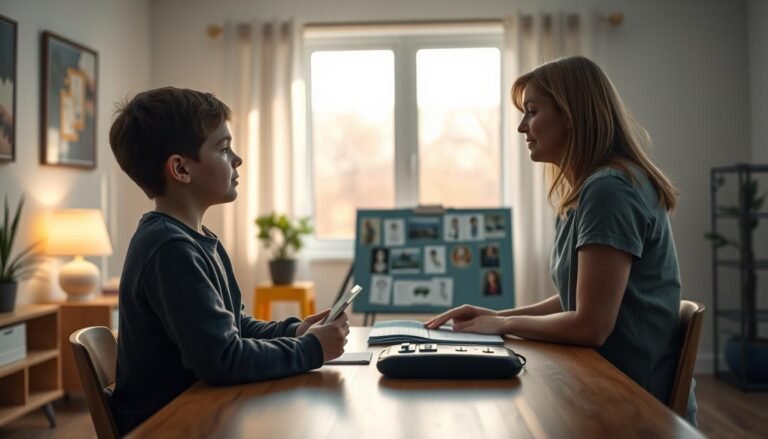
Unlocking Communication: Essential Tools and Techniques for Managing Auditory Processing Disorder
Introduction
Auditory Processing Disorder (APD) can be a silent disruptor in a person’s life, affecting communication and social interactions in profound ways. Combatting APD isn’t simply a matter of adjusting how one listens; it requires a multifaceted approach that empowers individuals to unlock their full communicative potential. In this article, we delve into Unlocking Communication: Tools and Techniques for Managing Auditory Processing Disorder, offering unique, valuable insights and actionable strategies to aid in effective communication.
Understanding Auditory Processing Disorder
What is Auditory Processing Disorder?
Auditory Processing Disorder relates to how the brain interprets sounds. While a person with APD may have normal hearing, they struggle to make sense of sounds in a noisy environment or follow verbal instructions. Understanding APD is the first step toward unlocking effective communication techniques.
Signs and Symptoms of APD
Identifying APD can often be challenging. Signs may include:
- Difficulty understanding spoken instructions
- Frequently asking for repetition
- Trouble following conversations in noisy settings
- Difficulty with distinguishing similar-sounding words
Recognizing these symptoms is crucial in pinpointing solutions aimed at managing APD effectively.
Tools for Managing Auditory Processing Disorder
1. Assistive Listening Devices
Assistive listening devices (ALDs) can profoundly change the way individuals engage with the world. These tools amplify sounds directly to the listener, minimizing background noise. Some popular options include:
| Device Type | Description | Use Case |
|---|---|---|
| FM Systems | Wireless transmitters that amplify specific sounds | Classroom settings to support learning |
| Induction Loop Systems | Convert sound into electromagnetic signals | Public spaces like theaters or museums |
| Personal Amplifiers | Compact devices used for one-on-one conversations | Everyday interactions in noisy environments |
Case Study: Classroom Integration of FM Systems
In a typical middle school setting, a student named Alex struggled with following lessons. After implementing an FM system, teachers noticed a significant improvement in Alex’s grasp of instructions, leading to better academic performance. This case exemplifies the effectiveness of Unlocking Communication: Tools and Techniques for Managing Auditory Processing Disorder in educational contexts.
2. Speech and Language Therapy
Engaging with speech and language therapists is one of the most effective methods to manage APD. These professionals provide tailored exercises that enhance auditory discrimination, comprehension, and memory skills.
Case Study: Tailored Therapy Sessions
Emily, a five-year-old diagnosed with APD, attended weekly therapy sessions focused on phonemic awareness. With time, she began showing marked improvement in her ability to follow verbal instructions. Regular check-ins allowed her therapist to adjust approaches based on Emily’s progress, emphasizing the personalization vital to Unlocking Communication: Tools and Techniques for Managing Auditory Processing Disorder.
3. Environmental Modifications
Creating a conducive auditory environment can significantly affect communication outcomes for individuals with APD. Here’s how to make changes:
Noise Reduction Techniques:
- Use rugs and curtains to dampen sound.
- Arrange furniture to minimize echo effects.
- Opt for quiet spaces for conversations.
These modifications can drastically improve comprehension and engagement, contributing to a more positive communication experience.
4. Organizational Tools
Utilizing organizational methods can streamline information processing:
- Visual Aids: Charts and diagrams can aid in understanding.
- Note-taking Apps: Using technology such as speech-to-text apps helps individuals review material at their own pace.
These organizational tools unlock a clearer pathway for understanding and managing information flow, crucial for those dealing with APD.
Techniques for Enhancing Communication
1. Active Listening Skills
Teaching active listening emphasizes the importance of being present in conversations. Techniques include:
- Maintaining eye contact
- Nodding to show understanding
- Asking clarifying questions
These strategies not only enhance the speaker’s confidence but also create a richer dialogue, essential for Unlocking Communication: Tools and Techniques for Managing Auditory Processing Disorder.
2. Clear Communication Practices
Simple adjustments in how we communicate can yield significant results:
- Use shorter sentences.
- Avoid complex vocabulary when unnecessary.
- Be explicit about expectations in conversations.
These practices foster an environment where individuals with APD feel less overwhelmed and more willing to engage.
3. Visual Supports and Technology
Incorporating technology and visual supports can aid comprehension:
- Communication Boards: Useful in situations where verbal communication is a challenge.
- Apps and Software: Programs that focus on auditory training can enhance everyday life.
4. Social Skills Training
Social skills workshops can provide a safe space for people with APD to practice communication in a structured environment. This setting not only builds confidence but also encourages the use of effective strategies learned in therapy or sessions with professionals.
Case Study: Group Workshops
A local community center introduced social skills workshops, which included individuals with APD. The result? Participants reported increased ease in interactions outside structured environments, highlighting the efficacy of combining social skill expansion with Unlocking Communication: Tools and Techniques for Managing Auditory Processing Disorder.
Additional Strategies for Families and Educators
1. Collaborating with Teachers
Educators play a pivotal role in supporting students with APD. Providing teachers with training on APD characteristics and effective communication strategies can make a significant difference in student engagement and success.
2. Family Support Networks
Support networks foster a sense of community for families dealing with APD. Engaging with local organizations can provide resources, workshops, and a platform for experience-sharing.
3. Online Resources
Several online communities offer valuable tools and insights. From forums to webinars, these platforms serve as an extension of support, guiding families as they navigate the challenges of APD.
Conclusion
Understanding and managing Auditory Processing Disorder is essential for opening up communication channels that may otherwise remain closed. Through Unlocking Communication: Tools and Techniques for Managing Auditory Processing Disorder, we can empower individuals with tailored strategies and resources. By advancing in speech therapy, employing assistive devices, and fostering supportive environments, we create pathways for rich interaction and understanding.
As we journey through this exploration, let’s embrace compassion, patience, and resilience—not only in our efforts but in our conversations with one another. Communication is a bridge. Let’s construct it together.
FAQs
1. What is Auditory Processing Disorder (APD)?
APD is a neurodevelopmental disorder where individuals may hear sounds normally but struggle to process and interpret them.
2. How can APD be diagnosed?
Diagnosis often involves comprehensive auditory assessments and evaluations by audiologists and speech-language pathologists.
3. What are common misconceptions about APD?
A prevalent misconception is that individuals with APD have hearing loss; however, they typically have normal hearing abilities.
4. Are there any specific age groups more affected by APD?
APD can affect individuals of all ages, but it is often diagnosed in children, particularly when they struggle in educational settings.
5. Can technology help in managing APD?
Yes, various assistive technologies such as FM systems and specific apps can significantly assist in managing everyday communication challenges.
6. How can families support loved ones with APD?
Families can provide emotional support, raise awareness about APD within the community, and collaborate with professionals for additional resources.
By utilizing this guide on Unlocking Communication: Tools and Techniques for Managing Auditory Processing Disorder, readers can embark on their journey toward more effective communication, equipped with valuable tools and hope for a brighter future.
About the Author


Dr. Leah Howard, Positive Psychology
Dr. Howard is a researcher and advocate for positive psychology, focusing on human strengths, happiness, and well-being. Her writings explore how people can cultivate a positive mindset, improve resilience, and develop emotional intelligence to live fulfilling lives.