Introduction
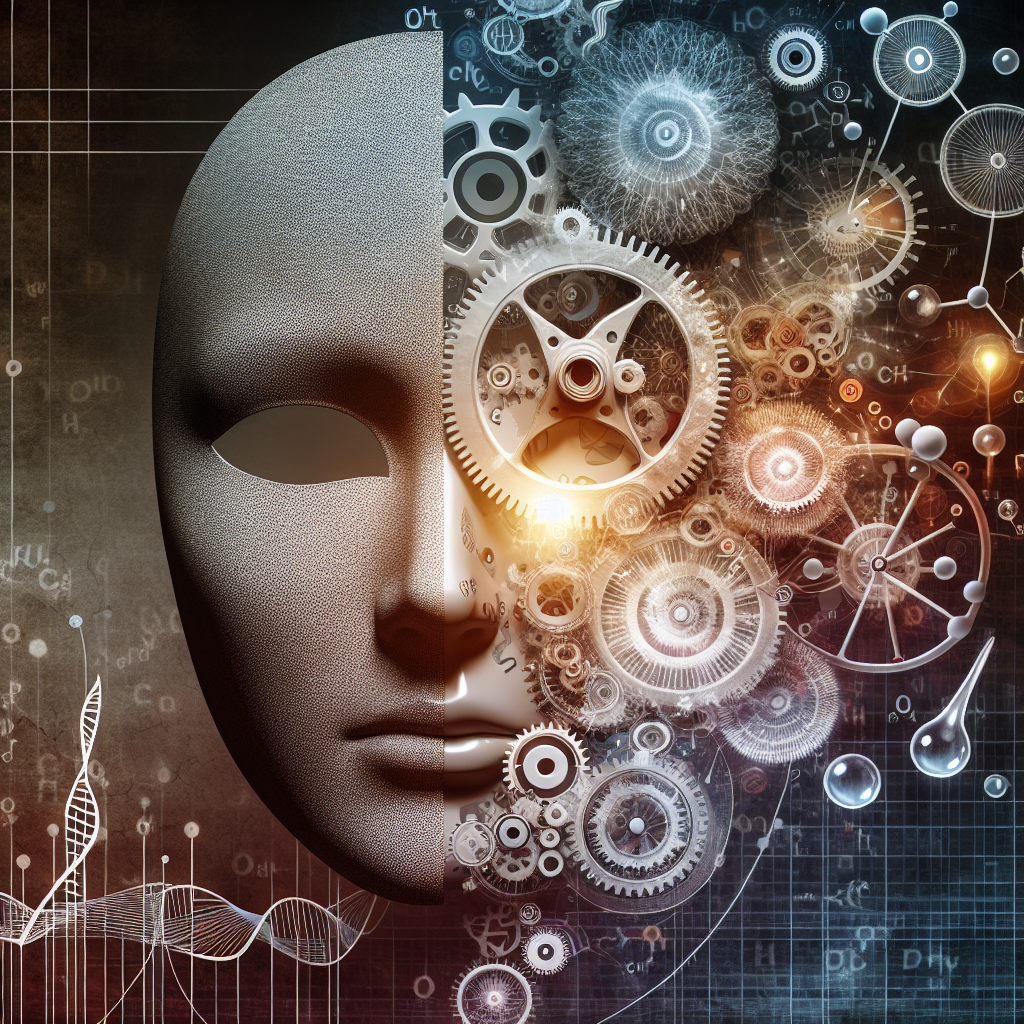
In an age of misinformation and digital deception, the ability to discern truth from lies has never been more crucial. The phrase "Unmasking Lies: The Science Behind Deception Detection" encapsulates a field that merges psychology, neuroscience, and behavior analysis to unveil the intricacies of human dishonesty. Imagine walking into a room where every smile might conceal ulterior motives, and every word may be carefully crafted to mislead. As our lives become increasingly intertwined with technology and fast communication, mastering the art and science of detecting deception has become essential for personal integrity, professional success, and societal trust.
Understanding Deception: The Basics
What is Deception?
At its core, deception involves the act of misleading someone. It can be intentional or unintentional and manifests in various forms—white lies, exaggerations, and outright fabrications. Understanding the mechanisms behind these dishonest behaviors is crucial.
The Psychology of Lies
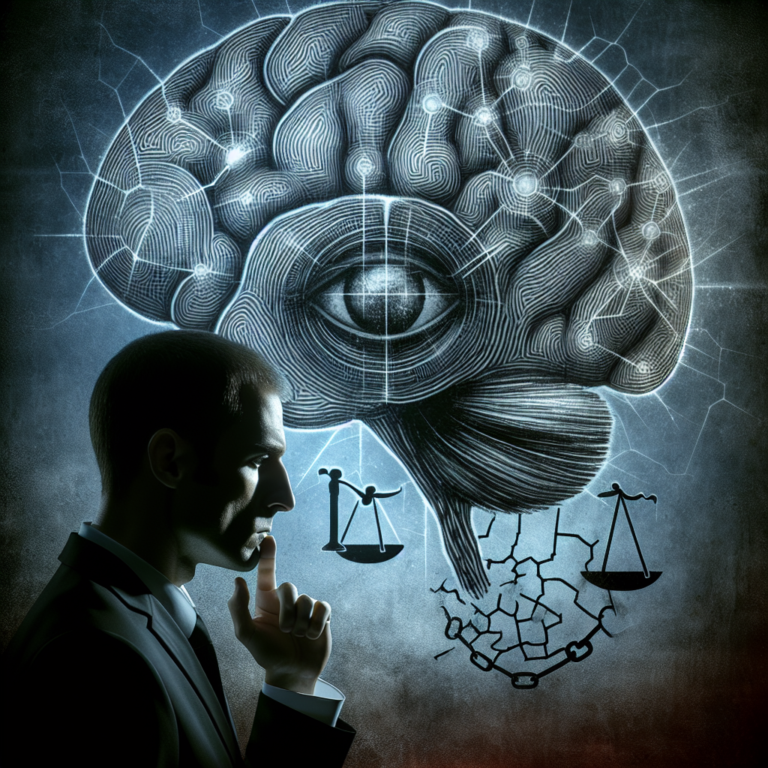
Psychological studies reveal that lying can be driven by fear, self-interest, or the desire to protect others. Cognitive dissonance—the mental discomfort experienced when holding contradictory beliefs—often compels individuals to lie. This inner conflict can produce telltale signs, which researchers have endeavored to identify through various methods.
The Science Behind Deception Detection
Biological Indicators of Lying
Research shows that physiological responses often accompany deception. When lying, individuals may experience increased heart rates, perspiration, and behavioral changes. Understanding these biological markers is integral to the study of deception.
| Biological Indicator | Possible Interpretation |
|---|---|
| Increased Heart Rate | Stress or anxiety |
| Sweating | Elevated stress levels |
| Pupil Dilation | Cognitive load and arousal |
Behavioral Cues
Facial Expressions
Facial expressions can be a reliable indicator of deception. Microexpressions—brief, involuntary facial expressions—often reveal genuine emotions competing against the fabricated ones. Researchers like Paul Ekman have dedicated their careers to studying these fleeting expressions, giving us tools to detect dishonesty.
Body Language
Body language provides another layer of deception detection. Fidgeting, inconsistent gestures, or a lack of eye contact can signal unease and dishonesty. However, cultural variations complicate this interpretation; what may indicate discomfort in one culture could be seen as respectful in another.
Technological Avenues for Detection
Advancements in technology have opened new frontiers in deception detection. Tools such as polygraph machines and voice stress analyzers aim to identify the physiological signals associated with lying. However, their reliability is often debated.
Polygraphs: The Controversial Tool
Polygraphs measure physiological responses—heart rate, blood pressure, and perspiration—believed to be linked to deception. While they are widely used in law enforcement, their accuracy and ethical implications have raised concerns about their efficacy in real-world applications.
Case Study: The Polygraph’s Efficacy
In a significant study evaluating the accuracy of polygraphs, researchers found that while they can yield some reliable results, the ability to discern truth from lies can be unreliable due to individual variability. This case study serves to emphasize the importance of considering multiple factors in deception detection.
Real-World Applications of Deception Detection
Criminal Investigations
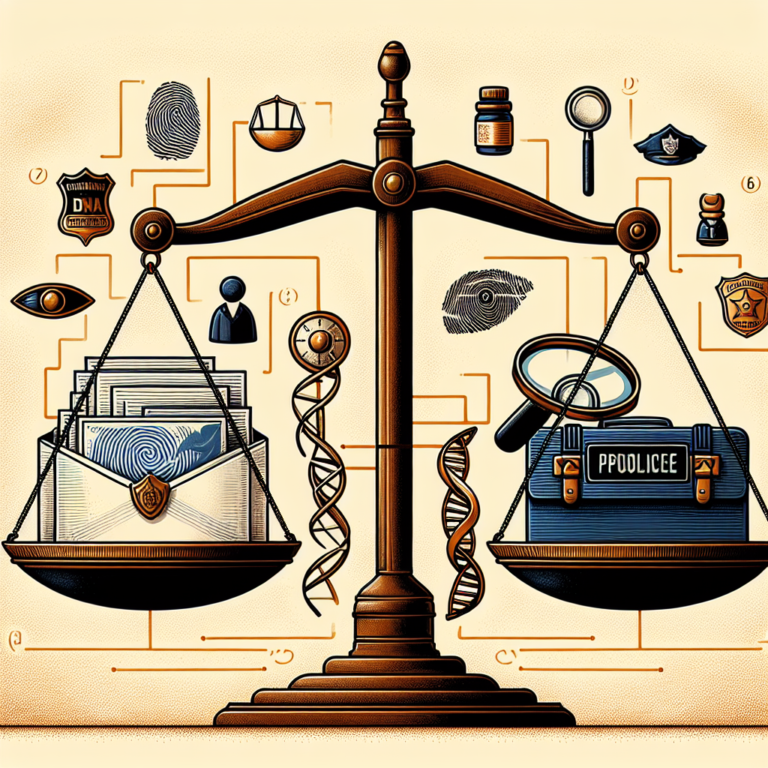
Detective work often hinges on mastering the art of deception detection. With the spotlight on high-profile cases, detectives rely on interviewing techniques that capitalize on identifying inconsistencies in a suspect’s narrative.
Case Study: The Wrongful Conviction
In a notable wrongful conviction case, police reliance on a suspect’s deceptive behaviors led to a miscarriage of justice. This case highlights the importance of corroborating evidence rather than solely relying on instinctual judgments regarding deception.
Corporate Environments
In the corporate world, deceit can lead to massive financial losses and damaged reputations. Organizations increasingly use deception detection strategies in hiring processes and internal audits to ensure transparency and honesty in their transactions.
Personal Relationships
In personal lives, being able to detect deception strengthens relationships. By cultivating emotional intelligence and awareness of non-verbal cues, individuals can better navigate trust and honesty.
Advanced Techniques in Deception Detection
Interview Techniques
Interviewing techniques heavily informed by psychology, such as the Tactical Disclosure Method, encourage interviewers to ask open-ended questions, allowing space for inconsistencies to surface. This method enables the gradual uncovering of the truth, relying on the fact that deceptive narratives often crumble under scrutiny.
Cognitive Load Theory
The Cognitive Load Theory posits that lying requires more mental resources than telling the truth. This theory suggests that when asked to recount a lie in reverse order, a person’s cognitive load increases, making it more difficult for them to maintain consistency.
Summary of Key Points
- Deception is Multifaceted: Understanding its psychological, physiological, and contextual aspects is essential.
- Biological and Behavioral Indicators: Both play crucial roles in identifying dishonesty, though they have limitations.
- Technological Tools: While they offer insights, their reliability is contested and should be used cautiously.
- Practical Applications: In criminal justice, corporate settings, and personal relationships, deception detection can foster greater trust and integrity.
Conclusion
The journey of Unmasking Lies: The Science Behind Deception Detection doesn’t end with an understanding of the indicators and tools available. It is an ongoing endeavor that requires awareness, practice, and ethical considerations. By equipping ourselves with the knowledge and techniques to identify deception, we not only protect ourselves but help cultivate a more truthful society.
FAQs
1. What are the most common signs of deception?
Common signs include inconsistent facial expressions, fidgeting, changes in speech patterns, and physiological responses like sweating.
2. Are polygraphs a reliable method of deception detection?
Polygraphs have been shown to have variable accuracy and are often debated in their reliability, with some claiming they can be misleading.
3. How can I improve my ability to detect lies?
Improving your skills involves practicing observation techniques, enhancing emotional intelligence, and understanding the various behavioral cues associated with dishonesty.
4. Can cultural differences affect deception detection?
Yes, cultural background influences body language and expression. What signals dishonesty in one culture may not apply in another.
5. Is it ethical to use deception detection techniques?
The ethics of using such methods hinge on context and intent. It’s crucial to balance concerns for privacy and personal rights against the need for honesty in various situations.
By reflecting on these insights, we equip ourselves with the necessary tools to navigate the complex world of human interactions, fostering a space where trust and honesty can thrive.
About the Author