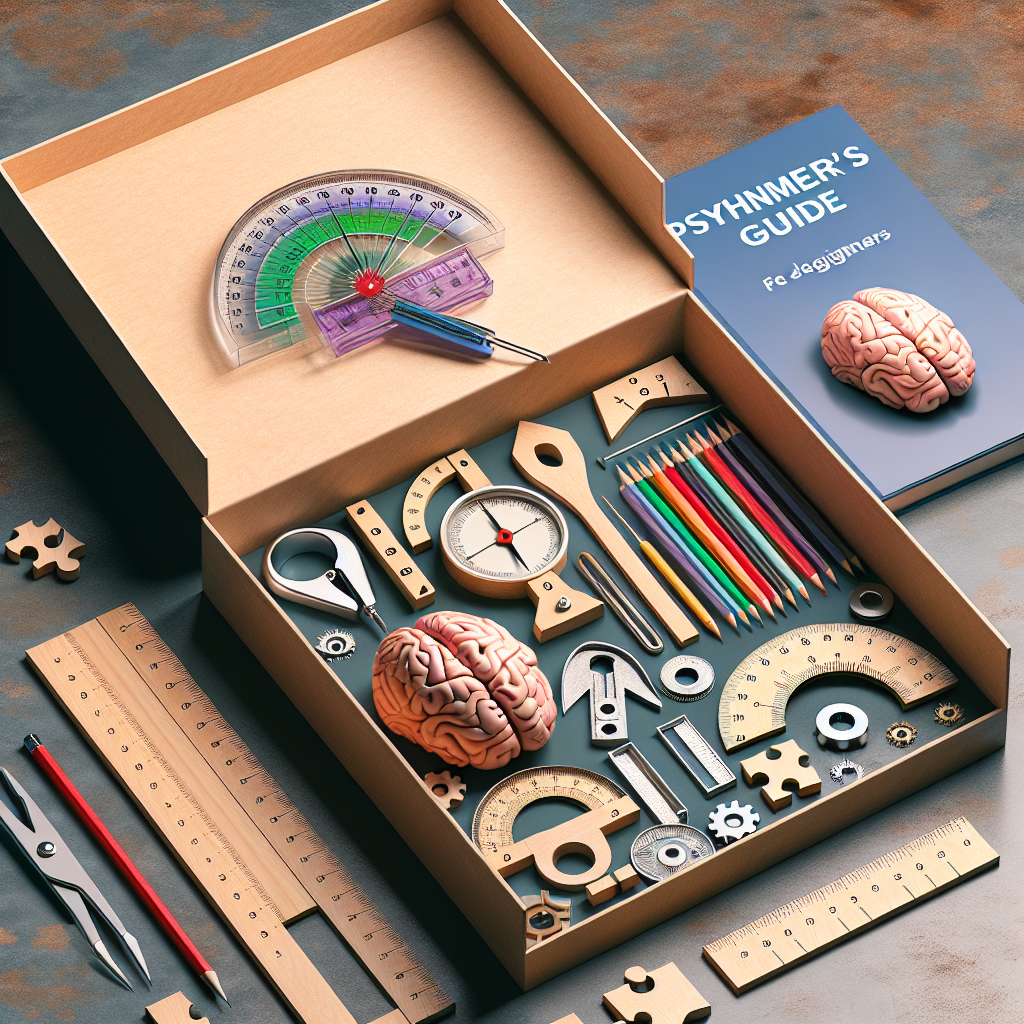
Introduction
In an increasingly complex world, the ability to understand ourselves and others is more crucial than ever. Whether you’re in a corporate setting looking to enhance team dynamics, an educator wanting to help students unlock their potential, or simply someone on a journey of self-discovery, psychometric testing can be an invaluable tool. Unpacking the Tools: A Beginner’s Guide to Psychometric Testing aims to demystify these assessments, providing insights into their applications, benefits, and best practices.
Imagine walking into a room where every individual’s strengths and potential weaknesses are laid bare, enabling coherent communication, heightened productivity, and enriched relationships. That’s the power of psychometric testing! This article is designed to provide you with a solid understanding of this fascinating field, from the basics of different types of tests to real-world applications that will leave you inspired.
What is Psychometric Testing?
Understanding The Fundamentals
Psychometric tests are standardized assessments that measure a variety of psychological traits. These include abilities, personality characteristics, and attitudes. They can be divided into two main types: cognitive tests and personality tests.
- Cognitive Tests assess skills such as problem-solving, logical reasoning, and numerical ability.
- Personality Tests evaluate traits like extroversion, openness, and conscientiousness.
Each of these tools offers valuable insight into how individuals think, behave, and interact with others—a vital component for personal development and organizational success.
The Benefits of Psychometric Testing
Enhanced Self-Awareness: Understanding your traits can guide you in career choices and personal decisions.
Improved Team Dynamics: Employers can use these tests to build effective teams by aligning individuals based on complementary traits.
- Targeted Training Programs: Utilizing psychometric data allows organizations to tailor professional development initiatives.
Case Study: Google’s Hiring Process
Google effectively incorporates psychometric testing into its hiring process, analyzing technical skills and cognitive abilities alongside personality aspects. Results indicated a 23% improvement in employee performance when hiring managers utilized these tests compared to traditional interviews alone. This not only streamlines the hiring process but also enhances workplace harmony.
FAQs About Psychometric Testing
1. What types of psychometric tests are available?
Various psychometric tests are available, including personality inventories (e.g., MBTI, Big Five), cognitive ability tests, vocational assessments, and emotional intelligence evaluations.
2. Are psychometric tests reliable?
Yes, well-constructed psychometric tests are highly reliable and valid. Accredited tests undergo rigorous research and validation processes to ensure they measure what they claim accurately.
3. How long do psychometric tests typically take?
Most tests take between 30 minutes to an hour to complete, although some can be shorter or longer depending on the format.
4. Can psychometric tests predict job performance?
While they can provide valuable insights into an individual’s potential, they should be combined with other assessments and criteria for a more comprehensive evaluation.
5. Are the results of psychometric tests confidential?
Yes, test results are generally confidential. Employers typically use them for internal purposes and only share findings with the individual and relevant stakeholders.
The Types of Psychometric Tests Unpacked
Cognitive Ability Tests
Cognitive ability tests measure a person’s mental capacity, focusing on skills like reasoning, comprehension, and problem-solving. Common formats include:
- Numerical reasoning: Tests math-related skills.
- Verbal reasoning: Assesses comprehension and reasoning based on written material.
- Abstract reasoning: Evaluates logical thinking using patterns and shapes.
Case Study: IBM’s Analytical Approach
IBM employs cognitive ability tests during its hiring process, leading to a significant decrease in employee turnover. By identifying candidates who are not only qualified but also possess the cognitive skills required for their positions, IBM improves its overall efficiency and success.
Personality Tests
These tests help analyze and classify the human personality. Some popular assessments include:
- Myers-Briggs Type Indicator (MBTI): Explores personality types.
- NEO-PI: Measures the Big Five personality traits.
Positive correlations between personality traits and career satisfaction have been documented, making these assessments critical for both individuals and organizations.
Case Study: Zappos and Team Harmony
Zappos utilizes personality assessments during their hiring process to ensure that new employees fit the company culture. By doing so, Zappos emphasizes team harmony and customer-oriented service, which contributes significantly to their stellar reputation.
Analyzing the Data: Tables & Charts
Table 1: Comparison of Psychometric Tests
| Type of Test | Purpose | Examples | Application |
|---|---|---|---|
| Cognitive Tests | Assess mental ability | Numerical reasoning, verbal reasoning | Job recruitment |
| Personality Tests | Understand personality traits | MBTI, NEO-PI | Team building |
| Vocational Assessments | Career direction | Interest inventories | Career counseling |
| Emotional Intelligence | Measure emotional skills | EQ-i | Leadership training |
Chart 1: Benefits of Psychometric Testing
A pie chart could illustrate the various advantages of psychometric testing, such as improved team dynamics, enhanced self-awareness, and targeted training programs.
Best Practices for Implementing Psychometric Testing
Selecting the Right Tests
Begin by identifying your objectives—are you looking to hire, promote, or develop? Choose tests that align with these goals and are backed by research and validity.
Communicating with Participants
Transparency is key. Make sure participants understand the purpose and benefits of the assessment. This fosters trust and cooperation.
Follow-up and Feedback
After completion, provide feedback to participants. This encourages self-reflection and growth, reinforcing the constructive nature of psychometric evaluations.
Integrating Results
Data is only as good as its application. Utilize test results to make informed decisions regarding hiring, training, and team composition.
Conclusion: Your Journey Into Psychometric Testing Awaits
In conclusion, Unpacking the Tools: A Beginner’s Guide to Psychometric Testing has provided you with vital insights into the fascinating world of psychometric assessments. From understanding the different types of tests to real-world applications, we hope this guide has illuminated the path forward.
As we innovate and move into the future with greater self-awareness and emotional intelligence, make psychometric testing a part of your journey—whether for personal growth or professional development. Remember, the tools are just a part of the process; it’s how you use them that truly counts. Embrace the opportunity to discover new dimensions of yourself and those around you!
FAQs Revisited: A Final Thought on Common Concerns
What is the scope of people who can use psychometric testing?
While primarily used in business contexts, anyone can benefit from these assessments, from job seekers to students and personal development enthusiasts.Are there free psychometric tests?
Yes! Many online platforms offer free basic assessments. However, for comprehensive and validated tests, a fee may be associated.Can I prepare for these tests?
While specific prep isn’t necessary, familiarizing yourself with the format can alleviate anxiety.How do employers interpret results?
Employers analyze the results in conjunction with other data points (interviews, references) to form a holistic view of the candidate.- What’s next after receiving results?
Engage in self-reflection and consider discussions with mentors or coaches for further insights.
Embark on your psychometric journey today! Embrace exploring these tools, and unlock your potential with every step.
About the Author