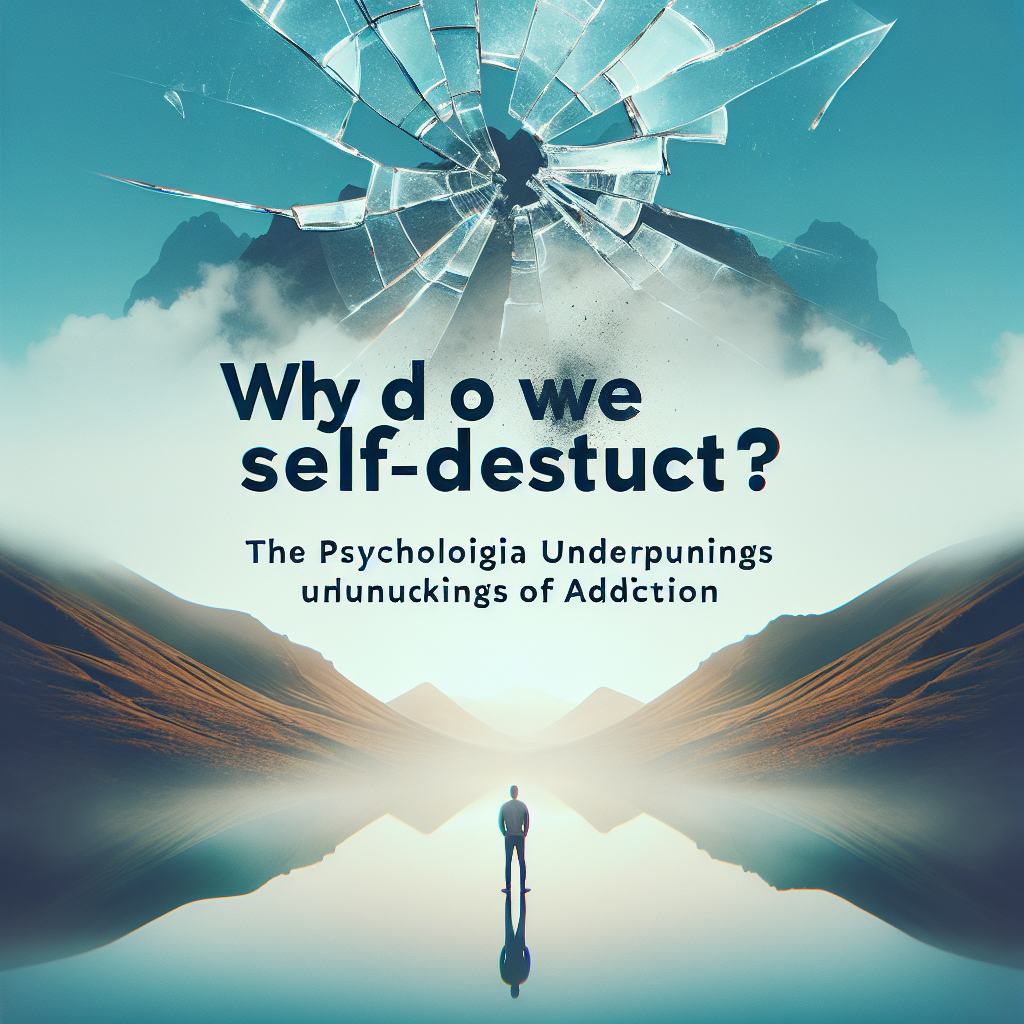
Why Do We Self-Destruct? The Essential Psychological Underpinnings of Addiction
Introduction: The Paradox of Self-Destruction
Have you ever found yourself caught in a cycle of behavior that seems counterproductive or even harmful? Whether it’s indulging in unhealthy relationships, addictive substances, or self-sabotaging routines, many of us grapple with the question: Why do we self-destruct? The psychological underpinnings of addiction are woven tightly into the fabric of our human experience. This article seeks not only to explore the reasons behind self-destructive behavior but also to illuminate the pathways toward healing and reclaiming control over one’s life.
In our fast-paced, often overwhelming world, the struggle against self-destructive tendencies can feel insurmountable. However, understanding the psychological mechanisms at play can empower us to create lasting change. Let’s embark on a journey to demystify the complexities of addiction and self-destruction.
Understanding Self-Destruction and Addiction
What Is Self-Destructive Behavior?
Self-destructive behavior encompasses actions that undermine personal growth and fulfillment. It can manifest in various ways, such as substance abuse, harmful relationships, procrastination, or compulsive behaviors. Often, these actions arise from deeper psychological struggles.
Addiction: More Than Habit
At its core, addiction is a complex interplay of biological, environmental, and psychological factors. It’s crucial to understand that addiction isn’t merely about substance use; it extends to behaviors like gambling, digital addiction, and even unhealthy relationships. This complexity is integral to answering the question, Why do we self-destruct? The Psychological Underpinnings of Addiction.
Theoretical Perspectives on Self-Destructive Behaviors
1. Sigmund Freud: The Pleasure Principle
Freud proposed that human behavior is driven by the pursuit of pleasure while avoiding pain. This fundamental idea can help explain why individuals may gravitate toward self-destructive behaviors that provide short-term relief but lead to long-term consequences.
Case Study: The Social Drinker
Meet Sarah, a successful professional in her early thirties. After a stressful week, she often turns to alcohol for relaxation. Initially, drinks with friends provide pleasure, but over time, social drinking devolves into binge drinking, affecting her career and personal life. Freud’s theory suggests that Sarah’s need to avoid the “pain” of her daily stressors leads her to seek temporary pleasure in alcohol.
2. Albert Bandura: Social Learning Theory
Bandura’s Social Learning Theory emphasizes that behaviors are learned through observation and imitation. The media, family, and peer influences shape our actions.
Case Study: The Impulsive Youth
Jordan, a teenager, grows up in a family where drug use is normalized. Watching his older siblings indulge in substance abuse reinforces the notion that such behaviors are acceptable. The result? Jordan eventually mirrors these self-destructive patterns, highlighting the significant impact of his environment. This raises the question of Why do we self-destruct? The Psychological Underpinnings of Addiction can often be found in our formative years.
3. Cognitive Behavioral Theory: Thoughts and Actions
Cognitive Behavioral Theory posits that our thoughts shape our feelings, which in turn influence our behaviors. Negative thought patterns can lead to self-destructive actions as individuals react to their internal narratives.
Case Study: The Overachiever
Lisa is a high-achieving student plagued by a fear of failure. Whenever she encounters a challenging assignment, her thoughts spiraling into self-doubt lead her to procrastinate, resulting in last-minute cramming and poor performance. This cycle reinforces negative self-perceptions, feeding her self-destructive habits.
The Role of Trauma in Self-Destruction
Understanding the Impact of Adverse Experiences
Trauma can significantly contribute to self-destructive behaviors. Events such as abuse, loss, or neglect lead to emotional scars that often result in maladaptive coping strategies.
Case Study: The Veteran
David, a war veteran, experiences PTSD as a result of combat experiences. Rather than seeking help, he turns to alcohol as a means of numbing his emotional pain. The cycle of self-medication intensifies his suffering, illustrating the stark reality of trauma-induced self-destruction.
Healing Through Awareness
Acknowledging the impact of past traumas is the first step toward healing. Therapeutic approaches, like trauma-informed care, offer hope and strategies for overcoming self-destructive behaviors, reiterating the necessity of addressing Why do we self-destruct? The Psychological Underpinnings of Addiction.
The Neuroscience of Addiction
The Brain’s Reward System
The brain’s reward system, primarily governed by neurotransmitters like dopamine, plays a pivotal role in addiction. When someone engages in self-destructive behaviors, their brain releases dopamine, reinforcing the action as pleasurable.
Case Study: The Compulsive Gambler
Mike, 45, finds himself drawn to gambling as a relief from his mundane life. Each time he wins, a surge of dopamine floods his brain, creating a cycle of dependency. Despite numerous losses, the temporary high keeps him returning for more, cementing his path of self-destruction. Understanding this can be crucial for family and friends as they seek to help Mike recover.
Social Influences on Self-Destructive Behavior
The Impact of Relationships
Relationships can be both a source of support and a catalyst for self-destruction. Toxic relationships often provide a breeding ground for addictive behaviors.
Case Study: The Toxic Love
Emily finds herself in a tumultuous relationship marked by emotional turmoil. Her partner’s abusive behavior drives her further into addiction as she seeks solace in alcohol. Each time she attempts to break free, her fear of loneliness pulls her back, exemplifying the struggle of self-destruction.
The Role of Community
Conversely, supportive communities can foster resilience against self-destructive tendencies. Understanding the importance of community networks can highlight the social dimension of Why do we self-destruct? The Psychological Underpinnings of Addiction.
Pathways to Recovery
Breaking the Cycle
Understanding Why do we self-destruct? The psychological underpinnings of addiction is crucial to finding pathways to recovery. Recognizing patterns, seeking therapy, and building supportive networks are vital in breaking free from debilitating cycles.
Therapeutic Approaches
- Cognitive Behavioral Therapy (CBT): Helps individuals challenge negative thought patterns.
- Dialectical Behavior Therapy (DBT): Focuses on emotional regulation and interpersonal effectiveness.
- Motivational Interviewing (MI): Encourages individuals to identify their motivations for change.
Inspirational Case Study: From Addiction to Advocacy
James, once a hopeless addict, found recovery through a support group. He learned to articulate his struggles and now advocates for others facing similar challenges, showcasing the transformative power of community and understanding.
The Role of Mindfulness and Self-Compassion
Cultivating Awareness
Mindfulness meditation can foster a deeper awareness of one’s thoughts and feelings, making it easier to identify triggers and resist self-destructive behaviors.
Embracing Self-Compassion
Practicing self-compassion encourages individuals to treat themselves with kindness rather than criticism. This shift in mindset can significantly reduce self-destructive tendencies, empowering individuals to seek healthier coping mechanisms.
Conclusion: A Journey Toward Healing
The journey to understanding Why do we self-destruct? The Psychological Underpinnings of Addiction is complex yet deeply rewarding. By acknowledging the myriad influences—trauma, relationships, environmental cues, and neurobiological factors—individuals can take meaningful steps toward recovery.
Each story of self-destruction is intricate, but with knowledge and support, individuals can break free from their cycles. As we embark on this journey, let’s remind ourselves that while the past shapes us, it does not define us. Together, through understanding, compassion, and resilience, we can transform our narratives into stories of hope and healing.
FAQs
1. What are the main causes of self-destructive behavior?
Self-destructive behavior can stem from trauma, negative thought patterns, societal influences, and the brain’s reward system. Recognizing these factors is essential to understanding personal behaviors.
2. How do I know if I’m self-destructing?
Signs of self-destructive behavior may include substance abuse, unhealthy relationships, chronic procrastination, and harmful coping mechanisms. Self-reflection and seeking external feedback can shine a light on these patterns.
3. Can addiction be overcome?
Yes, recovery is possible. Many individuals find success through therapy, support groups, and personal accountability. Each journey is unique, and understanding one’s triggers is key.
4. What role does therapy play in recovery?
Therapy provides individuals with tools to address underlying issues, challenge harmful thought patterns, and build healthier coping mechanisms. It’s an integral part of the recovery process.
5. How can I support someone struggling with addiction?
Encourage open dialogue, offer empathy, and remain non-judgmental. Seeking professional support together can also be beneficial, providing the person with the resources and encouragement they need.
By fostering understanding and compassion, you can play a vital role in their journey toward healing.
This framework provides a thorough exploration of the psychological underpinnings of self-destructive behaviors, with real-world relevance and actionable insights aimed at empowering readers towards positive change.
About the Author


Dr. Maria Louise, Developmental Psychology
Dr. Louise is a renowned researcher in developmental psychology, studying human growth across the lifespan. She writes about child development, adolescent behavior, and aging, exploring how these stages shape personality and behavior.