Introduction
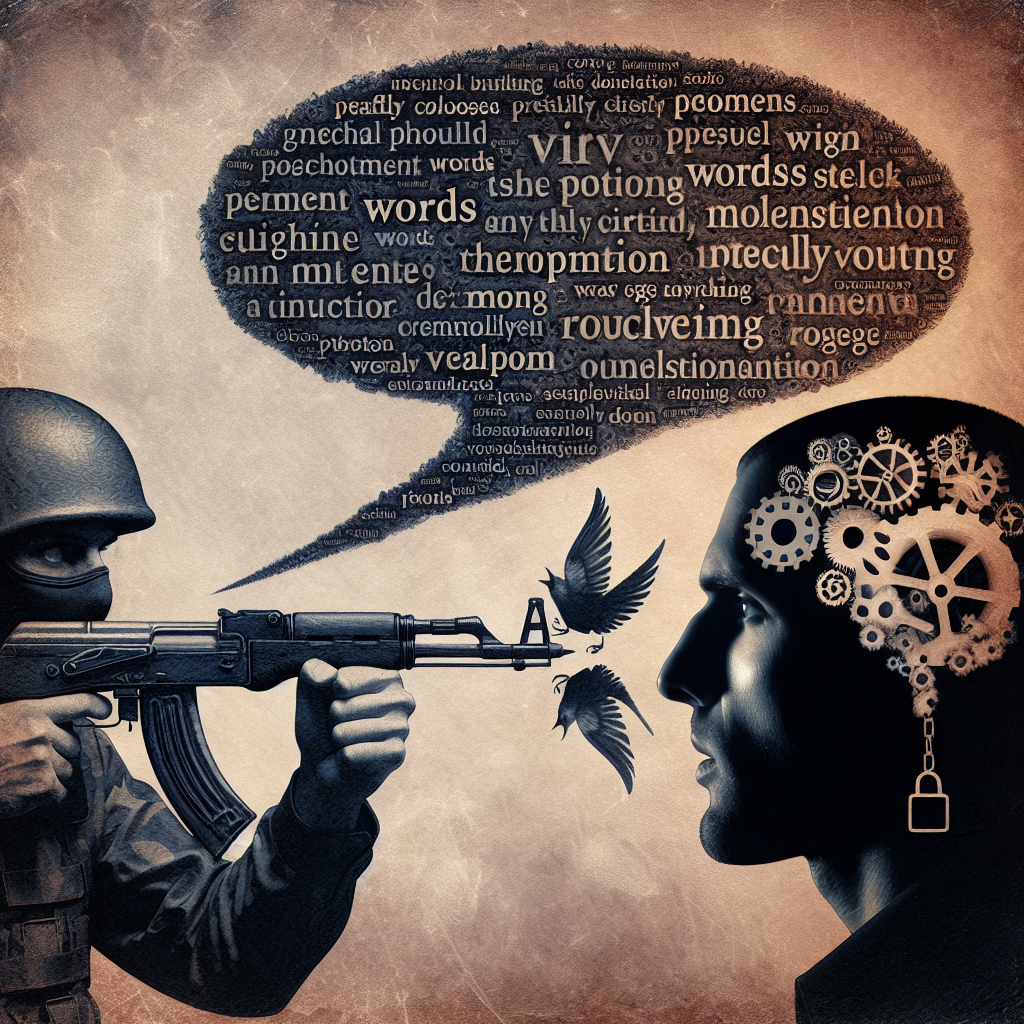
In the high-stakes world of hostage negotiation, words can be more powerful than any weapon. Imagine a tense standoff where lives hang in the balance; a skilled negotiator uses the psychological weight of language to diffuse a volatile situation. In this article, we delve into Words as Weapons: The Psychology of Hostage Negotiation, exploring how human emotion and psychological principles shape these critical encounters.
The ability to communicate effectively and persuasively can turn a potential tragedy into a peaceful resolution. But how do negotiators approach a hostage situation? What techniques do they use to penetrate the walls of desperation and fear? Join us as we uncover the art and science behind this essential skill set, featuring real-world case studies and practical insights to equip you with a deeper understanding of the subject.
The Foundation of Hostage Negotiation
Understanding Hostage Situations
At its core, a hostage situation is a complex interplay of emotions, motivations, and psychological factors. The hostage-taker often feels justified in their actions, driven by desperation, ideology, or mental health challenges. For the negotiator, understanding the underlying human psychology is the first step in turning words as weapons into a powerful arsenal.
The Role of Psychological Dynamics
The dynamics at play in a hostage situation include power imbalances, fear, and the need for control. Strategies such as empathy, rapport-building, and active listening become critical in these high-pressure environments. By comprehensively understanding these dynamics, negotiators can craft conversations that harness the psychological principles of influence.
Table 1: Key Psychological Dynamics in Hostage Negotiation
| Dynamic | Description |
|---|---|
| Power Imbalance | The hostage-taker often believes they have control over the situation. |
| Fear | Both hostages and negotiators experience high levels of fear, impacting decision-making. |
| Control | Hostage-takers seek control, while negotiators aim to regain it through dialogue. |
Essential Negotiation Techniques
Building Rapport
One of the fundamental techniques in Words as Weapons: The Psychology of Hostage Negotiation is rapport-building. Establishing a connection can help reduce hostility and foster cooperation. Skilled negotiators often begin by using the hostage-taker’s name to enhance intimacy and create a sense of individual recognition.
Active Listening
Active listening is not merely about hearing; it’s about understanding. By restating what the hostage-taker has conveyed, negotiators demonstrate empathy and validate their feelings. This technique can significantly lower defenses, allowing for more effective communication.
Open-Ended Questions
Instead of leading questions, negotiators utilize open-ended questions to encourage dialogue. This approach not only allows the hostage-taker to share their story, but it also gives negotiators crucial insights into their motivations.
Case Study: The 1993 Waco Standoff
During the Waco standoff, FBI negotiators employed various techniques that exemplified Words as Weapons: The Psychology of Hostage Negotiation. Utilizing rapport-building and active listening, they attempted to connect with David Koresh, the leader of the Branch Davidians. They engaged in lengthy dialogue, which helped them gather intelligence and ultimately facilitated a negotiated surrender.
Analysis of the Case Study
This situation underscores the importance of establishing a connection. Despite the tragic outcome, the negotiation process allowed for the safe extraction of many individuals, demonstrating how effective communication can minimize harm.
The Power of Empathy
Empathy is central to effective hostage negotiation. By understanding the emotional state of the hostage-taker, negotiators can craft language that resonates. Phrases that express understanding of their situation can disarm aggressiveness and encourage collaboration.
De-escalation Techniques
De-escalation is critical in hostage scenarios. Using calming language, negotiators can shift tense encounters into more collaborative conversations. By reframing demands or concerns using softer language, negotiators can lower the stakes and induce a willingness to talk.
Case Study: The 1996 Atlanta Olympic Park Bombing
In the aftermath of the bombing, crisis negotiators faced countless threats and challenges. Employing de-escalation techniques, they engaged suspects in conversation, focusing on emotional states rather than the chaos of the moment. The ability to maintain calm in a turbulent environment showcased the power of words as weapons to diffuse immediate threats.
Analysis of the Case Study
This case highlights how negotiation skills can redirect violent impulses into dialogue. It emphasizes the critical role of empathy and de-escalation in mounting a successful negotiation strategy amidst chaos.
The Language of Influence
Verbal vs. Non-Verbal Communication
Words hold significant power, but non-verbal cues can amplify or undermine spoken language. Understanding the interplay between verbal and non-verbal communication is crucial in hostage negotiation. The tone, pace, and body language of both parties provide vital clues that can influence the course of the conversation.
Framing and Reframing
Words have an inherent ability to frame situations. Skilled negotiators reframe statements to offer alternative perspectives, shifting blame from hostages to external circumstances. This reframing technique can help mitigate a hostage-taker’s guilt and move the conversation toward resolution.
Case Study: The LLoyd’s Bank Robbery of 1976
In this infamous bank robbery, negotiators employed framing techniques to focus discussions on the future rather than past actions, encouraging the hostage-takers to think about potential outcomes instead of their current predicament.
Analysis of the Case Study
The LLoyd’s situation vividly illustrates how reframing can change the course of a negotiation. Instead of focusing on fear or blame, negotiators steered the conversation toward understanding and future implications, demonstrating the power of words in the hands of trained professionals.
Table 2: Effective Techniques in Hostage Negotiation
| Technique | Description |
|---|---|
| Rapport-Building | Creating a connection through personal engagement. |
| Active Listening | Demonstrating understanding by reiterating concerns. |
| Open-Ended Questions | Encouraging dialogue to gather information. |
| Empathy | Connecting emotionally to validate the hostage-taker’s feelings. |
| De-escalation | Calming language used to reduce tension and aggression. |
The Psychological Impact of Language
The Nuances of Language
The language used in negotiation substantially impacts outcomes. Delicate word choices can either exacerbate tensions or enhance understanding. Words associated with fear, threats, or ultimatums may escalate hostility, while those emphasizing collaboration can foster goodwill.
Psychological Techniques in Counsel
Cognitive Behavioral Techniques (CBT) can also be integrated into negotiations. By guiding hostage-takers to re-categorize their thoughts and feelings, negotiators can initiate a psychological shift that encourages surrender.
Case Study: The 2013 Nairobi Shopping Mall Attack
In response to the Nairobi shopping mall attack, negotiators engaged with terrorists through carefully chosen language, employing psychological techniques to instill doubt and fear regarding their choices. The focus on consequences was pivotal in eventually leading to surrender.
Analysis of the Case Study
This case demonstrates the far-reaching effects language can have on decision-making. The psychological impact was profound, as negotiators shifted the narrative to emphasize potential ramifications while leveraging words as weapons.
Conclusion
In the realm of hostage negotiation, Words as Weapons: The Psychology of Hostage Negotiation exemplifies the potent force language wields in life-and-death situations. Through building rapport, exercising active listening, deploying empathy, and employing various psychological techniques, skilled negotiators can transform a dire scenario into a space for dialogue and resolution.
What can we learn from this exploration? Communication is a powerful tool. Whether managing a conflict at work or navigating personal relationships, understanding the psychology behind our words can lead to more effective dialogue and resolution.
Arm yourself with these insights, and remember: in any negotiation, your words can either escalate tension or defuse conflict—choose wisely.
FAQs
1. How long does a typical hostage negotiation last?
Hostage negotiations can vary widely in length, often lasting hours or even days, depending on the situation’s complexity. The primary goal is to maintain dialogue and gather information.
2. What is the role of a crisis negotiator?
Crisis negotiators are trained professionals who specialize in resolving high-stake situations through dialogue. Their roles include building rapport, utilizing psychological techniques, and ensuring the safety of hostages.
3. Can negotiation techniques be applied in everyday life?
Absolutely! Techniques such as active listening, empathy, and rapport-building are valuable skills that can enhance communication in various contexts, from work environments to personal relationships.
4. What are some common challenges faced by hostage negotiators?
Hostage negotiators often contend with emotional volatility, power imbalances, and time constraints. The ability to remain calm and adaptable is critical in navigating these challenges.
5. How can I improve my negotiation skills?
Improving negotiation skills requires practice. Try engaging in conversations with a focus on active listening, empathy, and open-ended questions. Additionally, seek out resources and training workshops to refine these skills in specific contexts.
With these insights, you can harness the power of words—whatever the conversation at hand.
About the Author