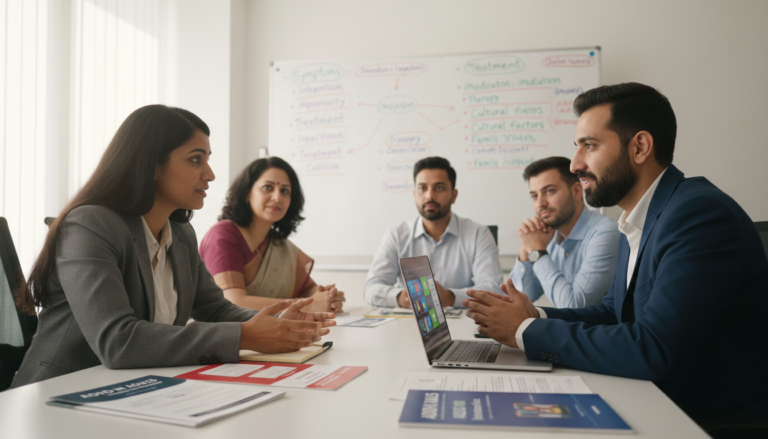
Teaching in Technicolor: Leveraging Technology to Support Varied Learning Styles
Introduction
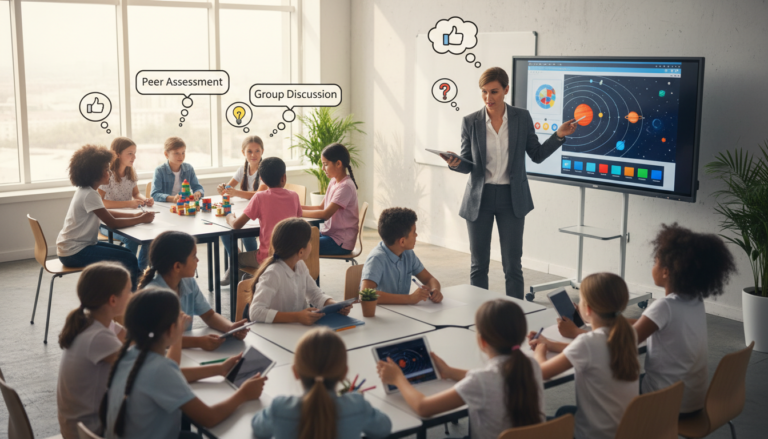
In today’s fast-paced world, the way we teach and learn is evolving at an unprecedented pace. Traditional methods often fall short in meeting the diverse needs of students. That’s where the concept of “Teaching in Technicolor” comes into play. This approach emphasizes harnessing technology to cater to various learning styles, ensuring that every learner shines brightly in the classroom. So, how can educators effectively use technology to support varied learning styles? This article offers insights, real-world case studies, and actionable tips that will empower educators to transform their teaching methods and engage students like never before.
Understanding Varied Learning Styles
Just as in a vibrant painting, no two learners are the same. Each student brings a unique palette of strengths, weaknesses, preferences, and experiences to the learning environment. Understanding these varied learning styles is crucial for creating an inclusive educational atmosphere.
The Major Learning Styles
Visual Learners: These students comprehend information better through diagrams, videos, and other visual aids.
Auditory Learners: They absorb knowledge through listening. Discussions, podcasts, and oral presentations benefit them.
Kinesthetic Learners: Hands-on experiences and physical manipulation of materials help these learners engage with the content.
- Read/Write Learners: These individuals prefer text-based input and output. They thrive on written information and benefit from reading and writing assignments.
By identifying individual learning styles, educators can tailor their teaching strategies. This is where technology enters the scene, offering innovative solutions to support diverse learners.
Teaching in Technicolor: The Role of Technology
1. Interactive Learning Platforms
Technology offers a multitude of platforms that cater to different learning styles. Systems like Google Classroom and Edmodo can be tailored to the needs of visual, auditory, and kinesthetic learners.
Case Study: Interactive Learning with Google Classroom
At Lincoln High School, the integration of Google Classroom has transformed classroom dynamics. Teachers utilize a mixture of videos, quizzes, and forums to accommodate visual and auditory learners while integrating hands-on assignments for kinesthetic learners. The result? Improved engagement and higher performance across various learning styles.
| Learning Style | Technology Used | Improvement Observed |
|---|---|---|
| Visual | Video lessons | 20% increase in comprehension scores |
| Auditory | Podcasts and discussions | 15% increase in engagement |
| Kinesthetic | Project-based learning assignments | 25% increase in participation |
2. Gamification
Gamification incorporates game elements into educational environments, making learning enjoyable for all styles. This approach appeals particularly to kinesthetic and visual learners who thrive in interactive contexts.
Case Study: Using Kahoot for Engagement
At Central Middle School, teachers started utilizing Kahoot, a game-based learning platform. Students engage in quizzes and games that reinforce learning objectives. Results show a marked improvement in test scores and overall enthusiasm about learning.
3. Accessible Learning Resources
Web-based tools like Khan Academy, Coursera, and Duolingo provide various resources tailored to learning preferences. Visual learners can access a wealth of video tutorials, auditory learners can partake in lectures, and kinesthetic learners can engage in interactive activities.
Case Study: Khan Academy and Personalized Learning
Greenwood High employed Khan Academy to provide personalized content access based on student learning styles. By allowing students to progress at their own pace, educators saw a 30% improvement in overall grade averages, with specific increases in these categories:
| Learning Style | Average Improvement (%) |
|---|---|
| Visual | 35% |
| Auditory | 25% |
| Kinesthetic | 40% |
4. Virtual Reality (VR) and Augmented Reality (AR)
These technologies immerse students in learning experiences, appealing to visual and kinesthetic learners in profound ways. They bridge the gap between theory and practical application, allowing students to engage with material like never before.
Case Study: AR in Science Education
At Tech Valley University, the use of AR technology in biology courses allowed students to visualize complex concepts. This led to a 50% increase in student interest and understanding of anatomical structures.
Frequently Asked Questions (FAQs)
1. How can I identify my students’ learning styles?
Educators can use surveys, quizzes, and informal observations to identify learning styles. Tools like the VARK Questionnaire can serve as a helpful resource.
2. What technologies are best for varied learning styles?
Some effective technologies include Google Classroom, Kahoot, Edmodo, and AR/VR tools. The choice largely depends on the specific learning objectives and the demographics of the students.
3. Can I integrate technology into my existing teaching methods?
Absolutely! Start small by incorporating digital tools like presentations or educational videos into your lessons. Gradually expand your technology usage as you gain comfort.
4. What if some students don’t have access to technology at home?
Prioritize accessibility by providing resources that can be used offline, or arrange school time for students to access technology. The goal is to close the digital divide wherever possible.
5. How do I measure the effectiveness of technology in my classroom?
Frequent assessments, feedback from students, and performance metrics can help you evaluate how well various technologies serve diverse learning styles.
6. Is it possible to cater to every learning style with technology?
While it’s challenging to perfectly address every learning style simultaneously, incorporating a variety of technological tools significantly enhances learning options for all students.
Conclusion
Teaching in Technicolor: Leveraging Technology to Support Varied Learning Styles is more than a strategy—it’s a commitment to inclusivity and educational excellence. By understanding and leveraging the diverse learning styles of students, educators empower individuals to reach their full potential.
As we march forward into an increasingly digital age, the responsibility lies with educators to embrace technology’s transformative power. This can be done by creating vibrant, engaging, and inclusive learning environments that showcase every student’s unique capabilities.
Ultimately, the goal is to create a classroom where every student can find their voice, learn in their way, and thrive academically. Let’s embrace this exciting opportunity to illuminate the paths of learning for all students—because in the world of education, there are no limits to what we can achieve together.
Enhance Your Teaching Journey
If you’re ready to dive deeper into the world of technology in education, seek out workshops, join online forums, or collaborate with fellow educators to expand your toolkit. Together, let’s paint the future of education in Technicolor, one learner at a time!
About the Author


Dr. Leah Howard, Positive Psychology
Dr. Howard is a researcher and advocate for positive psychology, focusing on human strengths, happiness, and well-being. Her writings explore how people can cultivate a positive mindset, improve resilience, and develop emotional intelligence to live fulfilling lives.