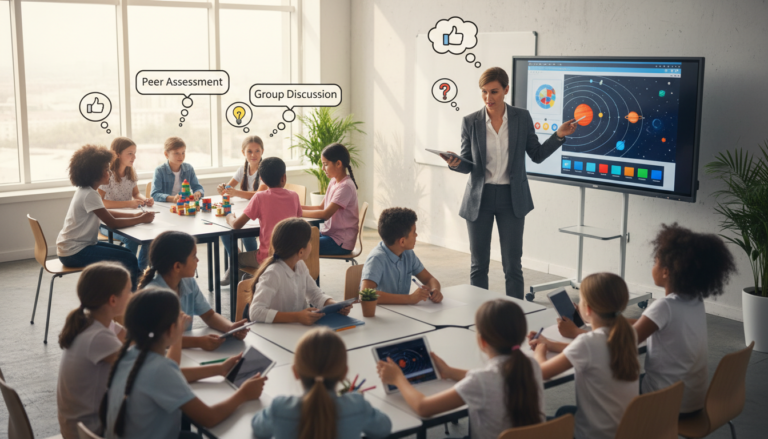
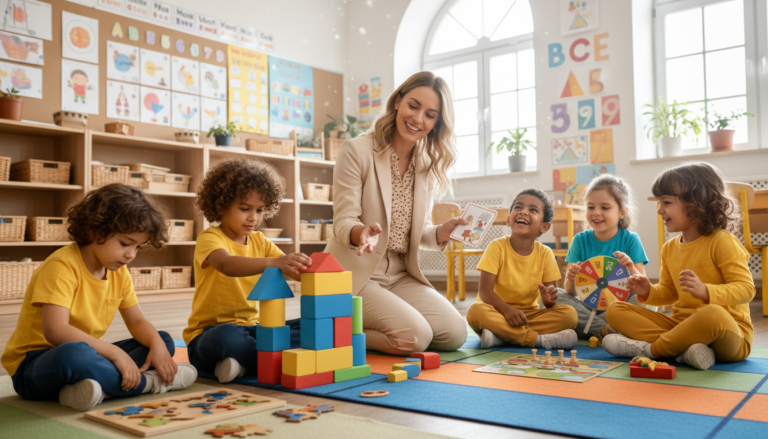
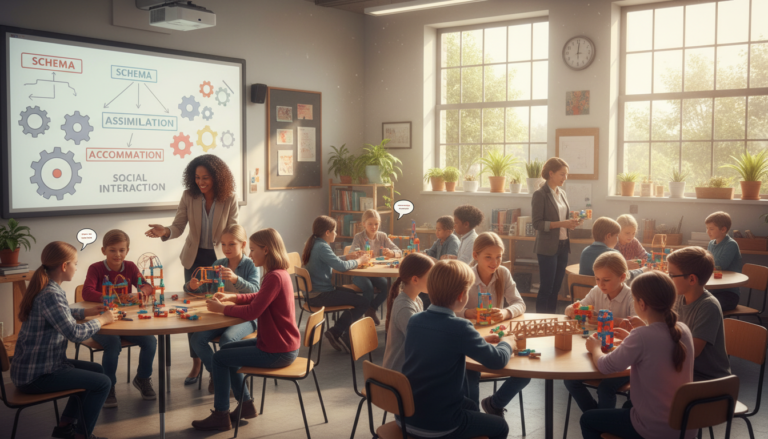
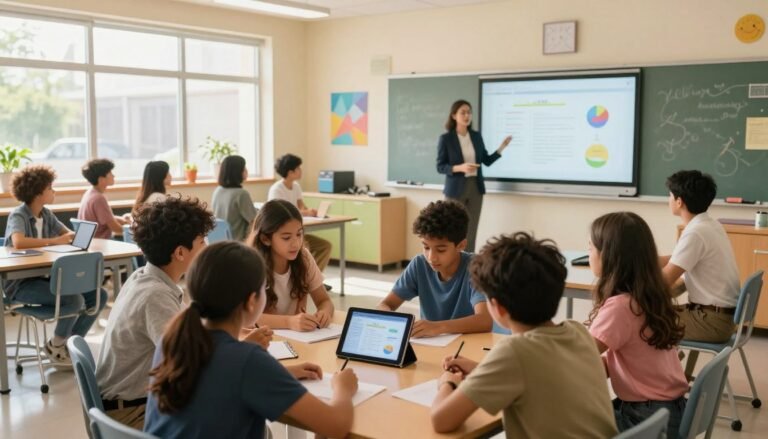
Friendship is a vital element in the landscape of childhood and adolescence, serving as the backbone of social development. In recent years, Social and Emotional Learning (SEL) has emerged as a cornerstone of educational philosophy, offering a structured way to enhance students’ emotional intelligence, which directly influences their ability to forge strong interpersonal connections. Fostering Friendships: How SEL Enhances Peer Relationships in Schools is not just an academic phrase; it is an essential framework that assists educators, parents, and students in navigating the complexities of human interactions.
Introduction
Imagine a school where every student feels understood, valued, and connected. In such an environment, academic success is not just a goal; it’s a natural byproduct of the thriving friendships that students cultivate. This ideal is increasingly possible through Social and Emotional Learning (SEL), a movement that has gained renewed vigor in education. Fostering Friendships: How SEL Enhances Peer Relationships in Schools provides not just a strategy for improving behavior and emotional understanding, but it also serves as a foundation for building lasting relationships among peers. This article will dive deep into the mechanics and benefits of SEL, offering insights that can be applied in real-world scenarios.
Understanding SEL
What is Social and Emotional Learning?
Social and Emotional Learning (SEL) encompasses a range of skills that help individuals manage emotions, achieve positive goals, show empathy for others, establish positive relationships, and make responsible decisions. According to the Collaborative for Academic, Social, and Emotional Learning (CASEL), SEL is divided into five core competencies:
- Self-Awareness: Recognizing one’s emotions and values.
- Self-Management: Regulating emotions and behaviors.
- Social Awareness: Understanding social norms and empathizing with others.
- Relationship Skills: Building healthy relationships through communication and teamwork.
- Responsible Decision-Making: Making choices based on ethical values and social norms.
By teaching these skills, schools create an environment conducive to Fostering Friendships: How SEL Enhances Peer Relationships in Schools, helping students become more emotionally intelligent and socially adept.
The Importance of SEL in Schools
Incorporating SEL in schools has far-reaching implications. Data shows that when students are provided with SEL tools, not only do their academic performances improve, but their social relationships become healthier as well. According to a 2011 meta-analysis published in the journal Child Development, SEL programs lead to an 11% increase in academic performance and a significant decline in conduct problems among students.
The Connection Between SEL and Friendships
Improving Self-Awareness and Empathy
One of the key elements in Fostering Friendships: How SEL Enhances Peer Relationships in Schools is the enhancement of self-awareness. When students can identify their emotions, they become more equipped to understand how those feelings impact others. For example, a study conducted in a Chicago school district found that students who received SEL training had a greater capacity to empathize with classmates, leading to more supportive friendships.
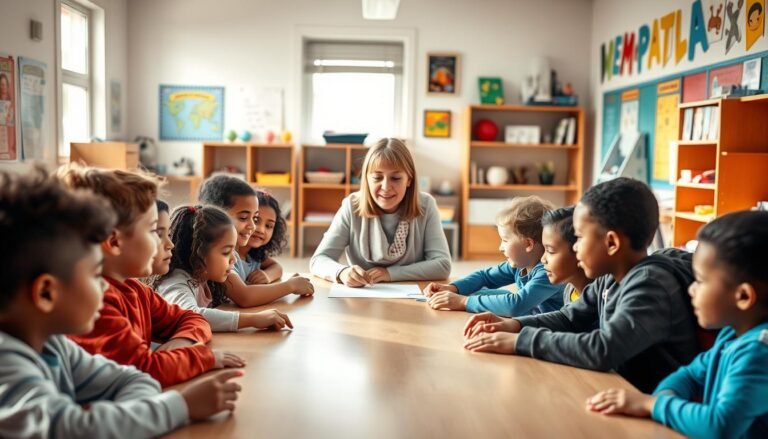
Case Study: In a third-grade classroom, Ms. Thompson implemented an SEL curriculum focusing on emotional vocabulary. After several weeks, students participated in ‘emotion charades.’ This exercise not only improved students’ emotional literacy but also allowed them to engage in discussions about feelings, enhancing their friendships.
Analysis: By fostering self-awareness and empathy, SEL equips students with tools to better navigate social landscapes.
Building Relationship Skills
The competencies of relationship skills and social awareness are pivotal in the Fostering Friendships: How SEL Enhances Peer Relationships in Schools paradigm. Skills such as active listening, conflict resolution, and cooperative teamwork are essential in building and maintaining healthy relationships.
Case Study: A high school in New York introduced a week-long workshop on conflict resolution and teamwork. The program encouraged students to form diverse groups for projects, requiring collaborative efforts from students of different backgrounds. According to teacher feedback, students reported feeling more connected to peers outside of their normal friend groups.
Analysis: This initiative underscored the importance of relationship skills in promoting inclusivity and companionship among students.
The Role of Positive Decision-Making
Responsible decision-making is another critical component of SEL. When students learn to consider the consequences of their actions, they’re more likely to make choices that benefit their friendships and social circles.
Case Study: At a middle school in California, students were taught a decision-making framework that included identifying possible outcomes before acting. Incidents of bullying decreased by 30% over the year as students were more empowered to think about consequences.
Analysis: This case demonstrates that when students are taught to make responsible decisions, the overall social atmosphere improves, creating a safer space for friendships to flourish.
The Ripple Effect: Enhancing School Climate
The principles of SEL contribute to an overall improvement in school climate. When emotional intelligence is prioritized, it creates a ripple effect not only enhancing relationships among students but also affecting teacher-student dynamics.
In a survey conducted by The Journal of Educational Psychology, schools that implemented SEL programs reported a 20% increase in positive interactions between students and teachers. These improvements foster a supportive environment where friendships can thrive.
| Statistics on SEL and School Climate |
|---|
| 20% increase in positive interactions |
| 30% decrease in bullying incidents |
| 11% increase in academic performance |
| 50% improvement in emotional support ratings |
Strategies for Implementing SEL
Integrating SEL into Curricula
To maximize the benefits of Fostering Friendships: How SEL Enhances Peer Relationships in Schools, educators should integrate SEL into existing curricula. This could involve project-based learning that emphasizes collaboration or literature discussions focusing on character emotions.
Professional Development for Educators
Training teachers to effectively deliver SEL content is essential. Schools should offer professional development programs that equip educators with strategies to weave SEL into their everyday interactions with students.
Family and Community Involvement
Engaging families in SEL activities can further strengthen the community’s role in fostering friendships. Schools can host workshops for parents to help them understand the importance of SEL and how it can be reinforced at home.
Use of Technology and Virtual Platforms
In the digital age, tools such as online discussion forums and social platforms can be utilized for SEL purposes. Encouraging respectful online communication helps students practice relationship skills beyond the school walls.
Conclusion
Fostering Friendships: How SEL Enhances Peer Relationships in Schools is not merely a theoretical concept but a vital, actionable agenda that can transform educational environments. By equipping students with essential social and emotional skills, schools pave the way for meaningful friendships, improved academic performance, and an overall positive school climate.
Call to Action
Educators, parents, and community members must join forces to cultivate an environment where friendships flourish through SEL. Implementing these strategies can lead to a brighter, healthier, and more connected future for all students.
FAQs
1. What is the primary goal of SEL in schools?
The primary goal of SEL is to equip students with emotional intelligence skills—self-awareness, empathy, communication, and decision-making—to foster healthier relationships.
2. How does SEL impact academic performance?
Studies show that SEL initiatives lead to improved academic performance by fostering a positive and supportive learning environment.
3. Can SEL be incorporated into existing curricula?
Yes! SEL can be seamlessly integrated into existing subjects such as literature, science, and history by focusing on emotional and social themes.
4. What role do parents play in SEL?
Parents are crucial in reinforcing SEL skills at home, making the learning experience more effective through consistent practice and understanding.
5. How can technology support SEL initiatives?
Technology can provide platforms for students to engage in SEL activities, such as online discussions, virtual projects, and collaborative tools that foster communication.
By implementing Social and Emotional Learning, we can make strides in Fostering Friendships: How SEL Enhances Peer Relationships in Schools, fostering an enriching atmosphere for all students. Through collaboration, outreach, and dedicated commitment to emotional education, we can cultivate lasting, meaningful relationships that go beyond the classroom.
About the Author


The PsyForU Editorial Collective is the research and editorial team of PsyForU Research International. The collective prepares educational, psychological, mental-health-awareness, inclusion, neurodiversity, and research-methodology content for students, parents, educators, researchers, and general readers. PsyForU content is intended for awareness, education, and capacity-building and should not be treated as clinical diagnosis, therapy, medical advice, legal advice, or emergency mental-health support.