Introduction
In the rapidly evolving landscape of education, the ability to self-regulate one’s learning is becoming increasingly paramount. Self-regulated learners are adept at managing their emotions, setting personal goals, and choosing effective strategies to achieve them. But how can educators foster this crucial skill set in the classroom? In this article, we will explore essential Tips and Tools for Nurturing Self-Regulated Learners in the Classroom, providing educators with actionable strategies and insights that can transform their teaching approach.
Understanding Self-Regulation: The Foundation of Autonomous Learning
Before we delve into the tips and tools, it’s important to define what self-regulation entails. Self-regulated learning involves three key phases:
- Forethought: Planning and goal setting.
- Performance: Monitoring and controlling one’s learning process.
- Self-Reflection: Evaluating and adjusting methods based on outcomes.
Each of these phases can be fostered through specific strategies, and educators must be equipped with the right tools to nurture these skills effectively in their students.
Essential Tips for Nurturing Self-Regulated Learners
1. Promote a Growth Mindset
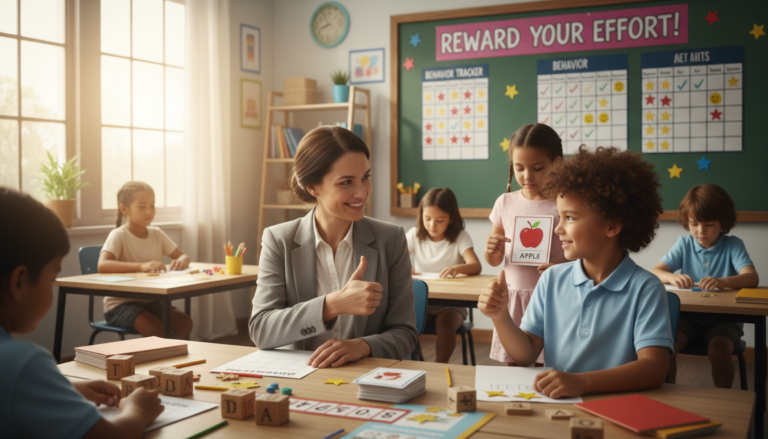
Encourage students to embrace challenges, persist through difficulties, and view effort as a path to mastery. Carol Dweck’s research emphasizes that a growth mindset—the belief that abilities can be developed—can significantly enhance self-regulation.
Case Study: In a middle school setting, teachers implemented a growth mindset program that included weekly reflections on challenges faced and the strategies employed to overcome them. Over a semester, students reported a 40% increase in persistence during difficult tasks.
2. Set Specific and Achievable Goals
Help students set SMART (Specific, Measurable, Achievable, Relevant, Time-bound) goals. When students know what they are aiming for, they are more likely to take the initiative and monitor their progress.
Tools: Utilize goal-setting apps like Trello or Asana, which help students visualize their objectives and track their progress.
| Goal Type | Example | Measurable? | Time-bound? |
|---|---|---|---|
| Academic | Improve math skills | Yes | Yes |
| Personal | Read more books | Yes | Yes |
3. Encourage Reflective Practices
Incorporate reflective practices into your teaching. Ask students to evaluate their learning experiences, identify what worked well, and what they could improve upon.
Tool: Journals or digital platforms like Seesaw encourage students to reflect on their learning journeys. Scaffolding reflection through prompts can guide students toward deeper insights.
4. Teach Self-Monitoring Strategies
Provide students with tools to self-monitor their learning. This can include checklists, rubrics, and self-assessment forms that help them gauge their progress and make necessary adjustments.
Case Study: A high school science class introduced rubrics for project assessments, allowing students to evaluate their work against set criteria. This resulted in increased awareness and ownership of their learning process.
Tools for Nurturing Self-Regulated Learners
1. Technology Integration
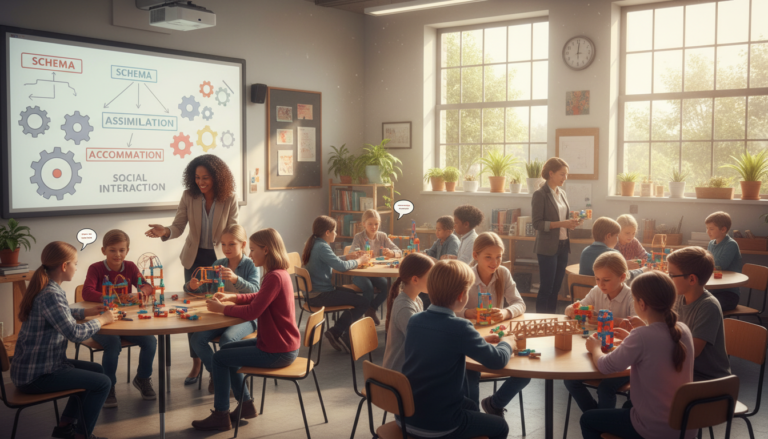
Utilizing technology can enhance self-regulation. Tools such as Google Classroom, Padlet, and Slack for educational purposes help facilitate organization and communication among students.
Example: A collaborative project using Google Docs allowed students to contribute at their own pace while monitoring each other’s contributions, promoting accountability.
2. Instructional Scaffolding
Teach students how to use study aids like graphic organizers, mind maps, and templates. These tools provide structure and can help students methodically approach complex tasks.
Tool Example: A concept map can visually connect ideas, allowing students to see the bigger picture.
3. Mindfulness Practices
Incorporating mindfulness techniques into the classroom can improve focus and emotional regulation. Simple practices such as meditation or deep-breathing exercises can ground students and help them maintain concentration.
Case Study: Implementing a short morning meditation routine in an elementary classroom led to a notable decrease in behavioral issues and an increase in overall student engagement.
Assessing the Impact: Key Metrics to Monitor Progress
To assess the effectiveness of our efforts in nurturing self-regulated learners, we can track:
- Engagement Levels: Use surveys or informal check-ins to gauge student interest and participation in self-regulated learning activities.
- Academic Performance: Compare grades before and after implementing self-regulation strategies.
- Behavioral Changes: Note any reductions in off-task or disruptive behaviors.
| Metric | Pre-Intervention | Post-Intervention |
|---|---|---|
| Engagement Level (1-5) | 2 | 4 |
| Average Grades | C | B+ |
| Disruptive Incidents Count | 10 | 3 |
Conclusion: Empowering the Next Generation of Learners
The journey toward fostering self-regulated learners is undeniably a marathon and not a sprint. Yet, with the right Tips and Tools for Nurturing Self-Regulated Learners in the Classroom, educators have the power to inspire a generation that can navigate their educational paths with autonomy and confidence.
As you integrate these strategies into your teaching practice, remember that every small change can cultivate a culture of self-regulation. Arm your students with the skills they need not only to succeed academically but to thrive in all aspects of life.
FAQs
1. What is self-regulated learning?
Self-regulated learning is the process by which students take control of their own learning through goal setting, monitoring their progress, and reflecting on outcomes.
2. How can I promote a growth mindset in my classroom?
Encourage positive self-talk, provide constructive feedback, and celebrate effort over inherent ability to help students develop a growth mindset.
3. What tools can help with goal setting?
Apps like Trello and Asana are effective for visualizing and tracking goals, while simple charts and templates can also serve as effective tools for goal-setting in the classroom.
4. How can technology support self-regulated learning?
Technology facilitates organization, communication, and collaboration among students, making tasks more manageable and promoting self-management.
5. What are some effective mindfulness strategies to implement in the classroom?
Short meditation sessions, breathing exercises, and reflective journaling can be effective mindfulness practices to enhance focus and emotional regulation in students.
By implementing these Tips and Tools for Nurturing Self-Regulated Learners in the Classroom, educators not only enrich their teaching practices but also empower students to take charge of their learning—a skill that will serve them well into the future.
About the Author


The PsyForU Editorial Collective is the research and editorial team of PsyForU Research International. The collective prepares educational, psychological, mental-health-awareness, inclusion, neurodiversity, and research-methodology content for students, parents, educators, researchers, and general readers. PsyForU content is intended for awareness, education, and capacity-building and should not be treated as clinical diagnosis, therapy, medical advice, legal advice, or emergency mental-health support.