Recovering from a brain injury is tough, but there’s hope. Neuroplasticity, the brain’s ability to make new connections, is key. It helps people regain lost skills and improve their life.
Doing specific exercises at home can really help. Things like learning a new language or playing music can boost the brain. The trick is to set up these exercises to work best for brain injury recovery.
Key Takeaways
- Neuroplasticity is vital for recovery after brain injury.
- Targeted home exercises can boost the recovery process.
- Activities like learning a new skill or playing video games can stimulate neuroplasticity.
- Structuring exercises effectively is key to maximizing recovery.
- Consistency and patience are vital in the recovery journey.
Understanding the Science of Neuroplasticity
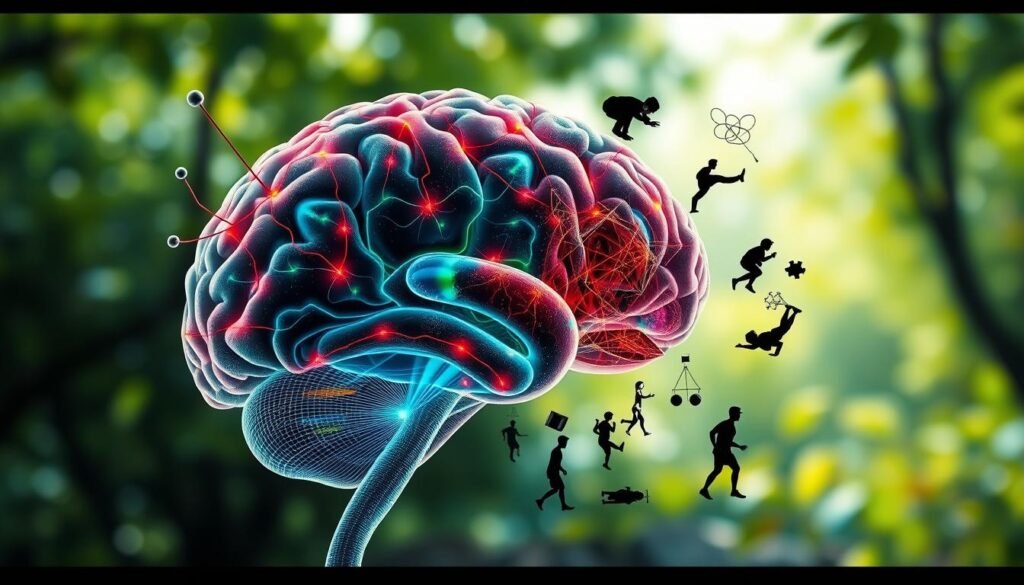
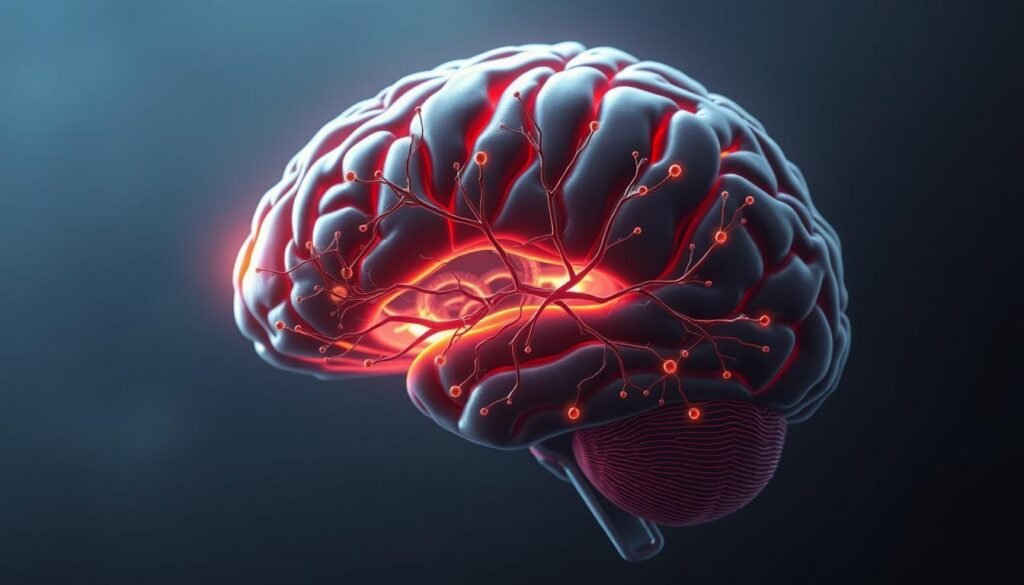
Neuroplasticity is key to making rehab work. It’s how our brains can change and get better. Our brain has many nerve cells that talk to each other in special paths.
What Happens in the Brain After Injury
When we get hurt, our brain’s paths can get broken. But, our brain can fix this by making new paths. This helps our brain heal and get ready for rehab.
The Neurological Basis for Recovery
Our brain can change itself after an injury. It does this by making new paths and making old ones stronger. Rehab brain plasticity uses this to help our brain heal.
| Mechanism | Description | Role in Recovery |
|---|---|---|
| Neurogenesis | Formation of new neurons | Enhances neural adaptability |
| Synaptic Plasticity | Strengthening of neural connections | Improves communication between neurons |
| Functional Reorganization | Rewiring of neural pathways | Compensates for damaged areas |
Knowing about neuroplasticity helps us make better rehab plans. Neuroplasticity techniques can be made just for each person. This makes rehab more personal and effective.
The Critical Window for Neuroplasticity Rehabilitation
The brain changes in different ways at different times. This makes when you start rehab very important for getting better. Early on, the brain can change a lot, which helps a lot with recovery.
Timing Your Intervention for Maximum Effect
Studies on stroke neuroplasticity show that starting rehab early is key. Right after an injury, the brain can make new connections easily. This is a special time for rehab to work best.
A study on neuro rehab psychology found that early help leads to better results. This is because the brain is most open to change right after an injury. Early rehab helps the brain adjust better.
Why Early Intervention Matters
Starting rehab early is not just helpful; it’s essential. It lets you use the brain’s natural healing powers. Early rehab takes advantage of the brain’s openness to change, helping recovery.
| Rehabilitation Stage | Characteristics | Intervention Strategies | |
|---|---|---|---|
| Acute Phase | Heightened neuroplasticity, significant recovery | potential | Intensive therapy, focus on basic functions |
| Subacute Phase | Continued neuroplasticity, refining motor skills | Task-specific training, progressive challenge | |
| Chronic Phase | Consolidation of gains, maintenance of function | Maintenance therapy, adaptive strategies |
Knowing the recovery stage is key for good rehab. Matching rehab to the stage helps improve results.
“The key to successful rehabilitation lies in understanding the dynamic interplay between the timing of intervention and the brain’s inherent capacity for neuroplasticity.”
Assessing Your Current Neurological Function
To start a successful neuroplasticity rehabilitation journey, you need to assess your current neurological function. This step is key to creating a recovery plan that fits your specific needs after a brain injury.
Self-Assessment Tools and Techniques
Self-assessment is a vital first step to understand your neurological status. There are many tools and techniques to check your cognitive, motor, and sensory abilities. For example, keeping a daily journal of your activities and challenges can help you see what you can do and what you need to work on.
- Cognitive tests, such as memory and attention assessments, can be found online or through mobile apps.
- Motor function can be evaluated through simple exercises like finger tapping or walking tests.
- Sensory assessments might involve identifying different textures or temperatures.
When to Consult a Professional
While self-assessment tools are helpful, sometimes you need a professional evaluation. If you’re facing big challenges or if your condition changes, it’s important to see a healthcare professional. They can give a detailed assessment and help you make a brain plasticity therapy plan that’s right for you.
Knowing how well your brain is working is essential for a good neuroplasticity rehabilitation program. By using self-assessment tools and getting professional help, you can make a strong recovery plan.
| Assessment Area | Self-Assessment Tools | Professional Evaluation |
|---|---|---|
| Cognitive Function | Online cognitive tests, memory apps | Comprehensive neuropsychological tests |
| Motor Function | Finger tapping tests, walking tests | Physical therapy assessments |
| Sensory Function | Texture identification, temperature tests | Sensory integration therapy assessments |
Setting Realistic Recovery Goals
Setting realistic and measurable recovery goals is key to successful cognitive rehabilitation for neuroplasticity. Clear goals help keep individuals focused and motivated during their recovery.
Short-term vs. Long-term Objectives
It’s important to know the difference between short-term and long-term goals in neuroplasticity training programs. Short-term goals are quick wins, while long-term goals are bigger pictures. For example, a short-term goal might be to improve hand dexterity with exercises. A long-term goal could be to become independent in daily life.
Tracking Progress Effectively
To promote neuroplasticity in brain rehab, tracking progress is vital. Keeping a rehabilitation journal, using apps, or regular assessments with a healthcare professional can help. This way, individuals can adjust their plans to stay on track with their goals.
A rehabilitation expert said, “Setting realistic goals and tracking progress is not just about reaching milestones. It’s about building a mindset that welcomes challenges and keeps going.”
“The key to successful rehabilitation lies not just in the exercises themselves, but in the mindset and goals that drive them.”
Principles of Effective Neuroplasticity Rehabilitation
Neuroplasticity rehabilitation works best when certain key principles are followed. These principles help improve recovery and adapt the brain.
Intensity and Repetition Requirements
Intensity and repetition are key in neuroplasticity rehab. High-intensity training sparks big changes in the brain. Repetition helps make new brain paths stronger. Studies show that doing the same thing over and over can greatly boost motor skills and thinking abilities.
Task-Specific Training Benefits
Training for specific tasks is also very important. By focusing on tasks that matter in everyday life, rehab programs can enhance neuroplasticity. This makes the brain adapt better for real-life situations.
The Role of Feedback in Neural Rewiring
Feedback is essential in neuroplasticity rehab. Timely and accurate feedback refines brain connections and fixes bad patterns. Feedback can come from senses, thinking exercises, or technology.
Using these principles in rehab programs can help people recover more fully. Good neuroplasticity rehab comes from knowing and using these principles in both clinics and at home.
Creating Your Personalized Home Exercise Plan
To get the most out of neuroplasticity, you need a home workout plan that fits you. When making your plan, think about what you need to recover well. This is key for home neuro rehab.
Factors to Consider When Designing Your Program
Consider your injury type, recovery goals, and what you have available. Knowing these helps make neuroplasticity exercises that are right for you.
Balancing Challenge and Achievability
A good exercise plan keeps you motivated and moving forward in rehab brain plasticity. Your workouts should push you but not be too hard. This keeps you from getting discouraged.
Adapting Exercises for Different Injury Severities
The level of your injury affects your workout. For serious injuries, start with easy, low-intensity exercises. Then, as you get better, make them harder.
By thinking about these points and adjusting your plan, you can make a great home neuro rehab program. It will help with rehab brain plasticity and aid in your recovery.
Structuring Your Daily Rehabilitation Routine
To get the best results from neural rewiring, you need a good daily routine. A well-thought-out plan makes your neuroplasticity exercises more effective.
Optimal Exercise Frequency and Duration
Finding the right amount of exercise is key for a good rehab program. Studies show that exercises should be done often but not too much. Aim for several times a day, with each session lasting 15 to 60 minutes. This depends on your condition and the exercises you’re doing.
Incorporating Rest Periods for Neural Consolidation
Rest is important for making new brain connections stick. It lets your brain recover and strengthen new skills. Take breaks of 5-10 minutes between sessions, and longer ones of 30 minutes to hours for intense or long sessions.
Sample Daily Schedules for Different Recovery Stages
Recovery stages mean different daily plans. In the early stages, short, frequent sessions work best. As you get better, you can do longer, more intense sessions.
| Recovery Stage | Sample Daily Schedule |
|---|---|
| Early Stage | 3 sessions of 15 minutes each, with 30 minutes rest in between |
| Intermediate Stage | 2 sessions of 30 minutes each, with 1 hour rest in between |
| Advanced Stage | 1 session of 60 minutes, with shorter rest periods of 5-10 minutes |
Motor Skill Exercises for Physical Rehabilitation
Motor skill exercises are key in physical rehab. They boost neuroplasticity and help restore physical function. These exercises improve fine and gross motor skills, coordination, and balance. These are vital for full physical recovery.
Fine Motor Control Activities
Fine motor control activities help regain dexterity and precision. Examples include:
- Picking up small objects like coins or beads
- Using tweezers to place small items into containers
- Engaging in activities that require finger isolation, such as playing the piano
These activities rebuild neural connections for fine motor control.
Gross Motor Movement Exercises
Gross motor movement exercises boost overall mobility and strength. Examples include:
- Walking or running on a treadmill
- Performing leg press or other resistance training exercises
- Engaging in aerobic exercises like cycling or swimming
These exercises improve muscle strength and endurance, aiding gross motor function.
Coordination and Balance Training
Coordination and balance training are key for physical stability and preventing falls. Examples include:
- Standing on one leg or using a balance board
- Performing tai chi or other balance-enhancing exercises
- Engaging in activities that require hand-eye coordination, such as catching a ball
These exercises enhance neuromuscular coordination and balance.
| Exercise Type | Examples | Benefits |
|---|---|---|
| Fine Motor Control | Picking up small objects, finger isolation activities | Improved dexterity, precision |
| Gross Motor Movement | Walking, running, resistance training | Enhanced mobility, strength, endurance |
| Coordination and Balance | Standing on one leg, tai chi, hand-eye coordination activities | Improved stability, reduced fall risk |
Including these motor skill exercises in a rehab program can greatly improve physical function and quality of life. It’s important to customize these exercises to meet the individual’s needs and abilities for the best results.
Cognitive Exercises to Enhance Neural Connections
Cognitive exercises play a big role in making neural connections stronger. They help improve memory, attention, problem-solving, and language skills. These activities are key for people recovering from brain injuries or dealing with neurological conditions.
Memory and Attention Training
Memory and attention training are key parts of cognitive rehab. Techniques include:
- Memory games that challenge recall and recognition
- Attention exercises that improve focus and concentration
- Tasks that require remembering sequences or patterns
Dr. Edward Taub, a top neuroplasticity expert, says, “Constraint-induced movement therapy shows the brain can change by focusing on tasks.” This idea applies to cognitive exercises too, showing the need for focused training.
Problem-Solving and Executive Function Activities
Problem-solving and executive function activities challenge the brain’s planning and task-execution skills. Examples include:
- Puzzles and brain teasers that require logical reasoning
- Tasks that involve planning and organization, such as managing a hypothetical budget
- Activities that demand flexibility in thinking, such as switching between different tasks
| Activity Type | Examples | Benefits |
|---|---|---|
| Memory Training | Memory games, recall exercises | Improved memory, better retention |
| Problem-Solving | Puzzles, logical reasoning tasks | Enhanced critical thinking, better decision-making |
| Language Exercises | Reading aloud, vocabulary building | Improved communication, enhanced linguistic skills |
Language and Communication Exercises
Language and communication exercises are vital for improving verbal and written skills. They include reading aloud, writing short stories, or engaging in conversations that challenge linguistic abilities.
Doing these cognitive exercises as part of a neuroplasticity training program can greatly improve neural connections. This promotes recovery and boosts brain function. As learning and neuroplasticity are closely linked, these exercises help the brain adapt and change.
Sensory Integration Techniques for Neural Rewiring
Sensory integration techniques are key in rewiring the brain. They help the brain adapt and recover better. These methods stimulate the senses to boost neural plasticity and aid in rehabilitation.
Multi-Sensory Stimulation Exercises
Multi-sensory stimulation exercises engage several senses at once. For example, watching a video while doing a motor task. This kind of activity strengthens neural connections by integrating sensory info.
- Watching a ball toss while performing a catching motion
- Listening to music while moving to a rhythm
- Performing a task that requires coordination between visual and motor skills
Proprioception and Body Awareness Activities
Proprioception, or body awareness, is vital for motor control and coordination. Activities that boost proprioception help improve neural rewiring. They enhance understanding of body position and movement.
“Proprioception is the ability to sense the position and movement of one’s body, which is essential for coordinated movement and balance.”
Examples of proprioception and body awareness activities include:
- Balance exercises on different surfaces
- Resistance band training to enhance muscle awareness
- Tai chi or yoga to improve flexibility and body awareness
Visual and Auditory Processing Training
Visual and auditory processing training focuses on improving how the brain handles visual and auditory info. This can be done through various activities like:
- Visual tracking exercises
- Auditory discrimination tasks
- Combining visual and auditory stimuli to enhance integration
By adding these sensory integration techniques to a rehab program, people can improve neural rewiring. This supports their recovery efforts.
Psychological Aspects of Neuro Rehab Psychology
Recovering from neurological injuries is not just about physical therapy. It also needs psychological support. Getting back lost functions is hard, both in body and mind.
Managing Frustration and Maintaining Motivation
Managing frustration is a big part of neuro rehab psychology. Patients might face slow progress or setbacks. To stay motivated, setting realistic goals and celebrating small wins is key.
- Breaking down big goals into smaller tasks
- Keeping a journal to track progress
- Getting support from loved ones or groups
Emotional Regulation Techniques
Emotional control is important during recovery. Using mindfulness meditation and cognitive-behavioral therapy (CBT) can help manage stress and anxiety.
- Try deep breathing to calm down
- Do things that make you happy and relaxed
- Use positive self-talk to fight off negative thoughts
Building a Supportive Recovery Environment
Having a supportive recovery space is essential. It’s not just about the physical area but also the people around you. A positive and encouraging environment can greatly help your recovery.
By focusing on these psychological aspects, you can make your recovery journey better and more lasting.
Specialized Stroke Neuroplasticity Exercises
Neuroplasticity after a stroke can be fostered through specific exercises. These exercises help the brain adapt and recover. Key exercises include constraint-induced movement therapy, mirror therapy, and mental imagery and visualization practices.
Constraint-Induced Movement Therapy at Home
Constraint-induced movement therapy (CIMT) involves restraining the unaffected limb. This encourages use of the affected limb. It significantly improves motor function in stroke survivors. To do CIMT at home, start by:
- Using a mitt or sling on the unaffected hand to limit its use
- Performing daily tasks with the affected hand, such as eating or dressing
- Engaging in repetitive exercises like grasping and releasing objects
Mirror Therapy Techniques
Mirror therapy uses a mirror to create the illusion of movement in the affected limb. This tricks the brain into thinking it is moving. It can help rewire the brain and improve motor function. To practice mirror therapy at home:
- Place a mirror between the affected and unaffected limbs
- Move the unaffected limb while observing its reflection, creating the illusion that the affected limb is moving
- Gradually increase the complexity of movements
Mental Imagery and Visualization Practices
Mental imagery and visualization involve imagining oneself performing tasks or movements. This technique can stimulate neuroplasticity and aid in recovery. To practice mental imagery:
- Find a quiet, comfortable space to relax and focus
- Visualize performing tasks or movements with the affected limb
- Repeat these visualizations regularly, ideally daily
| Therapy Type | Description | Benefits |
|---|---|---|
| Constraint-Induced Movement Therapy | Restraining the unaffected limb to promote use of the affected limb | Improved motor function, enhanced neuroplasticity |
| Mirror Therapy | Using a mirror to create the illusion of movement in the affected limb | Rewires the brain, improves motor function |
| Mental Imagery and Visualization | Imagining movements or tasks without physical execution | Stimulates neuroplasticity, aids in recovery |
Traumatic Brain Injury Recovery Strategies
Traumatic brain injuries can greatly affect a person’s thinking and physical skills. They need a personalized plan to recover. This plan must meet each patient’s unique needs.
Attention and Focus Training
Improving attention and focus is key in traumatic brain injury recovery. These exercises boost concentration and mental speed. Activities like puzzles, brain games, and special software are used.
Managing Cognitive Fatigue During Exercises
It’s important to manage cognitive fatigue during cognitive rehabilitation. Start with short sessions and increase them as you get stronger. Taking breaks and keeping a balanced schedule helps avoid burnout and supports steady progress.
Progressive Challenge Implementation
Adding a progressive challenge is critical for effective rehab. As you get better, your tasks should get harder. This could mean more complex puzzles, less time to solve them, or new challenges.
Using these strategies in a rehab plan helps those with traumatic brain injuries recover better. It’s important to work with healthcare experts to make these plans fit each person’s needs and track their progress.
Using Technology to Enhance Brain Plasticity Therapy
Technology has changed brain plasticity therapy for the better. Now, people can use digital tools, virtual reality, and wearable devices. These tools offer new ways to help in recovery.
Recommended Apps and Digital Tools
There are many apps and digital tools for brain plasticity therapy. They include:
- Cognitive training apps that boost memory, attention, and problem-solving
- Digital platforms with personalized exercise plans
- Mindfulness and meditation apps for stress and emotional control
These tools make practicing exercises fun and effective. They help make rehabilitation better and more enjoyable.
Virtual Reality Applications for Rehabilitation
Virtual reality (VR) is now used in brain plasticity therapy. VR offers immersive experiences. These can help people regain motor skills and improve thinking.
| Benefit | Description |
|---|---|
| Enhanced Engagement | VR experiences are engaging, making people want to participate in their therapy. |
| Personalized Therapy | VR can be customized to fit each person’s needs and goals. |
| Improved Outcomes | Research shows VR therapy can lead to better results in rehabilitation. |
Wearable Devices for Progress Monitoring
Wearable devices are key for tracking progress in brain plasticity therapy. They monitor movement, activity, and health. This data helps doctors adjust treatment plans.
With these technologies, people in brain plasticity therapy get better, more tailored care. This makes their rehabilitation more effective and personal.
Measuring Progress and Overcoming Plateaus
It’s key to track progress and tackle plateaus in neuroplasticity rehab. As people work on their recovery, checking their progress helps them stay on course.
Objective Assessment Methods
Objective methods give a clear view of how well someone is doing. These might include tests, functional checks, and tech like wearables or apps. For example, in motor skill rehab, tests might look at grip strength or how well someone can do daily tasks.
| Assessment Method | Description | Example |
|---|---|---|
| Standardized Tests | Validated measures to assess specific cognitive or motor functions. | Fugl-Meyer Assessment for motor function post-stroke. |
| Functional Assessments | Evaluations of the ability to perform daily tasks and activities. | Ability to dress, feed, or perform household chores. |
| Technology-Based Tracking | Use of devices or apps to monitor progress over time. | Wearable devices tracking movement or mobile apps for cognitive training. |
When and How to Increase Exercise Difficulty
It’s important to make exercises harder as you get better. This step challenges you and helps your brain grow more. Decide to up the challenge based on how well you’re doing. Making exercises more intense or complex keeps you moving forward.
Strategies for Increasing Difficulty:
- Adding more complex tasks or exercises.
- Increasing the duration or frequency of exercises.
- Reducing assistance or support provided during exercises.
Strategies to Restart Neural Growth
When you hit a plateau, it’s time to try new things. This could mean changing exercises, learning new skills, or trying different training methods. The goal is to keep challenging your brain and keep growing.
Common Mistakes to Avoid in Home Neuroplasticity Training Programs
Effective home neuroplasticity training requires avoiding certain mistakes. People doing rehab at home need to know these pitfalls. This ensures a safe and effective recovery.
Overtraining and Its Negative Effects
Overtraining is a big mistake that can cause fatigue, lower motivation, and injury. It’s key to balance how hard and long you train with enough rest. Overtraining can undo the good of neuroplasticity training, causing frustration and burnout.
Inconsistency and Program Abandonment
Inconsistency is another big issue, as it can mess up the brain’s adaptation process. It’s important to have a regular routine and stick to it for progress. Program abandonment often happens when goals are too high or progress is slow. Setting realistic goals and tracking progress is key.
Ignoring Pain or Regression Signals
Ignoring pain or signs of getting worse is risky and can cause more harm. It’s important to listen to your body and adjust your training. Paying attention to these signals helps keep the rehab safe and effective.
Knowing these common mistakes and avoiding them can help improve home neuroplasticity training. This leads to better results.
Conclusion: Maintaining Long-Term Recovery Through Neuroplasticity
To keep recovery going, it’s important to keep practicing and getting support. Staying committed to neuroplasticity rehab is key. By using the tips from this article, you can help your brain adapt and recover.
Recovery lasts by always pushing your brain and updating your rehab plans. It’s vital to keep moving forward with regular practice and new challenges. This helps you break through any slowdowns and keep improving.
Knowing how neuroplasticity works and doing exercises at home can help you help yourself. With hard work and the right help, you can get back to living fully. This means you can regain your independence and enjoy a better life.
FAQ
What is neuroplasticity and how does it relate to brain injury recovery?
How can I assess my current neurological function after a brain injury?
What are the key principles of effective neuroplasticity rehabilitation?
How can I create a personalized home exercise plan for neuroplasticity rehabilitation?
What types of exercises are beneficial for physical rehabilitation through neuroplasticity?
How can cognitive exercises enhance neural connections?
What is the role of sensory integration techniques in neural rewiring?
How can technology be used to enhance brain plasticity therapy?
What are common mistakes to avoid in home neuroplasticity training programs?
How can I measure progress and overcome plateaus in rehabilitation?
What is the importance of maintaining long-term recovery through neuroplasticity?
About the Author


The PsyForU Editorial Collective is the research and editorial team of PsyForU Research International. The collective prepares educational, psychological, mental-health-awareness, inclusion, neurodiversity, and research-methodology content for students, parents, educators, researchers, and general readers. PsyForU content is intended for awareness, education, and capacity-building and should not be treated as clinical diagnosis, therapy, medical advice, legal advice, or emergency mental-health support.