Introduction
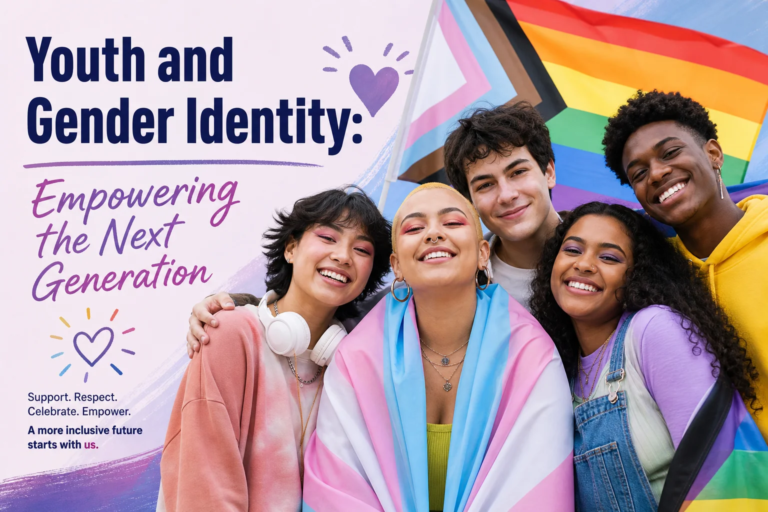
In a world that continues to evolve, the understanding of gender identity is undergoing a transformative journey. What once seemed like rigid binaries—male and female—are now expanding into a spectrum that acknowledges a multitude of identities. The evolution of gender identity: the rise of non-binary recognition marks a significant shift in societal attitudes, allowing individuals to express themselves beyond traditional norms. This article delves deep into this fascinating evolution, providing insights, case studies, and a broader understanding of why recognizing non-binary identities is more essential than ever.
What is Non-Binary Identity?
Non-binary is a term used to describe gender identities that do not fit within the traditional frameworks of male or female. Instead, non-binary individuals may identify as a blend of both, neither, or fall outside of these categories entirely. This growing recognition of non-binary identities marks a profound shift in how society perceives and interacts with gender.
Historical Context
Historically, gender has often been classified in a binary manner. Ancient cultures, however, recognized more than two genders. For instance, the hijra of South Asia and the Two-Spirit identity in many Indigenous cultures in North America offer evidence that non-binary identities are not a contemporary phenomenon but have existed for centuries.
The Evolution of Gender Identity: A Societal Shift
The Path to Recognition
The evolution of gender identity: the rise of non-binary recognition can be traced back to various social movements, predominantly those advocating for LGBTQ+ rights. The 20th century saw the emergence of organizations like the Gay Liberation Front, which ignited conversations around sexual orientation and gender identity.
Case Study: The Transgender Rights Movement
One key moment was the transgender rights movement of the late 20th century, culminating in increased visibility for non-binary individuals. Activists like Marsha P. Johnson and Sylvia Rivera played pivotal roles in pushing boundaries and challenging traditional notions of gender. Their legacy paved the way for the contemporary understanding of gender, allowing non-binary identities to flourish.
Modern-Day Recognition
In recent years, institutions, legal frameworks, and social policies have begun to reflect a growing recognition of non-binary identities. Countries like Canada and Australia have made strides toward acknowledging non-binary individuals in their legal systems. Non-binary options on forms, passports, and driver’s licenses have become increasingly common.
Table 1: Global Legal Recognition of Non-Binary Identities
| Country | Legal Recognition Status |
|---|---|
| Canada | Non-binary gender marker available on passports |
| Australia | Legal acknowledgment in several states |
| United States | Varies by state; some states allow X gender marker |
| Germany | Legal recognition of a third gender |
Health and Mental Well-Being
The evolution of gender identity: the rise of non-binary recognition has critical implications for mental health. Studies reveal that non-binary individuals often experience higher rates of mental health issues due to societal stigma. The acknowledgment of non-binary identities can lead to improved mental health outcomes, as individuals feel validated and accepted.
Case Study: The National Transgender Discrimination Survey
The National Transgender Discrimination Survey (NTDS) highlights the chronic discrimination faced by non-binary individuals. Findings indicate that nearly 40% of non-binary individuals had attempted suicide at some point in their lives. This stark reality underscores the urgency of recognizing and validating diverse gender identities.
Non-Binary Visibility in Culture
As society progresses, non-binary representation is becoming increasingly visible in media, arts, and public spaces. Icons like Sam Smith and Janelle Monáe openly discuss their non-binary identities, leading to greater awareness and understanding.
The Role of Social Media
Platforms like Instagram and TikTok have allowed non-binary voices to thrive, creating communities around shared experiences. User-generated content plays a significant role in fostering acceptance and generating dialogue about gender identity.
Case Study: “They/Them” Campaigns
In 2020, several non-binary individuals launched the “They/Them” campaign, advocating for the recognition of non-binary pronouns in schools and workplaces. The success of this campaign illustrates the power of grassroots movements in challenging societal norms.
Challenges Facing Non-Binary Individuals
Despite the progress made in the evolution of gender identity: the rise of non-binary recognition, challenges persist. Social stigma, lack of understanding, and discriminatory policies continue to create barriers for non-binary individuals.
Workplace Discrimination
Non-binary individuals often face challenges associated with gendered expectations in professional settings. Many workplaces are still unprepared to support employees identifying outside the binary, leading to stress and discomfort.
Case Study: The Gender Spectrum Workplace Initiative
Organizations like Gender Spectrum promote inclusivity in the workplace. Their guidelines provide businesses with strategies to create an environment where non-binary individuals feel accepted and respected.
The Educational Landscape
Schools are often a focal point for discussions around gender identity. Many non-binary students face bullying, which can affect their educational experience. Establishing safe and inclusive environments is critical.
Table 2: Recommendations for Educational Institutions
| Recommendation | Description |
|---|---|
| Gender-Supportive Policies | Create policies that respect all gender identities |
| Inclusive Curricula | Integrate discussions on gender identity into the curriculum |
| Staff Training | Provide training for staff to understand and support non-binary students |
Building Allyship: How to Support Non-Binary Individuals
Allyship plays a significant role in the evolution of gender identity: the rise of non-binary recognition. Here are actionable steps individuals can take to support non-binary communities:
Educate Yourself: Understanding the complexities of gender identity is the first step in providing support.
Use Correct Pronouns: Always ask for and respect individuals’ chosen pronouns.
Promote Inclusive Language: Encourage the use of non-binary language in discussions and writings.
Challenge Discrimination: Stand up against instances of prejudice and educate others about non-binary identities.
- Support Non-Binary Representation: Advocate for and amplify non-binary voices in media, politics, and your community.
Conclusion
The evolution of gender identity: the rise of non-binary recognition represents not just a shift in terminology but a profound cultural transformation. As we move toward a more inclusive society, acknowledging and celebrating diverse gender identities becomes crucial. Each step taken towards recognition fosters a more accepting environment for all individuals to thrive.
In this journey, every individual has a role to play—whether it’s through education, representation, or allyship. By embracing non-binary identities, we enrich our collective understanding of what it means to be human, paving the way for a future where everyone can feel seen, validated, and celebrated for who they truly are.
FAQs
1. What does non-binary mean?
Non-binary refers to gender identities that do not fit within the traditional categories of male or female. Non-binary individuals may identify as both, neither, or something entirely different.
2. How can someone support a non-binary friend?
Supporting a non-binary friend involves respecting their chosen name and pronouns, educating yourself about non-binary issues, and being an ally by challenging discrimination.
3. Are there legal protections for non-binary individuals?
Legal protections for non-binary individuals vary by country and region. Some places have recognized non-binary identities in legal documents, such as passports, while others have yet to implement such changes.
4. What are the mental health implications for non-binary individuals?
Non-binary individuals may face higher rates of mental health challenges due to societal stigma, discrimination, and lack of acceptance, reinforcing the need for inclusive environments.
5. How does societal recognition impact non-binary individuals?
Greater societal recognition and acceptance of non-binary identities can lead to improved mental well-being, reduced stigma, and a more inclusive culture overall.
By exploring these topics and engaging in meaningful conversations, we can contribute to the ongoing evolution of gender identity, ensuring that everyone—regardless of how they identify—has a voice and a place in our society.
About the Author


The PsyForU Editorial Collective is the research and editorial team of PsyForU Research International. The collective prepares educational, psychological, mental-health-awareness, inclusion, neurodiversity, and research-methodology content for students, parents, educators, researchers, and general readers. PsyForU content is intended for awareness, education, and capacity-building and should not be treated as clinical diagnosis, therapy, medical advice, legal advice, or emergency mental-health support.