Introduction
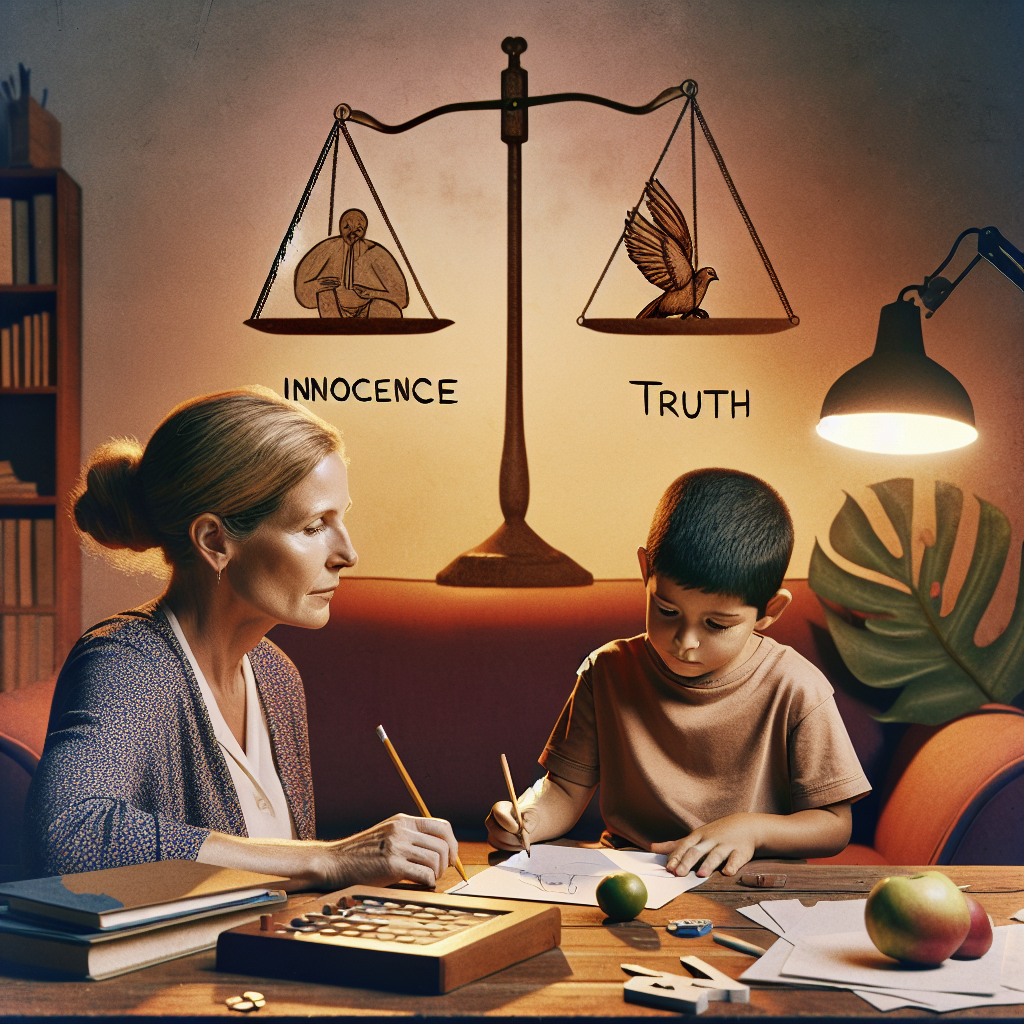
In the complex landscape of legal proceedings, nothing is as crucial yet challenging as the testimony of child witnesses. Their voices can illuminate the darkest corners of injustice, but assessing their reliability can be fraught with complications. Child witnesses hold the power to protect the innocent and bring perpetrators to justice, yet their unique vulnerabilities necessitate nuanced approaches to evaluation and respect. Protecting the Innocent: The Challenges of Assessing Child Witnesses is not merely a legal phrase; it embodies the precarious balance of ensuring that children’s testimonies are heard while also safeguarding their mental well-being and credibility.
As we delve into the multifaceted challenges posed by child witnesses, it becomes clear that understanding their perspectives and the environment surrounding their accounts is vital. This article will explore these challenges through various angles—psychological, legal, and sociocultural—while providing actionable insights and illustrating real-world applications through compelling case studies.
The Fragility of Childhood Memory
Understanding Child Cognitive Development
Children are in constant state of cognitive growth, which affects their ability to recall events accurately. Research has shown that children’s memories can be malleable and susceptible to suggestion. For instance, young children often struggle to differentiate between reality and imagination. According to psychologist Elizabeth Loftus, "Memories can be distorted simply by the questions we ask."
Case Study: The McMartin Preschool Trial
The notorious McMartin preschool trial of the 1980s serves as a poignant example of the challenges inherent in child witness testimony. Allegations of abuse, primarily based on children’s testimonies, spiraled into a protracted legal battle. Experts later highlighted how leading questions posed during interviews may have contributed to false memories among child witnesses. This case illustrates the peril of misunderstanding how children’s cognitive frameworks operate and the repercussions that can ensue.
The Role of Interview Techniques
Best Practices in Child Interviews
To address the challenges posed by child witnesses, interview techniques must be tailored to suit their developmental stage. Effective practice typically involves:
- Open-Ended Questions: Encourage children to elaborate rather than simply providing yes/no answers.
- Use of Neutral Language: Avoid leading questions that may sway the child’s response.
- Creating a Safe Environment: Make children feel comfortable to promote reliable responses.
Visual Support: Interview Technique Breakdown
| Technique | Description | Example |
|---|---|---|
| Open-Ended Questions | Encourages detailed responses without leading | "Can you tell me what happened?" |
| Neutral Language | Minimizes suggestion in the questions | "What do you remember?" |
| Safe Environment | Establish rapport to provide comfort to the child | "I’m here to listen and help you." |
In case studies where these techniques were effectively employed, the accuracy of child testimonies improved significantly, affirming the importance of well-structured interviews.
The Influence of External Factors
Societal and Familial Pressures
The environment in which a child resides can have a profound impact on their willingness and ability to testify. Family dynamics, peer influences, and societal expectations can all contribute to the stress of delivering testimony, especially in cases of abuse or neglect. Children often feel pressure to conform to parental narratives or to please authority figures, thus complicating their testimonies and potentially leading to inaccuracies.
Case Study: The Influence of Family in Child Testimony
In a child abuse case in the UK, it was observed that the child’s testimony wavered when family members were present during interviews. The presence of a supportive parent can sometimes provide comfort; conversely, it can also create a coercive atmosphere that leads to discrepancies in the child’s narrative. Here, understanding family dynamics was key in navigating the complexities of the child’s testimony.
Legal Implications and Protections
The Legal Framework Surrounding Child Witnesses
While the validity of child testimonies is recognized, legal systems must tread carefully to protect the rights of the child. Laws vary by jurisdiction, and many places have established protocols intended to shield child witnesses from further trauma during legal proceedings.
- Children’s Testimony Prevention Law: Designed to minimize stress during depositions and court appearances.
- Admissibility Standards: Criteria defining when a child’s testimony is considered reliable and legally admissible.
Case Study: The Impact of Legal Protections
In a landmark ruling in California, a child witness was allowed to testify via video link to minimize stress. The outcome of the trial highlighted the importance of accommodating the child’s well-being while still securing justice. This case opened doors for more protective measures across the legal landscape, aligning with the goal of protecting the innocent.
Psychological Considerations and Counseling
Providing Support for Child Witnesses
One essential aspect of protecting the innocent is ensuring that child witnesses receive adequate psychological support. Trauma stemming from the event they’re testifying about can be compounded by the legal process itself.
The Role of Trauma-Informed Care
Integrating trauma-informed care within the legal framework can help mitigate mental health repercussions. Counselors trained in handling child witnesses can support children through the process, thereby enhancing their ability to communicate their experiences more effectively.
Case Study: The Role of Counseling in Child Testimony
In a custody case involving allegations of domestic abuse, the child underwent counseling before providing testimony. Therapists noted significant improvements in the child’s ability to articulate experiences, emphasizing the importance of psychological support in legal contexts.
Future Directions and Innovations
Innovations in Assessing Child Witnesses
As our understanding of child cognition and trauma deepens, innovative methods are being developed to assess child witnesses more effectively. Emerging technologies, such as virtual reality scenarios and child-friendly apps, seek to create non-threatening environments for children to share their experiences.
Collaborative Approaches in Assessments
Interdisciplinary teams comprising psychologists, legal experts, and social workers can provide a holistic approach to assessing child witnesses. Such teams can ensure that all aspects of the child’s experience are considered, ultimately leading to more reliable and valid testimonies.
Conclusion
Protecting the Innocent: The Challenges of Assessing Child Witnesses is a multifaceted endeavor that requires a concerted effort from legal professionals, psychologists, and society. By acknowledging the delicate nuances of child memory, employing best interview practices, understanding societal influences, and implementing protective legal measures, we can foster an environment where child witnesses feel safe and empowered to share their truths.
The path forward involves prioritizing the mental health of child witnesses while ensuring that their testimonies are not merely hearsay but vital pieces of the justice puzzle. As our understanding of childhood development evolves, so too must our approaches to the invaluable voices of the innocents among us.
FAQs
1. Why is child testimony often considered less reliable than adult testimony?
Child witnesses often face challenges with memory recall and may be influenced by leading questions or external pressures, creating potential discrepancies in their accounts.
2. How can interviewers ensure that they are asking questions effectively?
Interviewers should use open-ended questions, avoid leading language, and build a rapport with the child to ensure comfort, all while creating a supportive environment.
3. What legal protections exist for child witnesses?
Laws often mandate measures such as separate waiting areas, video testimony, and restrictions on who can be present during interviews to minimize stress and trauma.
4. How can parents support their child during legal proceedings?
Parents should maintain open lines of communication, ensure their child has access to counseling, and respect the child’s autonomy in sharing their experiences.
5. What role does psychological support play in the testimony of child witnesses?
Psychological support helps children articulate their experiences more effectively while mitigating the trauma associated with the events they are discussing and the legal process itself.
By fostering a deeper understanding of Protecting the Innocent: The Challenges of Assessing Child Witnesses, we open the door to more compassionate and effective practices that empower our most vulnerable populations—our children.
About the Author


The PsyForU Editorial Collective is the research and editorial team of PsyForU Research International. The collective prepares educational, psychological, mental-health-awareness, inclusion, neurodiversity, and research-methodology content for students, parents, educators, researchers, and general readers. PsyForU content is intended for awareness, education, and capacity-building and should not be treated as clinical diagnosis, therapy, medical advice, legal advice, or emergency mental-health support.