Introduction
In the ever-evolving landscape of education, researchers continually seek effective methodologies to evaluate and enhance teaching strategies and learning outcomes. Among the popular approaches in education research, quasi-experimental designs stand out for their unique ability to balance rigor and practicality. Exploring the Benefits and Limitations of Quasi-Experimental Designs in Education Research is not merely an academic pursuit; it has profound implications for educators, policymakers, and stakeholders invested in educational success. This article provides an in-depth exploration of quasi-experimental designs, highlighting both their advantages and challenges while weaving in practical case studies to showcase their real-world applications.
Understanding Quasi-Experimental Designs
Defining Quasi-Experimental Designs
At its core, quasi-experimental research lacks the full randomization found in traditional experimental setups. Instead, these designs utilize existing groups—such as classrooms or schools—to evaluate interventions or programs. Despite this limitation, there are distinct settings in education where quasi-experimental designs can yield rich insights.
Key Features of Quasi-Experimental Designs
Non-Random Assignment: Participants are assigned to groups based on existing characteristics rather than random selection.
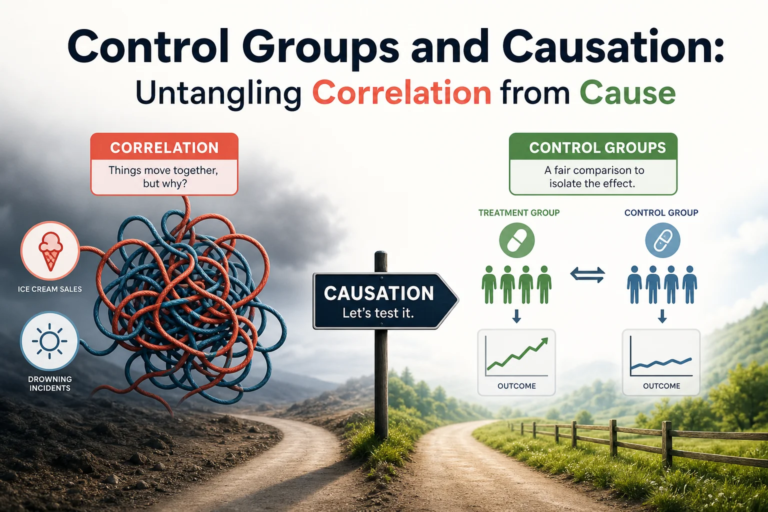
Control Group: Many quasi-experimental designs still incorporate a control group, allowing researchers to compare effects effectively.
- Natural Settings: Implemented in real-world educational contexts, making findings more applicable and relevant.
Common Types of Quasi-Experimental Designs
- Nonequivalent Control Group Design: This design involves a treatment group and a comparison group that are not randomly assigned.
- Interrupted Time Series Design: This design analyzes data collected over time, before and after an intervention, allowing researchers to observe trends.
The Benefits of Quasi-Experimental Designs in Education Research
Real-World Application
One of the main advantages of quasi-experimental designs is their applicability in real-world settings. For educators and administrators, understanding how an intervention works in the classroom is crucial.
Case Study: A study conducted on the effectiveness of a literacy program in schools across New York City utilized a quasi-experimental design. The researchers compared schools that adopted the program with those that did not. The findings illustrated a significant positive impact on student literacy rates, showcasing how practical applications can yield valuable insights into effective strategies.
Ethical Considerations
Quasi-experimental designs are often more ethical than randomized controlled trials, especially in educational settings. When dealing with vulnerable populations, not randomizing students is sometimes the most responsible approach.
Cost-Effectiveness
Conducting randomized controlled trials can be resource-intensive. Quasi-experimental designs often require fewer resources, making them an attractive option for educational researchers working with limited budgets.
Longitudinal Insights
Quasi-experimental designs can facilitate long-term studies, uncovering trends over time that might not be visible in shorter studies.
Case Study: A longitudinal quasi-experimental study on the impact of technology integration in classrooms over several years indicated that students in tech-rich environments showed sustained improvement in engagement and performance.
| Feature | Randomized Experimental Design | Quasi-Experimental Design |
|---|---|---|
| Random Assignment | Yes | No |
| Control Group | Yes | Yes (often existing groups) |
| Cost | High | Moderate |
| Ethical Considerations | Sometimes problematic | Generally favorable |
| Applicability | Controlled settings | Real-world environments |
Limitations of Quasi-Experimental Designs in Education Research
Inferential Limitations
One of the biggest drawbacks of quasi-experimental designs is their potential for confounding variables. Without randomization, it can be challenging to draw firm causal conclusions.
Case Study: An evaluation of a new math curriculum compared two schools—the test school, which implemented the curriculum, and a control school, which continued with the existing program. However, the test school had a higher percentage of experienced teachers, which complicates attributing success solely to the new curriculum.
Selection Bias
Since participants are not randomly assigned, selection bias can skew results. Differences between the treatment and control groups may exist prior to the intervention, influencing outcomes.
Limited Generalizability
While results from quasi-experimental designs often provide valuable insights, the findings may not always apply to broader populations. Researchers must be cautious in generalizing their collective findings.
Balancing Benefits and Limitations
Designing Effective Quasi-Experimental Studies
To effectively harness the power of quasi-experimental designs, researchers must employ rigorous methods to mitigate limitations. Here are several strategies:
Matched Groups: Pairing groups based on key characteristics can help control for potential confounding variables.
Detailed Pre-Intervention Data: Gathering comprehensive data before implementing an intervention can provide a clearer picture of its effects.
- Robust Statistical Analysis: Utilizing statistical methods can help control for biases and strengthen study outcomes.
Case Studies in Depth
Case Study 1: School-Wide Intervention for Student Engagement
A notable quasi-experimental study examined the impact of a school-wide intervention aimed at enhancing student engagement through project-based learning. Researchers compared engagement levels in classrooms that adopted the intervention with those that did not.
Analysis
Despite the lack of randomized groups, the results indicated a marked increase in student engagement, suggesting that project-based learning could significantly contribute to fostering a more dynamic educational environment.
Case Study 2: Teacher Training Programs
In a district-wide initiative, researchers investigated the effects of a teacher training program aimed at improving instructional strategies. The study compared test scores from classrooms where teachers participated in the training versus classrooms where teachers did not partake.
Analysis
While the results showed positive trends in student performance, the researchers had to account for other factors, such as teacher experience and classroom dynamics, before concluding the training’s effectiveness.
Conclusion
The capacity to effectively evaluate educational programs using quasi-experimental designs is both a powerful tool and a complex challenge. Exploring the Benefits and Limitations of Quasi-Experimental Designs in Education Research reveals that while these methodologies have ethical, practical, and insightful implications, they also come with inherent limitations that require careful navigation. As educational researchers continue to employ these designs, striking a balance between rigorous methodology and real-world applicability remains essential.
As educators and researchers, we should embrace quasi-experimental designs not as substitutes for randomized experiments but as complementary approaches that enrich our understanding of educational practices. By doing so, we can contribute meaningfully to the progress of teaching and learning in our schools.
FAQs
1. What are quasi-experimental designs?
Quasi-experimental designs are research methodologies that do not involve random assignment of participants to treatment and control groups, often using existing groups to evaluate interventions.
2. What are the advantages of using quasi-experimental designs?
The key advantages include real-world applicability, cost-effectiveness, fewer ethical concerns, and the ability to analyze longitudinal data.
3. What are the limitations of quasi-experimental designs?
Limitations include the potential for selection bias, confounding variables, and challenges in generalizing findings to broader populations.
4. How can researchers mitigate the limitations of quasi-experimental designs?
Researchers can use matched groups, gather detailed pre-intervention data, and apply robust statistical methods to enhance the validity of their findings.
5. Can quasi-experimental studies influence educational policy?
Yes, findings from quasi-experimental studies can significantly inform educational policy, especially when they highlight effective practices and strategies that can be scaled across different educational contexts.
About the Author


The PsyForU Editorial Collective is the research and editorial team of PsyForU Research International. The collective prepares educational, psychological, mental-health-awareness, inclusion, neurodiversity, and research-methodology content for students, parents, educators, researchers, and general readers. PsyForU content is intended for awareness, education, and capacity-building and should not be treated as clinical diagnosis, therapy, medical advice, legal advice, or emergency mental-health support.