Introduction
As the warm glow of summer fades and the excitement of a new school year begins, many parents and caregivers grapple with one significant question: Is my child ready for school? This inquiry is more than just a routine concern—it’s a pivotal moment that can shape your child’s educational journey and overall development. Enter School Readiness: A Comprehensive Guide for Parents and Caregivers. This guide aims to illuminate the multifaceted aspects of school readiness—from social skills and emotional development to cognitive abilities and physical readiness.
Understanding school readiness is vital; it’s not merely about the ability to read or write but encompasses a broad spectrum of competencies. Armed with the insights from this article, you will cultivate a richer understanding of how to support your child’s growth and ensure they are poised for success as they take their initial steps into the world of formal education.
What is School Readiness?
School readiness is a term that describes a child’s preparedness for the demands of the school environment. It includes several components:
- Social-Emotional Development: Can your child navigate friendships, understand emotions, and handle conflict?
- Cognitive Skills: Is your child able to focus, follow directions, and solve problems?
- Language Development: Can they articulate their thoughts and understand instructions?
- Physical Development: Can they hold a pencil, manage their belongings, and navigate the school environment comfortably?
The Importance of a Holistic Approach
Focusing solely on academic skills can overlook critical areas that contribute to a child’s overall readiness. Let’s break down why a holistic approach is essential in preparing your child for school.
Social Skills: Developing friendships and learning to communicate effectively serve as the foundation for future learning environments.
Emotional Stability: Recognizing and managing emotions foster resilience, which is critical as children face the challenges of school life.
Cognitive Growth: Engaging in problem-solving activities enhances creativity and critical thinking.
- Physical Coordination: Developing fine and gross motor skills is crucial for everyday tasks in school and beyond.
Assessing School Readiness
Observational Checklists
An effective way to assess your child’s readiness is through observational checklists. Here’s a simple table for you to evaluate your child’s readiness across various domains:
| Domain | Skills to Assess | Yes | No |
|---|---|---|---|
| Social Skills | Shares toys, waits their turn, plays cooperatively | ||
| Emotional Skills | Expresses feelings appropriately, calms down after a problem | ||
| Cognitive Skills | Can follow two-step directions, recognizes some letters | ||
| Language Skills | Speaks in full sentences, asks questions | ||
| Physical Skills | Can dress independently, uses scissors safely |
Case Study: The Importance of Early Assessment
Take the case of Sarah, a five-year-old who displayed delays in social skills. Her parents utilized a comprehensive assessment tool to identify her needs. With targeted interventions, such as social skills groups, Sarah blossomed. By the time she entered kindergarten, her ability to make friends and communicate effectively had significantly improved.
Analysis
Sarah’s story epitomizes the importance of early assessment. Identifying weaknesses allows caregivers and educators to implement strategies tailored to each child’s needs, fostering a smoother transition into school.
Supporting Your Child’s Development
Once you understand the elements of school readiness, it’s time to consider how to effectively support your child’s growth.
Encouraging Social Skills
- Playdates: Organizing playdates with peers can cultivate social interactions.
- Role-Playing: Engage in role-playing scenarios that require sharing, taking turns, or managing conflicts.
Fostering Emotional Intelligence
- Modeling Emotion Management: Demonstrate how to deal with frustration and disappointment.
- Discussing Feelings: Encourage your child to label their feelings and articulate them.
Enhancing Cognitive Skills
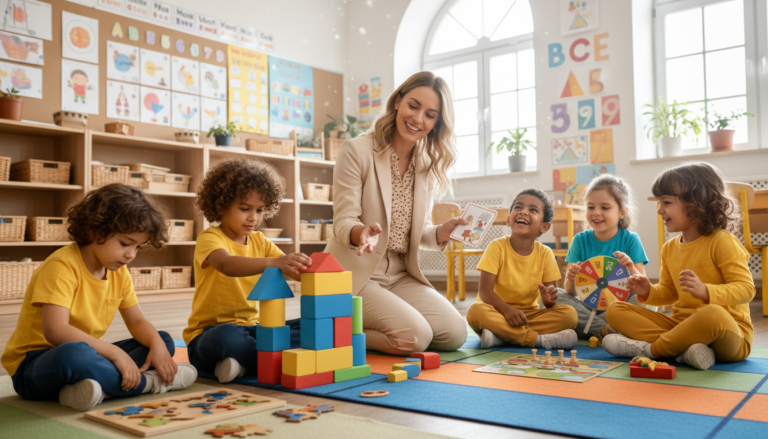
- Problem-Solving Games: Puzzles and building blocks promote critical thinking.
- Structured Routine: Having a routine helps children understand sequences and following directions.
Bolstering Language Development
- Read Together: Encourage reading daily to foster vocabulary and comprehension.
- Ask Open-Ended Questions: Promote conversation and deeper thinking by asking questions that require more than a yes/no answer.
Developing Physical Skills
- Fine Motor Activities: Crafts, drawing, and cutting exercises help develop dexterity.
- Outdoor Play: Climbing, running, and jumping not only build physical stamina but also improve coordination.
Case Study: Language Development Boost
Consider the example of Ben, who entered preschool with limited language skills. His caregivers prioritized reading sessions and interactive storytelling. By the end of the school year, Ben’s vocabulary expanded remarkably, significantly improving his confidence and engagement in class.
Analysis
Ben’s experience exemplifies how early intervention in language development can lead to substantial improvements, enabling a richer school experience.
Building a Supportive Environment
Creating an environment that nurtures development can make a significant difference.
Home Learning Environment
- Organized Spaces: A clutter-free learning space can enhance focus.
- Quality Time: Spend focused, quality time with your child, engaging in learning activities without distractions.
Involving the Community
- Playgroups: Seek out local playgroups or activities where children can interact and learn social skills.
- Library Programs: Utilize local library programs to expose your child to new ideas and concepts.
Collaborative Relationships with Educators
- Communicate with Teachers: Establish open lines of communication with your child’s teachers; ask for feedback on their progress.
- Participate in School Events: Engaging in school activities reinforces the importance of education.
Potential Challenges and Solutions
Transition Anxiety
It’s not uncommon for children to experience anxiety about starting school. Helping your child become familiar with their new environment can ease this transition.
- School Visits: Arrange visits to the school before the academic year begins.
- Meet the Teacher: Organize a meet-and-greet with classroom teachers to establish comfort.
Case Study: Managing Transition Anxiety
Jessica, a shy child facing severe anxiety about attending school, was introduced to her new teacher and classroom months before school started. Gradually, she became accustomed to the environment, enabling a smoother transition when the school year commenced.
Analysis
This scenario highlights how proactive strategies can mitigate transitional challenges, fostering a positive start to the school experience.
Conclusion
Understanding School Readiness: A Comprehensive Guide for Parents and Caregivers is crucial in nurturing a well-rounded educational foundation for your child. By focusing on social skills, emotional maturity, cognitive development, and language abilities, you are setting your child up for success.
As you embark on this journey, remember: every child is unique. Celebrate their individual strengths, address their challenges, and inspire them to grow. Your support will be invaluable as they navigate their educational path, ultimately leading to a lifelong love of learning.
FAQs
1. What is the most important factor in school readiness?
Social-emotional skills are often regarded as the bedrock of school readiness, as they enable children to form relationships and cope with challenges.
2. How can I assess my child’s readiness for school?
Use observational checklists, speak with educators, and consider your child’s behavior in social situations as mechanisms for assessment.
3. Are there specific activities you recommend to improve school readiness?
Engaging in structured playdates, reading regularly, and outdoor activities can significantly enhance your child’s school readiness.
4. At what age should I begin preparing my child for school?
Preparation can start as early as preschool years. It’s never too early to foster the skills needed for effective learning.
5. What should I do if my child is struggling with school readiness?
Consult with educational professionals for tailored strategies, and consider alternative social or learning environments to support your child’s development.
As you immerse yourself in this School Readiness: A Comprehensive Guide for Parents and Caregivers, keep in mind the lasting impact your support can have on your child’s educational experience. Your involvement and understanding are the catalysts for their future success.
About the Author


The PsyForU Editorial Collective is the research and editorial team of PsyForU Research International. The collective prepares educational, psychological, mental-health-awareness, inclusion, neurodiversity, and research-methodology content for students, parents, educators, researchers, and general readers. PsyForU content is intended for awareness, education, and capacity-building and should not be treated as clinical diagnosis, therapy, medical advice, legal advice, or emergency mental-health support.