Introduction
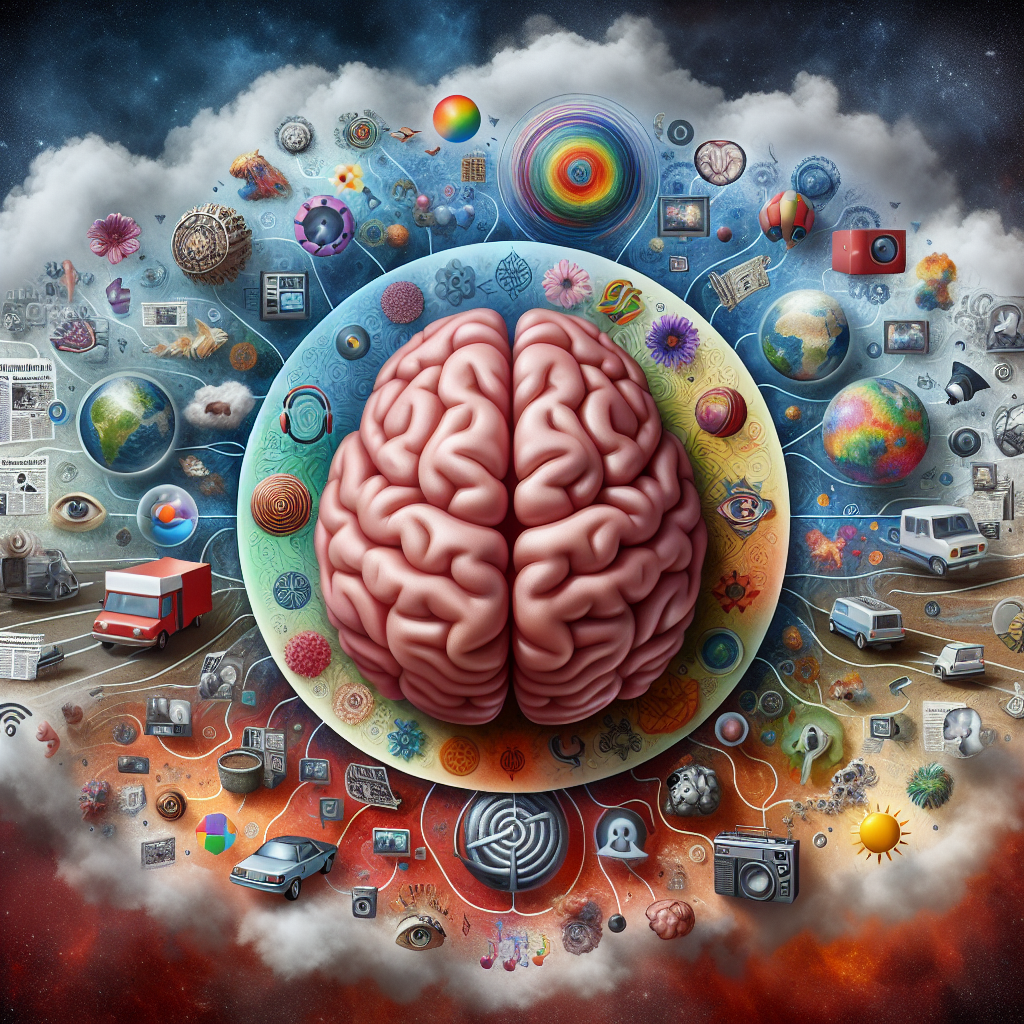
In an age where information overload is the norm, understanding how we perceive media can illuminate the hidden forces that shape our beliefs and decisions. The concept of cognitive biases—systematic patterns of deviation from norm or rationality in judgment—provides vital insights into this phenomenon. Cognitive Biases in Media: How Our Perceptions Are Shaped by Hidden Forces is not just a catchy phrase; it’s a profound reality that affects every aspect of our daily lives. From news consumption to social media interactions, cognitive biases play a critical role in steering our opinions and behaviors without our conscious awareness.
Imagine scrolling through your social media feed and encountering a post that instantly resonates with you. Why does this specific piece of information catch your attention? Why do you feel compelled to share it or respond? The answer often lies in the cognitive biases at play, which can create echo chambers, amplify misinformation, and manipulate public perception. Ultimately, awareness of these biases can enhance our media literacy, enabling us to navigate the labyrinthine world of information more effectively.
Understanding Cognitive Biases
What Are Cognitive Biases?
Cognitive biases are psychological phenomena that cause individuals to think in a certain way and make decisions based on subjective perceptions rather than objective realities. These biases can arise from various factors, including emotions, past experiences, and the framing of information.
Common Cognitive Biases in Media
Confirmation Bias: This occurs when individuals favor information that confirms their pre-existing beliefs. For instance, a person who believes in a specific political ideology will likely seek out news sources that align with that ideology, reinforcing their views while dismissing opposing perspectives.
Bandwagon Effect: This bias leads individuals to adopt certain behaviors or ideas simply because others around them are doing it. In media, this can manifest in the viral spread of trends or misinformation.
Availability Heuristic: This bias is based on the immediate examples that come to mind. If a person frequently hears about violent crime on the news, they may overestimate the prevalence of crime, even if statistics indicate it is on the decline.
- Framing Effect: The way information is presented can significantly influence how it is perceived. For example, describing a new health policy as a “cost-saving measure” versus a “budget cut” can provoke very different reactions.
The Impact of Cognitive Biases on Media Perception
To fully grasp how Cognitive Biases in Media: How Our Perceptions Are Shaped by Hidden Forces influences our engagement with content, we must consider several relevant areas:
- News Consumption: Many people select news outlets that align with their biases, leading to a skewed understanding of events.
- Social Media: Platforms often use algorithms that promote content similar to what users have engaged with in the past, creating echo chambers.
- Public Opinion: Cognitive biases shape our understanding of polls and surveys, often leading us to misinterpret public sentiment.
Case Studies in Cognitive Biases and Media
Case Study 1: The 2016 U.S. Presidential Election
The 2016 election is a notable example of how cognitive biases can influence perception and behavior. During the campaign, social media platforms played a significant role in shaping public opinion. Many voters were influenced by confirmation bias, seeking out information that validated their choices, often disregarding crucial facts that could challenge their beliefs. Misinformation proliferated, resulting in an environment where echo chambers flourished.
Analysis: The intertwining of cognitive biases and media created a perfect storm that distorted voter perceptions, emphasizing the importance of critical media engagement.
Case Study 2: COVID-19 Misinformation
The COVID-19 pandemic brought to light numerous instances of misinformation fueled by cognitive biases. The availability heuristic played a significant role; people’s fear and perception of the virus were often shaped by sensational media coverage rather than data.
Analysis: Cognitive biases led to public panic, which was exacerbated by media framing that emphasized fear over facts. This underscored the necessity for reliable information dissemination during crises.
Case Study 3: Climate Change Coverage
Media coverage of climate change often evokes the availability heuristic and framing effects. The framing of climate change as a “debate” rather than a scientific consensus causes confusion and fosters skepticism.
Analysis: Understanding cognitive biases helps explain why many individuals remain indifferent to climate change despite overwhelming scientific evidence. Responsible media practices could help mitigate this bias.
Cognitive Biases and the Role of Algorithms
Algorithms in Media
Today, algorithms curate content based on user behavior, reinforcing cognitive biases by showing users what they are likely to engage with.
Echo Chambers: Algorithms often create echo chambers, promoting content that aligns with user preferences and isolating them from differing viewpoints.
- Personalization: While personalization can enhance user experience, it also risks deepening cognitive biases—users may never encounter challenging information that could provoke thought.
Table: Cognitive Biases and Algorithmic Influence
| Cognitive Bias | Media Example | Algorithmic Influence |
|---|---|---|
| Confirmation Bias | Political News Outlets | Promotes similar content based on past clicks |
| Bandwagon Effect | Viral Trends on Social Media | Amplifies content that has gained popularity |
| Availability Heuristic | Crime News Coverage | Highlights sensational stories over factual statistics |
| Framing Effect | Descriptions of Policies | Alters public perception through specific language |
Navigating Cognitive Biases in Media
Developing Critical Media Literacy
Question Your Sources: Always check the credibility of the sources. Are they known for factual reporting?
Seek Diverse Perspectives: Engage with media that challenge your existing beliefs. This can foster a more balanced understanding of issues.
- Be Aware of Your Emotions: Recognize when your emotions may be influencing your judgment. Try to identify if you’re falling prey to cognitive biases.
Tools for Media Engagement
Fact-Checking Websites
Utilize resources like Snopes, FactCheck.org, and PolitiFact to validate the information before sharing or acting upon it.
Media Literacy Programs
Participate in workshops or online courses focused on media literacy to better understand how to critically engage with media.
Leveraging Cognitive Biases for Good
While cognitive biases can lead us astray, they can also be harnessed for positive outcomes. Understanding these biases enables communicators to craft messages that resonate effectively and inspire action.
Conclusion
Understanding Cognitive Biases in Media: How Our Perceptions Are Shaped by Hidden Forces is essential for navigating the complex landscape of information in our modern world. As we become more aware of how cognitive biases influence our perceptions, we empower ourselves to make informed, rational decisions. By actively engaging with diverse viewpoints and critically analyzing the media we consume, we can break free from the shackles of misinformation and cultivate a more nuanced understanding of the world around us.
Actionable Insights:
- Take immediate steps to diversify your media sources.
- Educate yourself and others about cognitive biases and critical media literacy.
- Use social media mindfully, being aware of the echo chambers they create.
FAQs
1. What are cognitive biases?
Cognitive biases are systematic patterns of thinking that deviate from rationality, often influencing our judgment and decision-making.
2. How do cognitive biases affect media consumption?
Cognitive biases can lead to selective exposure to information, where individuals only engage with media that confirm their pre-existing beliefs.
3. Can I overcome cognitive biases?
Yes, by being aware of these biases and actively engaging with challenging viewpoints, you can mitigate their effects.
4. How do algorithms impact media consumption?
Algorithms can reinforce cognitive biases by curating content similar to what users have previously engaged with, often creating echo chambers.
5. What are some tools for more critical media consumption?
Resources such as fact-checking websites and media literacy programs can help individuals become more discerning consumers of media.
By understanding and acknowledging cognitive biases, we can transform our media interactions, leading to more informed decisions and a broader worldview.
About the Author


The PsyForU Editorial Collective is the research and editorial team of PsyForU Research International. The collective prepares educational, psychological, mental-health-awareness, inclusion, neurodiversity, and research-methodology content for students, parents, educators, researchers, and general readers. PsyForU content is intended for awareness, education, and capacity-building and should not be treated as clinical diagnosis, therapy, medical advice, legal advice, or emergency mental-health support.