Introduction
Imagine being able to alter the very fabric of our neurological functioning, unlocking the potential of the mind to influence bodily functions. This captivating concept lies at the heart of the phrase "Mind Over Matter," particularly when one considers the groundbreaking advancements in Electroencephalography (EEG) technology. As mental health and neurological disorders increasingly impact countless lives, understanding the impact of EEG on these conditions has never been more crucial. By examining the intersections of EEG technology and neurological health, we can uncover transformative insights that may redefine treatment pathways and enhance the quality of life for many.
What is EEG?
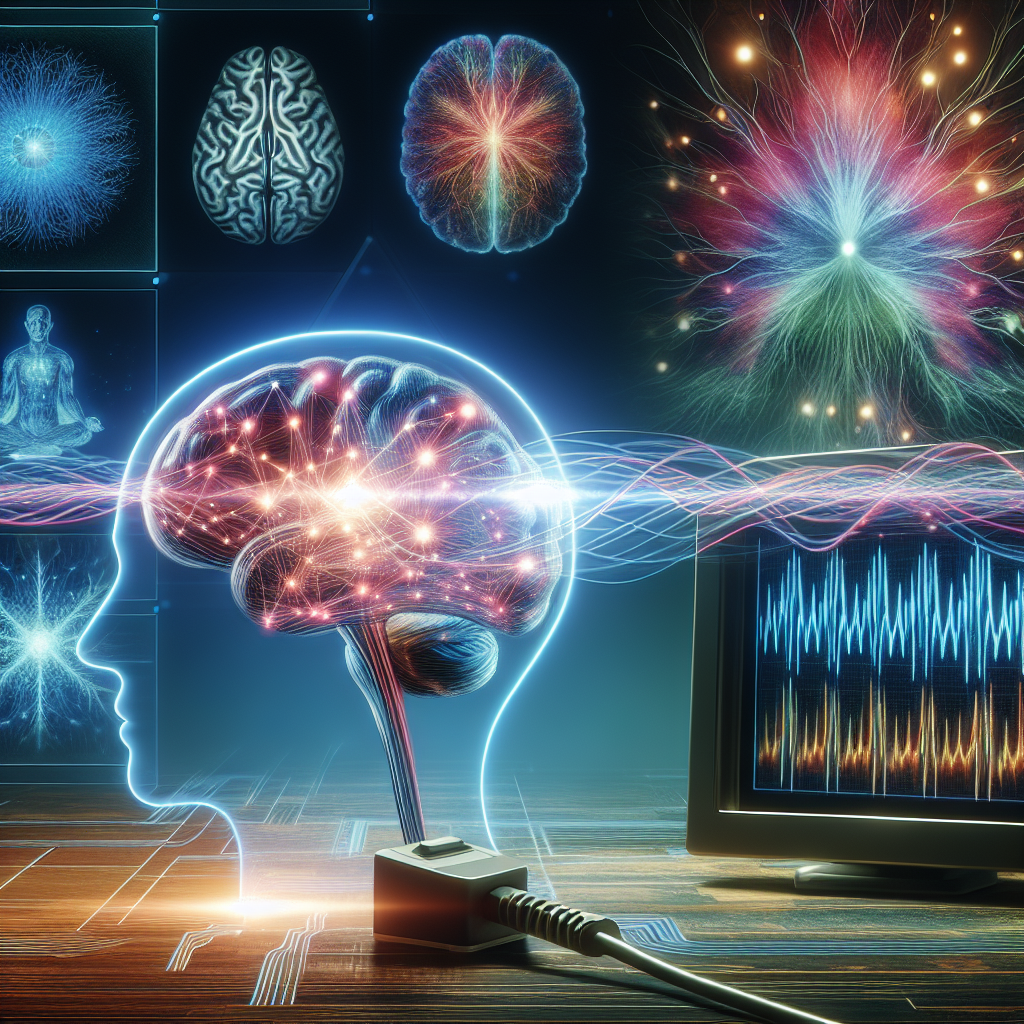
Electroencephalography (EEG) is a non-invasive method of recording electrical activity in the brain. By placing electrodes on the scalp, EEG captures brain waves, which can provide important insights into various cognitive states. These brain waves fall into distinct categories:
- Delta waves: Slow waves dominant during deep sleep.
- Theta waves: Commonly associated with light sleep and relaxation.
- Alpha waves: Present when the mind is relaxed and calm.
- Beta waves: Slow but increased during active concentration.
- Gamma waves: Associated with higher-level cognitive functioning.
Understanding these waveforms enables researchers and clinicians to decode the brain’s underlying mechanisms, particularly how they relate to neurological disorders.
The Link Between EEG and Neurological Disorders
Neurological disorders encompass a wide array of conditions, including epilepsy, Alzheimer’s disease, Parkinson’s disease, and multiple sclerosis. Each of these disorders has unique symptoms, yet they all exhibit certain abnormalities in brain wave patterns that EEG can identify.
Epilepsy
Epilepsy is a neurological disorder characterized by recurrent seizures. EEG plays a pivotal role in diagnosing epilepsy, allowing physicians to observe abnormal brain waves known as spikes and sharp waves, which indicate seizure activity. Recent studies have illustrated that targeted EEG monitoring can personalize treatment, thus optimizing anti-seizure medications.
Case Study: Real-Time EEG Monitoring in Epilepsy
A recent study involved a patient with refractory epilepsy who underwent continuous EEG monitoring for several days. By analyzing the data in real time, doctors were able to identify specific patterns that preceded seizures, leading to the development of a responsive neurostimulation device. This technology not only reduced the frequency of seizures but also improved the patient’s overall quality of life. The implications of this case underscore the potential impact of EEG on managing epilepsy.
Alzheimer’s Disease
Alzheimer’s disease represents a growing public health crisis, affecting millions worldwide. Research shows that specific EEG brain wave patterns change as Alzheimer’s progresses, particularly a decline in alpha waves.
Case Study: EEG Biomarker for Alzheimer’s
In a clinical study, EEG was employed as a biomarker to predict Alzheimer’s disease in its early stages in high-risk individuals. Participants with preclinical Alzheimer’s exhibited distinct changes in their alpha wave patterns years before cognitive decline became evident. This insight could be crucial for early intervention strategies, embodying the theme of "Mind Over Matter" by allowing the mind to combat impending neurological decline.
Parkinson’s Disease
Parkinson’s disease is another disorder profoundly affecting movement and cognitive function. EEG has shown promise in assessing the severity of symptoms and the efficacy of treatments.
Case Study: EEG and Monitoring Parkinson’s Progression
Consider a longitudinal study where EEG was used to monitor patients undergoing dopaminergic medication for Parkinson’s. The research demonstrated that changes in beta wave activity correlated with motor improvements, suggesting that EEG could serve as a non-invasive tool for tracking disease progression and treatment response. This case provides a compelling argument for the effectiveness of EEG in managing Parkinson’s symptoms and enhancing patient outcomes.
Multiple Sclerosis (MS)
Multiple Sclerosis is a debilitating disease that affects the central nervous system. EEG patterns in MS patients often reveal abnormalities that reflect cognitive impairment, a common symptom in advanced disease stages.
Case Study: EEG for Cognitive Assessment in MS
In a pilot study, researchers utilized EEG to explore cognitive processing speeds in MS patients. They discovered that specific brain wave variations could predict cognitive decline within this population, highlighting EEG’s role as a potential tool for early intervention. This reflection of "Mind Over Matter" establishes a direct link between brain functionality and the patient’s cognitive well-being.
How EEG Informs Treatment Approaches
The profound impact of EEG on neurological disorders extends beyond diagnostics. As it becomes clearer how brain wave patterns correspond with specific disorders, treatment protocols can become more tailored to the individual.
Neurofeedback Training
Neurofeedback, a technique derived from EEG data, allows individuals to train their brain patterns consciously. This method has shown efficacy in various conditions, including ADHD, PTSD, and depression.
- ADHD: By encouraging the development of beta wave activity, children with ADHD may experience improved focus.
- PTSD: Neurofeedback can help reduce anxiety and hyperarousal by normalizing delta and theta wave activity.
Cognitive Behavioral Therapy (CBT) Augmented with EEG
Recent innovations have integrated EEG data with Cognitive Behavioral Therapy (CBT), offering a comprehensive approach to treatment. Understanding a patient’s brain activity allows therapists to customize interventions that address specific areas of dysregulation.
Limitations of EEG Technology
While the impact of EEG on neurological disorders is transformative, it’s important to acknowledge its limitations. EEG cannot replace other imaging techniques like MRI, especially in diagnosing structural brain abnormalities. Additionally, interpreting EEG data requires expertise and can be subjective, depending heavily on the context in which the EEG is applied.
| Pros | Cons |
|---|---|
| Non-invasive and safe | Limited spatial resolution |
| Real-time monitoring | Subjective interpretation |
| Cost-effective | May require extensive training |
Conclusion
The evolving landscape of EEG technology continues to highlight the transformative potential of harnessing the mind to influence physical health outcomes. From diagnosing conditions like epilepsy and Alzheimer’s disease to shaping personalized treatment plans, the findings thus far demonstrate the profound impact of EEG on neurological disorders.
By fostering a deeper understanding of our brain’s electrical activity, we empower individuals to take charge of their neurological health in unprecedented ways. The notion of “Mind Over Matter” is not merely a philosophical idea but a powerful principle that speaks to our ability to influence our well-being actively.
Motivational Takeaway
Whether you are a patient grappling with a neurological disorder, a practitioner exploring new treatment avenues, or simply an interested reader, the journey to understanding the impact of EEG is one that holds promise for a healthier and more responsive future.
FAQs
1. What is EEG?
EEG (Electroencephalography) is a non-invasive technique that records electrical activity in the brain using electrodes placed on the scalp.
2. How is EEG used in diagnosing neurological disorders?
EEG is crucial for diagnosing conditions like epilepsy, Alzheimer’s disease, and others by identifying specific abnormal brain wave patterns corresponding to these disorders.
3. Can EEG help in treating neurological disorders?
Yes, EEG can inform treatment strategies, including medication adjustments and neurofeedback training, which can enhance cognitive and behavioral outcomes.
4. Are there any risks associated with EEG?
EEG is a safe procedure with minimal risks as it is non-invasive, but it requires skilled interpretation of the data.
5. How does neurofeedback work with EEG?
Neurofeedback utilizes real-time EEG data to help individuals train their brain activity patterns through various techniques, potentially improving functions like attention and emotional regulation.
As we continue exploring the marvels of EEG, we unveil not just the layers of our neurological disorders but develop actionable insights into overcoming them, demonstrating that indeed, mastery of mind can triumph over matter.
About the Author


The PsyForU Editorial Collective is the research and editorial team of PsyForU Research International. The collective prepares educational, psychological, mental-health-awareness, inclusion, neurodiversity, and research-methodology content for students, parents, educators, researchers, and general readers. PsyForU content is intended for awareness, education, and capacity-building and should not be treated as clinical diagnosis, therapy, medical advice, legal advice, or emergency mental-health support.