Unlocking Potential: Effective Modifications for Learning Disabilities in the Classroom
Introduction
In today’s diverse educational landscape, understanding and addressing learning disabilities is more crucial than ever. Imagine a classroom environment where each child’s unique potential is unlocked through effective modifications tailored to their specific needs. Welcome to the concept of "Unlocking Potential: Effective Modifications for Learning Disabilities in the Classroom." This initiative not only fosters inclusion but also promotes equitable learning for all students, empowering them to thrive academically and socially.
With over one in five children experiencing some form of learning disability in the United States, educators and administrators must invest in proven strategies that bring about meaningful change. This comprehensive guide will explore innovative modifications, successful case studies, and actionable insights aimed at creating an inclusive educational experience.
Understanding Learning Disabilities: The Foundation for Change
What Are Learning Disabilities?
Learning disabilities are neurological disorders that affect the brain’s ability to process, store, and respond to information. This often leads to difficulties in areas such as reading, writing, math, and social skills. It’s essential to recognize that students with learning disabilities possess unique strengths and can achieve success with the right support and modifications.
Common Types of Learning Disabilities
| Type | Description |
|---|---|
| Dyslexia | Affects reading and language processing; individuals may struggle with phonetics and comprehension. |
| Dysgraphia | Impacts writing abilities; students may have trouble with handwriting, spelling, and organizing thoughts. |
| Dyscalculia | Affects mathematical skills; students often struggle with number sense, counting, and basic computations. |
| ADHD | Attention-Deficit/Hyperactivity Disorder impacts attention, focus, and impulse control. |
By understanding these disabilities, educators can better implement the required modifications to foster an inclusive learning space.
Unlocking Potential: Creating an Inclusive Learning Environment
Creating an inclusive classroom is paramount for unlocking each student’s potential. Here are some effective modifications to consider:
1. Tailoring Instructional Strategies
Differentiated Instruction
Differentiated instruction involves adapting lessons to meet the diverse needs of individual students. For example, teachers can provide alternative assignments for students with dyslexia, such as oral presentations instead of written reports.
Case Study: ABC Elementary School
At ABC Elementary, a 4th-grade teacher implemented differentiated instruction by using visual aids and hands-on learning activities to engage students with various learning styles. As a result, standardized test scores improved by 20% over one academic year.
2. Utilizing Assistive Technology
The Power of Technology
Assistive technologies such as speech-to-text software and audiobooks can significantly benefit students with learning disabilities. These tools help minimize barriers to learning, allowing students to engage with the curriculum more effectively.
Chart: Effectiveness of Assistive Technology
| Type of Technology | Benefits | Impact on Students |
|---|---|---|
| Speech-to-Text Software | Aids in writing assignments | Reduces frustration |
| Audiobooks | Helps with reading comprehension | Boosts confidence |
| Graphic Organizers | Assists in organizing thoughts for writing | Enhances creativity |
3. Collaborative Learning Environments
Peer Support
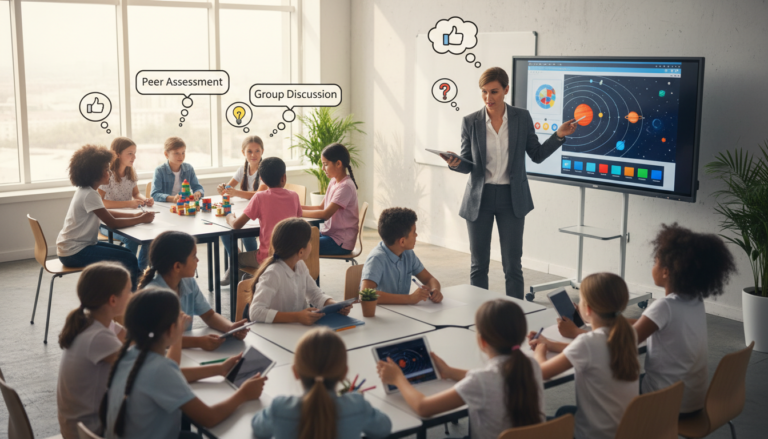
Collaborative learning allows students to work together, fostering an environment of peer support. Group projects can empower students with different abilities to flourish in a shared learning experience.
Case Study: XYZ Middle School
XYZ Middle School introduced collaborative learning techniques in science classes. Students reported feeling more included and supported. In a survey conducted post-implementation, 85% of students stated they enjoyed working with their peers, leading to greater social skills development.
4. Flexible Learning Spaces
Rethinking Classroom Design
Rethinking the physical layout of classrooms can also play a significant role in unlocking potential. Flexible learning spaces allow for various configurations to accommodate individual and group work.
The Role of Educators: Essential Skills and Training
To effectively implement modifications, educators must receive proper training. Understanding the nuances of each disability helps teachers respond appropriately to individual needs.
Professional Development Opportunities
- Workshops on Learning Disabilities: Regular training seminars can keep educators informed about the latest strategies for modification.
- Mentoring Programs: Pairing new teachers with experienced ones who have expertise in learning disabilities can enhance practical knowledge.
Case Study: Teacher Preparation Program
A university in California revamped its teacher preparation curriculum to include comprehensive training on learning disabilities. Graduates reported feeling more confident in teaching diverse learners, with a noted 30% increase in their effectiveness ratings by school principals.
Engaging Parents and Communities
The Importance of Collaboration
Partnerships with parents and community members can enhance the educational experience. Encouraging parents to participate in planning modifications ensures that the approaches align with students’ needs outside the classroom.
1. Workshops for Parents
Educational workshops can equip parents with tools to support their children at home. By understanding how to reinforce classroom modifications, parents can play an integral role in their children’s learning journey.
2. Community Resources
Local organizations can provide additional support through tutoring programs tailored for students with learning disabilities. Connecting families to such resources is essential in fostering a community-driven approach.
Assessment and Monitoring Progress
Data-Driven Decisions
Regular assessments are crucial for tracking the effectiveness of implemented modifications. Utilizing data allows educators to make informed adjustments based on individual student performance.
1. Formative Assessments
Incorporating formative assessments—ongoing evaluations throughout the learning process—can help identify areas where modifications may need to be adjusted or enhanced.
2. Individualized Education Plans (IEPs)
Creating and regularly reviewing IEPs ensures that each student’s unique needs are addressed. These plans are essential for students with diagnosed disabilities and can guide modifications accordingly.
Conclusion: Inspiring Change in Education
Unlocking potential in students with learning disabilities requires a concerted effort from educators, parents, and communities. By prioritizing effective modifications and creating inclusive classrooms, we can foster an environment where every student can thrive.
Actionable Takeaways
- Incorporate Technology: Adopt assistive technologies in your classroom to support diverse learners.
- Foster Collaboration: Encourage peer learning and collaboration among students to enhance social skills.
- Engage Parents: Involve parents in the educational process through workshops and resource sharing.
As we move toward a more inclusive educational landscape, let us commit to unlocking the potential of every student by supporting their unique learning journeys.
FAQs
1. What are some common signs of learning disabilities in students?
Students may struggle with reading fluency, writing tasks, math computation, or may show behavioral issues related to attention and focus.
2. How can I support a student with dyslexia in my classroom?
Consider using audiobooks and dictation software to help them engage with the curriculum. Use explicit phonics instruction as well.
3. Are learning disabilities curable?
While learning disabilities are lifelong challenges, effective modifications can significantly improve a student’s ability to learn and succeed.
4. Can a student with ADHD succeed academically?
Yes, with appropriate modifications such as structured routines, time management support, and breaks to refocus, students with ADHD can excel.
5. What role do parents play in supporting students with learning disabilities?
Parents can reinforce classroom modifications at home, collaborate with teachers, and advocate for their children’s needs.
6. How often should student progress be monitored for those with learning disabilities?
Regular assessments, at least once a semester, should be conducted to evaluate progress and adapt modifications effectively.
Unlocking the potential of students with learning disabilities not only enhances their educational experience but also enriches our classrooms while promoting diversity, creativity, and social growth. Together, we can create a brighter future for every student, proving that all learners can succeed.
About the Author