Nature vs. Stress: The Ultimate Guide to Naturally Battling Anxiety
Introduction
In today’s fast-paced world, anxiety has become a common, almost normalized part of life. With an increasing number of people reporting feelings of overwhelming stress, it’s essential to explore effective ways to manage and alleviate these feelings. One of the most promising and often overlooked solutions lies in the great outdoors: Nature vs. Stress: How to Naturally Battle Anxiety. By tapping into nature’s restorative qualities, we can unlock profound benefits for our mental health. This article dives deep into how engaging with nature can serve as a natural antidote to anxiety, providing not just relief but also a pathway to a healthier lifestyle.
Understanding the Connection: Nature vs. Stress
The Science Behind Nature and Anxiety
Research consistently shows that exposure to natural environments can have a profound impact on stress levels. A study published in the Journal of Environmental Psychology revealed that even short immersions in nature can lead to significant reductions in cortisol levels—the hormone primarily associated with stress.
| Source | Findings |
|---|---|
| Journal of Environmental Psychology | Participants showed a 21% decline in cortisol after a 30-minute walk in a park. |
| International Journal of Environmental Health Research | Contact with green spaces improves overall mental well-being. |
This highlights the critical question: Nature vs. Stress: How to Naturally Battle Anxiety? The answer lies in understanding how natural settings interact with our physiological and psychological processes.
Case Study: The Healing Power of Forest Bathing
In Japan, the practice of "Shinrin-yoku," or forest bathing, is widely recognized for its healing properties. A study observed participants who engaged in forest bathing and concluded that their anxiety levels significantly dropped, alongside improvements in mood and mental clarity.
Analysis: This case study underscores the importance of actually immersing oneself in nature, emphasizing sights, sounds, and even smells. It perfectly demonstrates the potential of nature to naturally combat anxiety.
The Benefits of Nature Exposure
1. Reducing Cortisol Levels
Scientific studies support the claim that nature exposure can reduce stress hormones. With lower cortisol levels, individuals typically experience enhanced relaxation and improved mood.
2. Enhancing Emotional Resilience
Nature can also foster emotional resilience. Spending time outdoors allows individuals to develop coping skills and manage stress more effectively.
3. Promoting Mindfulness
Engaging with nature encourages mindfulness—a practice proven to help alleviate anxiety. When you focus on the beauty of your surroundings, you divert your attention from stressors and chaos of daily life.
4. Providing Social Support
Outdoor activities often foster community bonding. Being part of a group while engaging in nature can provide social support, and studies indicate that strong social ties often mitigate feelings of anxiety.
Table: Benefits of Nature Exposure
| Benefit | Description |
|---|---|
| Cortisol Reduction | Lower stress hormone levels lead to enhanced relaxation. |
| Emotional Resilience | Boosted coping skills to handle stress. |
| Mindfulness | Improved focus on the present moment reduces anxiety. |
| Social Support | Stronger community ties diminish feelings of loneliness. |
Practical Ways to Connect with Nature
1. Nature Walks
Walking in natural settings, such as parks or forests, allows individuals to absorb their surroundings and reap numerous psychological benefits. Aim for at least 30 minutes of walking weekly.
2. Gardening
Gardening has several advantages, as it engages the mind, body, and spirit. The act of nurturing plants can provide a therapeutic outlet, reducing symptoms of anxiety.
3. Nature Meditation
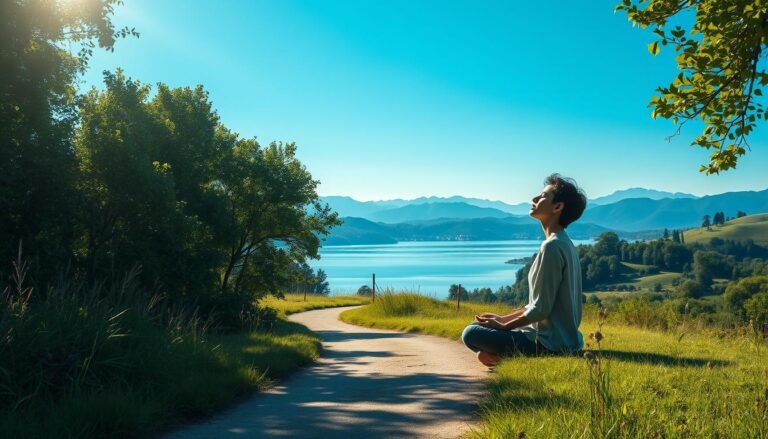
Practicing meditation outdoors combines the benefits of mindfulness with the refreshing qualities of nature. Find a quiet spot to sit or lie down and focus on your breath while immersing yourself in the sights and sounds around you.
4. Eco-Therapy
Eco-therapy is a therapeutic practice that emphasizes the healing power of nature. Consult with a professional to develop personalized treatment plans incorporating outdoor activities.
Case Study: Gardening for Mental Health
A local community garden project in Oakland, California, reported significant improvements in participants’ mental health. They found that not only did participants experience lower anxiety levels, but they also established a strong sense of community.
Analysis: This case study illustrates that incorporating hands-on activities in a natural setting can effectively combat anxiety. It also highlights the dual benefit of community engagement.
Overcoming Barriers to Nature Exposure
Urban Settings
In urban areas where green space may be limited, seeking out local parks or rooftop gardens can still provide benefits. Even a small tree-lined street can offer a brief respite from stress.
Time Constraints
For those with busy schedules, short, brisk walks during lunch breaks can be a significant step toward connecting with nature. Encourage breaks in the fresh air, as they’re vital to mental well-being.
Conclusion
Nature offers powerful, natural solutions for battling anxiety. By embracing the great outdoors, we can combat stress and enhance our overall well-being without the need for pharmaceuticals. Through simple practices like walking, gardening, or meditation, we can reconnect with the environment and harvest its many benefits.
As you consider how to incorporate more nature into your life, remember that small actions can lead to profound changes. So take that leap into the wilderness and let Nature vs. Stress: How to Naturally Battle Anxiety become your guiding mantra.
FAQs
1. How can I incorporate more nature into my daily routine?
Start with short walks in a nearby park or even your neighborhood. Gardening or taking breaks outside during work hours can significantly increase your time spent in nature.
2. Is there scientific evidence supporting nature’s effects on anxiety?
Yes, numerous studies highlight that nature exposure can reduce cortisol levels, enhance mood, and improve mental clarity.
3. What if I live in a city with limited green spaces?
Seek out parks or community gardens, even if small. Consider visiting botanical gardens or nature reserves when possible.
4. How quickly can I expect to see results from using nature to combat anxiety?
Many report immediate feelings of relaxation after spending time in nature, while long-term benefits may develop with regular exposure.
5. Are there specific types of nature activities that are more effective?
Activities like walking, gardening, and practicing mindfulness outdoors have been shown to be particularly effective in reducing anxiety.
In exploring Nature vs. Stress: How to Naturally Battle Anxiety, we discover not just a coping mechanism but a path to deeper well-being. Embrace it, and let nature cultivate peace in your life.
About the Author