Catching Anxiety Early: Essential Signs and Symptoms You Should Always Be Aware Of
Introduction
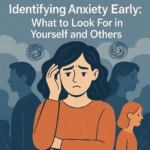
Anxiety is a silent companion that many individuals face at various points in their lives. While it’s a normal reaction to stress or change, unchecked anxiety can morph into something much more detrimental to your mental health. Understanding the signs and symptoms of anxiety and catching it early can be pivotal in reducing its impact on your daily life. In this article, we will delve into Catching Anxiety Early: Signs and Symptoms You Should Always Be Aware Of, providing you with the tools you need to recognize early warning signs and take action before anxiety takes the driver’s seat.
Understanding Anxiety and Its Importance
Anxiety isn’t just about feeling nervous before a big presentation. It’s a complex emotional state that can spill over into your personal and professional life. In fact, according to the Anxiety and Depression Association of America (ADAA), anxiety disorders are the most common mental illness in the U.S., affecting around 40 million adults aged 18 and older. This alarming statistic underscores the necessity of Catching Anxiety Early: Signs and Symptoms You Should Always Be Aware Of to prevent it from escalating into debilitating conditions like panic disorders or generalized anxiety disorders.
Common Signs of Anxiety You Should Watch For
1. Excessive Worrying
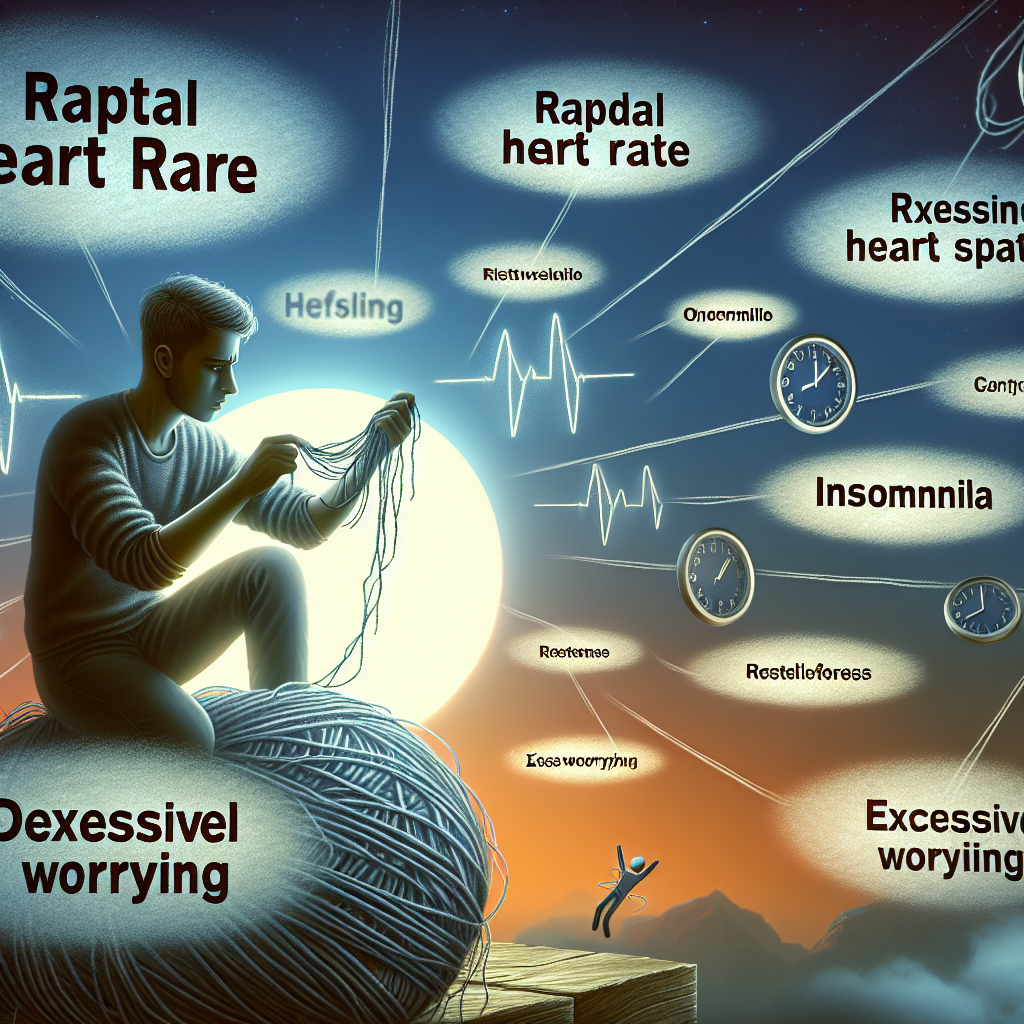
Worrying is a natural part of life, but when it’s persistent and uncontrollable, it can be a major red flag. Those who exhibit excessive worrying often find themselves imagining worst-case scenarios even when there’s no logical basis for their fears.
Case Study: Sarah’s Journey
Sarah, a 28-year-old graphic designer, found herself worrying about her job performance—despite receiving regular praise. She would stay up late, replaying conversations, fearing that her colleagues may judge her abilities. By catching these worries early, Sarah sought counseling, which helped her to put things into perspective.
2. Increased Irritability
Irritability can be an early symptom of anxiety that manifests in your interactions with others. If you find yourself snapping at loved ones or feeling unjustly agitated, this heightened sensitivity may indicate underlying anxiety issues.
3. Physical Symptoms
Anxiety often reveals itself in physical forms—headaches, stomach aches, muscle tension, and fatigue are common complaints. Being aware of these symptoms can help you link them to emotional stress rather than a physical ailment.
| Physical Symptoms | Description |
|---|---|
| Headaches | Frequent tension headaches or migraines |
| Stomach Cramps | Irritable bowel syndrome, gastrointestinal distress |
| Muscle Tension | Persistent tightness in shoulders or neck |
| Fatigue | Feeling drained or lacking energy |
4. Overthinking Daily Tasks
If you’ve started to overanalyze even the simplest of tasks — from deciding what to wear to how to greet someone — it might be a sign of anxiety. This hyper-vigilance can significantly impact your quality of life.
Case Study: Mark’s Overanalysis
Mark, a tech enthusiast, began overthinking every decision, even those unrelated to work. The simple act of choosing a restaurant with friends became a monumental task for him. By catching his anxiety early, he learned strategies to break the cycle of overthinking.
5. Changes in Sleep Patterns
Do you find it difficult to fall asleep or stay asleep? Or perhaps you’re sleeping too much? Both insomnia and hypersomnia (excessive sleeping) can serve as indicators of rising anxiety levels.
How to Recognize Symptoms in Yourself and Others
6. Social Withdrawal
Often, those suffering from anxiety will avoid social situations. Recognizing when you or someone close to you is pulling back from social engagements can serve as a cue to address the situation proactively.
7. Difficulty Concentrating
Struggling to focus on daily tasks, feeling forgetful, or experiencing racing thoughts can be significant indicators of anxiety. If your mind feels cluttered, you may want to assess whether it’s time to address your mental health.
The Importance of Catching Anxiety Early
Catching anxiety early can drastically alter your quality of life. It prevents the condition from spiraling, allowing you to implement coping mechanisms and seek help before it hinders your daily operation. Here’s a summary of the benefits of early detection:
| Benefits of Catching Anxiety Early | Description |
|---|---|
| Improved Mental Health | Reduces symptoms before they escalate |
| Increased Productivity | Enables better focus and energy levels |
| Better Relationships | Promotes healthier interactions with friends and family |
Actionable Insights for Managing Anxiety
1. Mindfulness and Meditation
Developing mindfulness habits can offer vital support. Regular meditation practices can help ground you, allowing you to acknowledge and assess your feelings without judgment.
2. Healthier Lifestyle Choices
Regular exercise, a balanced diet, and proper sleep hygiene can significantly reduce anxiety symptoms. Activities like yoga can further promote relaxation and mindfulness.
3. Professional Help
Don’t hesitate to consult mental health professionals if symptoms persist. Therapists can offer personalized strategies and coping mechanisms tailored to your specific needs.
4. Build a Support System
Creating a circle of trusted friends and family can allow you to share your feelings openly. Sometimes, just vocalizing your concerns can significantly alleviate anxiety.
Conclusion
Catching anxiety early is not solely about identifying symptoms; it’s about empowering yourself with knowledge and tools. By being proactive and vigilant, you can reclaim control over your life. Remember, acknowledging what you’re feeling is the first step towards emotional freedom.
FAQs
1. What are the most common anxiety symptoms?
Common symptoms include excessive worrying, irritability, physical symptoms like headaches and stomach issues, and social withdrawal.
2. How can I help someone who is experiencing anxiety?
Be supportive by listening without judgment, encouraging them to seek help, and maintaining an open line of communication.
3. Is anxiety treatment always necessary?
Not always. Some individuals can learn to manage their symptoms with lifestyle changes, while others may benefit from therapy or medication.
4. What’s the link between sleep and anxiety?
Sleep disturbances often exacerbate anxiety, while anxiety can lead to insomnia. Addressing one can help alleviate the other.
5. How can mindfulness help with anxiety?
Mindfulness techniques can keep you grounded, enhance your self-awareness, and facilitate emotional regulation, making them valuable tools in managing anxiety.
By understanding Catching Anxiety Early: Signs and Symptoms You Should Always Be Aware Of, you amplify your ability to make proactive choices that benefit your mental health and overall well-being. Don’t wait for anxiety to dictate your life—recognize it, confront it, and thrive.
About the Author