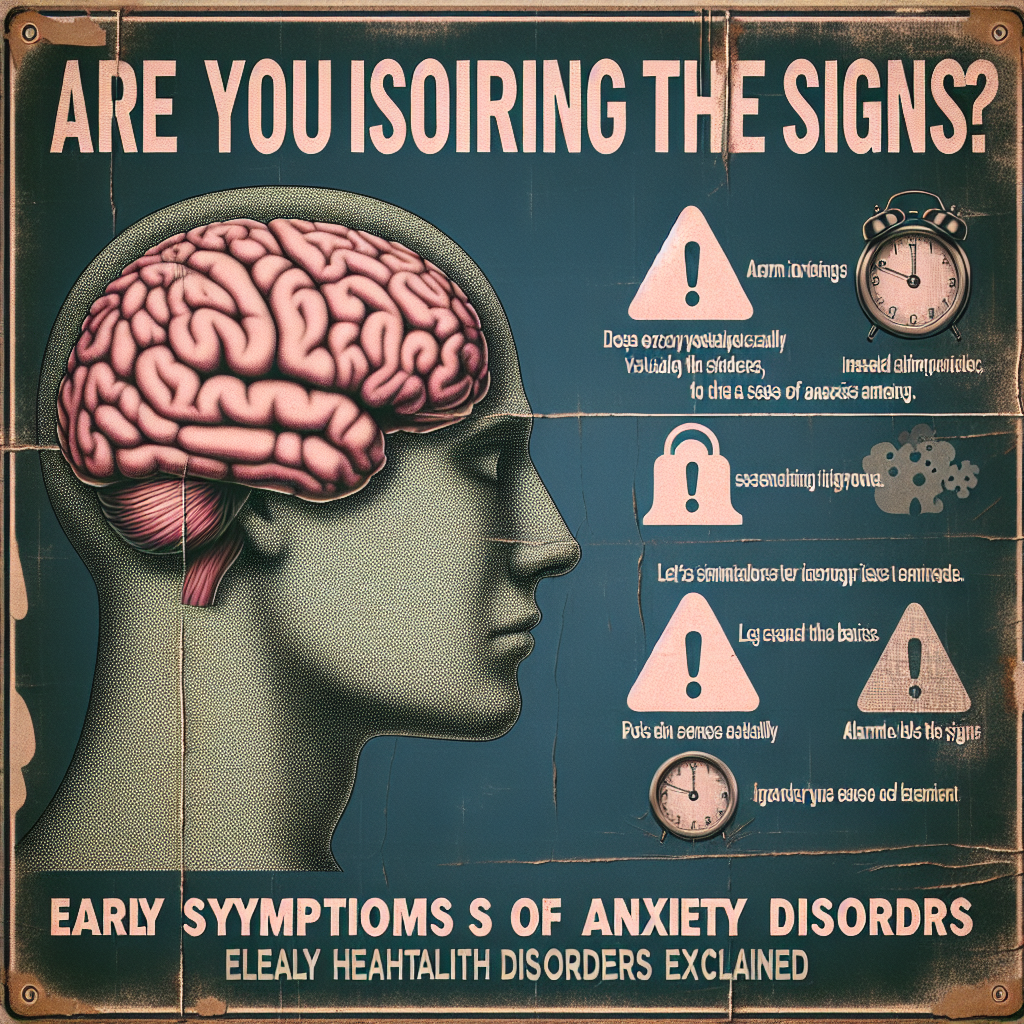
Are You Ignoring the Signs? Early Symptoms of Anxiety Disorders Explained: Your Ultimate Guide to Understanding and Overcoming Anxiety
Introduction
In our fast-paced, modern world, anxiety has become an all-too-common experience. Are you ignoring the signs? Early symptoms of anxiety disorders can creep into our lives without us even realizing it, often masked by the busyness of daily routines. As stress levels soar and responsibilities pile up, understanding these symptoms becomes essential for leading a healthier, more fulfilling life.
Recognizing anxiety in its early stages can significantly improve your quality of life, allowing you to take proactive steps toward managing it. In this article, we will explore various anxiety disorders, their early symptoms, real-life case studies, and actionable strategies for tackling anxiety. Together, let’s uncover the truth behind anxiety disorders and pave the way for freedom from their grip.
Understanding Anxiety Disorders
Anxiety disorders are a group of mental health conditions characterized by excessive fear or worry. The most common types include:
- Generalized Anxiety Disorder (GAD)
- Panic Disorder
- Social Anxiety Disorder
- Obsessive-Compulsive Disorder (OCD)
- Post-Traumatic Stress Disorder (PTSD)
Each type manifests uniquely, yet they share common early symptoms that might be brushed aside if we aren’t aware.
Case Study: John and Generalized Anxiety Disorder
Background: John, a 32-year-old marketing professional, began to notice an overwhelming sense of worry. What he dismissed as temporary stress escalated into feelings of restlessness and fatigue.
Early Symptoms:
- Inability to relax
- Constant irritability
- Sleep disturbances
Upon seeking help, he discovered he was living with Generalized Anxiety Disorder. By recognizing the signs early, John was able to engage in therapy and adopt coping techniques that significantly improved his mental health.
The Early Symptoms of Anxiety Disorders Explained
Knowing whether you’re ignoring the signs is vital. Below we’ll expound upon early symptoms that can signal an anxiety disorder.
1. Persistent Worry
A ceaseless loop of worry can signify something more than day-to-day stress. If you find yourself frequently consumed by thoughts of impending doom regarding your relationships, work, or future, this could be an early warning sign of an anxiety disorder.
2. Physical Symptoms
Anxiety isn’t just mental; it often manifests physically. Symptoms like:
- Increased heart rate
- Sweating
- Trembling
are common. If you experience these symptoms without a clear cause, it may be time to consider if anxiety could be at play.
3. Social Withdrawal
Are you becoming increasingly isolated? If social gatherings that once brought joy now feel overwhelming, it could point toward social anxiety disorder. Ignoring these signs might lead to further withdrawal, making it harder to reconnect.
4. Changes in Sleep Patterns
Struggling to sleep can be a symptom of underlying anxiety. Night-time rumination, characterized by racing thoughts that prevent restful sleep, is a classic indicator that warrants attention.
Case Study: Sarah and Panic Disorder
Background: Sarah experienced her first panic attack while driving, which prompted intense fear of subsequent attacks.
Symptoms Faced:
- Heart palpitations
- Nausea
- Dizziness
When Sarah reached out for help, she learned effective techniques for managing panic episodes. Her early recognition and willingness to combat the issues led her back to a normal life.
Early Signs Chart
| Symptom | Description | Potential Anxiety Disorder |
|---|---|---|
| Persistent Worry | Excessive, uncontrollable worry about various issues | Generalized Anxiety Disorder |
| Physical Symptoms | Palpitations, sweating, etc. | Panic Disorder |
| Social Withdrawal | Avoiding gatherings and social situations | Social Anxiety Disorder |
| Changes in Sleep Patterns | Difficulty falling asleep or staying asleep | Generalized Anxiety Disorder/Panic Disorder |
Recognizing Your Triggers
Understanding what triggers your anxiety is crucial. Triggers may be external, such as specific situations or environments, or internal, like thoughts and feelings.
5. Irritability and Restlessness
Feeling restless or irritable is another prominent sign. Those struggling with anxiety often report being easily agitated. If you find yourself short-tempered, it might be worth considering whether anxiety is an underlying factor.
6. Difficulty Concentrating
Are you easily distracted or find it hard to focus on tasks? Cognitive impairments such as these can stem from anxiety disorders.
7. Digestive Issues
Surprisingly, anxiety can wreak havoc on your digestive system. Symptoms such as nausea, diarrhea, or stomach cramps may arise unexpectedly and warrant a closer examination.
Case Study: Mike and OCD
Background: Mike was a high-achieving student whose need for perfection spiraled into obsessive behaviors and compulsive routines. His early signs included a preoccupation with cleanliness and orderliness.
Key Signs:
- Repetitive tasks (checking locks)
- Intrusive, damaging thoughts
Realizing that these behaviors were rooted in an anxiety disorder gave Mike the wisdom to engage in therapy, enabling him to reclaim control over his daily life.
The Path to Help and Recovery
Recognizing early symptoms is just the first step. If you find yourself relating to the signs discussed, obtaining professional help is essential. Here’s how you can begin your path to recovery:
Actionable Strategies for Managing Anxiety
- Seek Therapy or Counseling: Engaging with a professional can help you address anxiety effectively.
- Practice Mindfulness and Meditation: Techniques such as mindfulness can help ground you and reduce anxiety levels.
- Regular Exercise: Physical activity can release endorphins, acting as a natural stress-reliever.
- Establish a Routine: A consistent schedule can provide stability.
- Connect with Others: Talking about your feelings can alleviate some of the burdens.
FAQ Section
Q: What is the difference between anxiety and an anxiety disorder?
A: Anxiety is a natural response to stress. An anxiety disorder occurs when this response becomes excessive or chronic, interfering with daily life.
Q: Can anxiety disorders be cured?
A: While many individuals manage their symptoms effectively through therapy and lifestyle changes, ‘cure’ can be subjective; for some, it translates to effective management.
Q: What role does diet play in anxiety?
A: Nutrition can influence mood and stress levels. Maintaining a balanced diet can contribute to overall well-being.
Q: Are anxiety symptoms the same for everyone?
A: No, anxiety disorders can manifest differently across individuals. Understanding your own symptoms is crucial.
Q: When should I seek help for anxiety?
A: If your anxiety is persistent and interferes with your daily life, it’s advisable to seek help from a professional.
Conclusion
In conclusion, knowing whether you are ignoring the signs is paramount to managing anxiety effectively. Early symptoms of anxiety disorders can seemingly blend into our daily experiences, but recognizing them is the first pressing step toward reclaiming your mental health.
Acknowledge the power of prevention; understanding and addressing early symptoms can lead to lasting benefits. Embrace the journey towards awareness and healing, and remember, you are not alone on this path. Let’s work together to shine a light on anxiety, break the stigma, and enhance the quality of life for ourselves and others.
In this journey, always ask yourself—are you ignoring the signs? With knowledge and proactive steps, it’s never too late to take control of your mental well-being.
About the Author