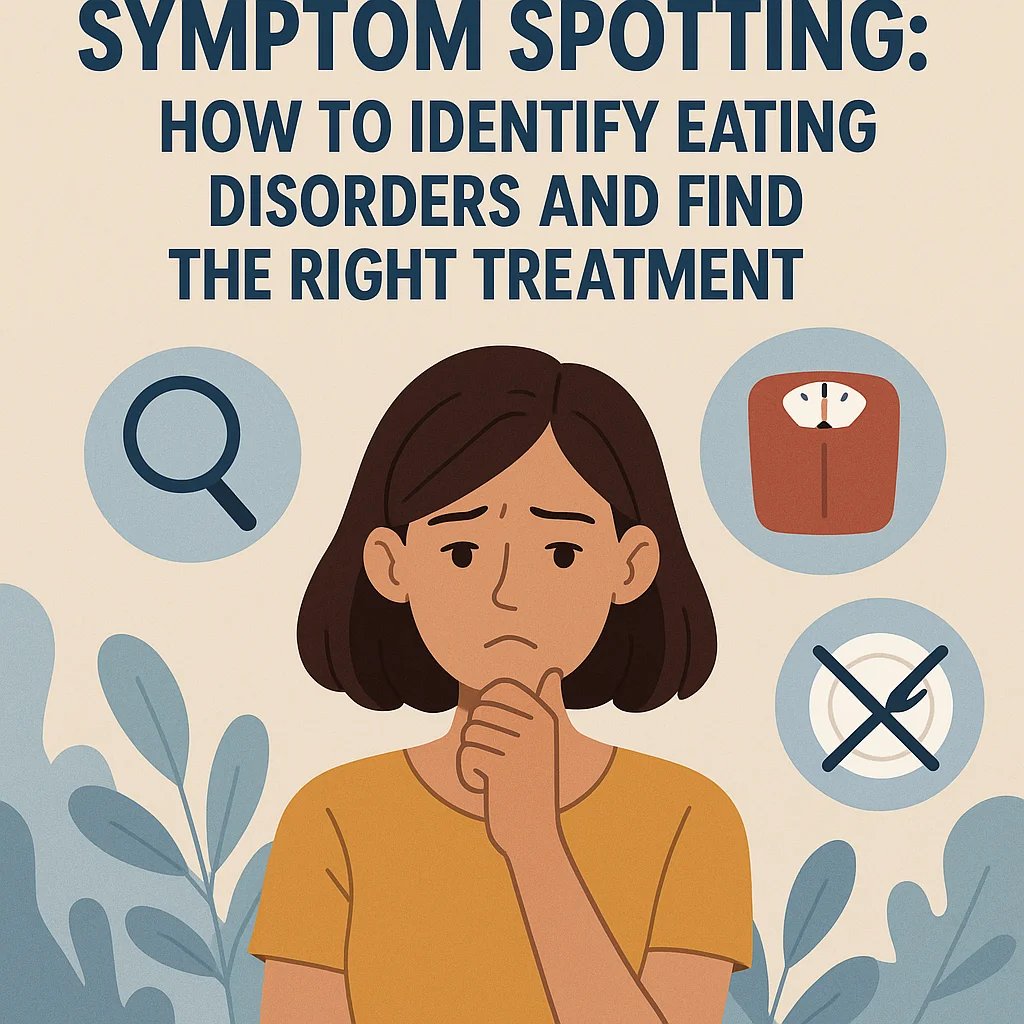
The Essential Guide to Symptom Spotting: How to Identify Eating Disorders and Find the Right Treatment
Introduction: The Signs Are Often Quiet Before They Become Urgent
Eating disorders rarely announce themselves dramatically at first. More often, they begin in the margins of everyday life: a skipped lunch explained away as “not hungry,” a sudden obsession with “clean” eating, extra time in the bathroom after meals, mood swings around food, or a child who once loved family dinners now seeming anxious at the table.
That is why Symptom Spotting: How to Identify Eating Disorders and Find the Right Treatment matters so much. Early recognition can shorten suffering, reduce medical risk, and help someone receive care before the disorder becomes deeply entrenched.
Eating disorders are not vanity. They are not “just a phase,” a lack of willpower, or simply about wanting to look a certain way. They are serious mental health conditions with physical, emotional, behavioral, and social consequences. They affect people of every age, gender, body size, race, income level, and background.
This guide offers a compassionate, practical roadmap for symptom spotting eating disorders, understanding what the signs may mean, and choosing the right path toward treatment. It is not a substitute for professional diagnosis, but it can help you know when to act, what to say, and where to turn.
If you are worried about yourself or someone else, let this be your reminder: you do not need to wait for things to become “bad enough.” Concern is enough reason to seek support.
What Eating Disorders Really Are
Before we explore Symptom Spotting: How to Identify Eating Disorders and Find the Right Treatment, it helps to clarify what eating disorders are—and what they are not.
Eating disorders are complex conditions involving disturbances in eating behaviors, body image, emotional regulation, and often a person’s relationship with control, stress, identity, or self-worth. They may include restriction, binge eating, purging, compulsive exercise, fear of certain foods, rigid food rules, or distress around body shape and weight.
Common eating disorders include:
- Anorexia nervosa
- Bulimia nervosa
- Binge eating disorder
- Avoidant/restrictive food intake disorder, or ARFID
- Other specified feeding or eating disorder, or OSFED
- Orthorexia-like patterns, which are not always a formal diagnosis but may involve harmful obsession with “healthy” eating
A person does not have to look underweight to have an eating disorder. In fact, many people with serious eating disorders live in bodies that appear “average,” larger, athletic, muscular, or outwardly healthy. This is one reason eating disorder symptom spotting must go beyond appearance.
Why Early Symptom Spotting Can Change Everything
The earlier an eating disorder is recognized, the better the chances of effective treatment and recovery. Early support can prevent medical complications, reduce isolation, and interrupt patterns before they become more rigid.
Symptom Spotting: How to Identify Eating Disorders and Find the Right Treatment is not about labeling someone or policing their plate. It is about noticing meaningful changes and responding with care.
Early symptom spotting can help:
| Why It Matters | How It Helps |
|---|---|
| Reduces medical risk | Identifies warning signs before complications worsen |
| Protects mental health | Connects the person to therapy and emotional support sooner |
| Prevents secrecy from deepening | Opens conversation before shame takes over |
| Supports families and caregivers | Gives loved ones language and direction |
| Improves treatment outcomes | Earlier intervention often means a smoother recovery path |
Many people with eating disorders are ambivalent about getting help. Part of them may know something is wrong, while another part fears giving up the behaviors. This is why compassionate recognition matters. The goal is not to “catch” someone. The goal is to help them feel less alone.
The Core Warning Signs: What to Look For
The heart of Symptom Spotting: How to Identify Eating Disorders and Find the Right Treatment is learning to notice patterns. One sign alone may not mean someone has an eating disorder. But clusters of emotional, behavioral, physical, and social changes deserve attention.
Common Behavioral Signs
Behavioral signs are often the easiest to observe, especially for friends, partners, parents, teachers, coaches, or coworkers.
| Behavioral Change | What It May Look Like |
|---|---|
| Skipping meals | Claiming to have eaten already or not being hungry |
| Food rituals | Cutting food into tiny pieces, eating very slowly, rigid food order |
| Avoiding social meals | Canceling plans involving restaurants or family dinners |
| Secrecy around food | Eating alone, hiding wrappers, unexplained missing food |
| Frequent bathroom trips after eating | May suggest purging behaviors |
| Excessive exercise | Exercising despite illness, injury, exhaustion, or distress |
| Rigid food rules | Fear of entire food groups, “safe” and “unsafe” foods |
| Cooking for others but not eating | Increased food focus without personal nourishment |
| Body checking | Frequent weighing, mirror checking, pinching, measuring |
| Sudden dietary changes | Becoming “healthy,” vegan, gluten-free, or restrictive without clear reason |
Not all dietary changes are disordered. Many people make food choices for cultural, ethical, religious, medical, or personal reasons. The concern arises when the choices become rigid, fear-based, socially isolating, or physically harmful.
Emotional and Psychological Symptoms
Eating disorders are emotional disorders as much as eating disorders. Food and body concerns often become the visible surface of deeper distress.
Common emotional signs include:
- Intense fear of weight gain
- Shame after eating
- Anxiety around meals
- Irritability when food routines are disrupted
- Perfectionism
- Low self-worth
- Mood swings
- Depression or withdrawal
- Feeling “out of control” around food
- Obsessive thoughts about calories, weight, shape, or “health”
- Guilt after eating normal amounts of food
- Difficulty concentrating
A key part of Symptom Spotting: How to Identify Eating Disorders and Find the Right Treatment is listening to the language someone uses. Phrases like “I was bad today,” “I have to earn dinner,” “I can’t eat that,” or “I feel disgusting” may reveal distress that deserves care.
Physical Signs That Should Not Be Ignored
Some physical symptoms are subtle. Others are urgent. Importantly, physical signs can appear in people of any body size.
| Physical Symptom | Possible Concern |
|---|---|
| Dizziness or fainting | Inadequate nourishment, dehydration, blood pressure changes |
| Feeling cold often | Metabolic changes or low energy intake |
| Fatigue or weakness | Under-fueling, nutritional deficiencies |
| Digestive problems | Restriction, bingeing, purging, stress, irregular eating |
| Irregular or missing periods | Hormonal disruption |
| Dental problems | Possible vomiting or nutritional issues |
| Swollen cheeks or jaw area | Possible purging-related changes |
| Hair thinning | Nutritional deficiency or stress on the body |
| Dry skin or brittle nails | Nutritional imbalance |
| Sleep problems | Anxiety, hunger, metabolic disruption |
| Chest pain or heart palpitations | Potentially serious medical concern |
Seek urgent medical help if someone has chest pain, fainting, confusion, severe dehydration, suicidal thoughts, blood in vomit or stool, rapid physical decline, or an inability to keep food or fluids down.
Symptom Spotting: How to Identify Eating Disorders and Find the Right Treatment should always include medical safety. Eating disorders can affect the heart, brain, bones, hormones, digestion, and overall functioning.
Eating Disorders Do Not Have One “Look”
One of the most damaging myths is that you can identify an eating disorder by body size alone. You cannot.
A person may be medically unstable while living in a larger body. A person may be praised for weight loss while secretly struggling. An athlete may appear disciplined but be trapped in compulsive exercise and food fear. A child may not talk about body image at all but still have severe food avoidance.
Effective symptom spotting for eating disorders requires asking better questions:
- Has the person’s relationship with food changed?
- Are they more anxious, secretive, or rigid?
- Are meals causing distress?
- Are food or body thoughts taking over their life?
- Are they avoiding social situations?
- Is their health, mood, school, work, or relationships affected?
When we stop relying on stereotypes, we become much better at how to identify eating disorders and find the right treatment.
Types of Eating Disorders and Their Key Signs
The phrase Symptom Spotting: How to Identify Eating Disorders and Find the Right Treatment includes understanding different presentations. Eating disorders can overlap, shift over time, or look different from person to person.
Quick Comparison Chart
| Condition | Common Signs | Important Notes |
|---|---|---|
| Anorexia nervosa | Restriction, fear of weight gain, body image distress, possible weight loss | Can occur in any body size; medical risk may be serious |
| Bulimia nervosa | Binge episodes, compensatory behaviors such as vomiting, laxative misuse, fasting, or excessive exercise | Often hidden; weight may appear unchanged |
| Binge eating disorder | Recurrent binge eating with distress, guilt, secrecy, feeling out of control | Not the same as overeating; shame is often intense |
| ARFID | Avoidance due to sensory issues, fear of choking/vomiting, low appetite, limited variety | Usually not driven by body image |
| OSFED | Significant eating disorder symptoms that do not fit neatly into one category | Can be just as serious as other diagnoses |
| Orthorexia-like patterns | Obsession with “clean” or “pure” eating, fear of “unhealthy” foods | May be socially praised, making it harder to recognize |
Anorexia Nervosa: Symptoms Beyond Weight Loss
Anorexia nervosa is often associated with extreme thinness, but that stereotype misses many people. The core pattern involves restriction, fear of weight gain, and disturbance in body image or self-evaluation.
Possible signs include:
- Eating far less than needed
- Fear of certain foods
- Denial of hunger
- Increasingly rigid food routines
- Intense distress around weight or shape
- Avoiding meals with others
- Compulsive exercise
- Mood changes, irritability, or social withdrawal
- Physical symptoms such as dizziness, cold intolerance, or fatigue
In Symptom Spotting: How to Identify Eating Disorders and Find the Right Treatment, anorexia requires careful medical evaluation because the body can become unstable even when the person insists they feel “fine.”
Bulimia Nervosa: The Hidden Cycle
Bulimia nervosa often involves cycles of binge eating followed by compensatory behaviors. These behaviors may include self-induced vomiting, laxative misuse, fasting, or excessive exercise.
Signs may include:
- Large amounts of food disappearing
- Frequent bathroom use after meals
- Secrecy or shame around eating
- Dental erosion or mouth sores
- Swelling around the cheeks or jaw
- Rigid dieting between binge episodes
- Mood swings and guilt after eating
- Exercising to “make up for” food
Bulimia can be especially difficult to spot because many people maintain a body size that does not raise concern. This is why eating disorder symptom spotting must focus on behaviors and distress, not appearance.
Binge Eating Disorder: More Than “Eating Too Much”
Binge eating disorder involves recurrent episodes of eating an unusually large amount of food while feeling out of control, followed by distress, shame, or guilt. Unlike bulimia, binge eating disorder does not regularly involve compensatory behaviors.
Signs may include:
- Eating rapidly during episodes
- Eating when not physically hungry
- Eating alone due to embarrassment
- Feeling numb, distressed, or out of control
- Hiding food or wrappers
- Strong guilt after eating
- Repeated attempts to diet
Binge eating disorder is often misunderstood. People may be told to “just have discipline,” which can deepen shame and delay treatment. A compassionate approach to Symptom Spotting: How to Identify Eating Disorders and Find the Right Treatment recognizes binge eating as a treatable mental health condition, not a character flaw.
ARFID: When Food Avoidance Is Not About Body Image
Avoidant/restrictive food intake disorder, or ARFID, involves limited food intake or avoidance that leads to nutritional, medical, or social impairment. Unlike anorexia, ARFID is usually not driven by fear of weight gain.
ARFID may involve:
- Extreme pickiness beyond typical preferences
- Fear of choking, vomiting, or allergic reactions
- Avoidance of textures, smells, or colors
- Low interest in food
- Difficulty eating enough
- Anxiety at restaurants or social events
- Growth concerns in children
- Nutritional deficiencies
ARFID can affect children, teens, and adults. In how to identify eating disorders and find the right treatment, ARFID is especially important because it may be mistaken for stubbornness, picky eating, or anxiety alone.
OSFED: Serious Symptoms That Do Not Fit a Box
Other specified feeding or eating disorder, or OSFED, includes clinically significant eating disorder symptoms that may not meet full criteria for anorexia, bulimia, or binge eating disorder.
Examples may include:
- Restriction without expected weight changes
- Purging without binge episodes
- Binge episodes that occur less frequently than diagnostic thresholds
- Night eating patterns with distress
- Mixed symptoms that shift over time
OSFED is not “less serious.” Many people with OSFED experience severe distress and medical risk. Symptom Spotting: How to Identify Eating Disorders and Find the Right Treatment must include these less obvious presentations because they are common and often overlooked.
Orthorexia-Like Patterns: When “Healthy Eating” Becomes Harmful
Orthorexia is not always listed as a formal diagnosis, but the pattern is increasingly recognized: an obsessive focus on “clean,” “pure,” or “healthy” eating that harms life, health, and relationships.
Warning signs include:
- Fear of foods considered “bad” or “toxic”
- Moral language around eating
- Anxiety if food is not prepared a certain way
- Avoiding social meals
- Spending excessive time researching food
- Feeling superior or ashamed based on eating choices
- Increasing food restriction disguised as wellness
Wellness culture can make this hard to detect. Someone may receive praise for discipline while becoming increasingly isolated and distressed. This is a key reason Symptom Spotting: How to Identify Eating Disorders and Find the Right Treatment should include not only what someone eats, but how they feel and function.
Case Study 1: Maya, the “Healthy” High Achiever
Maya, a 17-year-old student, began avoiding desserts and processed foods after joining a school fitness challenge. At first, her parents admired her commitment. Over several months, her food rules grew stricter. She stopped eating at friends’ houses, became upset when family meals included oils or sauces, and spent hours planning meals.
Her grades remained high, but she became irritable and anxious. She insisted she was “just being healthy.” Eventually, her mother noticed Maya seemed exhausted and avoided every social event involving food.
A pediatrician referred Maya to an eating disorder therapist and dietitian. Treatment focused on reducing food fear, restoring flexibility, addressing perfectionism, and helping her family respond without criticism.
Analysis
Maya’s case shows why Symptom Spotting: How to Identify Eating Disorders and Find the Right Treatment requires looking beyond obvious restriction or weight change. Her symptoms were hidden inside socially praised behavior. The turning point was recognizing distress, rigidity, and social impairment—not simply food choices.
Case Study 2: Jordan, the Successful Professional Who Binged in Secret
Jordan, a 34-year-old project manager, was known as dependable and calm. But after stressful workdays, he often ate large amounts of food alone and felt unable to stop. The next morning, he promised himself he would “start over” with strict dieting. By evening, hunger and stress would trigger another binge.
Jordan avoided dating because he felt ashamed. He never mentioned his eating to his doctor because he assumed he lacked willpower.
After reading about binge eating disorder, Jordan contacted a therapist trained in cognitive behavioral therapy for eating disorders. He also worked with a dietitian to establish regular eating patterns. Over time, he learned to identify emotional triggers, reduce shame, and stop the restrict-binge cycle.
Analysis
Jordan’s story highlights a central lesson in symptom spotting eating disorders: binge eating disorder often hides behind shame. The problem was not laziness or greed. It was a cycle of restriction, stress, emotional distress, and secrecy. Appropriate treatment helped him build structure without punishment.
Case Study 3: Priya, the College Student Everyone Thought Was Fine
Priya, a 20-year-old college sophomore, appeared social and energetic. Her friends noticed she often ate large meals with them, then disappeared to the bathroom. She carried mints constantly and complained about a sore throat. She also began exercising late at night after group dinners.
When her roommate gently asked if she was okay, Priya became defensive but later admitted she felt trapped in cycles of eating and purging. The campus health center connected her with medical care, therapy, and nutritional support.
Analysis
Priya’s case illustrates why Symptom Spotting: How to Identify Eating Disorders and Find the Right Treatment must include patterns that happen after meals. Bulimia can be medically dangerous and emotionally exhausting, yet invisible from the outside. Her roommate’s nonjudgmental approach helped open the door to care.
Case Study 4: Leo, the Young Athlete Under Pressure
Leo, a 15-year-old runner, loved his sport. After a coach casually commented that lighter runners were faster, Leo began skipping snacks and adding extra workouts. His performance improved briefly, then declined. He became tired, moody, and injured more often.
His parents initially thought he was dedicated. A sports medicine doctor recognized signs of under-fueling and referred Leo to an eating disorder-informed team. Treatment included family support, nutrition rehabilitation, therapy, and communication with the coach.
Analysis
Leo’s story shows how eating disorders can appear in boys and athletes, where symptoms may be praised as discipline. How to identify eating disorders and find the right treatment in athletes means watching for compulsive exercise, performance obsession, injury patterns, and fear of rest or nourishment.
Case Study 5: Ava, the Child With ARFID
Ava, age 9, had always been selective with food, but after a choking scare, her diet narrowed dramatically. She refused many textures and panicked at birthday parties or restaurants. Her parents tried rewards, pleading, and consequences, but meals became battles.
A pediatrician ruled out some medical issues and referred Ava to a team familiar with ARFID. Treatment included gradual exposure, anxiety support, parent coaching, and occupational therapy for sensory sensitivities.
Analysis
Ava’s case is a reminder that Symptom Spotting: How to Identify Eating Disorders and Find the Right Treatment is not only about body image. ARFID may involve fear, sensory sensitivity, or low appetite. Effective treatment requires patience and specialized care—not pressure or blame.
Red Flags That Require Immediate Help
Some symptoms suggest urgent medical or mental health risk. Do not wait for a scheduled appointment if these are present.
| Urgent Warning Sign | What to Do |
|---|---|
| Fainting, chest pain, or heart palpitations | Seek urgent medical care |
| Confusion, severe weakness, or inability to stand | Seek emergency evaluation |
| Vomiting blood or severe dehydration | Seek emergency care |
| Suicidal thoughts or self-harm risk | Contact emergency services or a crisis line immediately |
| Rapid physical decline | Contact a medical provider urgently |
| Inability to eat or drink enough | Seek medical evaluation |
| Severe purging behaviors | Medical assessment is needed |
| Extreme distress around eating | Contact an eating disorder professional |
If you are in the United States and someone is in immediate danger or suicidal, call or text 988 for the Suicide & Crisis Lifeline or call emergency services. If you are outside the U.S., contact your local emergency number or crisis service.
How to Talk to Someone You’re Worried About
A thoughtful conversation can be life-changing. A harsh one can push the person deeper into secrecy. The goal is to express concern, not force confession.
Helpful Conversation Starters
- “I’ve noticed you seem stressed around meals lately, and I care about you.”
- “You don’t have to explain everything right now, but I’m here.”
- “I’m worried this is taking a lot from you.”
- “Would you be open to talking with a doctor or therapist?”
- “You deserve support even if you’re not sure it’s serious.”
What to Avoid
| Avoid Saying | Try Instead |
|---|---|
| “You look too thin.” | “I’m concerned about your health and how stressed you seem.” |
| “Just eat normally.” | “I know this may feel complicated. Let’s find support.” |
| “Why are you doing this?” | “What has this been like for you?” |
| “You’re being dramatic.” | “Your distress matters.” |
| “But you don’t look sick.” | “You don’t have to look a certain way to deserve help.” |
This communication piece is essential to Symptom Spotting: How to Identify Eating Disorders and Find the Right Treatment. People often remember the first person who approached them with kindness instead of judgment.
What to Do If You Recognize Symptoms in Yourself
If parts of this article feel uncomfortably familiar, take a breath. Recognition can feel scary, but it can also be the beginning of relief.
Consider these first steps:
- Tell one safe person. Choose someone who can listen without shaming you.
- Schedule a medical checkup. Eating disorders can affect the body even when symptoms seem manageable.
- Look for an eating disorder-informed therapist.
- Avoid trying to recover through dieting or “clean eating.”
- Write down your patterns. Note behaviors, triggers, fears, and physical symptoms.
- Seek support before you feel ready. You do not have to be fully convinced to begin.
A powerful truth in Symptom Spotting: How to Identify Eating Disorders and Find the Right Treatment is that uncertainty is normal. Many people think, “Maybe I’m not sick enough.” If food, body image, exercise, or eating behaviors are interfering with your life, you deserve help.
What to Do If You Are a Parent or Caregiver
Parents often feel guilt, fear, or confusion when they notice symptoms. But blame is rarely useful. Action is.
Steps for caregivers:
- Document changes in eating, mood, exercise, and health
- Avoid commenting on weight or appearance
- Contact a pediatrician or primary care provider
- Ask for eating disorder screening
- Seek specialists when possible
- Keep meals calm and supportive
- Do not negotiate endlessly with the eating disorder
- Get support for yourself too
For children and teens, family involvement is often crucial. Family-based treatment, or FBT, is commonly used for adolescents with restrictive eating disorders. It empowers caregivers to support nutrition and recovery while reducing blame.
In families, how to identify eating disorders and find the right treatment means acting early, staying compassionate, and building a team.
Finding the Right Treatment: What Actually Helps?
Treatment should match the person’s diagnosis, medical stability, age, symptoms, and level of support at home. There is no one-size-fits-all plan.
A strong eating disorder treatment team may include:
- Primary care doctor or pediatrician
- Therapist or psychologist
- Registered dietitian with eating disorder experience
- Psychiatrist, if medication support is needed
- Family therapist
- Medical specialists, when necessary
The “right” treatment is evidence-informed, compassionate, weight-inclusive when appropriate, culturally sensitive, and tailored to the person’s needs.
Symptom Spotting: How to Identify Eating Disorders and Find the Right Treatment does not end with noticing symptoms. It continues with asking: What level of care is safe and supportive right now?
Levels of Eating Disorder Care
| Level of Care | Best For | What It Usually Includes |
|---|---|---|
| Outpatient treatment | Medically stable people who can function day to day | Therapy, dietitian visits, medical monitoring |
| Intensive outpatient program, or IOP | More support needed while living at home | Several treatment sessions per week |
| Partial hospitalization program, or PHP | Significant symptoms needing daily structure | Full-day treatment, meals, therapy, medical monitoring |
| Residential treatment | 24-hour support needed, but not hospital-level medical instability | Structured therapeutic environment |
| Inpatient hospitalization | Medical or psychiatric instability | Medical stabilization and safety care |
Choosing care can feel overwhelming. Start with a medical provider or eating disorder specialist who can assess risk and recommend the appropriate level.
Evidence-Based Therapies for Eating Disorders
Different therapies work for different people. Common evidence-based approaches include:
| Therapy | Often Used For | Focus |
|---|---|---|
| CBT-E, enhanced cognitive behavioral therapy | Bulimia, binge eating disorder, OSFED, some anorexia cases | Thoughts, behaviors, food patterns, body image |
| Family-based treatment, FBT | Adolescents with restrictive eating disorders | Parents support nutritional rehabilitation |
| DBT, dialectical behavior therapy | Eating disorders with emotion dysregulation, self-harm, impulsivity | Coping skills, distress tolerance, emotional regulation |
| ACT, acceptance and commitment therapy | Various eating disorders | Values-based action, reducing avoidance |
| Exposure-based therapy | ARFID, food fears, anxiety-driven avoidance | Gradual reduction of fear responses |
| Trauma-informed therapy | When trauma contributes to symptoms | Safety, regulation, processing trauma appropriately |
Medication may help with co-occurring anxiety, depression, obsessive-compulsive symptoms, or binge eating in some cases. Medication is not usually a standalone treatment for eating disorders, but it can be an important part of care.
The Role of Nutrition Rehabilitation
Nutrition support is not just meal planning. It is part of healing the brain and body.
A registered dietitian trained in eating disorders can help with:
- Restoring regular eating patterns
- Reducing fear foods
- Addressing nutritional deficiencies
- Supporting hunger and fullness cues
- Challenging food rules
- Preventing relapse
- Helping families structure meals
- Supporting athletes safely
Many people hope they can think their way out of an eating disorder first and eat later. But the brain needs adequate nourishment to engage fully in therapy. In Symptom Spotting: How to Identify Eating Disorders and Find the Right Treatment, nutrition rehabilitation is often a cornerstone of recovery.
Medical Monitoring: Why It Matters
Eating disorders can affect nearly every system of the body. Medical monitoring may include:
- Vital signs
- Heart health evaluation
- Lab work
- Electrolyte monitoring
- Bone health assessment
- Growth tracking in children and teens
- Menstrual and hormonal health
- Digestive symptoms
- Dental evaluation when purging is present
Even if someone says they feel fine, medical issues can be hidden. This is especially true with purging, severe restriction, or rapid changes in intake.
Barriers That Keep People From Getting Help
Many people delay treatment. Understanding why can help families and professionals respond better.
Common barriers include:
- “I’m not sick enough.”
- Fear of weight gain
- Shame or secrecy
- Cost or lack of insurance
- Lack of local specialists
- Cultural stigma
- Fear of losing control
- Past negative healthcare experiences
- Being praised for weight loss
- Not fitting the stereotype of an eating disorder
A compassionate approach to Symptom Spotting: How to Identify Eating Disorders and Find the Right Treatment includes lowering these barriers. Telehealth, support groups, community clinics, school counselors, and nonprofit organizations can sometimes help bridge gaps.
Eating Disorders in Men and Boys
Eating disorders in males are underdiagnosed. Symptoms may be framed as fitness, discipline, or muscle-building.
Signs may include:
- Obsession with leanness or muscularity
- Strict food tracking
- Compulsive workouts
- Distress when missing exercise
- Supplement misuse
- Avoiding meals that interfere with body goals
- Binge eating in secret
- Purging or fasting
- Comparing body size or muscle definition
Men and boys may be less likely to seek help due to stigma. Any guide to how to identify eating disorders and find the right treatment must explicitly include them.
Eating Disorders in Athletes
Athletes may face pressure around weight, shape, performance, or body composition. Sports that emphasize leanness, weight categories, endurance, or aesthetics can increase risk.
Warning signs in athletes include:
- Training despite injury
- Fear of rest days
- Declining performance
- Irritability or fatigue
- Recurrent injuries
- Avoiding team meals
- Rigid “performance” eating
- Menstrual changes in female athletes
- Obsession with body metrics
Coaches should avoid weight-based comments and refer athletes to qualified professionals when concerns arise. Athletic success should never come at the cost of physical and mental health.
Eating Disorders in Adults
Eating disorders are not limited to teenagers. Adults may develop eating disorders during life transitions such as pregnancy, divorce, grief, menopause, illness, job stress, or trauma. Others have struggled quietly for years.
Adult symptoms may be hidden by routine:
- Skipping meals due to work
- “Wellness” diets that become rigid
- Secret bingeing after family meals
- Exercise used to manage guilt
- Body dissatisfaction after pregnancy or aging
- Avoidance of intimacy
- Mood changes around food
Adults often feel embarrassed to seek help, believing they “should know better.” But eating disorders are not immature behavior. They are treatable conditions.
Eating Disorders in Children
Children may not describe body image concerns clearly. Instead, symptoms may look like anxiety, stomachaches, avoidance, or sudden food refusal.
Signs in children include:
- Fear of choking or vomiting
- Dramatic narrowing of accepted foods
- Long mealtimes
- Tantrums around eating
- Poor growth or delayed development
- Avoiding school lunch
- Excessive concern about “healthy” foods
- Repeated stomach complaints without clear medical cause
Parents should consult a pediatrician and ask specifically about eating disorders if concerns persist.
Social Media, Diet Culture, and Symptom Spotting
Social media can normalize disordered behaviors under the language of discipline, wellness, transformation, or self-improvement. Algorithms may amplify body comparison, extreme diets, “what I eat in a day” content, and fitness pressure.
Helpful questions include:
- Does this content make me feel afraid of food?
- Am I comparing my body constantly?
- Do I feel guilty after eating because of what I see online?
- Am I following accounts that encourage extremes?
- Is my feed making recovery harder?
Part of Symptom Spotting: How to Identify Eating Disorders and Find the Right Treatment is recognizing environmental triggers. Curating a safer media environment can support recovery, though it is not a replacement for treatment.
How Professionals Assess Eating Disorders
A professional assessment may include questions about:
- Eating patterns
- Food rules
- Binge episodes
- Purging or compensatory behaviors
- Exercise patterns
- Body image distress
- Weight history, without making weight the only focus
- Medical symptoms
- Mood, anxiety, trauma, and self-harm
- Family history
- Substance use
- Social and cultural factors
Screening tools may be used, but diagnosis should come from a qualified professional. Honest answers are important, even if they feel embarrassing. Clinicians trained in eating disorders have heard these concerns before.
Creating a Recovery-Supportive Environment
Recovery is easier when the environment supports it.
Helpful strategies include:
- Keep mealtimes predictable
- Avoid diet talk
- Do not praise weight loss
- Do not label foods as morally good or bad
- Encourage rest
- Support social connection
- Celebrate non-appearance-based qualities
- Be patient with setbacks
- Learn about the disorder
- Encourage professional care
Recovery is not linear. There may be progress, relapse, fear, resistance, and renewed progress. The goal is not perfection. The goal is healing.
A Practical Symptom Spotting Checklist
Use this checklist as a reflection tool, not a diagnosis.
| Question | Yes/No |
|---|---|
| Has eating become more rigid, secretive, or stressful? | |
| Are meals frequently skipped or avoided? | |
| Is there intense guilt or shame after eating? | |
| Are there frequent body checks or weight checks? | |
| Is exercise driven by fear, guilt, or compulsion? | |
| Are social events avoided because of food? | |
| Are there signs of binge eating, purging, or fasting? | |
| Has mood changed around meals or body image? | |
| Are physical symptoms appearing, such as dizziness or fatigue? | |
| Is food, weight, or body image taking up too much mental space? |
If several answers are “yes,” it may be time to seek professional help. This is the practical heart of Symptom Spotting: How to Identify Eating Disorders and Find the Right Treatment.
Long-Tail Keyword Variations for Context
Here are natural variations related to the focus keyword:
- Symptom spotting eating disorders
- How to identify eating disorders early
- Eating disorder warning signs and treatment
- How to find the right eating disorder treatment
- Signs someone may have an eating disorder
- Eating disorder symptoms in teens and adults
- Early signs of anorexia, bulimia, and binge eating disorder
- Best treatment options for eating disorders
- How to talk to someone with an eating disorder
- Eating disorder recovery support for families
These variations support the broader topic of Symptom Spotting: How to Identify Eating Disorders and Find the Right Treatment while keeping the language readable and natural.
Common Mistakes When Trying to Help
Even loving people can make mistakes. Here are some to avoid.
Mistake 1: Focusing Only on Weight
Weight can be relevant medically, but it is not the whole story. Many people with eating disorders are missed because they do not appear underweight.
Mistake 2: Turning Meals Into Power Struggles
Pressure and criticism can increase shame. Support works better when paired with professional guidance.
Mistake 3: Praising Restriction as Discipline
Compliments about weight loss or “clean eating” can reinforce harmful behaviors.
Mistake 4: Waiting Too Long
You do not need certainty to ask for help. Early intervention matters.
Mistake 5: Assuming Recovery Is Just Eating Normally
Recovery often involves therapy, medical care, nutritional support, family changes, and time.
Avoiding these mistakes makes Symptom Spotting: How to Identify Eating Disorders and Find the Right Treatment more effective and humane.
What Recovery Can Look Like
Recovery is not simply the absence of symptoms. It may include:
- Eating with more flexibility
- Reduced fear around food
- Improved physical health
- Less body checking
- Better emotional coping
- More social freedom
- Stronger self-worth
- Ability to rest without guilt
- Fewer intrusive food thoughts
- Reconnection with values, relationships, and joy
Some people recover fully. Others experience ongoing vulnerability but build strong tools and support systems. Either way, improvement is possible.
Conclusion: Notice Early, Respond Kindly, Act Bravely
Symptom Spotting: How to Identify Eating Disorders and Find the Right Treatment is ultimately about paying attention with compassion. Eating disorders thrive in secrecy, shame, and misunderstanding. They lose power when symptoms are recognized, conversations become safer, and treatment begins.
Remember the key points:
- Eating disorders can affect anyone.
- You cannot identify them by body size alone.
- Behavioral, emotional, physical, and social signs all matter.
- Early support can improve outcomes.
- Treatment should be professional, individualized, and compassionate.
- You do not need to wait until things are severe to ask for help.
If you are worried about yourself, reach out to someone today. If you are worried about someone else, start with kindness. A simple sentence—“I care about you, and I’m concerned”—can become the first step toward recovery.
Healing is possible. Help exists. And noticing the signs may be the beginning of someone getting their life back.
FAQs About Symptom Spotting and Eating Disorder Treatment
1. How do I know if it is an eating disorder or just healthy eating?
Healthy eating is flexible and supports life. Disordered eating is often rigid, fear-based, stressful, or socially isolating. If food rules cause anxiety, guilt, health problems, or avoidance of normal life, it may be time to seek professional guidance.
2. Can someone have an eating disorder if they are not underweight?
Yes. Eating disorders affect people in all body sizes. Some people are medically at risk even if their weight appears “normal” or higher. This is why Symptom Spotting: How to Identify Eating Disorders and Find the Right Treatment focuses on behaviors, distress, and health—not appearance alone.
3. What should I do if my friend denies having a problem?
Stay calm and compassionate. Avoid arguing. Say what you have noticed, express care, and encourage support. You might say, “I understand you may not see it the same way, but I’m worried and I care about you.” If there are urgent safety concerns, involve a trusted adult, medical provider, or emergency service.
4. What kind of doctor should someone see first?
A primary care doctor, pediatrician, or campus health provider can be a good first step. Ideally, the provider should understand eating disorders or be willing to refer to specialists. Medical evaluation is important because eating disorders can affect heart health, electrolytes, digestion, hormones, and more.
5. Is therapy enough to treat an eating disorder?
Sometimes outpatient therapy is enough, but many people need a team that includes a medical provider and dietitian. More intensive care may be needed if symptoms are severe or medical risk is present. The right level of treatment depends on safety, symptoms, and support.
6. How long does eating disorder recovery take?
Recovery timelines vary. Some people improve within months, while others need longer-term support. Factors include duration of illness, medical stability, co-occurring conditions, family support, and access to specialized care. Progress is still meaningful even when it is gradual.
7. What if treatment is too expensive?
Cost is a real barrier. Options may include insurance-covered providers, community mental health clinics, university training clinics, nonprofit organizations, support groups, telehealth, school counselors, or sliding-scale therapists. A primary care provider may also help locate local resources.
8. Can eating disorders come back after recovery?
Relapse can happen, especially during stress, transitions, trauma, illness, or renewed dieting. But relapse does not mean failure. Early symptom spotting, support, and returning to treatment quickly can prevent a setback from becoming a full relapse.
About the Author