From Theory to Practice: Effective Applications of Behavioral Psychology in the Classroom
Introduction
In the ever-evolving landscape of education, teachers are constantly searching for strategies that can enhance student engagement and improve learning outcomes. One of the most powerful frameworks that educators can adopt is behavioral psychology. Understanding the nuances of behavioral psychology and effectively applying its principles can dramatically transform classroom dynamics, making learning more interactive, rewarding, and productive. In this article, we will explore the journey "From Theory to Practice: Effective Applications of Behavioral Psychology in the Classroom". By delving into real-world applications, case studies, and actionable insights, this comprehensive guide aims to empower educators to harness the power of behavioral psychology to foster an environment where students thrive.
Understanding Behavioral Psychology
Behavioral psychology, rooted in the work of pioneers such as B.F. Skinner and John Watson, focuses on observable behaviors and the ways they can be modified through reinforcement and punishment. The essence of behavioral psychology lies in its emphasis on the relationships between stimuli and responses, making it an effective approach in educational settings. Teachers can leverage behavioral principles to cultivate positive behaviors and diminish disruptive ones in the classroom.
Key Concepts in Behavioral Psychology
Reinforcement: The process of encouraging desired behaviors by rewarding them. This can be positive reinforcement (adding a favorable stimulus) or negative reinforcement (removing an unfavorable stimulus).
Punishment: The introduction of an adverse stimulus to discourage undesirable behaviors. This can lead to immediate compliance, but it often carries long-term drawbacks.
- Conditioning: A learning process where new behaviors are acquired based on associations. Classical conditioning involves associative learning, while operant conditioning emphasizes rewards and punishments.
Effective Applications of Behavioral Psychology in Practice
Creating a Positive Learning Environment
A positive classroom environment is foundational for effective learning. Behavioral psychology can inform strategies to enhance this environment. For example, clear expectations and consistent reinforcement of positive behaviors can significantly influence student motivation.
Case Study: The Class Dojo Experiment
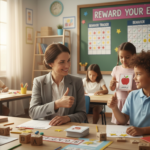
In a diverse middle school setting, a teacher integrated Class Dojo, a digital classroom management tool that uses behavioral psychology principles. By tracking student behavior and providing instant feedback, students received real-time reinforcement for their positive actions. In just one semester, the teacher noted a 30% decrease in disruptive behaviors and a 25% increase in overall engagement.
Analysis
This case illustrates the power of timely feedback and rewards—two critical elements of behavioral psychology that can transform student behavior and enhance classroom management. This experiment aligns perfectly with the theme "From Theory to Practice: Effective Applications of Behavioral Psychology in the Classroom".
Encourage Active Participation
Active participation is essential in fostering a deep understanding of content. Techniques inspired by behavioral psychology can encourage students to engage more proactively with the material.
Case Study: The Mystery Box Challenge
A high school science teacher used a "mystery box" to motivate student participation. Inside the box were intriguing items related to upcoming lessons. Students earned opportunities to open the box by asking insightful questions or contributing to class discussions. This strategy increased participation by 40%, as students were eager to engage in order to unlock the mystery.
Analysis
Utilizing a reward-based approach that sparks curiosity aligns with behavioral principles, encouraging students to learn through interaction and inquiry. The element of surprise created by the mystery box captivated students’ attention and motivated them to participate actively.
Shaping Behavior Through Structured Consequences
Implementing structured consequences for behaviors—both positive and negative—can also create a more conducive learning environment. This technique revolves around consistency and clarity.
Case Study: The Behavior Contracts
In a classroom struggling with frequent off-task behaviors, a teacher introduced behavior contracts. Each student collaboratively created a contract outlining expected behaviors and the consequences for straying from these norms. Over a school year, the number of behavioral incidents dropped by 50%, as students took ownership of their actions.
Analysis
This method exemplifies behavioral psychology’s emphasis on structured reinforcement and accountability. By allowing students to have a say in their behavioral expectations, they increase their intrinsic motivation to adhere to these guidelines. This demonstrates a practical application of behavioral theory in fostering self-regulation.
Utilizing Praise Effectively
Praise is a powerful tool when applied according to behavioral principles. When students receive positive reinforcement, they are more likely to repeat the associated behavior.
Case Study: The Power of Specific Praise
A first-grade teacher implemented a system of specific praise, where rather than generic compliments, feedback was tailored to individual actions—e.g., “I loved how you helped your classmate today.” This specificity made praise more impactful. Over several months, students exhibited improved cooperative behaviors and a more cohesive classroom atmosphere.
Analysis
Specific praise aligns with behavioral psychology’s principle of reinforcement by making students aware of the exact behaviors that are valued. This enhances self-awareness and encourages a culture of support within the classroom.
Data-Driven Insights
| Application | Metric | Impact |
|---|---|---|
| Class Dojo Experiment | 30% decrease in disruptive behaviors | Immediate feedback and reinforcement |
| Mystery Box Challenge | 40% increase in student participation | Intrigued students eager to engage |
| Behavior Contracts | 50% drop in behavior incidents | Collaborative ownership of behavior |
| Specific Praise | Improved cooperative behaviors among students | Cultivated supportive classroom environment |
This table summarizes the tangible impacts of various applications of behavioral psychology principles in classroom settings. Each case study demonstrates how theory translates into practice effectively, supporting the argument of this article.
Conclusion
The journey "From Theory to Practice: Effective Applications of Behavioral Psychology in the Classroom" reveals that the principles of behavioral psychology are not only theoretical constructs but practical tools that educators can implement to improve classroom dynamics and student outcomes. By embracing strategies such as positive reinforcement, structured consequences, and tailored praise, teachers can create an atmosphere conducive to learning.
As educators, it’s essential to remain proactive and adaptable. Incorporating behavioral psychology principles can transform how we engage with students, making classroom interactions more meaningful. We encourage teachers to experiment with these strategies and observe the profound differences they can make in the educational journey of their students.
FAQs
1. What is behavioral psychology, and how is it relevant in education?
Behavioral psychology focuses on understanding and modifying observable behaviors through principles like reinforcement and punishment. In education, it helps educators develop strategies to foster positive behaviors and create effective learning environments.
2. How can I implement reinforcement in my classroom?
Begin by clearly defining expected behaviors and then establish a rewards system. For example, offer verbal praise, stickers, or privileges to students who consistently meet these expectations.
3. What are some drawbacks of using punishment in the classroom?
While punishment can lead to immediate compliance, it may also create resentment and fear among students. Long-term, it may hinder student motivation and engagement, making them less likely to participate actively.
4. Can behavioral psychology be applied to special education?
Absolutely! Behavioral psychology can be tailored to meet the needs of students with disabilities by developing individualized reinforcement strategies that motivate and encourage positive behavior.
5. How can I measure the effectiveness of behavioral strategies in my classroom?
Utilize data collection methods such as tracking behavior incidents, participation rates, and student feedback. Regularly assess these metrics to evaluate the effectiveness of the strategies you implement.
By exploring these questions, educators can deepen their understanding of behavioral psychology’s role in the classroom, ensuring its principles are applied effectively for maximum impact.
In conclusion, the journey "From Theory to Practice: Effective Applications of Behavioral Psychology in the Classroom" not only transforms teaching methodologies but also enhances the educational experiences of students, shaping them into lifelong learners. Teachers are encouraged to test these strategies within their classrooms, fostering an engaging, supportive, and productive environment for all learners.
About the Author


The PsyForU Editorial Collective is the research and editorial team of PsyForU Research International. The collective prepares educational, psychological, mental-health-awareness, inclusion, neurodiversity, and research-methodology content for students, parents, educators, researchers, and general readers. PsyForU content is intended for awareness, education, and capacity-building and should not be treated as clinical diagnosis, therapy, medical advice, legal advice, or emergency mental-health support.