Are You Climbing the Right Levels? A Guide to Maslow’s Hierarchy
Introduction: The Journey of Self-Actualization
If you’ve ever stopped to consider what drives your ambitions, you’re not alone. Many of us find ourselves pondering whether we are truly satisfied with our lives or if we’re just going through the motions. This quest for true fulfillment takes on many forms, but a universal framework for understanding those levels of need has existed for decades: Maslow’s Hierarchy of Needs. So, Are You Climbing the Right Levels? A Guide to Maslow’s Hierarchy will not only unravel this pyramid of human motivation but also provide you actionable insights to ensure you’re on the right pathway toward self-actualization.
Understanding Maslow’s Hierarchy
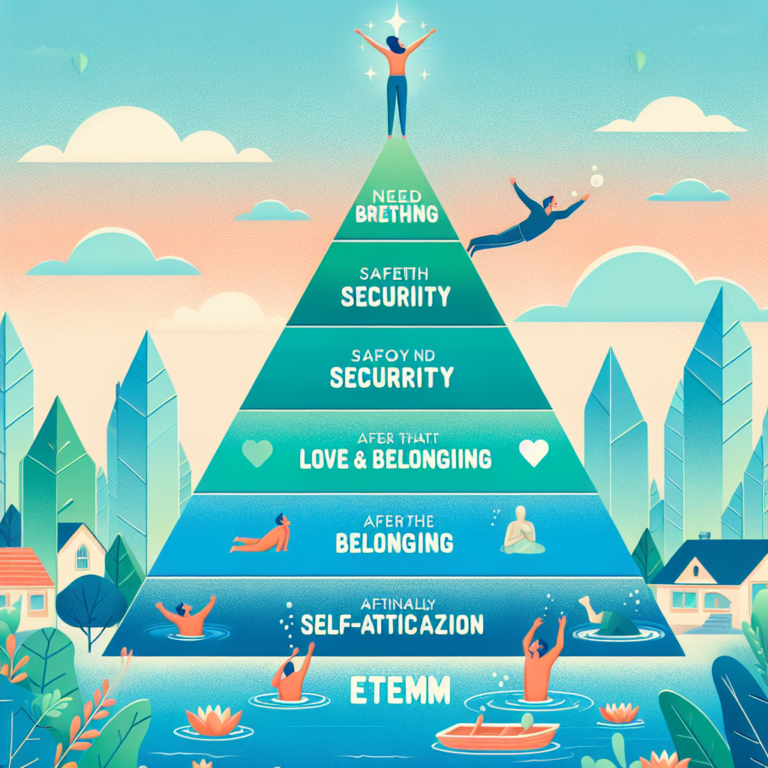
Maslow’s Hierarchy, proposed by psychologist Abraham Maslow in 1943, is often depicted as a five-tier pyramid. At its base lie the most fundamental human needs, ascending to higher-level psychological and self-fulfillment needs.
Here’s a brief overview of the five levels:
- Physiological Needs: These are the most basic human needs, including air, food, water, shelter, and sleep. Without these, survival is impossible.
- Physiological Needs: These are the most basic human needs, including air, food, water, shelter, and sleep. Without these, survival is impossible.
- Safety Needs: Once physiological needs are met, safety and security become the priority. This includes personal security, employment, resources, health, and property.
- Safety Needs: Once physiological needs are met, safety and security become the priority. This includes personal security, employment, resources, health, and property.
- Love and Belongingness Needs: With safety assured, social needs arise. This includes friendships, intimacy, family, and social groups.
- Love and Belongingness Needs: With safety assured, social needs arise. This includes friendships, intimacy, family, and social groups.
- Esteem Needs: This level focuses on self-esteem, recognition, and respect from others. It encompasses feelings of accomplishment and appreciation.
- Esteem Needs: This level focuses on self-esteem, recognition, and respect from others. It encompasses feelings of accomplishment and appreciation.
- Self-Actualization Needs: The pinnacle of the pyramid, this level is about personal growth and realizing personal potential. It’s where you pursue your passions, creativity, and self-fulfillment.
Table 1: Overview of Maslow’s Hierarchy of Needs
| Level | Description |
|---|---|
| 1. Physiological Needs | Air, food, water, shelter, sleep |
| 2. Safety Needs | Security, employment, health |
| 3. Love and Belongingness | Friendship, family, intimacy |
| 4. Esteem Needs | Self-esteem, recognition |
| 5. Self-Actualization | Personal growth, creativity |
Climbing the Right Levels: Are You Truly Aware?
Understanding where you stand in Maslow’s Hierarchy can be a pivotal first step in assessing whether you’re genuinely climbing the right levels.
Self-Reflection: Are You Addressing Your Basic Needs?
Before you can aspire to self-actualization, ask yourself:
- Are my physiological needs met? Without catering to your basic requirements, higher-level pursuits will feel futile.
- Are my physiological needs met? Without catering to your basic requirements, higher-level pursuits will feel futile.
- Do I feel safe and secure? An unstable environment can distract from personal development.
- Do I feel safe and secure? An unstable environment can distract from personal development.
- Do I have supportive relationships? Human connection is crucial at this stage.
A strong base ensures that you can start shifting your focus to social relationships and esteem.
Case Study: The Impact of Financial Security
Consider the case of Emily, a single mother who worked multiple jobs to provide for her child. Due to her unstable finances, she struggled to focus on anything beyond paying bills. Once she secured a stable job that met her financial needs, Emily was able to cultivate deeper relationships and pursue further education, illustrating the importance of a secure foundation in climbing higher.
Are You Pursuing Esteem Needs?
Once you’ve ensured your basic and safety needs are met, reflect on your self-esteem. Aim for:
- Recognition at work: Are you valued for your contributions?
- Building confidence: Engage in activities that foster a sense of accomplishment.
Graph 1: The Role of Recognition in Job Satisfaction

Case Study: Recognition at Work
John worked in a highly competitive industry but often felt underappreciated. After he received a promotion and recognition for his contributions, his motivation and productivity skyrocketed. This case highlights how recognition at the esteem level directly impacts performance.
Transitioning to Self-Actualization: The Summit Awaits
To reach self-actualization—the crown jewel of Maslow’s hierarchy—you must fully address the lower levels and then actively pursue personal growth.
Questions for Self-Actualization
- What are my passions? Identify what sparks your interest.
- Am I setting goals? Ensure they align with your true self.
- Am I nurturing creativity? Creative pursuits can be deeply fulfilling.
Case Study: A Journey to Self-Actualization
Consider Sarah, a marketing executive who felt unfulfilled in her corporate job. After exploring her passion for painting, she began showcasing her artwork online. The joy of pursuing this creative outlet led her to balance her corporate work with her artistic ambitions, profoundly enhancing her quality of life.
Common Missteps in Climbing the Hierarchy
Despite having a clear framework, many still misjudge their climbs. Here are some common pitfalls:
- Skipping Levels: Attempting to reach self-actualization without fulfilling lower-tier needs can result in frustration.
- Skipping Levels: Attempting to reach self-actualization without fulfilling lower-tier needs can result in frustration.
- Ignoring Mental Health: Anxiety or stress at lower levels can significantly inhibit progression.
- Ignoring Mental Health: Anxiety or stress at lower levels can significantly inhibit progression.
- Not Seeking Connection: Isolation can stall your journey.
Insights From Real Life
Many executives in high-pressure jobs may tend to neglect personal relationships, believing their career is paramount. But studies show that strong social support can lead to greater job performance, revealing a cyclical pattern in Maslow’s Hierarchy—neglecting one level can detrimentally affect others.
Conclusion: Your Path to Climbing the Right Levels
In your quest for fulfillment, remember that each step on Maslow’s Hierarchy is interconnected. By asking yourself, “Are You Climbing the Right Levels?” you initiate a cycle of self-reflection and improvement. As you address your needs across the hierarchy, you’ll unlock the potential for a more vibrant and fulfilling life. Set intentions to not merely exist, but to thrive.
FAQs
1. What if my physiological needs are not met?
If you’re struggling with basic needs, consider reaching out to local services or community programs that can provide support.
2. How can I ensure my safety needs are stable?
Ensure you have a sound job and a safe living environment. Insurance can also provide peace of mind.
3. What if I lack social connections?
Joining clubs or engaging in community activities can help you build relationships and foster social bonds.
4. How do I boost my self-esteem?
Set and achieve small goals, seek constructive feedback, and surround yourself with supportive individuals.
5. What are actionable steps to reach self-actualization?
Identify your passions, create a goal plan, and set aside time for creative or personal pursuits.
As you continue your journey, reflect often and celebrate each step you take. Climbing these levels is not merely a destination; it’s a lifelong adventure toward becoming your true self.
About the Author