Need Satisfaction: How Maslow’s Theory Can Transform Your Life
Introduction
Imagine a world where your needs are met at every level of your life—where emotional fulfillment, social connections, and self-actualization aren’t just lofty aspirations but attainable realities. This transformative possibility is rooted in Maslow’s Hierarchy of Needs, a powerful framework that can revolutionize not only individual lives but entire communities. In this article, we’ll explore Need Satisfaction: How Maslow’s Theory Can Transform Your Life by breaking down the hierarchy, sharing compelling case studies, and providing actionable insights. By understanding and applying Maslow’s principles, you can create a pathway to a happier, more fulfilling existence.
Understanding Maslow’s Hierarchy of Needs
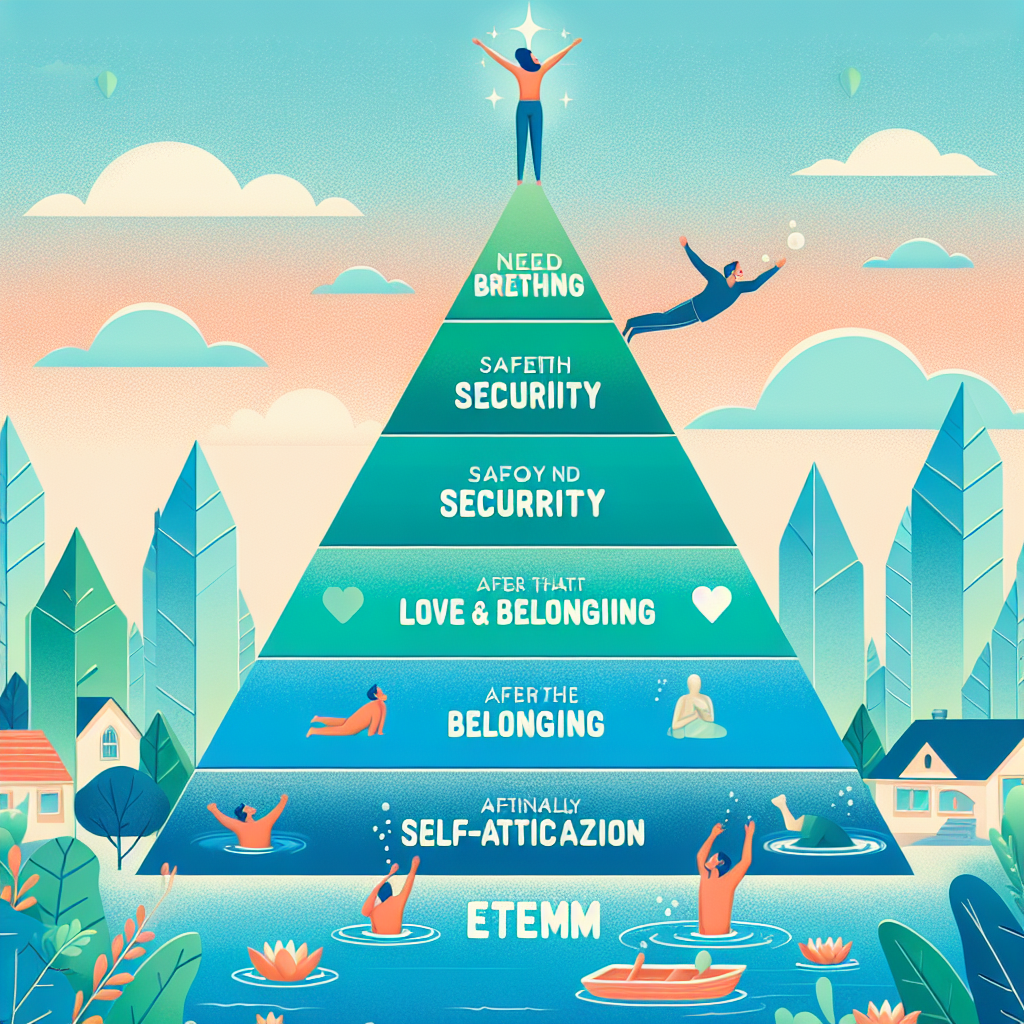
At the heart of Maslow’s theory lies a five-tier model of human needs, often depicted as a pyramid. Each tier represents essential categories of need:
- Physiological Needs: The most basic human needs, including food, water, warmth, and rest.
- Safety Needs: Security and safety, such as health, property, and resources.
- Love and Belongingness: Emotional bonds, social connections, and relationships.
- Esteem Needs: Self-esteem, confidence, achievement, and recognition from others.
- Self-Actualization: The realization of personal potential, self-fulfillment, and personal growth.
To unlock Need Satisfaction: How Maslow’s Theory Can Transform Your Life, it’s critical to investigate these layers and understand how fulfilling them one step at a time leads to greater well-being.
The Importance of Gratifying Physiological Needs
Physiological needs form the foundation of Maslow’s hierarchy. Without satisfying these primal needs, individuals struggle to focus on higher-order goals. In today’s fast-paced world, it’s easy to neglect basic health and wellness.
Case Study: A Health-First Approach
Let’s take a look at Sarah, a working mother of two, who often finds herself prioritizing work over her own health. After realizing that her excessive workload led to fatigue, she decided to focus on her physiological needs. By dedicating time to meal prep, getting adequate sleep, and staying hydrated, Sarah not only improved her energy levels but also enhanced her productivity at work.
Analysis: Sarah’s journey illustrates that meeting basic needs can create a ripple effect, enabling individuals to focus on higher needs such as relationships and self-esteem.
After the Basics: Safety and Security
Once physiological needs are met, safety becomes the priority. This means seeking stability—financial, health-related, and environmental.
Case Study: Financial Stability
Consider James, a recent college graduate burdened with student loans. He found himself perpetually anxious about finances, which led him to a cycle of poor decision-making. After taking a personal finance course, he learned to budget effectively and prioritize savings.
Analysis: By achieving financial security, James was able to redirect his focus toward building relationships and career aspirations, demonstrating how safety needs can facilitate growth.
Fostering Love and Belongingness
With safety secured, emotional needs come into play. Humans are inherently social beings who thrive on connection.
Case Study: Building Community Connections
Aisha, new to a city, felt isolated due to a lack of friends and family nearby. By joining local groups related to her hobbies, she fostered a sense of belonging. Aisha’s involvement not only enriched her social life but also bolstered her confidence.
Analysis: Aisha’s experience highlights Need Satisfaction: How Maslow’s Theory Can Transform Your Life by showing the essential nature of social support for mental health and well-being.
Gaining Esteem and Recognition
Next in the hierarchy is the quest for esteem. This involves building confidence and gaining recognition from others.
Case Study: Professional Growth
Mark, a software developer, felt underappreciated in his role. After seeking feedback and pursuing professional development, he became more proactive in sharing his achievements with his team.
Analysis: By actively seeking out recognition, Mark transformed his work environment and effectively satisfied his esteem needs, leading to greater job satisfaction and productivity.
Reaching for Self-Actualization
At the pinnacle of Maslow’s pyramid lies self-actualization—the desire to become everything that one is capable of becoming.
Case Study: Embracing Creativity
Lisa, a graphic designer, had always put her artistic aspirations on hold due to work obligations. By setting aside dedicated time each week for personal projects, she experienced a surge in creativity and fulfillment.
Analysis: Lisa’s journey reflects how self-actualization can lead to immense satisfaction, underscoring Maslow’s assertion that fulfilling higher-level needs provides a sense of purpose and achievement.
Practical Steps Toward Need Satisfaction
By now, we’ve explored how Need Satisfaction: How Maslow’s Theory Can Transform Your Life plays out through various layers of the hierarchy. But how can you apply this knowledge in your own life?
1. Assess Your Needs
Begin with a self-assessment to identify which level of needs you are currently focused on.
| Need Level | Questions to Consider |
|---|---|
| Physiological | Am I getting enough sleep? Am I eating well? |
| Safety | Do I feel secure in my environment and finances? |
| Love and Belongingness | Do I have supportive relationships? |
| Esteem | Am I recognized for my contributions at work? |
| Self-Actualization | Am I pursuing my passions and goals? |
2. Prioritize Fulfillment
Create an action plan to meet unfulfilled needs one at a time.
3. Seek Help
Don’t hesitate to lean on friends, family, or professionals. Support networks are vital for emotional and psychological well-being.
4. Set Realistic Goals
Instead of overwhelming yourself with large ambitions, break them into smaller, achievable steps.
5. Celebrate Small Wins
Recognizing small victories keeps your motivation high and reinforces the progress you’re making toward satisfying your needs.
Conclusion
Understanding Need Satisfaction: How Maslow’s Theory Can Transform Your Life provides a roadmap for personal growth and fulfillment. By satisfying needs systematically, you not only improve your quality of life but also empower yourself to pursue higher aspirations with clarity and purpose. Remember, achieving personal satisfaction is not merely an end goal; rather, it’s an evolving journey. Let this knowledge inspire you to reflect, act, and transform your life in meaningful ways.
FAQs
1. What is the importance of Maslow’s Hierarchy of Needs?
Maslow’s Hierarchy highlights how fulfilling foundational needs is vital to achieving higher levels of satisfaction, ultimately enhancing personal growth and well-being.
2. How can I identify which needs are unmet?
Self-reflection and journaling can help you pinpoint areas of life that feel lacking. Asking yourself which needs you’re consciously or unconsciously pursuing can clarify your priorities.
3. Can I work on multiple needs at once?
While it’s possible, it’s generally beneficial to focus on satisfying one level at a time for more sustainable outcomes.
4. How do societal factors influence need satisfaction?
Societal issues, such as economic instability and social inequality, can significantly impact our ability to fulfill basic needs, affecting individual fulfillment on higher levels.
5. How can I help others in striving for satisfaction?
Encourage open conversations about needs, provide emotional support, and assist them in setting goals, thereby fostering connections and community well-being.
By embracing Maslow’s insights, you’re not just enhancing your own life; you’re also equipping yourself to uplift those around you—transforming not just individuals, but entire communities in the process.
About the Author


The PsyForU Editorial Collective is the research and editorial team of PsyForU Research International. The collective prepares educational, psychological, mental-health-awareness, inclusion, neurodiversity, and research-methodology content for students, parents, educators, researchers, and general readers. PsyForU content is intended for awareness, education, and capacity-building and should not be treated as clinical diagnosis, therapy, medical advice, legal advice, or emergency mental-health support.