Introduction
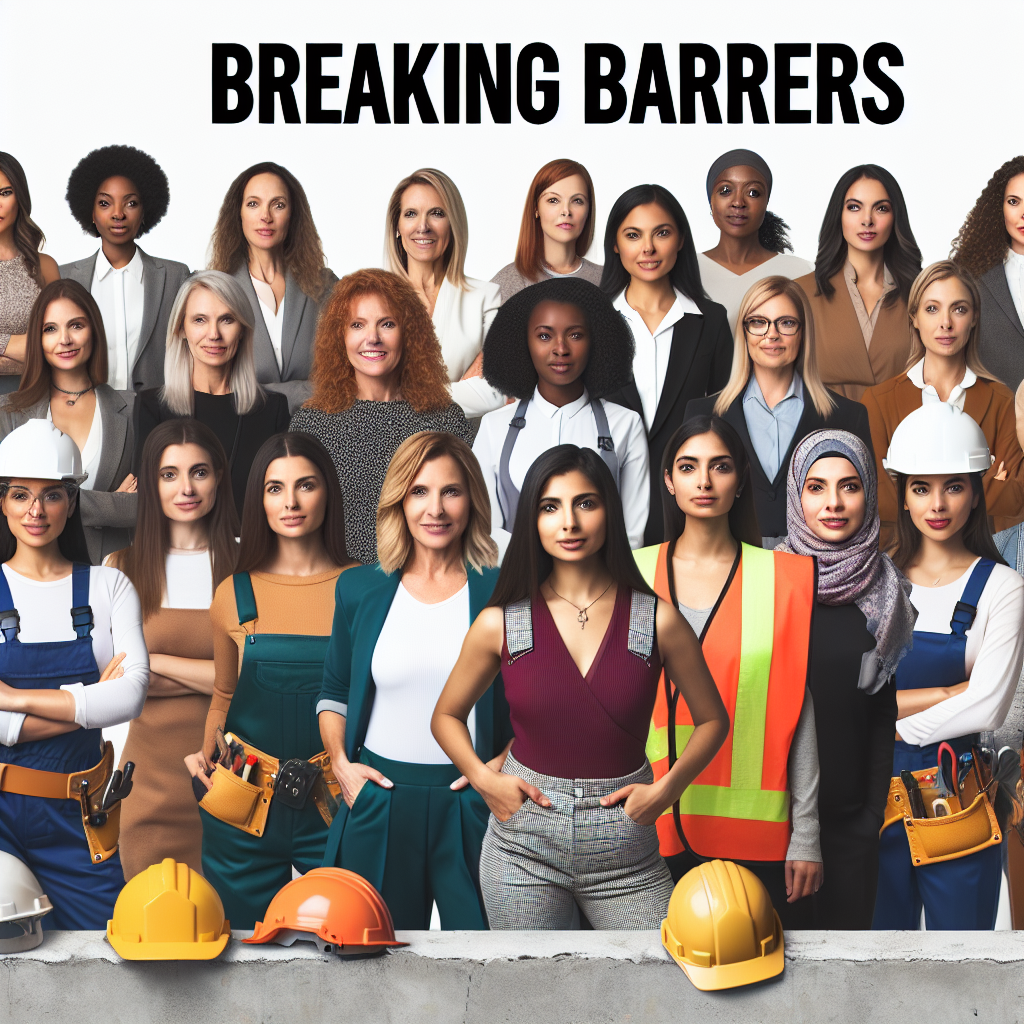
In today’s world, the narrative around gender equality is evolving, yet many industries remain stubbornly male-dominated. The term "Breaking Barriers" is not just a phrase; it encapsulates the relentless spirit of women who challenge norms and carve out their spaces in sectors traditionally reserved for men. Whether in engineering, technology, construction, or finance, these women demonstrate undeniable resilience, creativity, and leadership. This article explores the Inspiring Stories of Women in Male-Dominated Industries, illuminating their journeys and the lessons we can learn from them.
The Landscape of Male-Dominated Industries
Before celebrating individual achievements, it’s essential to understand the context. According to recent studies, women make up only 28% of the workforce in STEM (Science, Technology, Engineering, Mathematics) fields. In construction, the numbers are even lower, with female participation hovering around 9%. These statistics underline the significant barriers women face when trying to enter and thrive in these sectors.
Barriers in Male-Dominated Industries
- Cultural Stereotypes: Many industries reinforce stereotypes about women’s capabilities.
- Lack of Representation: With few role models, aspiring women often feel isolated.
- Work-Life Balance: The demands of certain fields can clash with traditional family roles.
Despite these barriers, numerous women have made significant strides. Let’s delve into some inspiring stories that exemplify breaking barriers.
Case Study 1: Ruth E. Smith—Navigating the Tech World
Overview
Ruth E. Smith’s journey into the tech industry began at a time when the term “female programmer” was often met with skepticism. As the founder of a successful tech startup, her path is a testament to perseverance.
Analysis
Ruth faced significant hurdles—doubts from peers, lack of funding opportunities, and limited networking options. Yet, she leveraged social media to build her brand and connect with other women in tech. Her story exemplifies the critical importance of community in breaking barriers. Smith’s advice: "Find your tribe; they will lift you."
Key Takeaway
Ruth’s journey underscores the importance of networking and building communities that foster support among women in male-dominated industries.
Case Study 2: Maria Gonzalez—Redefining Construction
Overview
Maria Gonzalez enters the construction world as one of the few women in a company of over 1,000 employees. As a project manager, she has led multiple high-profile projects while advocating for more female representation in the industry.
Analysis
Maria’s success is rooted in her ability to integrate innovative approaches to project management. By emphasizing collaboration and open communication, she has not only changed her company’s culture but also proven the value women bring to the construction site. Her advocacy work has inspired numerous internships aimed at young women.
Key Takeaway
Maria’s leadership style demonstrates the need for women to redefine what success looks like in traditionally male industries.
Case Study 3: Linda Banyard—Shattering Glass Ceilings in Finance
Overview
Linda Banyard carved out a niche for herself in the world of finance, rising from an intern to the CFO of a major investment firm. Her story highlights the financial sector’s unique challenges and opportunities for women.
Analysis
Linda faced systemic challenges such as bias during performance reviews and the pressure of work-life balance. However, she took these challenges head-on, insisting on mentorship programs for young women in finance to create a more equitable workplace.
Key Takeaway
Linda emphasizes the importance of mentorship and advocacy in breaking barriers: "Your voice matters; use it to uplift others."
Breaking Barriers in Data: Highlights
| Industry | Female Participation (%) | Key Women Leaders |
|---|---|---|
| Technology | 28% | Ruth E. Smith |
| Construction | 9% | Maria Gonzalez |
| Finance | 20% | Linda Banyard |
| Engineering | 13% | Rachel Farber |
| Aviation | 5% | Jessica Carter |
The Impact of Policies and Programs
While individual stories are compelling, systemic change is crucial for sustained growth. Numerous companies and organizations are implementing policies and programs aimed at increasing female representation.
Initiatives That Inspire
- Diversity and Inclusion Training: Programs that educate employees on the value of diverse workplaces.
- Mentorship Programs: Helping women ascend the ranks through guidance from experienced professionals.
- Flexible Work Policies: Acknowledging the need for work-life balance, particularly for working mothers.
Inspirational Insights
As we explore these breaking barriers: inspiring stories of women in male-dominated industries, three overarching themes emerge:
Resilience: Women like Ruth, Maria, and Linda demonstrate that adversity can be overcome with determination.
Community: The importance of building supportive networks cannot be overstated.
- Advocacy: Each story involves a call to action—whether through mentorship, policy change, or personal empowerment.
Conclusion
Breaking barriers in male-dominated industries is more than just personal triumph; it is a collective movement toward equity and inclusion. The stories of these inspiring women remind us that systemic change, coupled with personal resilience, can reshape industries and open doors for future generations. As women continue to rise against the odds, we all have a role to play in supporting them.
Call to Action
Reflect on your journey and consider how you can contribute to the empowerment of women in your field. Support initiatives, mentor a young woman, or even share your story. Together, we can create a more inclusive future.
FAQs
1. What are the main barriers women face in male-dominated industries?
Women typically face cultural stereotypes, lack of representation, and challenges in balancing work and family life.
2. How can mentorship help women succeed in male-dominated fields?
Mentorship provides guidance, support, and valuable networking opportunities, helping women navigate their careers.
3. Why is representation important in male-dominated industries?
Representation ensures that diverse perspectives are included in decision-making processes, which can lead to more innovative solutions.
4. What policies can companies implement to support women?
Companies can introduce diversity training, flexible work policies, and mentorship programs to create a more equitable workplace.
5. How can women build supportive networks?
Women can join professional organizations, attend industry events, and engage in online forums to connect with others in their field.
This article aimed to shed light on the inspiring stories of women breaking barriers in male-dominated industries. By sharing these perspectives, we hope to motivate both women and allies to advocate for change and celebrate the progress made toward equality.
About the Author