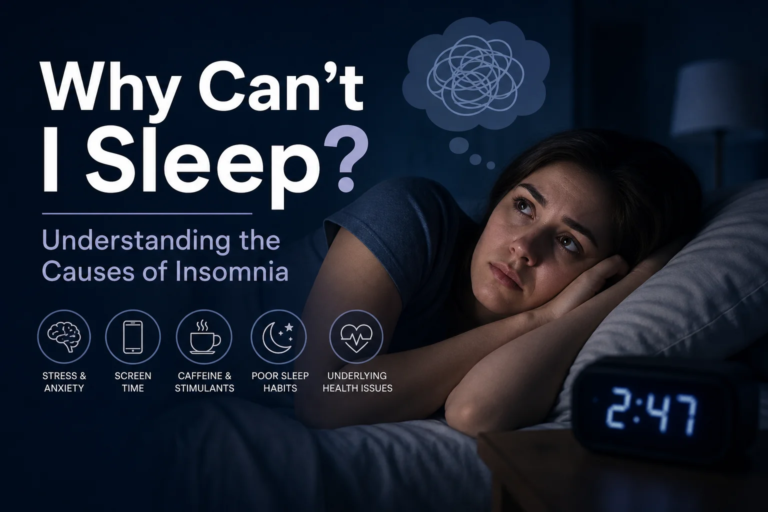
You’re lying in bed at 1:17 a.m., mind racing, chest tight, replaying a conversation from six hours ago like it’s breaking news. Your phone is inches away. With two taps, you could open a meditation app, message a therapist, track your mood, do a breathing exercise, or ask an AI chatbot why your brain refuses to calm down.
That raises the big question: Can Apps Really Improve Your Mental Health?
The short answer is: yes, they can help—sometimes meaningfully—but they are not magic, and they are not a replacement for professional care when you need it. The better answer is more interesting. Mental health apps can improve self-awareness, reduce mild to moderate symptoms, support therapy, build habits, and make care more accessible. But their effectiveness depends on the app, the person, the condition, privacy safeguards, and whether the tool is used consistently and appropriately.
So, Can Apps Really Improve Your Mental Health? Let’s look beyond the hype, the shiny app-store promises, and the one-size-fits-all wellness slogans. This guide explores what mental health apps can realistically do, where they fall short, which features matter most, and how to use them wisely.
Why This Question Matters More Than Ever
Mental health care is facing a serious access problem. Many people wait weeks or months to see a therapist. Others cannot afford ongoing sessions. Some live in rural areas where services are limited. Many people hesitate to ask for help because of stigma, time constraints, or uncertainty about whether their struggles are “serious enough.”
Meanwhile, smartphones are everywhere.
That is why the question “Can Apps Really Improve Your Mental Health?” is no longer just a tech trend. It is a public health question, a personal wellness question, and, for many people, a practical survival question.
Mental health apps promise support in your pocket. They offer guided meditations, CBT exercises, mood journals, sleep tools, habit trackers, peer communities, crisis resources, and access to licensed professionals. Some are grounded in psychological science. Others are little more than pretty interfaces with motivational quotes.
The challenge is knowing the difference.
What Do We Mean by “Mental Health Apps”?
Before asking Can Apps Really Improve Your Mental Health?, we need to define what “apps” actually means. Not all mental health apps do the same thing.
Some are designed for relaxation. Some deliver structured therapy techniques. Some connect users with clinicians. Others focus on tracking symptoms or managing specific conditions like anxiety, depression, PTSD, ADHD, or insomnia.
Common Types of Mental Health Apps
| App Type | Main Purpose | Common Features | Best For |
|---|---|---|---|
| Meditation and mindfulness apps | Reduce stress and improve emotional regulation | Guided meditation, breathing exercises, sleep stories | Stress, mild anxiety, sleep support |
| CBT-based apps | Help users challenge thoughts and change behaviors | Thought records, cognitive reframing, activity scheduling | Anxiety, depression, negative thinking |
| Mood-tracking apps | Increase self-awareness | Mood logs, triggers, charts, journal prompts | Pattern recognition, therapy support |
| Therapy platforms | Connect users with licensed professionals | Video sessions, messaging, treatment plans | Ongoing mental health care |
| Crisis support apps | Provide immediate coping tools and safety planning | Hotlines, grounding exercises, emergency contacts | High distress, relapse prevention |
| Habit and lifestyle apps | Support sleep, exercise, routines, and goals | Reminders, progress tracking, streaks | Daily structure, motivation |
| Peer-support apps | Create connection with others | Forums, group chats, moderated communities | Loneliness, shared experiences |
So, when someone asks, Can Apps Really Improve Your Mental Health?, the answer depends partly on which kind of app we’re talking about.
A breathing app might help you calm down before a meeting. A CBT app might help you challenge self-critical thoughts. A therapy app might connect you with a licensed counselor. A mood tracker might reveal that your anxiety spikes after poor sleep or heavy social media use.
Different tools, different outcomes.
The Science: Can Apps Really Improve Your Mental Health?
Research on mental health apps is growing quickly, but the evidence is mixed. Some digital interventions show real promise, especially those based on proven therapeutic approaches like cognitive behavioral therapy, mindfulness-based stress reduction, behavioral activation, and acceptance and commitment therapy.
However, not every app on the market has been clinically tested. Many wellness apps make bold claims without strong evidence. This is why asking Can Apps Really Improve Your Mental Health? requires a careful, evidence-informed answer.
What Research Generally Suggests
Studies have found that certain mental health apps may help reduce symptoms of anxiety, depression, stress, and insomnia, especially when:
- The app uses evidence-based methods.
- Users engage consistently.
- The app includes human support or therapist guidance.
- The goal is mild to moderate symptom management.
- The app is part of a broader care plan.
Digital CBT programs, for example, have shown benefits for anxiety and depression. Mindfulness apps have been associated with reduced stress and improved attention. Sleep apps using CBT-I principles may help people improve sleep habits.
But results vary.
People often download apps, use them for a few days, then stop. Some apps are too generic. Some lack proper privacy protections. Others may not be appropriate for people dealing with severe depression, psychosis, suicidal thoughts, trauma flashbacks, or complex mental health needs.
So, can mental health apps really improve your mental health? Yes—but the best outcomes happen when apps are thoughtfully chosen and realistically used.
How Apps Can Support Mental Health in Everyday Life
The strongest argument for mental health apps is not that they replace therapy. It is that they fill gaps between moments of care.
A therapist might see you once a week. Your stress, panic, cravings, loneliness, or negative thoughts can show up any time. Apps can provide structure during those in-between moments.
1. They Make Coping Tools Immediately Available
When anxiety hits, it can be hard to remember what to do. An app can guide you through a breathing exercise, grounding technique, or cognitive reframing prompt in real time.
That immediacy matters.
Instead of spiraling for 45 minutes, you might pause, breathe, label the emotion, and choose a healthier next step. This is one reason people ask Can Apps Really Improve Your Mental Health?—because the support is available at the exact moment distress appears.
2. They Build Self-Awareness
Mood-tracking apps help people notice patterns.
Maybe your irritability rises after poor sleep. Maybe Sunday evenings trigger dread. Maybe your mood improves after walking outside. Maybe alcohol worsens anxiety the next day.
These insights can be powerful because mental health often improves when invisible patterns become visible.
3. They Reinforce Therapy Skills
If you’re in therapy, apps can help you practice between sessions. A CBT app might help you complete thought records. A mindfulness app might support daily practice. A journaling app might help you prepare for your next appointment.
In this sense, the question is not simply Can Apps Really Improve Your Mental Health? but can apps help you apply what you already know more consistently?
Often, yes.
4. They Reduce Barriers to Starting Help
For someone who feels embarrassed, overwhelmed, or unsure, opening an app can feel less intimidating than calling a clinic.
An app may become a first step: learning vocabulary, identifying symptoms, practicing coping skills, or realizing, “I think I need more support.”
5. They Help Create Healthy Routines
Sleep, movement, hydration, social connection, and daily structure all influence mental health. Apps that support routines can indirectly improve emotional well-being.
A habit tracker will not cure depression. But it may help someone rebuild small routines during a difficult season.
Where Mental Health Apps Shine—and Where They Don’t
To answer Can Apps Really Improve Your Mental Health? honestly, we need to talk about both strengths and limitations.
Benefits and Limitations of Mental Health Apps
| Potential Benefit | Why It Helps | Important Limitation |
|---|---|---|
| 24/7 access | Support is available anytime | Not the same as emergency care |
| Lower cost | Many apps are free or affordable | Quality varies widely |
| Privacy and convenience | Users can explore support discreetly | Data privacy may be unclear |
| Skill practice | Reinforces coping strategies | Requires consistency |
| Symptom tracking | Helps identify patterns | Tracking can become obsessive for some |
| Therapy access | Teletherapy can reduce barriers | May not suit all conditions or crises |
| Personalization | Some apps adapt to user needs | Algorithms can misunderstand context |
The key takeaway: apps are tools. A tool can be helpful, useless, or even harmful depending on how it is designed and used.
A hammer can build a home or smash a window. A mental health app can support healing or create false reassurance.
Case Study 1: Maya Uses a CBT App to Manage Anxiety
Profile: Maya, 32, works in project management. She experiences racing thoughts, perfectionism, and anxiety before presentations. She is not in crisis, but her anxiety affects her sleep and confidence.
Maya downloads a CBT-based app that teaches her to identify automatic thoughts. Before a big meeting, she writes:
- “I’m going to mess this up.”
- “Everyone will think I’m incompetent.”
- “If I make one mistake, I’ll lose credibility.”
The app prompts her to examine evidence. She remembers that her last three presentations went well. She reframes the thought:
- “I may feel nervous, but I am prepared.”
- “One mistake does not define my competence.”
- “My goal is to communicate clearly, not perform perfectly.”
Over several weeks, she uses the app three to four times a week. Her anxiety does not disappear, but she becomes less controlled by it.
Analysis
This case shows how apps can help with mild to moderate anxiety when they use evidence-based techniques. Maya’s app works because it gives her a structure for practicing CBT skills in real life. If we ask Can Apps Really Improve Your Mental Health?, Maya’s example suggests yes—especially when the app teaches practical skills and the user applies them consistently.
The Role of CBT Apps: Why They Often Work Well
Cognitive behavioral therapy is one of the most researched forms of psychotherapy. It focuses on the connection between thoughts, feelings, and behaviors.
CBT-based apps often include:
- Thought records
- Cognitive distortion checklists
- Behavioral activation plans
- Exposure exercises
- Problem-solving tools
- Goal tracking
These features can be useful because they turn abstract mental health concepts into concrete actions.
For example, someone with depression might use behavioral activation to schedule one small meaningful activity per day. Someone with social anxiety might use gradual exposure exercises. Someone with rumination might learn to challenge all-or-nothing thinking.
So, Can Apps Really Improve Your Mental Health? CBT apps may be among the stronger candidates, especially when they are designed carefully and used regularly.
Mindfulness Apps: Calm in Your Pocket or Overhyped Trend?
Mindfulness apps are some of the most popular mental health tools. They typically offer guided meditation, breathing exercises, sleep audio, body scans, and short lessons on attention and acceptance.
For many users, these apps reduce stress and help them pause before reacting. Even a three-minute breathing practice can interrupt a stress cycle.
However, mindfulness is not a cure-all.
Some people with trauma histories may find certain meditations uncomfortable. Sitting quietly with internal sensations can sometimes intensify distress. Others may feel frustrated when they cannot “clear their mind,” even though clearing the mind is not the goal of mindfulness.
The real benefit of mindfulness apps is practice. They help train attention and emotional regulation over time.
If someone asks Can Apps Really Improve Your Mental Health? mindfulness apps offer a qualified yes. They may improve stress resilience, sleep quality, and emotional awareness, but they should be used gently and adapted to the individual.
Case Study 2: Jordan Uses a Sleep App After Burnout
Profile: Jordan, 41, is an emergency medical technician. After months of high-stress shifts, he struggles with insomnia. He lies awake replaying calls and checking the clock.
Jordan tries a sleep app based on CBT-I principles. It helps him track sleep patterns, reduce late caffeine, create a wind-down routine, and stop using the bed as a place for worrying. The app also includes guided relaxation.
After six weeks, Jordan still has stressful nights, but he falls asleep faster and feels more in control of his evenings.
Analysis
Jordan’s story highlights how mental health and sleep are deeply connected. His app did not erase job stress, but it improved sleep behaviors that were worsening his emotional state. This matters because when people ask Can Apps Really Improve Your Mental Health?, they often overlook lifestyle-based apps that support foundational mental health habits.
Mood Tracking: Helpful Insight or Too Much Self-Monitoring?
Mood tracking is one of the most common features in mental health apps. Users log emotions, energy, sleep, activities, symptoms, and triggers.
This can be extremely helpful.
A mood tracker can reveal patterns such as:
- Anxiety increases after too much caffeine.
- Depression worsens during isolation.
- Irritability spikes after poor sleep.
- Exercise improves mood for several hours.
- Certain relationships consistently drain energy.
But mood tracking can also backfire. Some users become overly focused on rating every feeling. Others may feel discouraged if charts show repeated low moods. For people prone to health anxiety or obsessive tracking, too much monitoring can increase distress.
The best mood tracking is simple, purposeful, and reflective—not compulsive.
Smart Mood Tracking Tips
| Do This | Avoid This |
|---|---|
| Track once or twice daily | Logging every emotional shift |
| Look for patterns weekly | Obsessing over individual entries |
| Share useful trends with a therapist | Treating app data as a diagnosis |
| Include sleep, food, stress, and social contact | Tracking mood without context |
| Use insights to make small changes | Using charts to judge yourself |
So, Can Apps Really Improve Your Mental Health? Mood trackers can help when they lead to insight and action—not when they become another source of pressure.
Therapy Apps: Convenient Care or Digital Compromise?
Therapy apps and online counseling platforms have changed how people access mental health care. Instead of traveling to an office, users may meet with licensed therapists through video calls, phone sessions, or secure messaging.
For many people, this is a major improvement.
Teletherapy can be especially helpful for:
- Busy professionals
- Parents with limited childcare
- People in rural areas
- Individuals with mobility limitations
- Those who prefer the comfort of home
- People starting therapy for the first time
But there are limitations. Not every therapist is a good fit. Some platforms may rely heavily on messaging, which may not provide enough depth for complex issues. Severe symptoms may require in-person care, psychiatric support, or coordinated treatment.
When asking Can Apps Really Improve Your Mental Health?, therapy apps may offer one of the strongest forms of support because they connect users with real clinicians. Still, quality, licensing, confidentiality, and fit matter.
Case Study 3: A University Uses an App to Support Students
Profile: A mid-sized university notices rising demand for counseling services. Wait times stretch to several weeks during exam season. The counseling center introduces a mental health app that offers screening tools, self-guided CBT modules, mindfulness practices, crisis resources, and appointment scheduling.
Students with mild stress use self-guided tools. Students with higher symptom scores are encouraged to book counseling. The app also sends reminders about workshops and peer support groups.
Within a semester, counselors report that some students arrive better prepared, with mood logs and clearer descriptions of their concerns. Students who might not have sought help begin using low-pressure resources.
Analysis
This case shows how apps can support a larger mental health system. The app does not replace counselors. Instead, it helps with education, triage, early intervention, and continuity of care. In institutional settings, the question Can Apps Really Improve Your Mental Health? becomes broader: apps can improve access and help people find the right level of care sooner.
AI Mental Health Chatbots: Helpful Companion or Risky Shortcut?
AI-powered chatbots are increasingly common in mental health apps. They can simulate supportive conversations, offer coping prompts, help with journaling, and guide users through CBT-style exercises.
The appeal is obvious: instant replies, no judgment, and availability at any hour.
For people who feel lonely or overwhelmed, a chatbot can provide a helpful pause. It may help users name emotions, challenge thoughts, or decide on a next step.
But caution is essential.
AI chatbots are not therapists. They may misunderstand context, miss warning signs, or give generic advice. They do not truly know you, and they may not respond appropriately to crisis situations.
If someone is experiencing suicidal thoughts, self-harm urges, psychosis, abuse, or severe distress, they need human support immediately—not just an app.
So, Can Apps Really Improve Your Mental Health? AI tools can support reflection and coping, but they should never be treated as a full replacement for qualified care.
The Privacy Problem No One Should Ignore
Mental health data is deeply personal. An app may collect information about your mood, sleep, medication, trauma, relationships, location, journal entries, or therapy history.
Before using any mental health app, ask:
- What data does it collect?
- Is the data encrypted?
- Is information shared with advertisers?
- Can you delete your data?
- Does the app sell or use data for marketing?
- Is the privacy policy clear?
- Does it comply with relevant health privacy laws?
A mental health app should not require unnecessary permissions. Be cautious if an app asks for location, contacts, microphone access, or unrelated personal data without a clear reason.
This privacy issue complicates the answer to Can Apps Really Improve Your Mental Health? A tool that helps emotionally but mishandles sensitive information may create other risks. Trust matters.
What Makes a Mental Health App Actually Worth Using?
With thousands of options available, choosing an app can feel overwhelming. The best mental health apps tend to share several qualities.
Mental Health App Quality Checklist
| Feature | Why It Matters |
|---|---|
| Evidence-based methods | Increases chance of real benefit |
| Clear privacy policy | Protects sensitive information |
| Professional involvement | Suggests better clinical quality |
| Easy-to-use design | Encourages consistency |
| Crisis resources | Supports safety during high distress |
| Customization | Makes tools more relevant |
| No exaggerated claims | Indicates ethical marketing |
| Progress tracking | Helps users see patterns |
| Option to export data | Useful for therapy or medical appointments |
| Transparent pricing | Prevents surprise costs |
A strong app does not promise to “cure anxiety in seven days.” It does not shame you for missing a streak. It does not bury privacy details in confusing legal language.
If you are wondering Can Apps Really Improve Your Mental Health?, start by asking whether the app is built to genuinely support users—or simply keep them engaged for profit.
When Apps Can Be Especially Helpful
Mental health apps may be particularly useful in certain situations.
Apps May Help If You:
- Want to build a meditation or breathing habit
- Need help tracking mood patterns
- Are practicing therapy skills between sessions
- Have mild to moderate stress or anxiety
- Want support with sleep routines
- Need reminders for healthy habits
- Are waiting for a therapy appointment
- Want a private first step toward seeking help
- Need structured journaling prompts
- Want to prepare for conversations with a clinician
In these cases, asking Can Apps Really Improve Your Mental Health? can lead to a practical answer: yes, if the app helps you take small, consistent actions that support emotional well-being.
When Apps Are Not Enough
Apps have limits. They should not be relied on as the only support in serious situations.
Seek Professional or Emergency Help If You Experience:
- Thoughts of suicide or self-harm
- Feeling unsafe or at risk of harming someone else
- Severe depression that prevents basic functioning
- Panic attacks that feel unmanageable
- Psychosis, hallucinations, or paranoia
- Mania or extreme impulsivity
- Eating disorder symptoms
- Substance withdrawal or dangerous substance use
- Trauma symptoms that feel overwhelming
- Abuse, violence, or coercive control
If you are in immediate danger, contact local emergency services or a crisis hotline in your country. If you are in the United States or Canada, you can call or text 988 for crisis support.
The question Can Apps Really Improve Your Mental Health? should never be confused with “Can apps handle every mental health emergency?” They cannot.
The Habit Factor: Why Most People Don’t Benefit From Apps
Many people download a mental health app during a stressful night, use it twice, then forget about it. Later, they decide the app “didn’t work.”
But apps often work like exercise, therapy homework, or meditation: the benefit comes from repetition.
A breathing exercise once may calm you briefly. A breathing practice used daily may train your nervous system to recover faster. A mood log once may be interesting. A mood log over four weeks may reveal life-changing patterns.
Consistency does not mean perfection. It means returning.
A Simple 10-Minute Mental Health App Routine
| Time | Activity |
|---|---|
| 2 minutes | Log mood, energy, and stress |
| 3 minutes | Practice breathing or grounding |
| 3 minutes | Complete a CBT or reflection prompt |
| 2 minutes | Choose one small action for the day |
This kind of routine makes the question Can Apps Really Improve Your Mental Health? more realistic. Apps help most when they become part of a sustainable rhythm, not a one-time rescue attempt.
Case Study 4: Luis Uses Mood Tracking Alongside Therapy
Profile: Luis, 27, has been in therapy for depression. He often tells his therapist, “I don’t know why this week was bad.” His therapist suggests using a mood-tracking app.
Luis logs mood, sleep, social contact, exercise, and alcohol use for a month. He notices a pattern: his lowest days often follow nights of poor sleep and weekends when he isolates. He also sees that even short walks improve his mood slightly.
In therapy, Luis and his therapist use this data to create a plan: regular sleep times, one social check-in each weekend, and three short walks per week.
Analysis
Luis’s app is useful because it supports therapy rather than replacing it. It turns vague distress into observable patterns. When people ask Can Apps Really Improve Your Mental Health?, Luis’s story shows how apps can improve communication with clinicians and support behavior change.
Are Mental Health Apps Good for Teenagers?
Teenagers are often comfortable with apps, which makes digital mental health tools appealing. Apps can help teens learn emotional language, practice calming skills, track moods, and access crisis resources.
However, teen use requires extra care.
Parents and caregivers should consider:
- Age appropriateness
- Privacy settings
- Data collection
- In-app communities and moderation
- Whether the app encourages healthy coping
- Whether symptoms require professional support
- Screen-time balance
A teen in distress may need a trusted adult, school counselor, therapist, or doctor—not just an app.
Still, the question Can Apps Really Improve Your Mental Health? is especially relevant for young people because early support can make a difference. Apps may serve as a bridge to deeper help.
Can Apps Make Mental Health Worse?
Yes, in some cases.
A poorly designed app can increase anxiety, encourage over-monitoring, provide inaccurate information, expose users to harmful community content, or create guilt through streaks and notifications.
Potential risks include:
- Becoming dependent on the app for reassurance
- Comparing your progress to others
- Receiving generic advice that misses important context
- Having sensitive data shared or sold
- Avoiding professional help because the app feels “good enough”
- Feeling like you failed when you miss daily goals
- Using mindfulness exercises that trigger trauma responses
This does not mean mental health apps are bad. It means they should be used with discernment.
The honest answer to Can Apps Really Improve Your Mental Health? includes this warning: the wrong app, used the wrong way, may not help—and could even add stress.
How to Choose the Right Mental Health App
Here is a practical selection process.
Step 1: Identify Your Goal
Do you want to sleep better? Reduce anxiety? Track moods? Practice meditation? Find therapy? Build routines?
A clear goal prevents app-hopping.
Step 2: Look for Evidence-Based Tools
Search for apps based on CBT, mindfulness, DBT skills, ACT, behavioral activation, or CBT-I for sleep.
Step 3: Check Who Built It
Was it developed with psychologists, psychiatrists, researchers, or licensed clinicians? Does it cite credible sources?
Step 4: Read the Privacy Policy
If the policy is vague, confusing, or overly broad, be careful.
Step 5: Test the Tone
A good app should feel supportive, not shaming. It should not pressure you with manipulative streaks or exaggerated promises.
Step 6: Use It for Two Weeks
Give the app a fair trial. If it helps you take healthier actions, keep it. If it adds stress, delete it.
When someone asks Can Apps Really Improve Your Mental Health?, the better question may be: Which app, for which goal, used in which way?
Apps and Professional Therapy: Best Together?
For many people, the strongest approach is not app versus therapist. It is app plus therapist.
Apps can help users:
- Track symptoms between sessions
- Practice coping tools
- Complete therapy homework
- Remember insights
- Monitor medication effects
- Identify triggers
- Prepare session topics
Therapists can help users:
- Interpret patterns
- Avoid over-reliance on tracking
- Choose appropriate exercises
- Address deeper issues
- Adjust strategies over time
- Provide human connection and clinical judgment
This combined model may be one of the clearest answers to Can Apps Really Improve Your Mental Health? They can, especially when integrated into a broader support system.
What the Future of Mental Health Apps Could Look Like
The next generation of mental health apps will likely become more personalized. Apps may use wearable data, sleep patterns, heart rate variability, voice tone, and behavior trends to offer tailored suggestions.
Imagine an app noticing that your sleep has dropped, your activity has decreased, and your mood logs are trending downward. It might suggest contacting your therapist, scheduling a walk with a friend, or using a coping plan.
This could be powerful. It could also be invasive.
The future of digital mental health will need to balance innovation with ethics. Personalization should not come at the cost of privacy, autonomy, or human care.
The question Can Apps Really Improve Your Mental Health? will become even more important as technology becomes more emotionally intelligent and more deeply embedded in daily life.
Practical Guide: How to Use Mental Health Apps Without Getting Overwhelmed
If you want to try a mental health app, keep it simple.
Start with One App
Do not download five apps at once. Choose one that matches your top goal.
Set a Tiny Routine
Use it for five to ten minutes a day. Consistency matters more than intensity.
Pair It With an Existing Habit
Use it after brushing your teeth, before bed, or during lunch.
Review Weekly
Ask: What did I learn? What changed? Is this helping?
Share Insights
If you work with a therapist, doctor, or coach, share relevant patterns.
Delete What Doesn’t Help
Your phone should not become a graveyard of guilt. If an app adds pressure, remove it.
When used this way, Can Apps Really Improve Your Mental Health? becomes less of an abstract debate and more of a practical experiment.
Example Long-Tail Keyword Variations
For context, here are natural long-tail variations related to Can Apps Really Improve Your Mental Health?:
- Can mental health apps really help with anxiety?
- Do therapy apps improve mental health?
- Are mental health apps effective for depression?
- Can mindfulness apps improve emotional well-being?
- Best apps to support mental health and stress
- How do mental health apps work?
- Are mental health apps safe and private?
- Can apps replace therapy?
- Do mood tracking apps help mental health?
- Can apps really improve your mental wellness?
These variations reflect the many ways people search for answers to the same essential question: Can Apps Really Improve Your Mental Health?
Conclusion: So, Can Apps Really Improve Your Mental Health?
Yes—mental health apps can genuinely help. They can teach coping skills, support mindfulness, improve sleep routines, track mood patterns, reinforce therapy, and make mental health support more accessible.
But they work best when used with realistic expectations.
An app is not a cure. It is not a therapist in your pocket unless it connects you to an actual licensed therapist. It cannot fully understand your history, diagnose complex conditions, or replace emergency support.
The most powerful way to use mental health apps is as a bridge: a bridge to self-awareness, healthier habits, better conversations, professional care, and daily emotional resilience.
So, Can Apps Really Improve Your Mental Health? They can—when you choose wisely, protect your privacy, use them consistently, and know when to seek human support.
Your phone cannot heal you by itself. But the right tool, used with intention, can help you take the next small step. And sometimes, that next small step is exactly where healing begins.
1. Can Apps Really Improve Your Mental Health if you are not in therapy?
Yes, they can help with self-awareness, stress management, sleep routines, mindfulness, and coping skills. However, if symptoms are severe, persistent, or interfering with daily life, professional support is recommended.
2. Can mental health apps replace therapy?
Usually, no. Apps can support mental health, but they do not replace the personalized care, clinical judgment, and human connection of a licensed therapist. Therapy apps that connect you with professionals are different from self-guided wellness apps.
3. Are mental health apps safe to use?
Some are safe and well-designed, but privacy policies vary. Before using an app, check what data it collects, whether it shares data with third parties, and whether you can delete your information.
4. How long does it take for a mental health app to help?
Some tools, like breathing exercises, may help within minutes. Deeper benefits from CBT, mindfulness, mood tracking, or sleep routines usually require consistent use over several weeks.
5. What type of mental health app is best for anxiety?
CBT-based apps, mindfulness apps, breathing tools, and therapy platforms may help anxiety. The best choice depends on whether you need quick calming tools, structured thought work, or professional care.
6. Can apps make mental health worse?
Yes, if they encourage obsessive tracking, provide poor advice, mishandle data, or make users feel guilty. If an app increases stress or prevents you from seeking needed care, stop using it.
7. Should I tell my therapist I’m using a mental health app?
Yes, if you feel comfortable. Mood logs, thought records, sleep data, and habit tracking can give your therapist useful insight and help guide treatment.
8. Can Apps Really Improve Your Mental Health during a crisis?
Apps may offer grounding tools or crisis hotline links, but they are not enough during an emergency. If you feel at risk of harming yourself or someone else, contact emergency services or a crisis hotline immediately.
About the Author