Can people with chronic pain find ways to manage it and live better? Yes, by using pain management techniques that tackle both physical and mental pain.
Chronic pain rehabilitation often means using pacing, graded exposure, and Acceptance and Commitment Therapy (ACT). These methods, based on rehabilitation psychology, can help those wanting to take back their lives.
Learning and using these techniques can help people deal with their pain better.
Key Takeaways
- Comprehensive pain management involves both physical and psychological strategies.
- Pacing, graded exposure, and ACT are key components of chronic pain rehabilitation.
- These techniques help individuals regain control over their lives.
- Effective pain management improves overall quality of life.
- A multifaceted approach is often necessary for successful rehabilitation.
Understanding Chronic Pain and Its Impact
Chronic pain affects millions of people worldwide. It’s different from acute pain because it lasts longer and affects daily life more. Unlike acute pain, which warns of injury or illness, chronic pain goes on for a long time.
The Difference Between Acute and Chronic Pain
Acute and chronic pain are not just about how long they last. They have different causes and effects on the body and mind.
Physiological Distinctions
Acute pain happens suddenly after injury or damage. It helps protect us by making us stop the harmful activity. Chronic pain, on the other hand, changes how we process pain. This leads to amplification of pain signals even without injury.
Psychological Components
Chronic pain deeply affects our emotions, causing emotional distress, anxiety, and depression. It can make it hard to cope, affecting our quality of life and daily activities.
How Chronic Pain Affects Daily Functioning
Chronic pain can make it hard to do everyday tasks, work, and socialize. The biopsychosocial model of pain helps us understand these effects. It shows that pain is influenced by our biology, thoughts, and social environment.
The Biopsychosocial Model of Pain
The biopsychosocial model says pain is not just physical. It’s also shaped by our thoughts, feelings, and surroundings. This model guides chronic pain therapy and pain management rehab. It helps address the many aspects of chronic pain.
Understanding the many factors that cause chronic pain helps us manage it better. We can find effective ways to deal with our pain.
The Science Behind Chronic Pain Rehabilitation
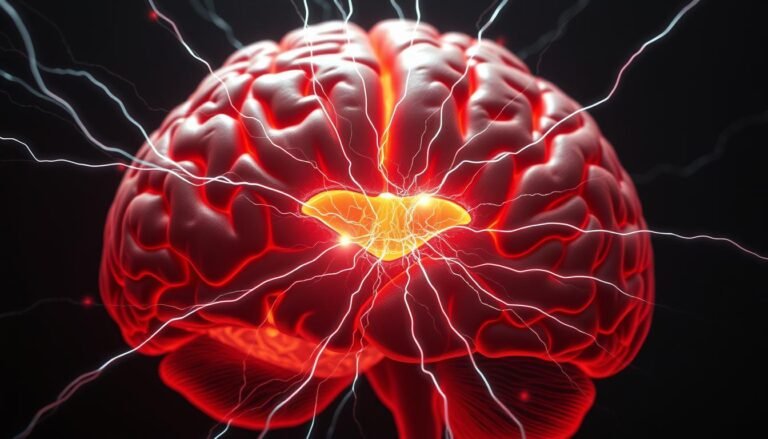
Chronic pain rehabilitation is based on neuroplasticity and how it affects pain. Neuroplasticity is the brain’s ability to change and adapt. This is key in understanding chronic pain.
Neuroplasticity and Pain Perception
Studies show chronic pain changes the brain, affecting pain processing areas. Knowing about neuroplasticity helps in finding better pain management ways.
Evidence-Based Approaches to Pain Management
Managing pain effectively requires proven methods. These include:
- Physical therapy like exercise and manual therapy
- Psychological help, like cognitive-behavioral therapy (CBT) and acceptance and commitment therapy (ACT)
The Role of Interdisciplinary Treatment
Interdisciplinary treatment is vital for chronic pain care. It brings together a team of experts to tackle the complex needs of those with chronic pain.
Physical Therapy Components
Physical therapy is essential in chronic pain care. It helps improve function, reduce pain, and boost well-being. Key parts are exercise, manual therapy, and education.
Psychological Interventions
Psychological help, like CBT and ACT, is critical. They address the mental aspects of chronic pain. These interventions help manage pain, improve coping, and enhance life quality.
Pacing: The Foundation of Pain Management
Pacing is key in managing chronic pain. It helps people balance activity and rest. This balance is vital to avoid making pain worse and to keep functioning well.
What Is Activity Pacing?
Activity pacing means managing daily tasks to avoid too much effort. It’s about finding a balance between doing things and resting. This way, people can stay independent and enjoy activities without pain getting worse.
The Boom and Bust Cycle
The boom and bust cycle is common in chronic pain. It happens when people do a lot (boom) and then can’t do anything because of pain (bust). This cycle can be harmful because it makes people think activity always leads to pain.
Identifying Your Patterns
To stop the boom and bust cycle, you need to know your patterns. An activity diary can help track what you do and how you feel. It gives you clues about your patterns.
Breaking the Cycle
After spotting your patterns, you can start to change. You might set limits on activities, take breaks, and slowly do more. This helps break the cycle.
Benefits of Consistent Pacing
Consistent pacing has many benefits. It can reduce pain, increase independence, and improve overall health. By using pacing strategies, people can manage their chronic pain better.
| Benefits of Pacing | Description |
|---|---|
| Reduced Pain Flare-Ups | Pacing helps avoid overexertion, reducing the likelihood of pain flare-ups. |
| Increased Independence | By managing activities effectively, individuals can maintain their independence. |
| Improved Well-being | Pacing contributes to overall well-being by allowing participation in valued activities. |
Implementing Effective Pacing Strategies
A good pacing strategy starts with knowing your current activity levels and setting achievable goals. This is key to managing chronic pain well.
Baseline Activity Assessment
To make a pacing plan, first figure out your baseline activity level. This means tracking your daily activities to spot patterns and limits.
Activity Logging Methods
There are many ways to log activities, like paper diaries, mobile apps, or digital spreadsheets. Pick one that’s easy for you to use and stick with it. For instance, log your activities each day, noting how long and how hard each task was.
Identifying Your Current Limits
Looking at your activity logs helps you see your limits and how pain affects your day. This info is key for setting safe activity limits that won’t make your pain worse.
Setting Realistic Activity Quotas
With a clear view of your baseline activity, you can set daily activity limits. Figure out the most activity you can handle without pain getting worse. It’s better to start slow to avoid too much strain.
Using Time-Based vs. Task-Based Pacing
Pacing can be done in two ways: time-based and task-based. Time-based pacing sets time slots for activities, while task-based pacing focuses on finishing tasks. Time-based pacing is great for those with chronic pain because it includes breaks and prevents too much doing. Task-based pacing is more about getting things done, helping you stay focused. Choose what works best for you and your pain management.
Using these pacing strategies can help you manage chronic pain better and improve your life quality. It’s about finding a balance that suits you and sticking to it.
Practical Pacing Tools and Techniques
Managing activities is key to dealing with chronic pain. There are many tools and techniques to help. They help people control their energy and avoid pain spikes.
Activity Diaries and Tracking Methods
Keeping an activity diary is a great way to pace. It’s about writing down what you do, how much energy it takes, and any pain you feel. This way, you can spot patterns and adjust your plans.
For example, you might find that some activities always make you more tired. Then, you can plan other things for those days.
The Spoon Theory for Energy Management
The Spoon Theory is a clever way to think about energy. It’s like having a set number of “spoons” for each activity. This helps you decide what to do first and avoid using up all your energy.
By using spoons for tasks, you can see how much energy you’re using. This makes it easier to plan your day and pace yourself.
Technology Aids for Pacing
Technology has many tools to help with pacing. There are apps and timers to track your activities and energy.
Apps for Activity Tracking
There are apps that track what you do, how much energy you use, and your pain. These apps give you insights into your daily habits. They help you adjust your pacing.
- Activity tracking apps monitor your daily activities and energy use.
- Pain management apps let you log your pain and find what triggers it.
Timer-Based Techniques
Timers can help you pace by setting work and rest periods. For example, work for 25 minutes, then rest for 5. This is the Pomodoro Technique. It boosts productivity and prevents too much effort.
| Pacing Tool | Description | Benefit |
|---|---|---|
| Activity Diary | Record of daily activities and energy levels | Helps identify patterns and adjust activity levels |
| Spoon Theory | Metaphor for managing energy expenditure | Aids in prioritizing tasks and avoiding overexertion |
| Activity Tracking Apps | Digital tools for monitoring activities and pain | Provides insights into daily patterns and pain triggers |
Using these pacing tools and techniques can greatly improve life with chronic pain. They help manage energy and reduce pain spikes.
Graded Exposure Therapy for Chronic Pain
Graded exposure therapy is key in managing chronic pain. It tackles fear-avoidance behavior. People with chronic pain often fear certain activities, fearing they might worsen their pain.
This fear can lead to a cycle of disability and distress. By slowly exposing patients to feared activities, this therapy aims to reduce fear. It also aims to improve their ability to function.
Understanding Fear-Avoidance Behavior
Fear-avoidance behavior is common in chronic pain. People avoid activities they think will cause or increase pain. This avoidance can make physical function worse, increase disability, and lower quality of life.
It’s important to understand this role in chronic pain. This knowledge helps in creating effective treatment plans.
The Principles of Graded Exposure
Graded exposure therapy makes a list of activities feared or avoided due to pain. Starting with the least feared, individuals face each activity gradually. They do this with the help of a healthcare professional.
The goal is to reduce fear and avoidance over time.
How Exposure Therapy Rewires Pain Responses
Exposure therapy can change how the brain processes pain. By facing feared activities without harm, the brain starts to change. It becomes less fearful and less sensitive to pain.
Neurological Changes During Exposure
During graded exposure, the brain undergoes changes. Pain processing centers in the brain show less activity. This makes individuals less sensitive to pain triggers.
These changes are linked to emotional processing and memory areas in the brain.
Building Pain Tolerance Safely
Graded exposure therapy helps build pain tolerance safely. By gradually facing feared activities, individuals learn to manage pain better. This improves their overall function.
Dr. Maria Thibault, a pain management expert, says, “Graded exposure therapy is a promising way to help those with chronic pain. It offers a path to better function and less distress.”
Creating a Personalized Graded Exposure Plan
To manage chronic pain well, making a tailored graded exposure plan is key. This plan helps people slowly get used to activities they fear or avoid because of pain.
Identifying Fear-Inducing Activities
The first step is to find out what activities make you fear or feel anxious because of pain. You can do this by:
- Keeping a pain diary to track activities that trigger pain
- Reflecting on past experiences that have led to fear or avoidance
The Fear Hierarchy Worksheet
A fear hierarchy worksheet is a tool to list activities that cause fear or anxiety. It ranks these activities from least to most distressing. This worksheet helps tackle these fears step by step.
Rating Your Anxiety Levels
It’s important to rate how anxious you feel for each activity on the fear hierarchy. This rating shows how much distress each activity causes. It helps plan the exposure therapy.
Building an Exposure Hierarchy
After identifying and rating fear-inducing activities, the next step is to build an exposure hierarchy. This is a list of activities to tackle in order of difficulty. Start with the least distressing ones.
Setting SMART Goals for Exposure
Setting SMART (Specific, Measurable, Achievable, Relevant, Time-bound) goals for exposure is essential. For instance, a SMART goal could be to walk for 10 minutes without a big pain flare-up in the next week.
By following these steps and creating a personalized graded exposure plan, people can work on overcoming their fears. This helps them manage chronic pain better.
Implementing Graded Exposure in Daily Life
To make graded exposure a part of daily life, start with small challenges. This helps build confidence and increases tolerance to activities that cause pain.
Starting with Manageable Challenges
The first step is to find activities that are tough but doable. These should be clear, measurable, and achievable. For example, if walking is hard, start with short walks of 5-10 minutes.
Progression Techniques
Progression is key in graded exposure therapy. There are several ways to move forward with exposure exercises:
Gradual Increases in Duration
One way is to increase the time spent on the activity. For example, if you start with 5-minute walks, aim for 7 or 10 minutes next.
Gradual Increases in Intensity
Another method is to make the activity more intense. This could mean walking on harder terrain or adding inclines.

Handling Setbacks During Exposure
Setbacks are a normal part of graded exposure. It’s important to handle them well. If a setback happens, don’t get discouraged. Instead, reassess your goals and adjust your plan.
Introduction to Acceptance and Commitment Therapy (ACT)
Chronic pain management is getting a new boost from Acceptance and Commitment Therapy (ACT). This therapy focuses on accepting pain and taking action based on values. It’s a new way to handle pain, different from old methods.
The Core Principles of ACT
ACT stands out because of its core principles. It teaches acceptance, cognitive defusion, being present, self-as-context, values, and committed action. Acceptance means facing tough emotions and thoughts without trying to change them. This is key for those with chronic pain, helping them be kinder to themselves.
Cognitive defusion helps people see their thoughts as just thoughts, not reality. This reduces negative thinking and fear often linked to chronic pain.
How ACT Differs from Traditional CBT
ACT and traditional Cognitive Behavioral Therapy (CBT) are both helpful, but they work differently. CBT tries to change negative thoughts to improve feelings and actions. ACT, on the other hand, focuses on accepting thoughts and feelings without judgment. It’s about changing how we relate to our thoughts, not the thoughts themselves.
“ACT represents a significant shift in how we approach chronic pain management, focusing on psychological flexibility instead of just pain reduction.”
The Evidence for ACT in Pain Management
Research supports ACT’s role in managing chronic pain.
Research Findings
Studies show ACT can improve pain, depression, and life quality for those with chronic pain. It helps people find meaning in life despite pain by focusing on values.
Clinical Applications
In therapy, ACT uses mindfulness, values work, and facing challenges. These help people become more flexible and live better with pain.
ACT offers a new way to manage chronic pain, different from CBT. It’s backed by research and has shown promise.
The Six Core Processes of ACT for Pain
ACT focuses on six main processes to help people deal with chronic pain. These processes help change how we think about pain. They make it easier to live a good life even with pain.
Acceptance vs. Avoidance
Acceptance is key in ACT. It means accepting thoughts, feelings, and physical sensations without judgment. This is very important for those with chronic pain. It helps them stop avoiding pain and live fully.
On the other hand, avoiding pain can make things worse. It limits what we can do and makes fear-avoidance behaviors stronger.
Cognitive Defusion Techniques
Cognitive defusion is another important part of ACT. It teaches us to see our thoughts as just thoughts, not as reality. This way, negative thoughts don’t control us as much.
Techniques like observing thoughts, using metaphors, or noticing thinking can help with defusion.
Present Moment Awareness
Present moment awareness means being fully in the now. It’s about being here, not thinking about the past or future. Mindfulness helps us stay in the present and deal with pain better.
Self-as-Context: Observing Your Experience
The process of self-as-context helps us see ourselves as separate from our experiences, including pain. By observing our experiences without being them, we can see our pain in a new light. This reduces its power over us.
Defining Values Despite Pain
Defining values is about finding what truly matters to us, even with chronic pain. Knowing our values helps us set goals that match what we care about. This gives us direction and motivation.
Committed Action Toward Valued Living
Lastly, committed action means taking steps toward our valued goals. It encourages us to act on our values, even when faced with challenges like chronic pain.
By using these six core processes, we can better handle chronic pain. This improves our quality of life.
Practical ACT Exercises for Pain Management
Acceptance and Commitment Therapy (ACT) has many practical exercises for managing chronic pain. These exercises can help people become more resilient and better at dealing with pain. They can be added to daily routines to improve life quality.
Mindfulness Practices for Pain
Mindfulness is key in ACT, teaching people to be aware of the present moment without judgment. Two important mindfulness practices for pain are:
Body Scan Meditation
Body scan meditation is done by lying down or sitting comfortably. It involves focusing on each body part, starting from the toes and moving up to the head. This practice helps reduce tension and promotes relaxation.
Pain Observation Without Judgment
This exercise is about observing pain without judgment. It involves noting the pain’s intensity, location, and characteristics. This way, people can learn to handle pain without feeling overwhelmed.
Values Clarification Exercises
Values clarification is a big part of ACT. It helps people figure out what matters most to them. By knowing their values, individuals can find purpose and direction, even with chronic pain. They might write down their values, rate their importance, or imagine a life they value and how to get there.
Defusion Techniques for Pain Thoughts
Defusion techniques help reduce the power of negative thoughts. They teach people to see thoughts as just thoughts, not as reality. Techniques like noticing thoughts without attachment or repeating them until they lose meaning can help. This way, people can stop letting pain thoughts control them.
By using these ACT exercises every day, people can find better ways to manage chronic pain. This improves their overall well-being and quality of life.
Measuring Progress in Chronic Pain Rehabilitation
Tracking progress is vital in chronic pain rehab. It’s about seeing both physical and mental changes. This helps adjust treatment plans as needed.
Tracking Physical Improvements
There are many ways to track physical gains. Tools like functional assessments and pain diaries are key.
Functional Assessment Tools
These tools measure how well you do daily tasks. They include:
- The Oswestry Disability Index (ODI)
- The Roland-Morris Disability Questionnaire (RMDQ)
Pain Diaries and Scales
Pain diaries and scales track pain levels. They help see how pain affects daily life. Common ones are:
- Numeric Rating Scales (NRS)
- Visual Analog Scales (VAS)
- McGill Pain Questionnaire (MPQ)
| Tool | Description | Use |
|---|---|---|
| Oswestry Disability Index (ODI) | Quantifies disability due to lower back pain | Assesses functional ability |
| Numeric Rating Scales (NRS) | Measures pain intensity | Monitors pain levels |
| Roland-Morris Disability Questionnaire (RMDQ) | Assesses disability due to lower back pain | Evaluates functional ability |
Monitoring Psychological Changes
It’s also important to watch mental health. This includes mood, anxiety, and coping skills. Standardized tests help with this.
Adjusting Your Approach Based on Results
Use the data to tweak your treatment plan. This might mean changing pacing, exposure therapy, or ACT. Adjustments are based on what you see.
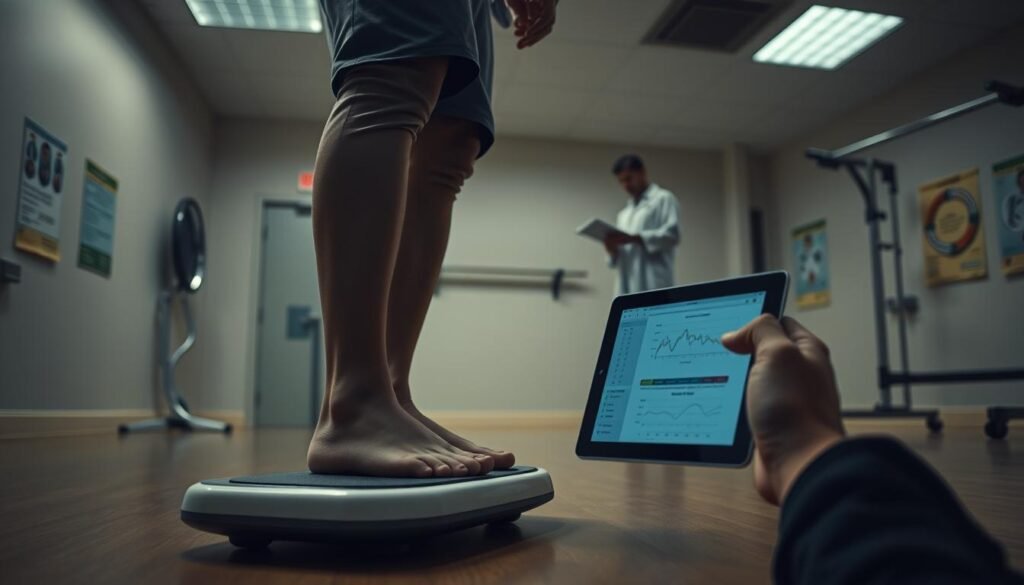
Integrating Pacing, Graded Exposure, and ACT
Combining pacing, graded exposure, and Acceptance and Commitment Therapy (ACT) is key for managing chronic pain. This mix helps people develop a strong plan to handle their pain well.
Creating a Comprehensive Pain Management Plan
Creating a pain management plan starts with understanding the person’s needs. It’s about finding the right mix of pacing, graded exposure, and ACT. This mix should fit the person’s life and goals.
Balancing Different Approaches
It’s important to balance different methods for pain management. Pacing helps manage daily tasks without making pain worse. Graded exposure helps overcome fears. ACT helps accept pain and stay flexible.
Adapting Strategies as You Progress
As you get better at managing pain, you need to change your approach. You might do more activities, face fears more, or improve your ACT skills.
When to Emphasize Each Technique
How much to focus on each method changes based on your needs. For example, when pain is high, focus on pacing. When you’re more stable, use graded exposure and ACT more.
Creating Daily and Weekly Routines
Having daily and weekly routines is helpful. These routines should include pacing, graded exposure, and ACT. This could mean setting time for mindfulness, following pacing plans, and slowly facing tough tasks.
Working with Healthcare Professionals in Chronic Pain Rehabilitation
Managing chronic pain well needs teamwork with healthcare experts. This teamwork is key to making a detailed pain management plan. It meets the complex needs of those with chronic pain.
Building Your Pain Management Team
Creating a pain management team means gathering experts from different fields. This team might include:
- Primary care physicians
- Specialist doctors (e.g., pain specialists, rheumatologists)
- Physical therapists
- Occupational therapists
- Psychologists or mental health professionals
Each team member is important for tackling different parts of chronic pain management.
Communicating Effectively About Your Pain
Talking well with healthcare professionals is key for good pain management. To talk effectively, you should:
| Communication Strategy | Description |
|---|---|
| Keep a pain diary | Record pain levels, triggers, and relief measures |
| Be specific about pain | Describe the location, intensity, and characteristics of pain |
| Share treatment goals | Discuss personal goals and expectations with healthcare providers |
When to Seek Additional Support
Knowing when to ask for more help is important. You should look for extra support if you notice:
- Increasing pain levels
- New or worsening symptoms
- Difficulty managing daily activities
- Emotional distress or mental health concerns
Overcoming Common Challenges in Pain Rehabilitation
Chronic pain rehabilitation is a tough journey. Knowing the challenges helps us tackle them. Patients face many obstacles that can slow their progress if not managed well.
Dealing with Pain Flares
Pain flares are a big challenge in chronic pain rehab. To manage them, find out what triggers them and learn how to lessen their effect. This might mean changing how active you are or using relaxation methods.
Managing Setbacks and Maintaining Motivation
Setbacks are part of the rehab journey. Keeping motivated is key. You can do this by setting achievable goals and celebrating small wins. Help from doctors and support groups is also important.
Addressing Sleep Issues and Fatigue
People with chronic pain often struggle with sleep and feeling tired. It’s vital to tackle these problems for better overall health.
Sleep Hygiene Techniques
Good sleep hygiene can greatly improve how well you sleep. Stick to a regular sleep schedule, make your sleep area comfortable, and avoid caffeine and electronics before bed.
Energy Conservation Strategies
Conserving energy is key to fighting fatigue. Try pacing yourself, taking breaks, and focusing on important tasks. This helps save energy and boosts daily life.
| Challenge | Strategy |
|---|---|
| Pain Flares | Identify triggers, adjust activity levels, relaxation techniques |
| Setbacks | Set realistic goals, celebrate small victories, seek support |
| Sleep Issues | Maintain consistent sleep schedule, create restful environment |
| Fatigue | Practice energy conservation, pace activities, prioritize tasks |
Conclusion: Your Journey in Chronic Pain Rehabilitation
Chronic pain rehabilitation is a complex journey. It involves many strategies and approaches. Understanding chronic pain and its effects on daily life is key. This knowledge helps individuals start their path to managing pain effectively.
Several methods can help manage chronic pain. Pacing helps set a baseline activity level. Graded exposure lets people face feared activities. Acceptance and Commitment Therapy (ACT) helps accept pain and live a fulfilling life.
By combining these methods, people can create a pain management plan that fits their needs. Working with healthcare professionals and using practical tools can help. As they progress, they can adjust their strategies to overcome challenges. This leads to lasting improvements in their chronic pain rehabilitation and overall pain management journey.
FAQ
What is chronic pain, and how does it differ from acute pain?
How does pacing help in managing chronic pain?
What is graded exposure therapy, and how does it help with chronic pain?
What is Acceptance and Commitment Therapy (ACT), and how is it used in pain management?
How can I track my progress in chronic pain rehabilitation?
What are some practical tools for pacing activities?
How do I create a complete pain management plan?
How can I deal with pain flares and setbacks during rehabilitation?
What role do healthcare professionals play in chronic pain rehabilitation?
How can I address sleep issues and fatigue related to chronic pain?
What are the benefits of a biopsychosocial approach to pain management?
Can cognitive behavioral therapy (CBT) be used for chronic pain management?
How does neuroplasticity relate to chronic pain and its rehabilitation?
About the Author