Introduction
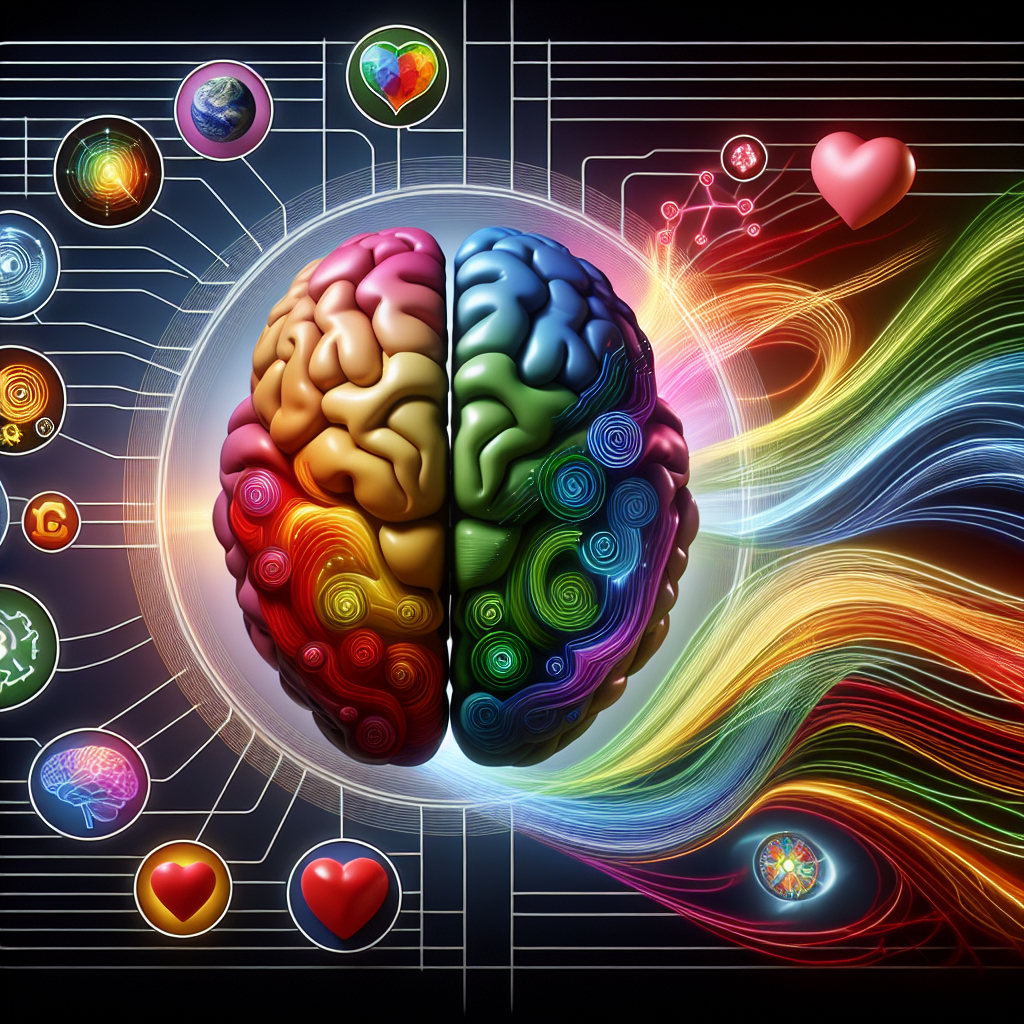
In an era where emotional intelligence (EI) is increasingly recognized as a cornerstone of personal and professional success, one might wonder: what’s fueling this capability? The answer often lies in understanding cognitive development. Cognitive Development and Emotional Intelligence: The Connection You Didn’t Know About is pivotal not only for educators and psychologists but also for anyone interested in enhancing their emotional and intellectual capabilities.
Imagine a workplace where employees are not just skilled but also emotionally savvy, or a classroom where children thrive academically while developing empathy and interpersonal skills. This article will delve into the intricate relationship between cognitive development and emotional intelligence, exploring how nurturing one can enhance the other.
The Foundations of Cognitive Development
Understanding Cognitive Development
Cognitive development refers to the processes through which individuals acquire knowledge and understanding. This encompasses perception, reasoning, judgment, and memory. Renowned psychologist Jean Piaget proposed that cognitive development occurs in stages:
| Stage | Age Range | Key Features |
|---|---|---|
| Sensorimotor | Birth to 2 years | Learning through sensory experiences and movement. |
| Preoperational | 2 to 7 years | Development of language and symbolic thinking. |
| Concrete Operational | 7 to 11 years | Logical thinking about concrete events. |
| Formal Operational | 12 years and up | Abstract and logical thinking; problem-solving skills. |
These stages highlight how children progressively think and learn, forming a fundamental basis for emotional intelligence development.
The Role of Environment in Cognitive Growth
Environmental factors such as parental engagement, socio-economic status, and educational resources significantly impact cognitive development. For instance, children raised in enriched environments with access to diverse learning experiences often demonstrate superior cognitive skills. This lays the groundwork for capable emotional processing, which is crucial for social interactions later in life.
Emotional Intelligence: A Comprehensive Overview
What is Emotional Intelligence?
Emotional Intelligence refers to the ability to recognize, understand, and manage our own emotions while also recognizing and influencing the emotions of others. It is generally divided into four key components:
- Self-awareness: Recognizing one’s own emotions and their effects.
- Self-regulation: Managing emotions in healthy ways.
- Social awareness: Understanding others’ emotions and social cues.
- Relationship management: Building and maintaining healthy relationships.
The Importance of Emotional Intelligence
Research shows that emotional intelligence is a better predictor of success than IQ in many areas. High EI contributes to better teamwork, improved mental health, and enhanced leadership skills. Yet, the foundation of emotional intelligence often roots itself in cognitive processes.
The Connection Between Cognitive Development and Emotional Intelligence
How Cognitive Development Fuels Emotional Intelligence
Cognitive development informs emotional intelligence in several essential ways:
Problem-Solving Skills: As cognitive abilities improve, individuals become better at solving emotional challenges and conflicts. For instance, a child who successfully navigates the Preoperational stage can engage in role-playing scenarios, fostering empathy.
Language Acquisition: Enhanced cognitive abilities facilitate better communication. Language proficiency allows individuals to express their emotions clearly, leading to healthier interpersonal relationships.
- Understanding Social Norms: Cognitive development helps children understand societal expectations, which is critical for effective emotional interactions.
Case Study: The Impact of Cognitive Training on Emotional Intelligence
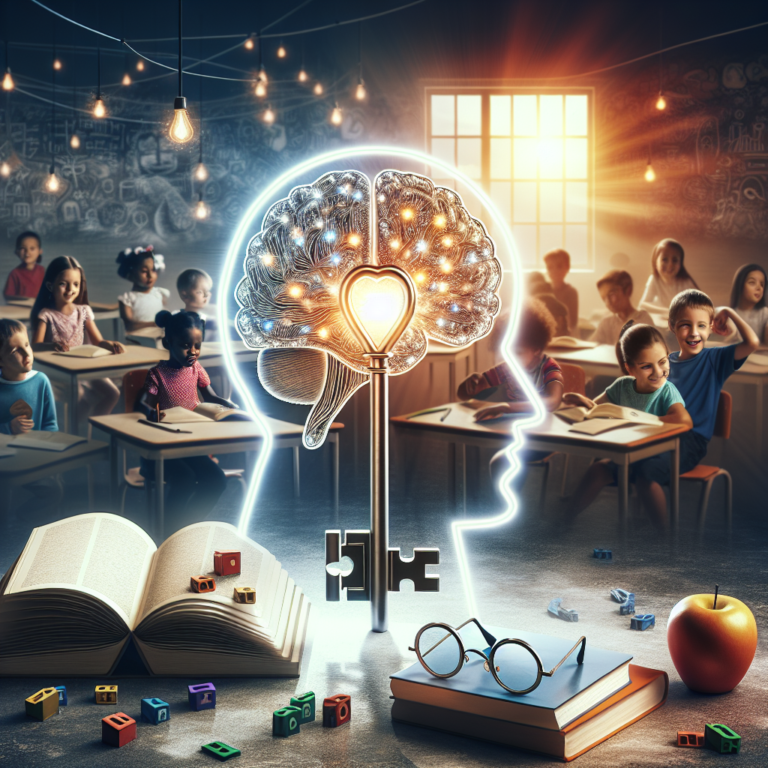
Consider a study conducted with school-aged children where cognitive training focused on memory and problem-solving skills. The intervention not only showed improvements in academic performance but also in emotional regulation and empathy levels, indicating a profound connection.
Analysis: This study underscores that improving cognitive capabilities can enhance one’s ability to navigate emotional landscapes, reinforcing the idea within Cognitive Development and Emotional Intelligence: The Connection You Didn’t Know About.
Practical Applications: Enhancing Emotional Intelligence Through Cognitive Development
Educational Strategies
Incorporating EI in Curriculum: Schools can integrate emotional learning into their curricula, helping students correlate emotional literacy with cognitive skills. This creates a more holistic educational experience.
- Mindfulness and Meditation: Techniques that promote mindfulness have been shown to improve cognitive functioning while simultaneously enhancing emotional regulation.
Workplace Implications
Training Programs: Companies should design training programs that simultaneously target cognitive skills and emotional intelligence. Workshops focusing on scenario-based learning can offer the perfect blend.
- Mentorship: Pairing employees with mentors can help foster both cognitive skills and emotional intelligence through shared experiences and reflections.
Conclusion
Understanding Cognitive Development and Emotional Intelligence: The Connection You Didn’t Know About paves the way for a more emotionally competent society, capable of addressing challenges with intelligence and empathy. The implications are vast, from improved educational outcomes to healthier workplace dynamics.
By fostering cognitive development early in life and integrating emotional learning into various spheres, we can prepare future generations to lead with both intellect and emotional awareness, making the world a better place for all.
FAQs
1. How can I improve my child’s cognitive development?
Engage them in diverse activities—reading, puzzles, and playing games that promote problem-solving.
2. What are some signs of high emotional intelligence in children?
Signs include empathy towards others, effective communication, and the ability to handle conflict calmly.
3. Can adults enhance their emotional intelligence?
Yes! Training, mindfulness, and feedback can help adults improve their emotional skills.
4. Are cognitive and emotional intelligence equally important?
Both are vital; cognitive intelligence provides the knowledge, while emotional intelligence equips individuals to navigate social complexities.
5. Is emotional intelligence measurable?
Yes, several assessments measure emotional intelligence, helping individuals understand their strengths and areas for improvement.
This exploration of Cognitive Development and Emotional Intelligence: The Connection You Didn’t Know About emphasizes that investing in cognitive growth can significantly boost emotional capabilities. By recognizing and nurturing this connection, we can cultivate a generation that thrives intellectually and emotionally, leading to deeper interpersonal relationships both personally and professionally.
About the Author