Introduction
In today’s educational landscape, traditional methods of teaching are giving way to more innovative approaches that emphasize engagement, critical thinking, and real-world application. Among these is Collaborative Learning Through Problems: The PBL Approach Explained. This powerful pedagogical strategy fosters a rich learning environment where students work together to solve complex problems, enhancing both individual understanding and group dynamics.
But why is this approach so crucial? As the world becomes increasingly interconnected, the ability to collaborate and solve problems collectively is more important than ever. In this article, we will explore the intricacies of Problem-Based Learning (PBL), its multifaceted benefits, and compelling case studies that illustrate its effectiveness. Get ready to delve deep into Collaborative Learning Through Problems: The PBL Approach Explained.
What is Problem-Based Learning?
Understanding PBL
Problem-Based Learning is an instructional method centered around the investigation of complex, real-world problems. Students are placed in small groups and tasked with collaboratively solving problems, enabling them to become proactive learners.
Characteristics of PBL
- Student-Centered: In PBL, students take the reins of their learning process, promoting a sense of ownership.
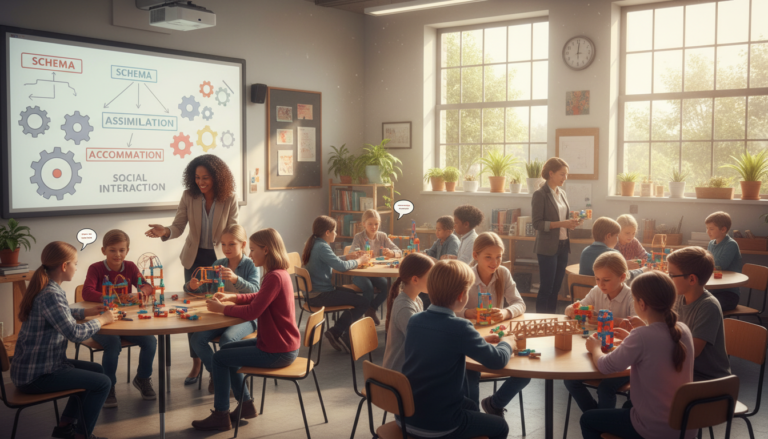
- Collaboration: Students work in teams, enhancing social interaction and collective problem-solving skills.
- Real-World Context: Problems addressed in PBL are rooted in real scenarios, making learning relevant and applicable.
- Role of the Instructor: Educators function as facilitators, guiding students rather than delivering traditional instruction.
The Benefits of Collaborative Learning Through Problems
Enhancing Critical Thinking Skills
Through PBL, students learn to analyze and evaluate problems critically. This approach encourages them to think outside the box, explore different perspectives, and develop well-rounded solutions.
Encouraging Teamwork and Communication
In Collaborative Learning Through Problems: The PBL Approach Explained, communication is vital. Students learn to articulate ideas, listen actively, and negotiate with peers—all essential skills in the workplace.
Building a Growth Mindset
PBL empowers students to embrace challenges and view failures as opportunities for growth. This mindset is crucial for lifelong learning and adaptability.
Case Studies Illustrating PBL’s Effectiveness
Case Study 1: Medical Education at McMaster University
Context: McMaster University in Canada has long been a pioneer in PBL, especially in its medical curriculum.
Implementation: Students engaged in real patient cases, requiring them to assess symptoms, diagnose conditions, and propose treatment plans collaboratively.
Outcome: Research demonstrated that PBL students scored higher on clinical reasoning tests compared to their traditional-learning peers, underscoring the effectiveness of Collaborative Learning Through Problems: The PBL Approach Explained.
Case Study 2: Engineering Projects at the University of Melbourne
Context: In an engineering course, students were grouped and tasked with designing a sustainable building.
Implementation: Each team researched materials, cost, and environmental impacts, culminating in a project presentation.
Outcome: Feedback showed that students appreciated the practical relevance and developed a deeper understanding of engineering principles, highlighting the success of Collaborative Learning Through Problems: The PBL Approach Explained.
Key Components of Effective PBL
Problem Selection
Choosing the right problem is critical. It should be challenging enough to require collaboration but not so difficult that students feel overwhelmed.
Group Dynamics
The composition of groups can impact the success of PBL. Diverse teams bring varied perspectives, leading to richer discussions and solutions.
Reflection
Incorporating reflection periods allows students to evaluate their learning and group processes, reinforcing lessons learned.
Tools and Resources for Implementing PBL
Technology Integration
From collaborative software like Google Workspace to project management platforms like Trello, technology can facilitate PBL by enhancing communication and organization.
Training for Educators
Professional development programs can equip educators with the necessary skills to effectively implement Collaborative Learning Through Problems: The PBL Approach Explained in their classrooms.
Assessment Strategies
Using varied assessment methods such as peer evaluations, self-assessments, and presentations ensures a comprehensive evaluation of student learning.
Conclusion
Collaborative Learning Through Problems: The PBL Approach Explained is more than just a teaching method; it’s a transformative experience that prepares students for the complexities of modern life. By fostering skills such as critical thinking, teamwork, and adaptability, PBL lays a foundation for lifelong success.
Embrace this approach in your educational practice or learning endeavors, and witness the remarkable impact it can have. The future of learning is collaborative, and through problems, we can unlock unparalleled potential.
FAQs
1. What types of problems can be used in PBL?
Response: Problems can range from scientific dilemmas to social issues. The key is to ensure they are relevant and engaging for students.
2. How can educators assess student learning in PBL?
Response: Assessment can include peer evaluations, presentations, and reflective journals, providing a well-rounded perspective on student engagement and understanding.
3. What if some students dominate group discussions?
Response: Implementing structured roles can help ensure that all voices are heard. For instance, assigning a facilitator, note-taker, or timekeeper can promote balanced participation.
4. How can PBL be adapted for remote learning environments?
Response: Online collaborative tools and platforms can support PBL, allowing students to work together effectively, even from a distance.
5. Is PBL suitable for all age groups?
Response: Yes! PBL can be adapted for various educational settings, from elementary schools to universities, with age-appropriate problems and group structures.
By adopting and implementing Collaborative Learning Through Problems: The PBL Approach Explained, educators can cultivate dynamic learning environments that equip students with the skills they need to thrive in an ever-evolving world.
About the Author


The PsyForU Editorial Collective is the research and editorial team of PsyForU Research International. The collective prepares educational, psychological, mental-health-awareness, inclusion, neurodiversity, and research-methodology content for students, parents, educators, researchers, and general readers. PsyForU content is intended for awareness, education, and capacity-building and should not be treated as clinical diagnosis, therapy, medical advice, legal advice, or emergency mental-health support.