Introduction
In an era where misinformation and pseudo-science can spread like wildfire, the importance of credible, reliable scientific results has never been more crucial. Enter double-blind studies: the gold standard for reliable scientific outcomes. These meticulously designed experiments are the bedrock of modern research in fields ranging from psychology to pharmaceuticals and everything in between. They not only enhance the credibility of findings but also eliminate biases that can skew results. In this comprehensive exploration, we will delve into why double-blind studies are so vital, the mechanics behind them, and how they’ve shaped research practices today.
But why should you care? Because understanding the significance of double-blind studies could change how you perceive scientific claims and help you make informed decisions about health, social policy, and even personal beliefs. Join us as we unravel the layers of double-blind studies and showcase their indispensable role in yielding reliable scientific results.
What Are Double-Blind Studies?
At its core, a double-blind study is a type of research design where neither the participants nor the researchers know who is receiving a particular treatment. This approach is designed to prevent bias in research results, thereby enhancing the validity of findings.
The Mechanics of Double-Blind Studies
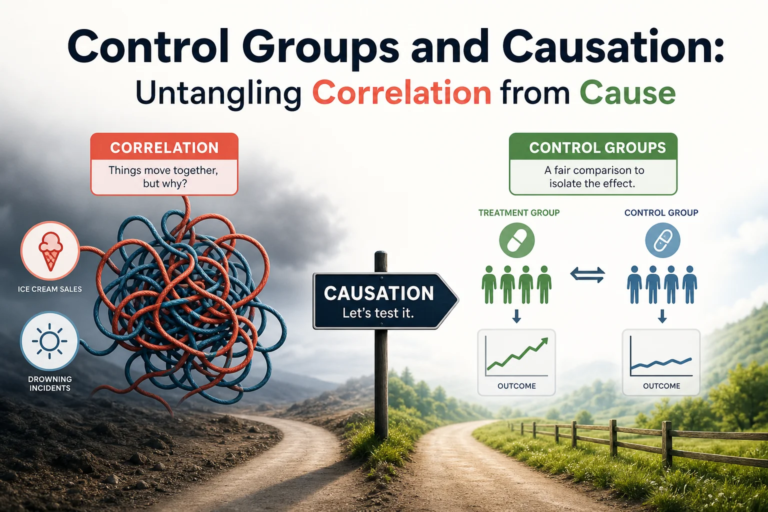
Randomization: Participants are randomly assigned to either the treatment group or the control group. This minimizes selection bias.
Intervention & Control: One group receives the treatment or intervention being tested, while the other group, the control group, receives a placebo or standard treatment.
Blinding: Both participants and researchers are kept unaware of group assignments to prevent any influence on their behavior or assessment of results.
- Objective Outcome Measurement: Measures of outcomes should be objective, reducing subjectivity that can arise from personal feelings or perceptions.
Key Benefits of Double-Blind Studies
Reduction of Bias: By ensuring that both participants and researchers are unaware of group assignments, personal biases are minimized.
Enhanced Credibility: The rigorous nature of this method lends credibility to the research findings, essential for peer review and scientific discourse.
- Stronger Evidence: Findings from double-blind studies are often considered more robust, particularly in fields like medicine, where the stakes are exceptionally high.
Case Studies Highlighting the Effectiveness of Double-Blind Studies
Case Study 1: The Efficacy of Antidepressants
In one landmark study, researchers examined the effectiveness of a new antidepressant compared to a placebo using a double-blind design involving over 500 participants. The results showed significant improvements in the treatment group without the influence of participants’ or researchers’ preconceived notions about the drug’s efficacy.
Analysis: This case illustrates how double-blind studies can help establish or undermine claims about the effectiveness of treatments, thereby guiding clinical practice.
Case Study 2: Vaccine Development
The development of many vaccines, including those for influenza and COVID-19, utilized double-blind study designs. In these studies, participants were randomly assigned to receive either the vaccine or a placebo, with neither the participants nor the researchers aware of who received what until the end of the study.
Analysis: The use of double-blind studies in vaccine trials has not only accelerated the process of ensuring efficacy but also boosted public confidence in vaccines’ safety and effectiveness.
Case Study 3: Behavioral Psychology
A double-blind study on the effect of behavioral therapy techniques in treating anxiety disorders found that participants receiving the new technique showed significant improvements compared to those receiving standard therapy. The researchers were also unaware of which technique each participant received, eliminating any bias in therapy delivery.
Analysis: This reinforces how double-blind studies can be effective in evaluating psychological interventions, showcasing that not just medical treatments benefit from this design.
Tables and Charts for Clarity
Table 1: Comparison of Single-Blind vs. Double-Blind Studies
| Feature | Single-Blind Study | Double-Blind Study |
|---|---|---|
| Knowledge of Group Assignments | Participants blind only | Both participants and researchers blind |
| Bias Potential | High due to participant influence | Low due to minimized bias |
| Credibility | Moderate | High |
| Application | Some medical and psychological studies | Preferred in clinical trials |
Chart 1: Trust in Scientific Results
This chart illustrates the percentage of people who trust findings from different study designs. Double-blind studies consistently rank the highest across various demographics.
| Study Design | % Trust Level |
|---|---|
| Double-Blind Studies | 89% |
| Single-Blind Studies | 65% |
| Observational Studies | 50% |
The Future of Double-Blind Studies
As technology advances, the methodologies surrounding double-blind studies continue to evolve. Researchers now utilize sophisticated statistical techniques and data analysis software to enhance the accuracy of results. Moreover, the integration of machine learning can optimize participant selection and treatment assignments, further mitigating bias and improving reliability.
In the clinical landscape, wearing the badge of "double-blind" has become a mark of legitimacy, influencing regulatory approvals and public perception. In a world where misinformation is rampant, double-blind studies stand out as crucial pillars of evidence-based practice and policy.
Conclusion
Double-blind studies are undeniably the gold standard for reliable scientific results, providing a robust framework to evaluate interventions and treatments free of bias. As society becomes more data-driven, understanding the principles behind double-blind studies can empower individuals to discern credible information from speculative claims.
Moving forward, let’s encourage the continued use of double-blind methodologies across various fields. If you’re involved in research or simply a curious observer of science, promoting awareness and understanding of double-blind studies can foster a culture where informed, reliable results lead the way to advancements in healthcare, psychology, and beyond.
Frequently Asked Questions
1. What is the main purpose of a double-blind study?
The main purpose of a double-blind study is to eliminate bias by ensuring that neither participants nor researchers know who is receiving the treatment, thus providing valid and reliable results.
2. How do double-blind studies prevent bias?
By keeping both the participants and researchers unaware of the treatment assignments, double-blind studies limit the influence of preconceptions, expectations, or even emotional responses on the outcome assessment.
3. Are double-blind studies used in non-clinical research?
Yes, while most commonly associated with clinical trials, double-blind studies are also used in fields like psychology, education, and behavioral sciences to reduce bias in experimental results.
4. Can double-blind studies impact the result of a trial?
Absolutely. The meticulous design of double-blind studies minimizes the potential for biased interpretations of results, thereby enhancing the reliability of findings.
5. Are there any limitations to double-blind studies?
While double-blind studies reduce bias effectively, they may not be feasible in all scenarios, particularly when the intervention is a behavioral treatment or when ethical considerations prevent true blinding.
By fostering a clear understanding of double-blind studies and their critical role in ensuring scientifically reliable outcomes, we can move toward a more informed society better equipped to discern credible research in an ever-complex world.
About the Author


The PsyForU Editorial Collective is the research and editorial team of PsyForU Research International. The collective prepares educational, psychological, mental-health-awareness, inclusion, neurodiversity, and research-methodology content for students, parents, educators, researchers, and general readers. PsyForU content is intended for awareness, education, and capacity-building and should not be treated as clinical diagnosis, therapy, medical advice, legal advice, or emergency mental-health support.