Introduction
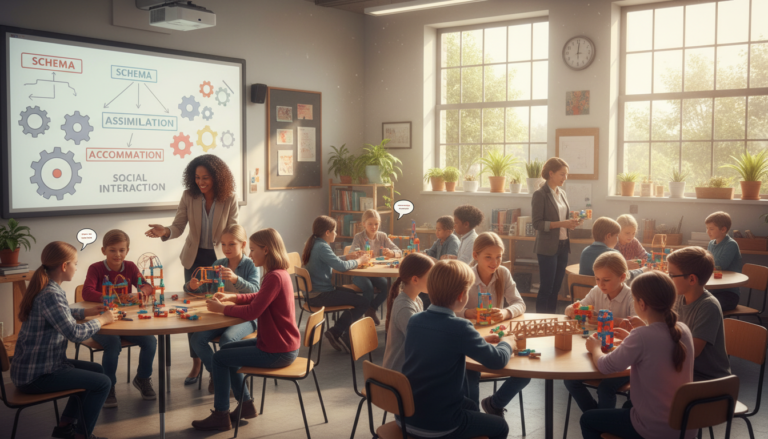
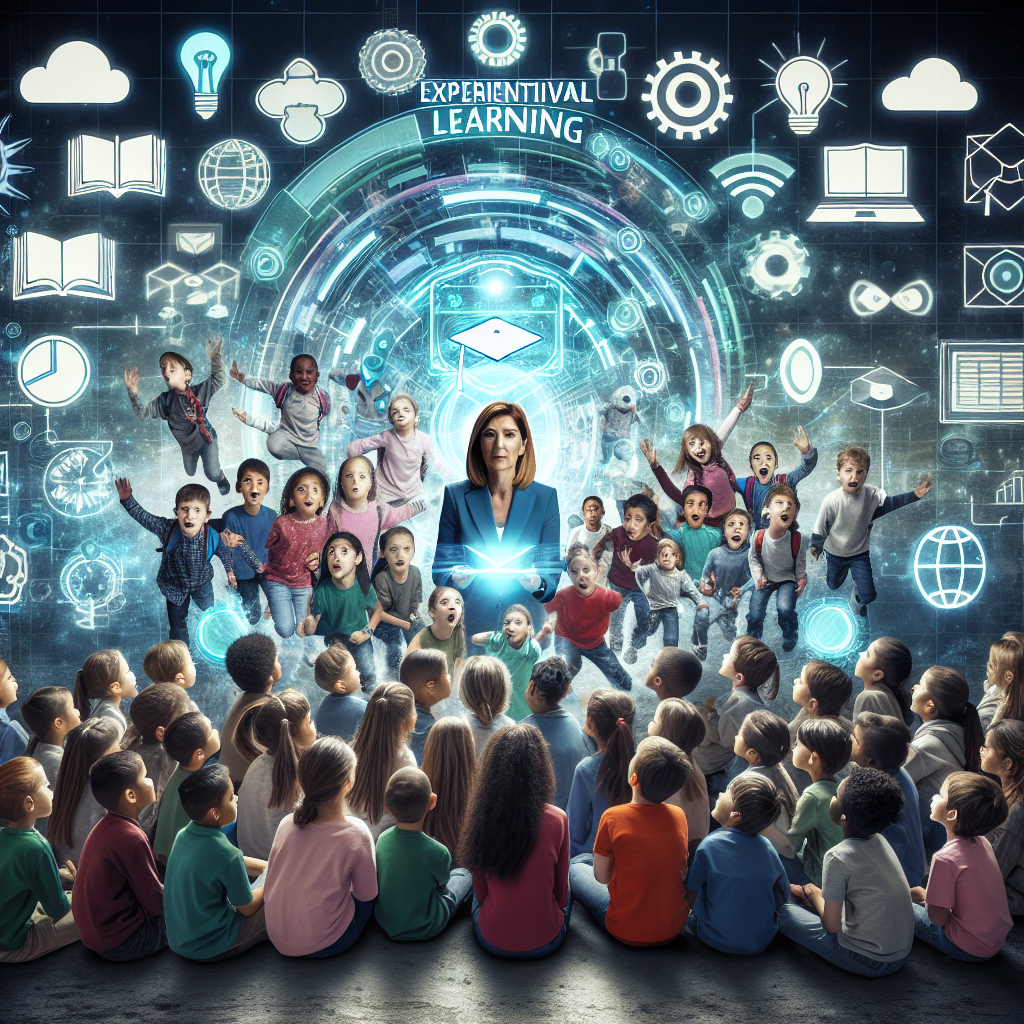
In an era where technology and education are intricately interconnected, the quest for innovative and effective teaching methods has never been more critical. Enter Experiential Learning in the Digital Age: Innovative Approaches for Modern Education—a transformative concept that empowers students to engage actively in their learning process. This method bridges the gap between theoretical knowledge and practical application, making learning not just a requirement, but an adventure.
Imagine a classroom where students are no longer passive recipients of information but proactive participants in their educational journeys. This article will delve into the essence of experiential learning in our digitally-driven world, explore innovative approaches to apply this method, and provide a comprehensive guide on how educators, administrators, and learners can leverage these strategies to cultivate an enriching learning environment.
Understanding Experiential Learning
Experiential learning is fundamentally about learning through experience. According to David Kolb, a pioneer in this field, it involves a cycle of four stages: concrete experience, reflective observation, abstract conceptualization, and active experimentation. But how does this translate into the digital age?
The Evolution of Experiential Learning
While experiential learning has roots in the early 20th century, its application has drastically shifted with the rise of digital technology. Traditional methods such as internships and hands-on projects now have digital counterparts—virtual simulations, online collaborative projects, and immersive learning environments.
Figure 1: Stages of Experiential Learning
| Stage | Description |
|---|---|
| Concrete Experience | Engaging in an activity or experience. |
| Reflective Observation | Reflecting on the experience and its outcomes. |
| Abstract Conceptualization | Forming generalizations or concepts based on the reflections. |
| Active Experimentation | Applying what has been learned in new situations. |
Innovative Approaches to Experiential Learning
1. Virtual Reality (VR) and Augmented Reality (AR)
One of the most exciting advancements in Experiential Learning in the Digital Age: Innovative Approaches for Modern Education is VR and AR. These technologies create immersive learning environments that allow students to explore complex subjects in engaging and interactive ways.
Case Study: Medical Training with VR
A notable example is the use of VR in medical education. Institutions like the University of Illinois have implemented VR simulations for surgical training. Medical students can practice procedures in a risk-free environment, receiving immediate feedback. This hands-on approach enhances their confidence and knowledge retention, illustrating the profound impact of experiential learning.
Analysis
The integration of VR in education exemplifies how technology can enhance traditional learning methodologies. It allows learners to visualize and practice scenarios they may encounter in real life, effectively bridging the gap between theory and practice.
2. Gamification
Gamification—the application of game design elements in non-game contexts—transforms mundane learning into exciting adventures. By incorporating challenges, point systems, and rewards, educators can foster deeper engagement.
Case Study: Duolingo
Duolingo is a prime example of gamification in language learning. The app uses points, levels, and daily challenges to motivate users to practice consistently. The result? A highly effective platform that imbues the principles of Experiential Learning in the Digital Age: Innovative Approaches for Modern Education.
Analysis
Duolingo showcases how gamification can drive motivation and retention. It emphasizes the importance of an engaging learning experience, where learners can actively participate and apply what they have learned in a fun, interactive setting.
3. Collaborative Online Projects
Collaboration is a cornerstone of Experiential Learning in the Digital Age: Innovative Approaches for Modern Education. Online tools now facilitate teamwork across geographical boundaries, allowing students to work together on projects, share insights, and learn from each other’s experiences.
Case Study: Global Classroom Initiatives
Programs like ePals connect classrooms around the world, enabling students to collaborate on projects that address global challenges. One project had students from different countries work together to develop solutions for climate change, analyzing data, discussing findings, and presenting their collective insights.
Analysis
Such initiatives not only promote experiential learning but also instill essential skills like communication, problem-solving, and cultural awareness. They prepare learners for a globalized world, teaching them to collaborate effectively in diverse environments.
4. Digital Portfolios
The creation of digital portfolios allows students to reflect on their learning journeys actively. This practice is a key component of experiential learning, where reflection guides understanding and improvement.
Case Study: High School Senior Projects
A high school in Colorado implemented digital portfolios for their senior projects. Students documented their entire project process—research, failures, successes, and reflections. The portfolios not only assessed learning but were also shared with potential colleges, showcasing their growth.
Analysis
Digital portfolios emphasize the reflective observation stage of experiential learning. They enable learners to take ownership of their education, producing tangible evidence of their capabilities and growth over time.
5. Flipped Classroom Model
The flipped classroom model reverses traditional learning dynamics. Instead of being introduced to new concepts in class, students do so at home through online resources. Class time is then dedicated to discussions and hands-on activities that reinforce what they’ve learned.
Case Study: A Math Teacher’s Transformation
A math teacher decided to flip their classroom. Students watched instructional videos at home and then engaged in interactive problem-solving during class. The results were remarkable—student engagement soared, and performance improved.
Analysis
This approach embodies experiential learning by providing students with opportunities to experiment, collaborate, and reflect on their understanding in a supportive environment.
The Importance of Soft Skills in Experiential Learning
While technical skills are undeniably essential, soft skills—like communication, teamwork, and critical thinking—are equally important in today’s job market. Experiential Learning in the Digital Age: Innovative Approaches for Modern Education emphasizes the cultivation of these skills through interactive strategies.
Building Communication and Teamwork
Experiential learning fosters environments where learners must communicate and work with peers. Group projects and collaborative tools require students to articulate ideas clearly, debate, and listen.
Enhancing Problem-Solving Skills
In experiential learning, students encounter real-world challenges, necessitating innovative problem-solving techniques. This hands-on approach cultivates resilience and adaptability—traits highly valued in the workforce.
Overcoming Challenges
While the advantages of experiential learning are clear, several challenges can arise, especially with the integration of technology.
Accessibility Issues
Not all students have access to the necessary technology, which can create disparities in learning opportunities. Educators must seek to implement solutions that ensure inclusivity.
Teacher Training
The shift towards experiential learning requires educators to adapt their teaching methodologies. Ongoing professional development and training programs can help build the skills educators need.
Balancing Structure and Freedom
Finding the right balance between structure and allowing students the freedom to explore can be tricky. Educators should design frameworks that encourage creativity while ensuring educational outcomes are met.
Conclusion
As we navigate through the digital age, the potential for Experiential Learning in the Digital Age: Innovative Approaches for Modern Education becomes more pronounced. By embracing innovative strategies—like VR, gamification, online collaboration, digital portfolios, and flipped classrooms—educators can create dynamic, engaging, and efficient learning environments.
The key takeaway is this: learning is not just about absorbing information but experiencing it. As we equip the next generation with the tools they need in this evolving landscape, let’s inspire them to engage actively, think critically, and collaborate effectively.
FAQs
1. What is experiential learning?
Experiential learning is a hands-on approach to education that encourages students to learn through experience, reflection, and active engagement. It involves applying knowledge to real-world situations.
2. How does technology enhance experiential learning?
Technology enhances experiential learning by providing immersive experiences (like VR), facilitating collaborative online projects, and offering interactive resources that engage students in their learning journey.
3. What are the key benefits of experiential learning?
Key benefits include increased engagement, enhanced retention of information, the development of critical soft skills, and the ability to apply theoretical knowledge in real-world contexts.
4. How can educators implement experiential learning strategies?
Educators can implement experiential learning by incorporating technology tools, designing collaborative projects, utilizing gamification, and creating opportunities for real-world application of skills.
5. What challenges might educators face with experiential learning?
Challenges may include accessibility issues, the need for teacher training, balancing structured learning with freedom for exploration, and ensuring inclusivity among diverse learners.
By acknowledging these challenges and embracing innovative solutions, we can continue to advance Experiential Learning in the Digital Age: Innovative Approaches for Modern Education, making education an inclusive and enriching experience for all.
About the Author


The PsyForU Editorial Collective is the research and editorial team of PsyForU Research International. The collective prepares educational, psychological, mental-health-awareness, inclusion, neurodiversity, and research-methodology content for students, parents, educators, researchers, and general readers. PsyForU content is intended for awareness, education, and capacity-building and should not be treated as clinical diagnosis, therapy, medical advice, legal advice, or emergency mental-health support.