Exploring Art Therapy: How Creative Expression Can Heal the Mind — The Ultimate Guide to Psychological Wellbeing
Introduction
In a world increasingly recognizing mental health as a crucial aspect of overall well-being, the importance of innovative therapeutic approaches cannot be overstated. One such approach is art therapy, a burgeoning field that merges creativity with psychological healing. Exploring Art Therapy: How Creative Expression Can Heal the Mind unveils both the depth and accessibility of this therapeutic method, offering a roadmap for those seeking emotional relief through artistic outlets.
Art therapy provides a nurturing space for individuals to explore their feelings, thoughts, and experiences through the lens of creative expression. It serves as a powerful tool to combat anxiety, depression, trauma, and other mental health challenges. But how exactly does engaging in creative activities facilitate such profound healing?
In this article, we will delve into various dimensions of art therapy, guided by compelling case studies, expert insights, and practical frameworks to help you understand its significance in mental health.
What is Art Therapy?
Art therapy is defined as a therapeutic practice that combines the creative process of making art with psychological theories to enhance emotional and mental well-being. It utilizes various art forms — including drawing, painting, sculpture, and even digital mediums — to empower individuals to express themselves in ways that words may not fully capture.
The Therapeutic Process
Engagement with Creativity: Individuals are encouraged to create art without the pressure of being an ‘artist.’ This freedom allows for an authentic expression of emotions and thoughts.
Reflection: After creating, participants often reflect on their artwork, gaining insights into their mental state and emotional struggles.
- Discussion: Therapists facilitate discussions surrounding the artwork, addressing underlying issues that may arise during the creative process.
Why Art Therapy Works
The reasons for the therapeutic success of art therapy are manifold:
- Non-Verbal Expression: Many find it difficult to articulate their feelings. Art provides a non-verbal outlet for complex emotions.
- Physical Engagement: Creating art involves various sensory experiences that can ease anxiety and promote relaxation.
- Empowerment: Completing an artwork fosters a sense of achievement and boosts self-esteem.
Key Benefits of Art Therapy
Emotional Healing and Expression
Art therapy offers a unique path for emotional healing. It allows individuals to express their feelings of sadness, anger, and confusion in a safe environment. Here are some case studies to illustrate this benefit:
Case Study 1: Healing Through Color
A 34-year-old woman suffering from severe depression was encouraged to engage in daily painting sessions. Initially hesitant, she found solace in color. As she painted, vibrant colors began to replace her gray, monochrome emotions. After weeks of therapy, she reported reduced symptoms of depression and newfound joy in life. This case exemplifies how creative expression can act as a catalyst for emotional healing, aligning with Exploring Art Therapy: How Creative Expression Can Heal the Mind.
| Emotional State Before Therapy | Emotional State After Therapy |
|---|---|
| Severely depressed | Significantly improved mood |
Improved Communication Skills
Art therapy can enhance communication, particularly for those who struggle to articulate their feelings. Through art, clients find their voice, both literally and metaphorically.
Case Study 2: A Silent Journey
A 10-year-old boy with autism had difficulty expressing himself verbally. Through art therapy, he created a series of paintings that depicted his feelings. His therapist noticed that he became more expressive, even verbalizing his thoughts about his artworks. This transformation highlights how Exploring Art Therapy: How Creative Expression Can Heal the Mind can foster communication skills in individuals facing barriers.
Stress Relief and Relaxation
The act of creating art can serve as a powerful stress reliever. The focus required to make art encourages mindfulness, providing a respite from daily pressures.
Case Study 3: From Chaos to Calm
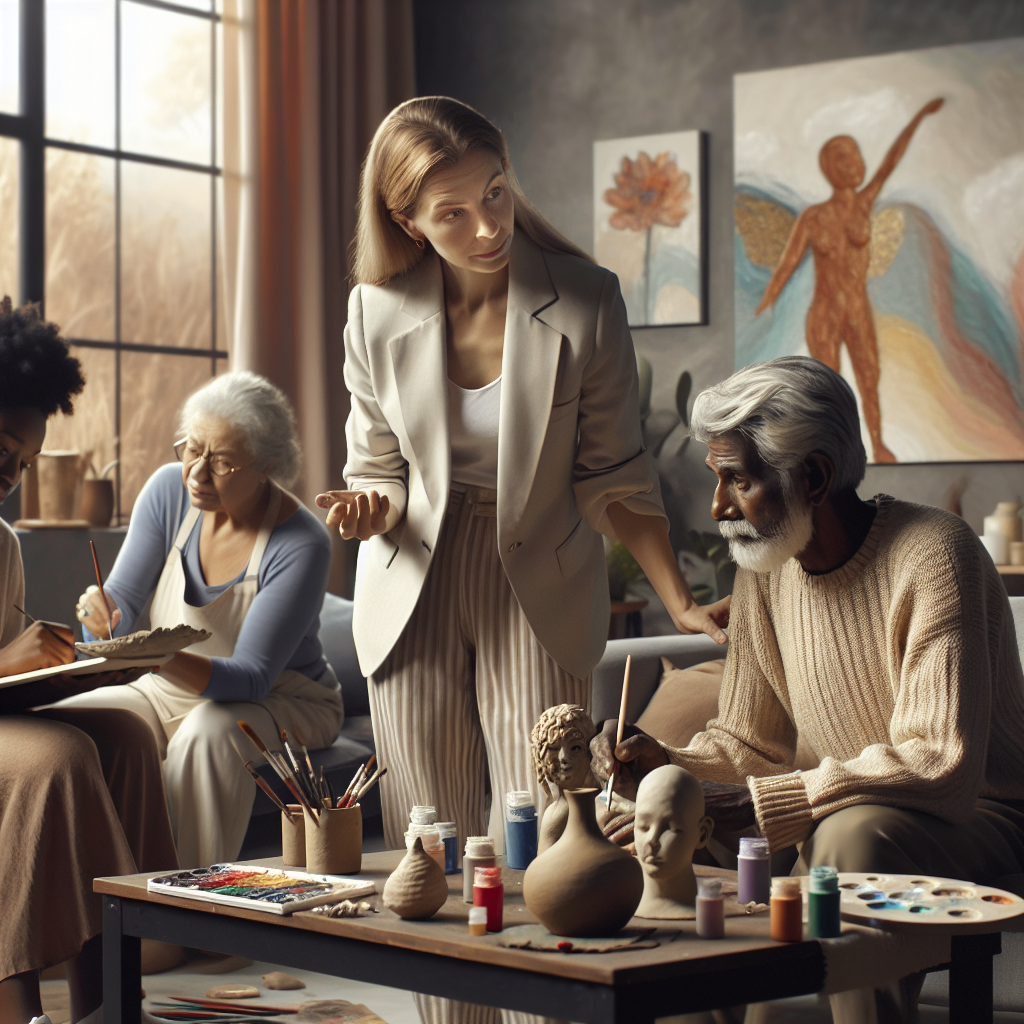
A 45-year-old man dealing with chronic stress participated in a community art therapy program. By integrating techniques like clay modeling and watercolor painting into his routine, he reported significant reductions in stress levels. His experiences underscore the capacity of art therapy to promote relaxation and mindfulness, resonating with the core theme of Exploring Art Therapy: How Creative Expression Can Heal the Mind.
Types of Art Therapy
Expressive Arts Therapy
This form includes not just visual arts but also drama, music, and dance, allowing for multi-modal engagement. By embracing multiple forms of artistry, expressive arts therapy enhances emotional expression and healing.
Guided Imagery
In this technique, clients visualize scenarios while engaging in a creative task. This approach can be particularly effective for trauma survivors, as it allows them to explore feelings in a safe environment.
Community-Based Art Therapy
Community initiatives often promote collective healing by facilitating group artwork. This format encourages social interaction and mutual support, making it a valuable avenue for healing.
Online Art Therapy
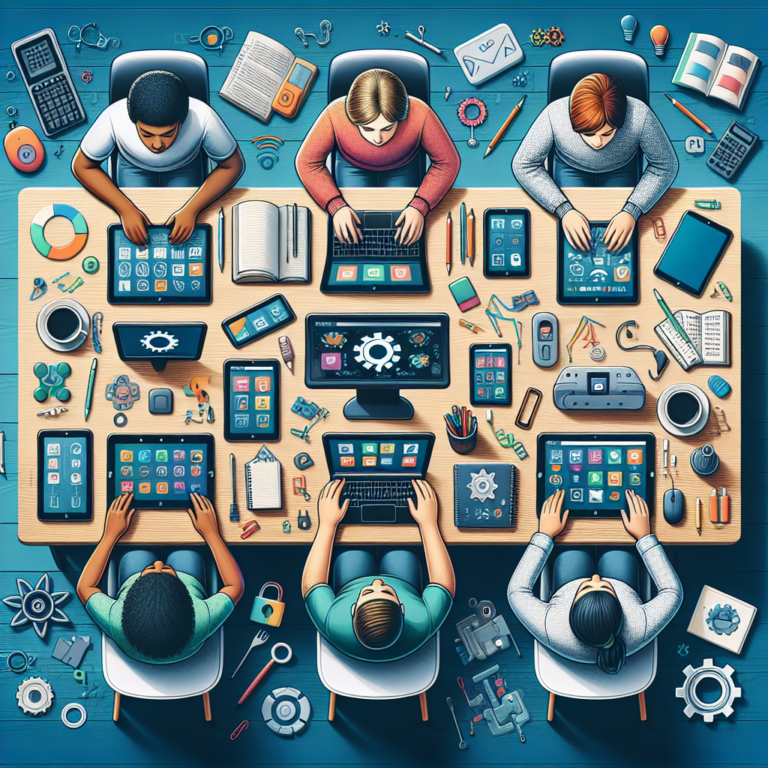
With technology becoming an integral part of our lives, online art therapy sessions have emerged. These digital platforms offer accessible therapeutic options, especially for those unable to attend in-person sessions.
Challenges and Considerations
While art therapy holds immense potential, there are challenges that need addressing:
- Accessibility: Not everyone has access to qualified art therapists or community programs.
- Stigma: Misconceptions about mental health treatments can deter individuals from exploring art therapy.
- Engagement Level: Some may initially struggle to engage with this form of therapy due to pre-existing beliefs about their artistic abilities.
Implementation of Art Therapy in Clinical Settings
Art therapy is increasingly embraced in clinical settings, including hospitals, schools, and rehabilitation centers. Its integration is marked by:
Multi-disciplinary Collaboration: Art therapists often work with psychologists, social workers, and medical professionals to provide comprehensive care.
- Tailored Programs: Individualized treatment plans are developed based on client needs, emphasizing creativity as a means of self-discovery and healing.
Future Directions in Art Therapy
Research and Evidence
As interest in art therapy grows, so does research aimed at understanding its efficacy. Recent studies highlight improved outcomes for various demographics, which may lead to broader acceptance and implementation in therapeutic settings.
Technological Integration
The future of art therapy will likely see the incorporation of virtual reality and digital tools, enhancing the creative process for many individuals.
Cultural Sensitivity
Art therapy’s evolution will benefit from an increased emphasis on cultural sensitivity and inclusivity, accommodating diverse cultural backgrounds in therapeutic practices.
Conclusion
Exploring Art Therapy: How Creative Expression Can Heal the Mind reveals how engaging with art can profoundly transform emotional landscapes. Art therapy is not just a therapeutic option; it is a journey into the self, allowing individuals to navigate their emotions and experiences in innovative ways.
If you or someone you know is struggling with mental health issues, consider exploring art therapy as a viable path to healing. Start with simple creative activities at home, or seek guidance from a qualified therapist.
In the end, Exploring Art Therapy: How Creative Expression Can Heal the Mind serves not only as a guide but also as a gentle reminder of the healing power of creativity.
FAQs
1. What materials do I need for art therapy?
You can begin with basic materials such as paper, pencils, paints, or clay. The aim is to focus on the creative process, not the final product.
2. Who can benefit from art therapy?
Art therapy is suitable for individuals of all ages and backgrounds, particularly those dealing with anxiety, depression, trauma, and various mental health challenges.
3. Do I need to be an artist to participate in art therapy?
Not at all! Art therapy encourages self-expression without the pressure of being ‘artistically talented.’ It’s about the experience, not the outcome.
4. Can art therapy be done online?
Yes, many therapists now offer online art therapy sessions, making it accessible to a broader audience.
5. How do I find a qualified art therapist?
Look for therapists who are trained specifically in art therapy and are registered with recognized professional organizations. A local mental health center can also provide resources.
This article is your gateway into the transformative world of art therapy. Embrace the healing potential of creativity and explore your journey towards mental well-being today!
About the Author