From Doubt to Recovery: How the Placebo Effect Transforms Perception
Introduction
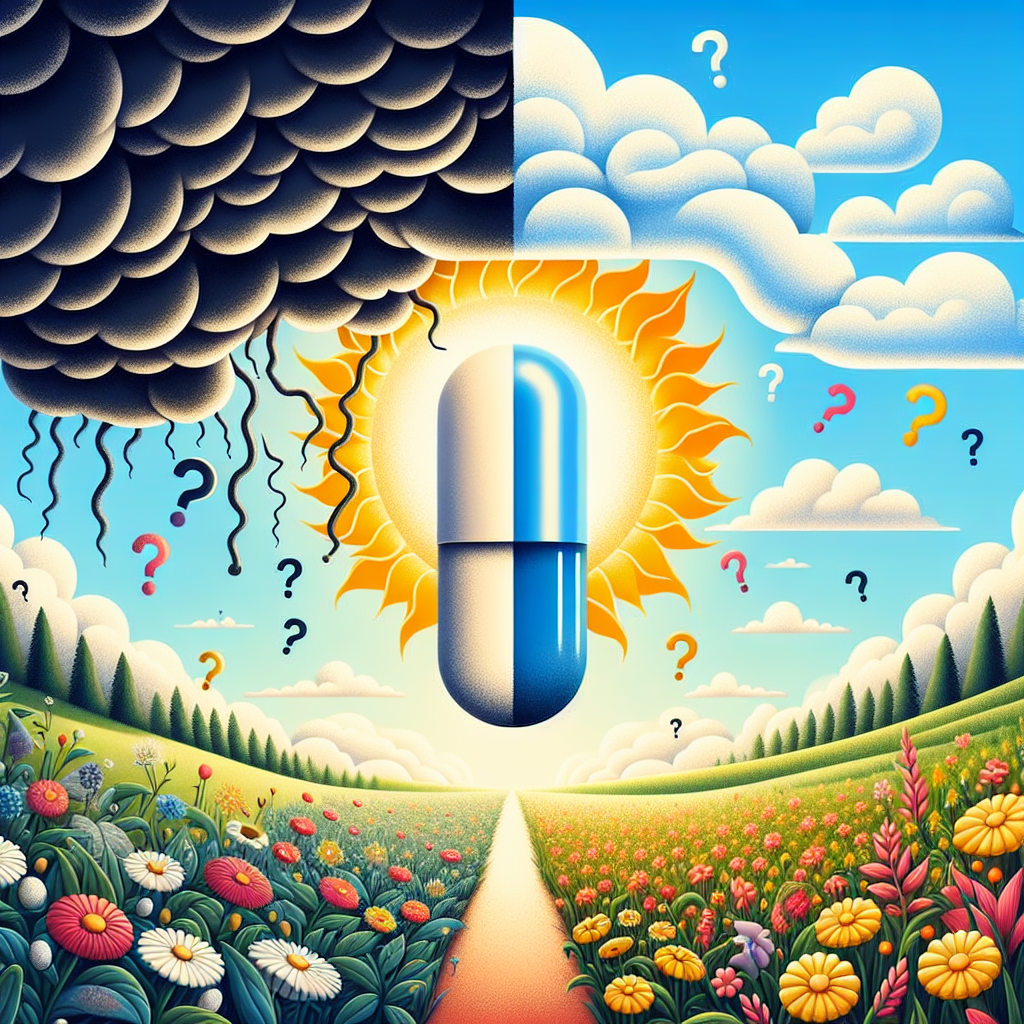
Imagine a world where your belief alone could transform your reality. Where simply thinking you’re healing could actually lead to remarkable improvements in your health. Enter the placebo effect, a phenomenon that not only challenges our understanding of medicine but also redefines how perceived reality can shape our lives. From Doubt to Recovery: How the Placebo Effect Transforms Perception—this phrase encapsulates a journey of hope, resilience, and the intrinsic power of the human mind.
Recent studies indicate that the placebo effect is not just a byproduct of traditional medicine. Instead, it is a potent tool that can lead to actual recovery, demonstrating the impressive link between our minds and bodies. Whether you’re grappling with chronic pain, anxiety, or even the common cold, the placebo effect bears significant implications for how we approach treatment and healing.
In this article, we’ll delve deep into the science behind the placebo effect, explore real-world case studies, and uncover how understanding this phenomenon can ultimately lead us from doubt to recovery.
Understanding the Placebo Effect
What is the Placebo Effect?
The placebo effect refers to the phenomenon where patients experience real improvements in their health after receiving a treatment that has no therapeutic value, often because they believe it works. This effect showcases the brain’s incredible power over the body.
Why Does It Matter?
Understanding the placebo effect is crucial for several reasons:
- Treatment Efficiency: It can predict the effectiveness of treatments.
- Patient-Provider Relationship: It highlights the importance of trust and belief in the healthcare system.
- Chronic Illness Management: It offers insights into non-pharmaceutical interventions.
The Science Behind the Placebo Effect
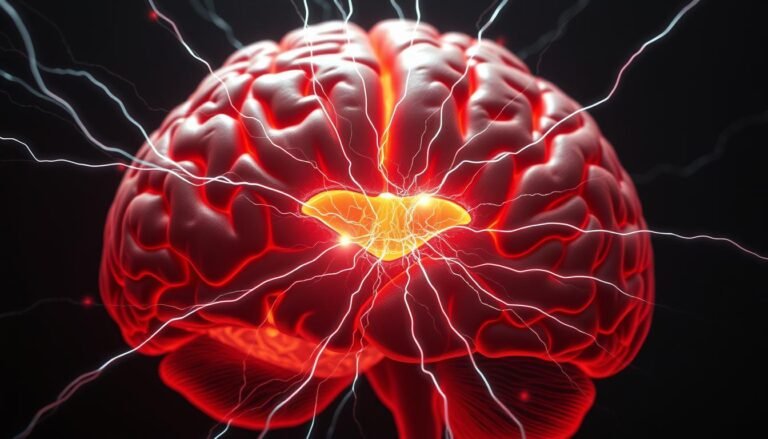
Researchers have delved into the neurobiology of the placebo effect, discovering that it activates certain brain pathways involved in pain perception and emotional response. Neurotransmitters such as dopamine and endorphins play a substantial role here, revealing that our brain’s chemistry can be altered by mere belief.
Table 1: Neurotransmitters Involved in the Placebo Effect
| Neurotransmitter | Role in Placebo Effect |
|---|---|
| Dopamine | Involved in mood and reward |
| Endorphins | Natural pain relievers |
| Serotonin | Regulates mood and anxiety |
Case Studies That Illuminate the Placebo Effect
Case Study 1: The Power of Belief in Pain Management
Researchers conducted a fascinating study where patients suffering from arthritis were divided into two groups: one receiving real pain medication and the other receiving a placebo but told it was a potent painkiller. Surprisingly, those receiving the placebo reported significant pain relief, demonstrating how belief directly influenced their perception of pain.
Analysis
This case highlights that what we believe can sometimes be just as powerful as actual medicine, illustrating From Doubt to Recovery: How the Placebo Effect Transforms Perception in the real world.
Case Study 2: Surgery vs. Sham Surgery
In a landmark study, patients with knee osteoarthritis underwent either real surgery or sham surgery (where incisions were made, but no actual surgery was performed). Astonishingly, both groups reported similar levels of pain relief and improvement in function. This raises questions about the real power of surgical procedures versus psychological belief in treatment efficacy.
Analysis
This case significantly underscores the implications of From Doubt to Recovery: How the Placebo Effect Transforms Perception. The mind’s influence can sometimes lead to recovery without the need for invasive interventions.
Case Study 3: The Role of Patient-Provider Trust
A randomized controlled trial revealed that patients who had a higher degree of trust in their healthcare providers experienced better outcomes with placebo treatments. The study concluded that the relationship and communication between patient and provider significantly impact treatment outcomes.
Analysis
Trust is a critical factor here. This underlines From Doubt to Recovery: How the Placebo Effect Transforms Perception by showing that emotional connections can lead to tangible health benefits.
Key Factors Influencing the Placebo Effect
Expectations and Beliefs
Expectation is a powerful psychological tool. When patients believe in the efficacy of a treatment, they are far more likely to experience positive outcomes. The brain’s belief system acts as a powerful catalyst for recovery.
Conditioning
Historical conditioning plays an interesting role in placebos. If a patient has previously experienced relief from a particular treatment, their brain may associate any future administration—even if it’s a placebo—with that relief.
Cultural Context
Cultural beliefs can amplify the placebo effect. Different societies may emphasize various healing practices, influencing how individuals respond to placebo treatments.
Practical Applications of the Placebo Effect in Everyday Life
- Mindfulness and Meditation: Engaging in practices can influence your perception of pain and stress.
- Visualizations: Imagining oneself in a state of health can cultivate a stronger belief in one’s recovery.
- Positive Affirmations: Regularly affirming health-related statements can bolster the mind’s role in the recovery process.
Table 2: Practical Applications and Benefits
| Application | Benefits |
|---|---|
| Mindfulness | Reduces stress, increases pain tolerance |
| Visualizations | Boosts motivation, enhances recovery perceptions |
| Positive Affirmations | Builds self-efficacy, encourages proactive health measures |
Conclusion
The journey from doubt to recovery is not solely about physical treatment; it is also about the mental frameworks we build. The placebo effect illustrates the remarkable capacity of our minds to shape our reality. By understanding From Doubt to Recovery: How the Placebo Effect Transforms Perception, we can harness this knowledge to cultivate better health practices and foster a mindset conducive to healing.
Reflecting on the above insights, one should consider: How can you incorporate the principles of the placebo effect into your daily life? Whether it involves fostering trust in healthcare relationships or practicing visualization, every small step influences the larger journey of recovery.
FAQs
1. What is the placebo effect?
The placebo effect is a phenomenon where patients experience real changes in their health after receiving a treatment without therapeutic value due to their belief in the treatment’s efficacy.
2. Can the placebo effect work for serious illnesses?
Yes, the placebo effect can play a role in pain management and symptom relief for various conditions, but it should not replace actual treatment for serious illnesses.
3. How does the placebo effect relate to the patient’s mindset?
A patient’s expectations and beliefs significantly influence the placebo effect. A positive mindset often enhances the likelihood of beneficial outcomes.
4. Are there any risks associated with the placebo effect?
While the placebo effect itself is not harmful, relying solely on placebos in the absence of necessary medical treatment can be risky.
5. Can healthcare providers enhance the placebo effect?
Yes, healthcare providers can foster the placebo effect by building trust, effectively communicating, and instilling confidence in the treatment plan.
Through understanding From Doubt to Recovery: How the Placebo Effect Transforms Perception, we are not only enlightened about the potential of belief, but we also step into a realm where mind and body work in harmony to achieve wellness.
About the Author