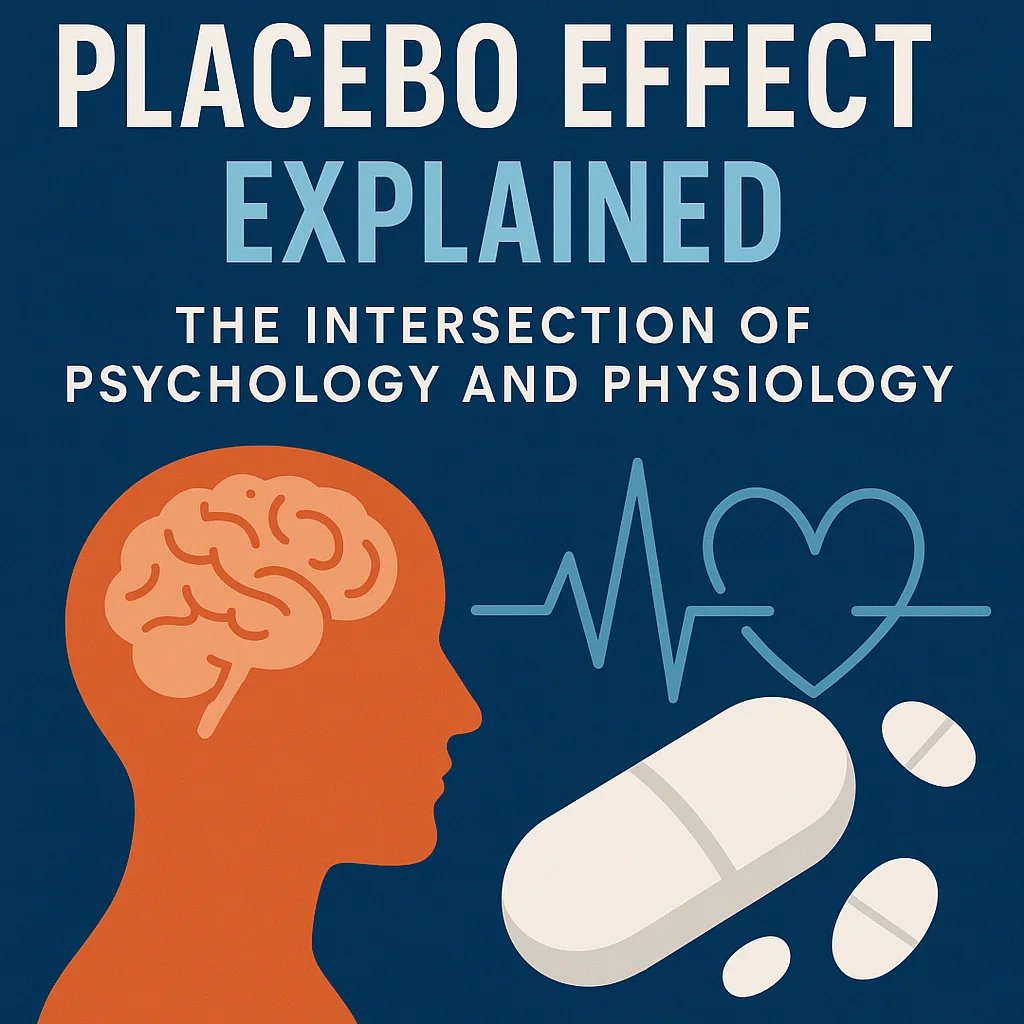
Placebo Effect Explained: The Ultimate Intersection of Psychology and Physiology
Introduction
Imagine this: you’ve recently been diagnosed with a chronic condition, and your doctor prescribes a new medication. However, unbeknownst to you, this pill contains nothing but sugar. Strangely, over the following weeks, you notice a significant improvement in your symptoms. This phenomenon—where your symptoms improve due to your belief in the treatment rather than the treatment itself—represents what we call the placebo effect. In this article, we will delve deep into the placebo effect explained: the intersection of psychology and physiology—a fascinating topic that underscores the powerful connection between mind and body.
The placebo effect is more than just a quirky anecdote; it embodies a complex interplay between our psychological state and our physiological responses. By understanding this relationship, both healthcare professionals and patients can unlock the potential of treatment modalities, enhance patient care, and rethink traditional views on illness and wellness. Ready to explore? Let’s dive in.
What is the Placebo Effect?
Defining the Placebo Effect
The placebo effect is defined as a measurable improvement in a patient’s condition after receiving a treatment that has no therapeutic benefit. This can be a sugar pill, saline injection, or any inactive treatment. The key factor here is the patient’s belief in the efficacy of the treatment.
Historical Background
The term "placebo" comes from the Latin phrase "I shall please," which highlights the importance of patient perception. The documented use of placebo treatments dates back to the 18th century, but it wasn’t until the late 20th century that the scientific community began to explore the effect more rigorously.
Real-World Examples
Consider situations in clinical trials where participants taking a placebo have reported similar health benefits as those on the actual medication. A well-known case study involved a group of patients with irritable bowel syndrome (IBS). Those receiving placebo pills reported improvement in their symptoms comparable to those on the actual medication.
The Mechanics of the Placebo Effect
Psychological Underpinnings
At its core, the placebo effect is driven by psychological mechanisms. Here are some critical components:
Expectation: Your belief that a treatment will work can shape your body’s response. This expectation can create a real, physiological change. When you think you’re being treated, your brain releases neurotransmitters that can alleviate pain or enhance mood.
- Conditioning: Similar to Pavlov’s dogs, past experiences can condition an individual to expect relief from subsequent interventions. If you’ve been given medicine before and it worked, you may anticipate it will again, even if what’s given is a placebo.
Physiological Responses
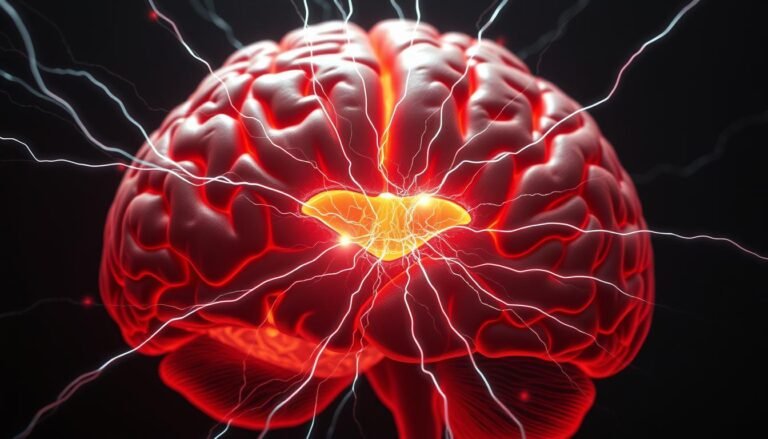
The placebo effect doesn’t just reside in the mind; it impacts the body as well. Neuroimaging studies have shown that the placebo effect can activate specific areas of the brain linked to pain relief, demonstrating that believing in a treatment can result in real physiological changes.
Table 1: Key Mechanisms of the Placebo Effect
| Mechanism | Description | Example |
|---|---|---|
| Expectation | Belief in treatment efficacy triggers real changes | Pain relief through belief |
| Conditioning | Previous experiences shape future responses | Response to a known treatment |
| Neurotransmitter Release | Brain releases chemicals that influence pain and mood | Endorphins activated by belief |
Exploring the Intersection of Psychology and Physiology
The Brain’s Role in the Placebo Effect
Recent advancements in neuroscience have illustrated how our brain may conflate expectation with actual treatment response. For example, neuroimaging techniques, such as fMRI, show that the anticipation of pain relief can activate areas in the brain that are responsible for pain modulation.
Psychosomatic Connections
The interplay between physical conditions and psychological states provides a compelling insight into the placebo effect explained: the intersection of psychology and physiology. Stress, anxiety, and overall mental well-being can significantly influence bodily symptoms. Stress hormones can exacerbate conditions like asthma or fibromyalgia, while positive expectations can enhance physical health.
Case Studies on the Placebo Effect
Case Study 1: Pain Management in Post-Surgical Patients
In a study published in The New England Journal of Medicine, researchers examined the effects of placebo pills on patients recovering from knee surgery. The results showed that patients who received a placebo reported greater reductions in pain compared to those receiving no treatment. This illustrates how the placebo’s psychological component can provide genuine pain relief.
Analysis
This case underscores the significance of expectation and belief in physical recovery. By informing patients that they are receiving treatment, even if it’s merely a placebo, healthcare professionals can harness this psychological mechanism to optimize recovery.
Case Study 2: Depression Treatment
Research conducted on patients suffering from major depressive disorder found that those receiving a placebo displayed marked improvement in mood. Notably, the improvement stemmed from their belief in receiving treatment rather than any pharmacological action.
Analysis
This study reveals that the effectiveness of a treatment for mental health issues may lie more in expectation than in active ingredients. Understanding this can lead to more holistic and integrative treatment plans.
The Ethical Implications of the Placebo Effect
Clinical Trials and Informed Consent
The ethical implications of using placebo treatments bring forth questions about informed consent and the necessity for transparency. While placebos can sometimes be beneficial, using them without the patient’s knowledge poses moral dilemmas.
Balancing Benefits and Risks
Healthcare providers must carefully evaluate when and how to use placebos ethically. In some cases, a well-intentioned placebo could lead to improved outcomes, while in others, it could destabilize the doctor-patient relationship.
Leveraging the Placebo Effect in Everyday Life
Practical Applications
Given its profound implications, how can we leverage the placebo effect in our everyday lives?
Mindfulness and Mental Health: Practicing mindfulness can enhance the belief that we can improve our mental state, harnessing the placebo effect to reduce anxiety or stress.
Positive Affirmations: By using positive affirmations, individuals can condition their minds to create a greater likelihood of positive outcomes.
- Communicating Optimism: In healthcare settings, fostering an optimistic environment can amplify the placebo effect and improve patient outcomes.
A Motivational Takeaway
Understanding the placebo effect explained: the intersection of psychology and physiology isn’t just an academic exercise. It empowers us to tap into our心理 and physiological potential, creating better outcomes in health and life through the power of belief and expectation.
Conclusion
In summation, the placebo effect is a captivating intersection of psychology and physiology that opens up new avenues for understanding and improving human health. By aligning our psychological expectations with physiological responses, we can foster resilience, enhance treatment effectiveness, and improve overall health outcomes. Whether you’re a healthcare professional or a patient, recognizing the immense power of the mind-body connection can inspire transformative change.
FAQs
1. What is the placebo effect?
The placebo effect refers to the improvement in a patient’s condition resulting from their belief in a treatment that has no therapeutic effect.
2. Can the placebo effect be harmful?
In some cases, if patients believe they are receiving real treatment while they aren’t, they may forgo actual care, leading to detrimental health outcomes.
3. How can I harness the placebo effect in my life?
Positive thinking, mindfulness, and the practice of affirmations can enhance your belief in positive outcomes, leveraging the placebo effect to improve well-being.
4. Are there conditions where the placebo effect is more prominent?
Yes, the placebo effect tends to be more pronounced in conditions where perception plays a significant role, such as pain management and mental health disorders.
5. Is the placebo effect the same as "faking" an illness?
No, the placebo effect is based on genuine belief and expectation of improvement; it does not involve deception or intentional “faking” of illness.
Understanding the placebo effect explained: the intersection of psychology and physiology not only informs medical practice but also enriches personal understanding of health and wellness. Embracing this knowledge can empower individuals and improve overall health outcomes.
About the Author