Introduction
Imagine receiving a treatment meant to alleviate your chronic pain, anxiety, or even depression. You follow the prescribed regimen carefully, but your improvement comes not from the actual treatment but from your belief in its effectiveness. Welcome to the intriguing world of the placebo effect—a psychological phenomenon that demonstrates healing without medicine. In this article, we’ll explore how this seemingly magical mechanism can lead to profound health benefits, challenge the traditional boundaries of medicine, and uncover the surprising power of the mind in healing processes.
Understanding the Placebo Effect
What Is the Placebo Effect?
The placebo effect refers to a measurable and observable improvement in a patient’s condition after receiving a treatment that has no therapeutic benefit. This effect can occur in various contexts, from clinical trials to everyday healthcare settings. The key lies in the patient’s expectations and beliefs about the treatment, which can initiate real physiological changes and promote healing.
The Science Behind the Placebo Effect
To grasp the nuances of healing without medicine, it’s vital to understand how our brain and body interact with perception and belief. Recent studies show that the placebo effect can activate specific brain pathways, such as the release of endorphins and dopamine, which play a significant role in pain relief and mood enhancement. Thus, our mindset becomes a critical factor in physical well-being.
Case Study: The Power of Expectation
In a 2001 study published in the journal Nature, patients suffering from chronic pain were given either a placebo or an analgesic drug. Surprisingly, those told they received the drug reported significantly lower pain levels, even though they had been given a placebo. This starkly illustrates the profound impact belief and expectation can have on our experience of pain—showing that healing without medicine can sometimes be as effective as traditional treatments.
Applications of the Placebo Effect in Clinical Settings
Enhancing Real Treatments
One of the most fascinating aspects of the placebo effect is its ability to enhance the efficacy of actual treatments. When patients have high expectations of their medications, they often experience better outcomes.
Case Study: Chronic Pain and Post-Surgical Recovery
In a study involving patients recovering from hip surgery, half the participants received standard pain medication, while the other half received only a placebo but were informed they were getting a powerful drug. Those in the placebo group reported lower pain scores and a quicker recovery timeline compared to those receiving actual medication. This example supports the notion that healing without medicine can occur in conjunction with real treatments to magnify recovery.
The Role of Physician-Patient Interaction
The way a healthcare provider communicates with their patients plays a vital role in activating the placebo effect. A doctor’s optimism and belief in the treatment’s success can profoundly affect the patient’s response.
Case Study: The Doctor’s Influence on Outcomes
An analysis showed that when physicians expressed confidence in their prescribed treatments, patients were more likely to perceive their symptoms as less severe. This phenomenon supports the idea that healing without medicine is not only viable but also crucial in healthcare delivery.
The Broader Implications of the Placebo Effect
Psychological Health and the Mind-Body Connection
The intertwining of mental and physical health is well-documented. Stress, anxiety, and depression dramatically affect physical health, and the placebo effect serves as a bridge between these domains. The mere belief that one is healing can reduce stress and its physiological impacts, thereby promoting recovery.
Case Study: Placebo in Depression Treatments
A meta-analysis of clinical trials indicated that patients with depression receiving placebos reported positive effects comparable to those receiving antidepressants, highlighting that mental well-being can promote physical recovery. Healing without medicine can indeed be a powerful ally in mental health treatment strategies.
The Ethics of Placebo Treatments
While the placebo effect offers multiple benefits, ethical questions arise when considering its use in clinical practice. Is it ethical to deceive patients with placebos, even if it could lead to healing without medicine? Medical professionals must navigate this delicate balance between honesty and patient welfare.
Healing Without Medicine: The Role of Lifestyle Choices
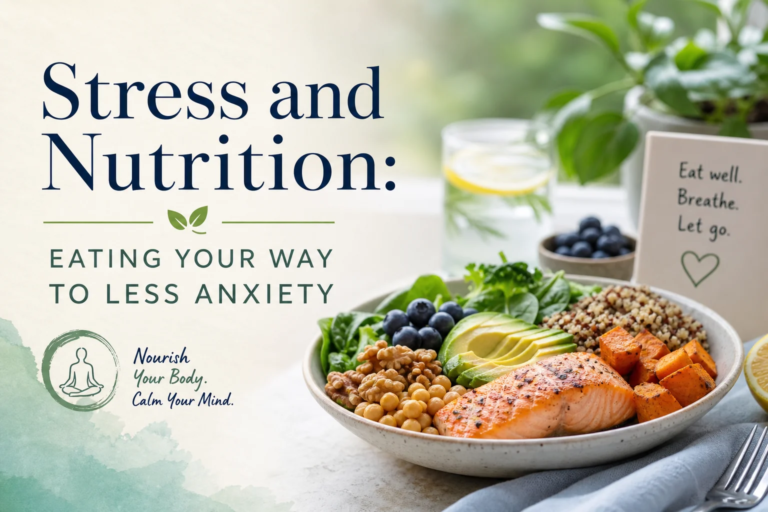
Nutrition and Healing
Nutrition plays a fundamental role in our health. The belief in the healing properties of a healthy diet can enhance the efficacy of dietary changes.
Case Study: Dietary Changes in Diabetes Management
A group of patients with type 2 diabetes adopted a new diet rich in whole foods, believing that their dietary changes could significantly impact their health. Regular check-ups showed marked improvements in blood sugar levels, supporting the idea that healing without medicine can stem from intentional lifestyle shifts bolstered by positive belief.
Exercise as a Placebo
Exercise not only benefits physical health but also has a profound impact on mental well-being. Many experience improved moods and decreased anxiety levels after engaging in physical activity—often attributed to the placebo-like effects of believing exercise is beneficial.
Case Study: Exercise and Anxiety Relief
A study published in Psychosomatic Medicine found that participants who believed that exercise significantly lowered their levels of anxiety experienced much more relief than those who did not. This showcases how healing without medicine can occur through the lens of belief and expectation.
The Transformational Power of Mindfulness and Meditation
Harnessing the Mind for Healing
Mindfulness and meditation have surged in popularity, demonstrating their power in promoting healing without medicine by focusing on the body’s innate healing abilities.
Case Study: Mindfulness-Based Stress Reduction (MBSR)
Individuals participating in MBSR programs often report reduced stress, anxiety, and even chronic pain. A significant percentage of participants in studies have shown measurable decreases in symptoms, attributing these improvements to their sustained practice and belief in the program’s effectiveness.
The Future of Healing Without Medicine
Integrative Approaches in Healthcare
The evolving field of integrative medicine emphasizes a holistic view of health, combining conventional treatments with alternative therapies, including the placebo effect.
The Move Towards Patient-Centered Care
As medicine continues to embrace patient-centered care approaches, healthcare providers are encouraged to consider not just the biological aspects of illness, but also the psychological and social dimensions that contribute to healing.
Conclusion
The concept of healing without medicine and the surprising benefits of the placebo effect provide a powerful lens through which we can understand the interplay between mind and body. As medical science continues to unravel the mysteries of the human body, one takeaway remains clear: the power of belief and expectation can be transformative. By adopting a holistic view of health and embracing the psychological facets of healing, we can pave the way for more effective treatments—often realizing that our minds may hold the ultimate key to our health and well-being.
FAQs
1. What exactly is the placebo effect?
The placebo effect occurs when a patient experiences a real improvement in their condition after receiving a treatment that has no therapeutic effect, largely due to their belief in its effectiveness.
2. Can the placebo effect work for everyone?
While the placebo effect can be powerful, individual responses vary. Factors like the type of condition, personal beliefs, and expectations influence its effectiveness.
3. Is it ethical to use placebos in treatment?
The ethics of placebo use is complex. While some argue it can lead to better health outcomes, others contend that honesty with patients is crucial. Ultimately, circumstances and patient consent are pivotal in this decision.
4. How can I harness the placebo effect for my health?
You can amplify the placebo effect through positive thinking, trusting your healthcare provider, and actively engaging in treatments, whether they are mental or physical.
5. Are lifestyle changes enhanced by the placebo effect?
Yes! Believing in the effectiveness of lifestyle changes, such as diet and exercise, can significantly bolster their positive impact on health, showcasing the power of the mind in healing without medicine.
By recognizing the profound capacity of our beliefs, we can approach health with newfound vigor and understanding. Healing without medicine is not merely a hopeful notion but a compelling reality that exemplifies the strength of the human spirit.
About the Author


Dr. Leah Howard, Positive Psychology
Dr. Howard is a researcher and advocate for positive psychology, focusing on human strengths, happiness, and well-being. Her writings explore how people can cultivate a positive mindset, improve resilience, and develop emotional intelligence to live fulfilling lives.