Hooked: Exploring the Psychological Factors That Fuel Addiction
Introduction
In a world where instant gratification reigns supreme, understanding addiction has never been more crucial. The phrase “Hooked: Exploring the Psychological Factors That Fuel Addiction” brings to light not only the battle against physical dependency but also the complex mental landscape that often leads individuals to self-destructive behaviors. Addiction is not merely about substances; it’s a comprehensive narrative involving psychological, social, and environmental factors that intertwine and anchor a person to their habits.
But why do some individuals become "hooked" while others seem resilient? As we delve into the psychology of addiction, we will unlock the intricacies of craving, behavior, and emotional turmoil that fuel this crisis, aiming to provide unique insights that resonate deeply with affected individuals and their communities.
Understanding Addiction: A Psychological Overview
To truly grasp the essence of “Hooked: Exploring the Psychological Factors That Fuel Addiction,” we must first define what addiction is. The American Society of Addiction Medicine describes addiction as a complex disease that affects brain function and behavior, often characterized by a compulsive urge to seek out substance or activity despite negative consequences.
The Cycle of Addiction
Addiction often presents itself in a cyclical pattern, which can be broken down into four core stages:
- Exposure: Initial exposure to a substance or behavior.
- Craving: Developing a psychological or physiological need for the substance.
- Use: Engaging in the behavior or substance use.
- Withdrawal: Experiencing adverse effects when not engaging in the behavior or substance.
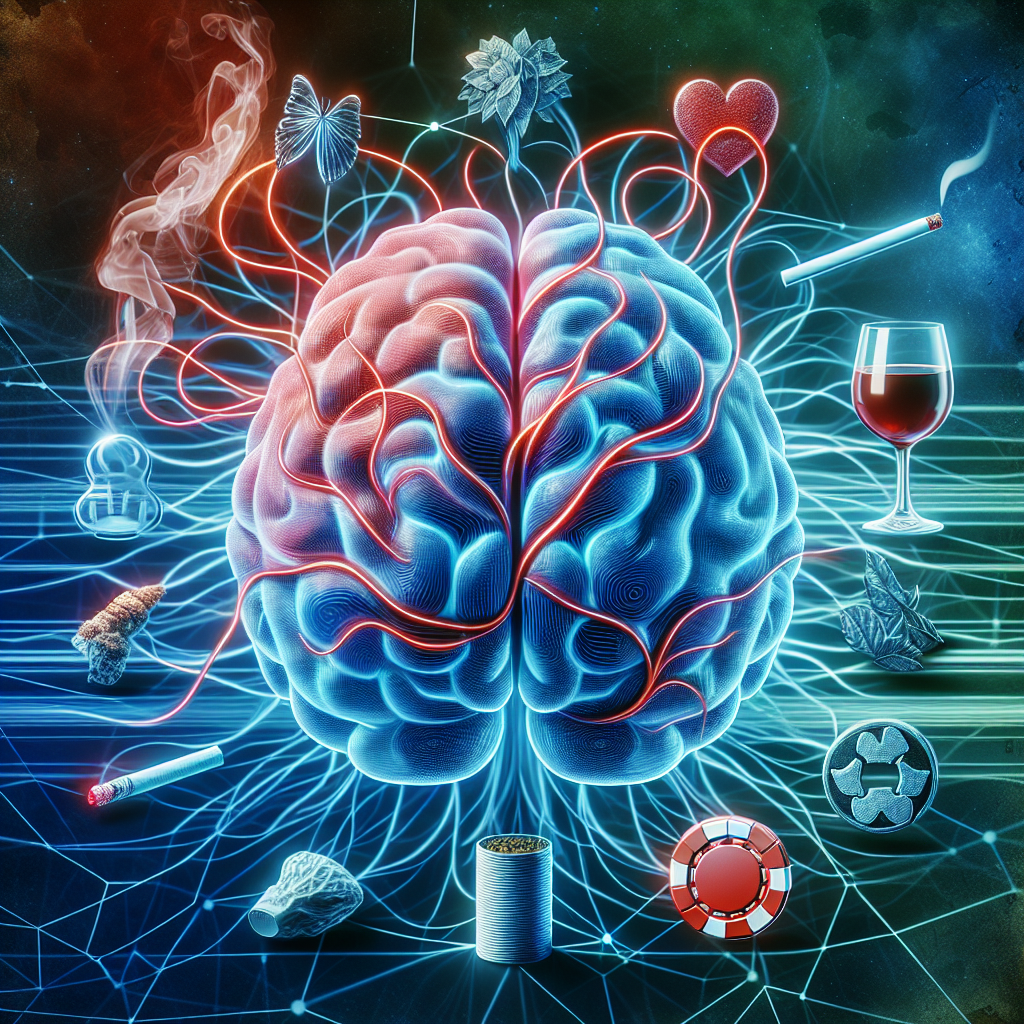
This cycle highlights an essential psychological factor: dopamine. Often referred to as the "feel-good" neurotransmitter, dopamine plays a substantial role in the brain’s reward system, reinforcing behaviors that are pleasurable but potentially harmful.
Case Study: The Role of Dopamine in Addiction
Consider the case of Maria, a 32-year-old who developed a severe gambling addiction. Initially, her experience was characterized by the thrill of winning small amounts of money, which caused a significant release of dopamine, reinforcing her gambling behaviors. Over time, the small wins became less satisfying, leading her to gamble larger amounts in a bid to regain that initial "high." Eventually, she found herself in severe debt, indicating the devastating impact of her addiction.
Analysis: Maria’s experience underscores the neurological underpinnings of addiction and illustrates how dopamine can hook an individual into a cycle of dependency.
Psychological Factors Contributing to Addiction
While neurochemistry plays a pivotal role in addiction, multiple psychological factors also contribute to why individuals become "hooked."
1. Emotional Regulation
For many, substances or addictive behaviors serve as a coping mechanism to manage negative emotions. This reliance often masks unresolved psychological issues, leading to a situation where the addiction exacerbates emotional distress.
2. Social Influences
Peer pressure and social contexts play significant roles in fostering addictive behaviors. Adolescents, in particular, can be influenced by their social circles, leading them to experiment with drugs or alcohol, thus fueling the cycle of addiction.
3. Trauma and Mental Health
Trauma, whether in childhood or adulthood, is often a precursor to addiction. Studies reveal that individuals with PTSD or unresolved traumas are more susceptible to developing addiction as they attempt to numb their pain through substances or behaviors.
Strategies for Combating Addiction
Understanding these psychological factors leads us to the essential question: how can individuals and communities combat addiction effectively?
Building Emotional Resilience
Developing emotional resilience can help reduce reliance on addictive behaviors. This can be achieved through:
- Cognitive-behavioral therapy (CBT): A structured approach that focuses on changing negative thought patterns.
- Mindfulness practices: Techniques that help individuals stay grounded and aware of their thoughts and feelings.
Community Support Systems
Engaging with supportive communities, such as Alcoholics Anonymous or Narcotics Anonymous, can provide a network of understanding and shared experiences. These platforms emphasize recovery through connection, which can be pivotal for those "hooked."
Educational Programs
Awareness and education about addiction can serve as preventive measures. Schools and workplaces can implement programs that illuminate the dangers of substance use and the psychological factors involved.
Conclusion
As we conclude our exploration of “Hooked: Exploring the Psychological Factors That Fuel Addiction,” it becomes evident that addiction is a multifaceted issue requiring a broad understanding of its psychological roots. Armed with this knowledge, we can forge pathways for recovery and resilience.
As individuals seeking to break free from the chains of addiction or to support loved ones, it is crucial to foster emotional intelligence, seek community support, and engage with effective treatment options. Together, we can shed light on the darkness of addiction and pave the way for a brighter, addiction-free future.
FAQs
1. What are the signs of addiction?
Common signs include neglecting responsibilities, loss of interest in previously enjoyed activities, withdrawal symptoms, and increased tolerance.
2. Can addiction be treated?
Yes, addiction can be treated through various methods, including therapy, medication, and support groups.
3. How do I support someone struggling with addiction?
Listening without judgment, encouraging them to seek help, and being informed about resources can provide meaningful support.
4. Is addiction hereditary?
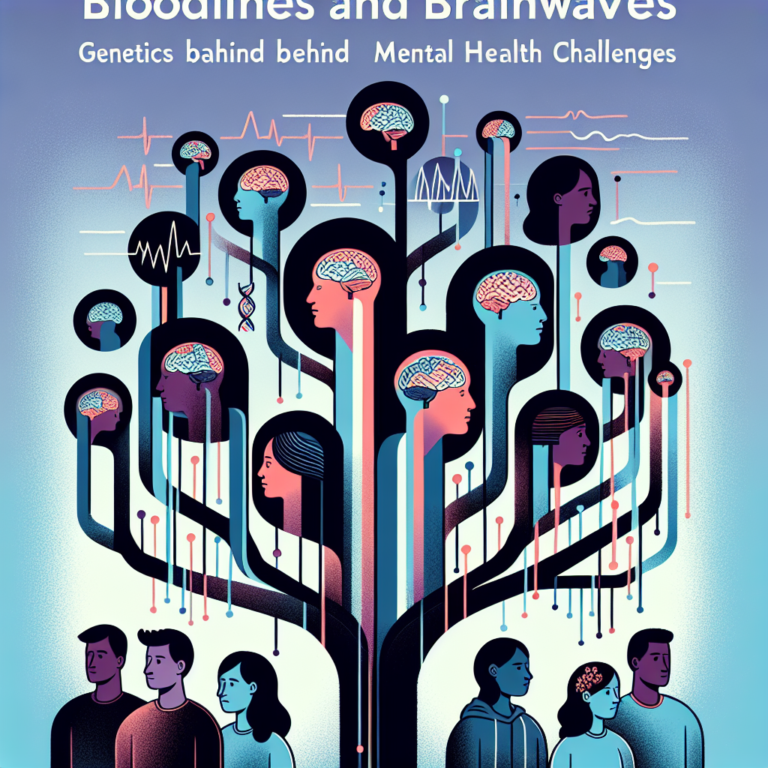
Research indicates that genetics can play a role in addiction susceptibility, but environmental factors are also significant.
5. What are some alternative therapies for addiction recovery?
Some individuals find success with alternative therapies such as yoga, acupuncture, and art therapy as part of a comprehensive recovery plan.
This article offers a profound look at addiction, intertwining psychological insights with real-world implications. By understanding the factors that contribute to being "hooked," we facilitate deeper awareness and promote healthier coping mechanisms. Together, we can strive for a society where addiction is addressed with compassion and scientific understanding.
About the Author