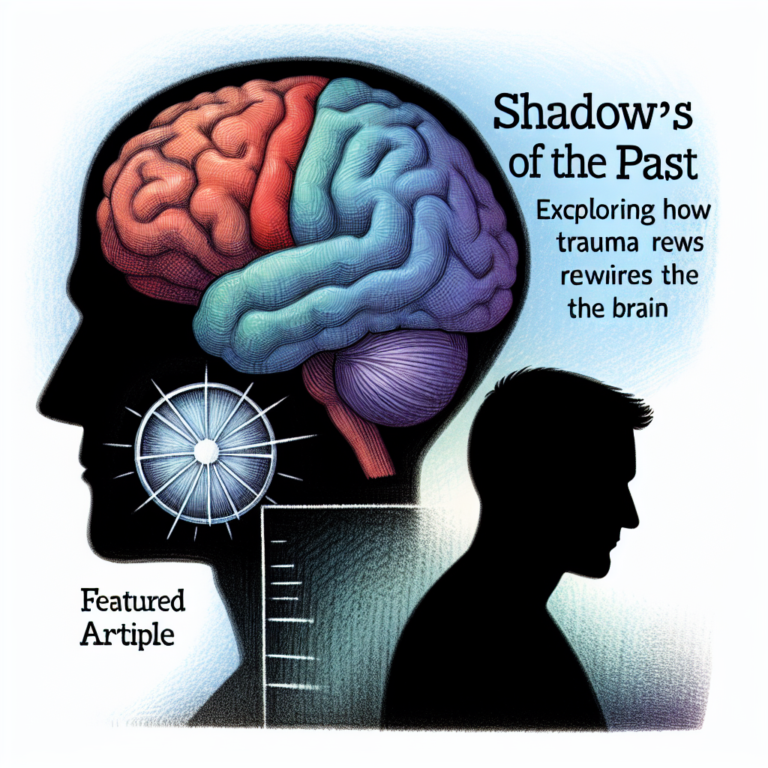
Resilience Through Therapy: Unlocking the Essential Benefits of Leading PTSD Treatments
Introduction
Imagine waking up each day with a sense of dread, filled with haunting memories that refuse to fade. For countless individuals dealing with Post-Traumatic Stress Disorder (PTSD), this is a harsh reality. However, there is hope. Enter "Resilience Through Therapy: Unlocking the Benefits of Leading PTSD Treatments." This article explores how therapy can not only help individuals cope with their PTSD but also empower them to build resilience, reclaim their lives, and thrive in the face of adversity. In our increasingly chaotic world, understanding and implementing effective treatment strategies can transform lives, making this topic more relevant than ever.
The Nature of PTSD
Post-Traumatic Stress Disorder is a severe psychological condition triggered by experiencing or witnessing traumatic events. The symptoms can manifest in various ways, including flashbacks, nightmares, severe anxiety, and uncontrollable thoughts about the event. These symptoms can be debilitating, impacting an individual’s emotional and physical health.
Understanding the Impact of Trauma
Trauma doesn’t affect everyone equally. Various factors, such as a person’s history, environment, and support system, play a crucial role in determining how they process and cope with traumatic experiences. Recognizing these variations is vital when discussing treatments and the potential for resilience.
Leading PTSD Treatments: A Comprehensive Overview
Understanding the landscape of PTSD treatment is essential for anyone looking to cultivate resilience. Below are some leading treatments backed by research.
1. Cognitive Behavioral Therapy (CBT)
Overview:
Cognitive Behavioral Therapy (CBT) is one of the most widely used treatments for PTSD. It helps individuals identify negative thought patterns and replace them with healthier, more constructive ones.
Case Study:
In a recent study, a 35-year-old veteran named Mike underwent CBT after struggling with combat-related PTSD. Within weeks, he reported a significant reduction in anxiety levels and intrusive thoughts.
Relevance:
Mike’s case illustrates the effectiveness of CBT in reshaping thought processes and fostering resilience. By addressing cognitive distortions, patients can learn to view their experiences through a different lens, enhancing their emotional well-being.
2. Eye Movement Desensitization and Reprocessing (EMDR)
Overview:
EMDR is a relatively new therapy designed specifically for PTSD. It involves a structured eight-phase approach that helps clients process traumatic memories while also integrating bilateral stimulation (usually through eye movements).
Case Study:
Sarah, a survivor of sexual assault, went through EMDR therapy and found herself not only confronting her memories but also developing coping strategies that allowed her to move forward.
Relevance:
Sarah’s experience showcases how EMDR empowers individuals to confront their trauma actively, aiding in the construction of resilience.
3. Exposure Therapy
Overview:
Exposure therapy involves safely exposing individuals to the situations or thoughts that cause fear, helping them confront their fears in a controlled environment.
Case Study:
James, who experienced a traumatic car accident, faced his fears through gradual exposure to driving again. Each successful session not only reduced his anxiety but reinforced his sense of capability and resilience.
Relevance:
James’s progress exemplifies how manageable exposure can dismantle fear, fostering a stronger sense of control over one’s life.
4. Medication
While therapy is often the primary focus, medications can support individuals in their recovery.
Overview:
Antidepressants, particularly selective serotonin reuptake inhibitors (SSRIs), have shown efficacy in reducing PTSD symptoms.
Case Study:
Rachel, a 28-year-old who battled severe anxiety linked to her PTSD, found that combining medication with therapy provided a solid foundation for her healing journey.
Relevance:
Rachel’s integrated approach highlights the potential of combining different treatments to bolster resilience.
Building Resilience Through Therapy: Key Strategies
Therapeutic approaches provide much more than symptom relief. They can significantly enhance one’s capacity for resilience.
1. Self-Compassion
Therapy encourages individuals to practice self-compassion—a critical attribute for building resilience. Learning to treat oneself kindly fosters emotional healing and growth.
2. Seeking Community Support
Engagement in support groups helps individuals realize they are not alone in their struggles. Sharing experiences fosters connection and resilience.
3. Developing Coping Strategies
Therapy equips individuals with tools to manage their responses to stressors. These coping strategies become vital in rebuilding a sense of stability.
4. Mindfulness and Relaxation Techniques
Mindfulness practices, often integrated into therapy, teach individuals to stay present, reducing anxiety and enhancing emotional regulation.
Real-Life Applications: Charting the Path to Resilience
To illustrate the profound impact of therapy on developing resilience, we present a table summarizing case studies and their outcomes.
| Treatment Type | Case Study | Outcome |
|---|---|---|
| Cognitive Behavioral Therapy | Mike (Veteran) | Reduced anxiety, improved coping skills |
| EMDR | Sarah (Survivor) | Confronted trauma, built coping mechanisms |
| Exposure Therapy | James (Car Accident) | Decreased fear, enhanced control over life |
| Medication | Rachel (Anxiety) | Improved symptom management alongside therapy |
Conclusion
Resilience isn’t just about bouncing back from adversity; it’s about emerging stronger and more capable than before. Through "Resilience Through Therapy: Unlocking the Benefits of Leading PTSD Treatments," we’ve explored how various therapeutic modalities can empower individuals with PTSD to confront their fears, reshape their thoughts, and ultimately build resilience.
The journey towards healing can be daunting, but the potential for growth and recovery is limitless. For anyone navigating the challenges of PTSD, remember: seeking help is a sign of strength, and resilience is within reach.
FAQs
1. What is PTSD, and how is it diagnosed?
PTSD is a mental health condition triggered by experiencing or witnessing trauma. Diagnosis typically involves a clinical assessment by a mental health professional, who evaluates symptoms like flashbacks, avoidance, and hyperarousal.
2. How long does therapy for PTSD usually last?
The duration varies by individual and treatment type but can range from weeks to several months. Intentional therapy focuses on building resilience, leading to lasting improvements.
3. Can PTSD be cured?
While some individuals may experience complete resolution of symptoms, for many, PTSD management is an ongoing process. Therapy and support can help individuals lead fulfilling lives.
4. Are medications necessary for treating PTSD?
Not always. While medications like SSRIs can be beneficial for some, many find that psychosocial interventions alone can greatly improve their quality of life.
5. How can I support someone struggling with PTSD?
Educate yourself about PTSD, listen without judgment, and encourage them to seek professional help. Being present and supportive can significantly aid their healing journey.
Exploring "Resilience Through Therapy: Unlocking the Benefits of Leading PTSD Treatments" reveals a roadmap to healing—a journey filled with hope, adaptability, and growth. As we collectively work towards understanding and supporting those affected by PTSD, we pave the way toward a brighter future for all.
About the Author