Scrolling to Anxiety: The Essential Hidden Mental Health Effects of Social Media on Teens
Introduction
In today’s hyper-connected world, social media is as ubiquitous as it is influential. For many teens, platforms like Instagram, Snapchat, and TikTok are integral to their daily lives, shaping their social interactions and self-image. However, as the phenomenon of "scrolling" becomes ingrained in their routine, a darker truth emerges: it can lead to anxiety, stress, and a host of other mental health challenges. Understanding these effects is crucial as we navigate the digital age. This article, Scrolling to Anxiety: The Hidden Mental Health Effects of Social Media on Teens, aims to shed light on these critical issues, backed by data, real-world case studies, and actionable insights.
The Landscape of Social Media Usage Among Teens
Overview of Usage Trends
The statistics surrounding teen social media usage are staggering. As of 2022, 95% of teenagers reported using social media, with a significant percentage logging in multiple times a day. A table showcasing the leading platforms by popularity among teens might help illustrate this growing trend:
| Platform | Percentage of Teen Users |
|---|---|
| 72% | |
| Snapchat | 69% |
| TikTok | 66% |
| 32% | |
| 28% |
The Allure and the Uncertainty
Social media offers unparalleled opportunities for connection and creative expression. However, its allure can lead to compulsive scrolling—an action that can keep young users tethered to their devices for hours. This raises the question: what are the hidden mental health effects that come along with such high engagement?
The Psychological Impact of Scrolling
The Anxiety Equation
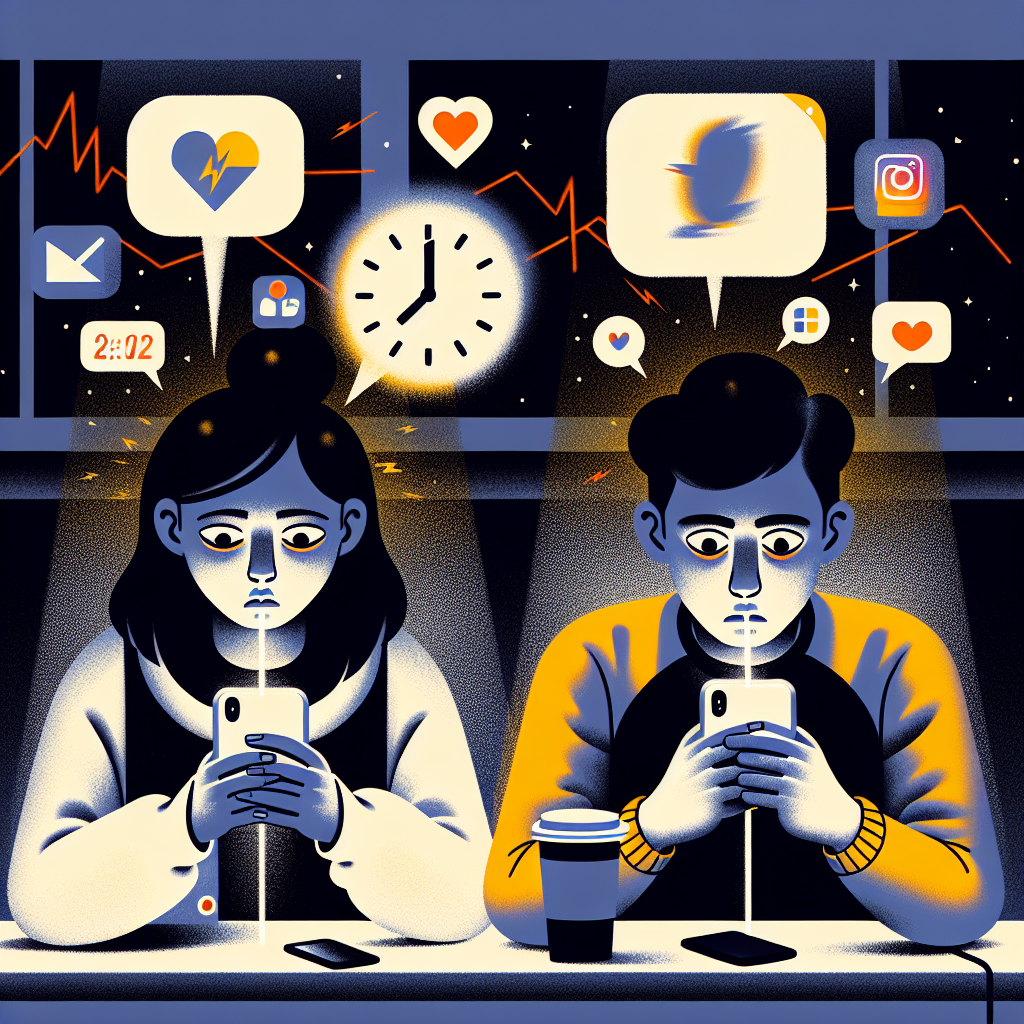
"Scrolling to Anxiety" encapsulates how relentless engagement with social media feeds into mental health challenges. Research indicates that increased time spent on social media correlates with higher rates of anxiety, depression, and loneliness among teenagers.
For example, a study published in JAMA Psychiatry found a 22% increase in depression symptoms correlating with extensive social media usage. It’s vital to connect these dots to understand the profound effects of a seemingly innocuous activity.
Case Study: Sarah’s Story
Sarah, a 16-year-old high school sophomore, found herself becoming increasingly discontent with her life as she navigated TikTok and Instagram. Despite enjoying the platforms initially, she began to compare herself to the curated lives of influencers and peers, which ultimately resulted in feelings of inadequacy and anxiety. Sarah’s journey showcases the psychological impact of social media and highlights the irrefutable link between scrolling and anxiety.
Analysis of Sarah’s Case
Her experience demonstrates the direct consequences of social comparison. The phenomenon of "compare and despair" is particularly prevalent in social media, wherein users consistently measure their worth against others based on misleading standards.
The Role of Social Comparison
Social Media and Self-Esteem
Teens often use social media as a parameter for self-worth. This section will delve deeper into how scrolling fosters unhealthy comparisons, leading to low self-esteem and anxiety. The concept of the "highlight reel"—where users only showcase their best moments—can exacerbate feelings of inadequacy among impressionable teens.
Case Study: Jake and the Pressure to Perform
Jake, a 17-year-old student athlete, felt immense pressure to present an idealized version of himself online. The need to gain likes and followers became a daily obsession. When engagement on his posts waned, Jake faced overwhelming anxiety and a feeling of purposelessness.
Analysis of Jake’s Case
Jake’s story underscores the social media performance culture and its impact on teen mental health. The constant quest for validation can create an emotional rollercoaster for young users, wherein online praise becomes central to their identity.
The Neurobiological Effects of Social Media
Dopamine and Reward Systems
The instant gratification derived from likes and comments triggers the brain’s reward pathway, releasing dopamine—a neurotransmitter linked to pleasure. However, this mechanism may lead to addictive behavior and elevate levels of anxiety when the anticipated reward does not materialize.
This bio-psychological framework is crucial for understanding why scrolling becomes both appealing and detrimental.
Case Study: Emily’s Addiction
Emily, a 15-year-old teen, experienced anxiety and stress when offline. She noticed that her mood fluctuated in sync with her online interactions. If she received few likes or negative comments, her anxiety spiked.
Analysis of Emily’s Case
Emily’s experience illustrates the paradox of social media: while it can connect us, it can also isolate us as we become increasingly reliant on online validation. Her struggles reveal the deeper neurological impacts social media can have on mental well-being.
Coping Mechanisms and Strategies
Creating a Balanced Online Experience
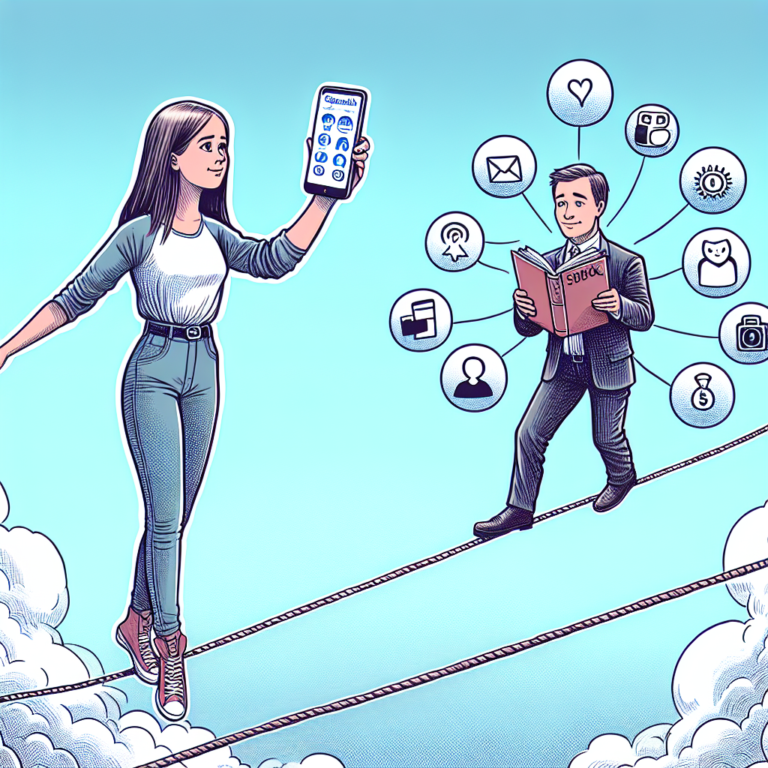
To mitigate the hidden mental health effects of social media, it is essential to encourage conscious usage. Strategies can include setting time limits, curating feeds to follow positivity, and taking regular breaks from screens.
Case Study: The School Initiative
One school implemented a “Digital Detox Day,” encouraging students to forgo social media for 24 hours. Feedback indicated reduced anxiety levels and enhanced well-being among participants.
Analysis
This initiative demonstrates the value of structured breaks from social media, showcasing how collective experiences can foster healthier habits.
Support Systems for Teens
The Importance of Open Communication
Parents and educators play a crucial role in addressing anxiety linked to social media usage. Open lines of communication can facilitate discussions about online experiences, guiding teens toward healthier habits.
Case Study: Family Conversations
A family that regularly discusses social media, including setbacks and successes, has created a safe space for their teen. This ongoing dialogue aids in reducing feelings of isolation and anxiety.
Analysis
Establishing supportive environments can empower teens to navigate the complexities of social media without compromising their mental health.
Conclusion
Navigating the digital landscape requires awareness and intention, particularly for teens facing unique pressures. Understanding the concept embodied in "Scrolling to Anxiety: The Hidden Mental Health Effects of Social Media on Teens" empowers both teens and their guardians to create healthier online habits. By facilitating open conversations, implementing structured breaks, and understanding the psychological mechanisms at play, we can mitigate the risks associated with social media and promote a more positive mental health landscape for our youth.
FAQs
1. How can I identify if social media is affecting my teen’s mental health?
Look for signs such as increased anxiety, withdrawal from family and friends, or a sudden change in social media habits. Open discussions can also help uncover feelings related to online experiences.
2. Are certain social media platforms more harmful than others?
Some studies suggest platforms that focus on visual content (e.g., Instagram) may exacerbate self-comparison issues more than others. However, any platform can negatively impact mental health if usage becomes compulsive.
3. What are some effective digital detox strategies?
Encourage scheduled breaks, limit screen time, and introduce alternative offline activities such as sports or hobbies. Family participation can enhance the effectiveness of these detox strategies.
4. How can I support a friend who is struggling with social media anxiety?
Be an active listener, encourage open discussions about their feelings, and suggest seeking professional help if necessary. Your support can uplift them significantly.
5. Are there positive aspects to social media use among teens?
Yes! Social media can foster connection, creativity, and a sense of community. It’s about finding balance and ensuring it enriches rather than diminishes mental well-being.
In the spirit of supporting our youth in their digital journeys, we have the opportunity to redefine how we approach social media and its impact on mental health. By acknowledging both the benefits and challenges, we can transform scrolling from a source of anxiety into a tool for connection and positivity.
About the Author