Introduction
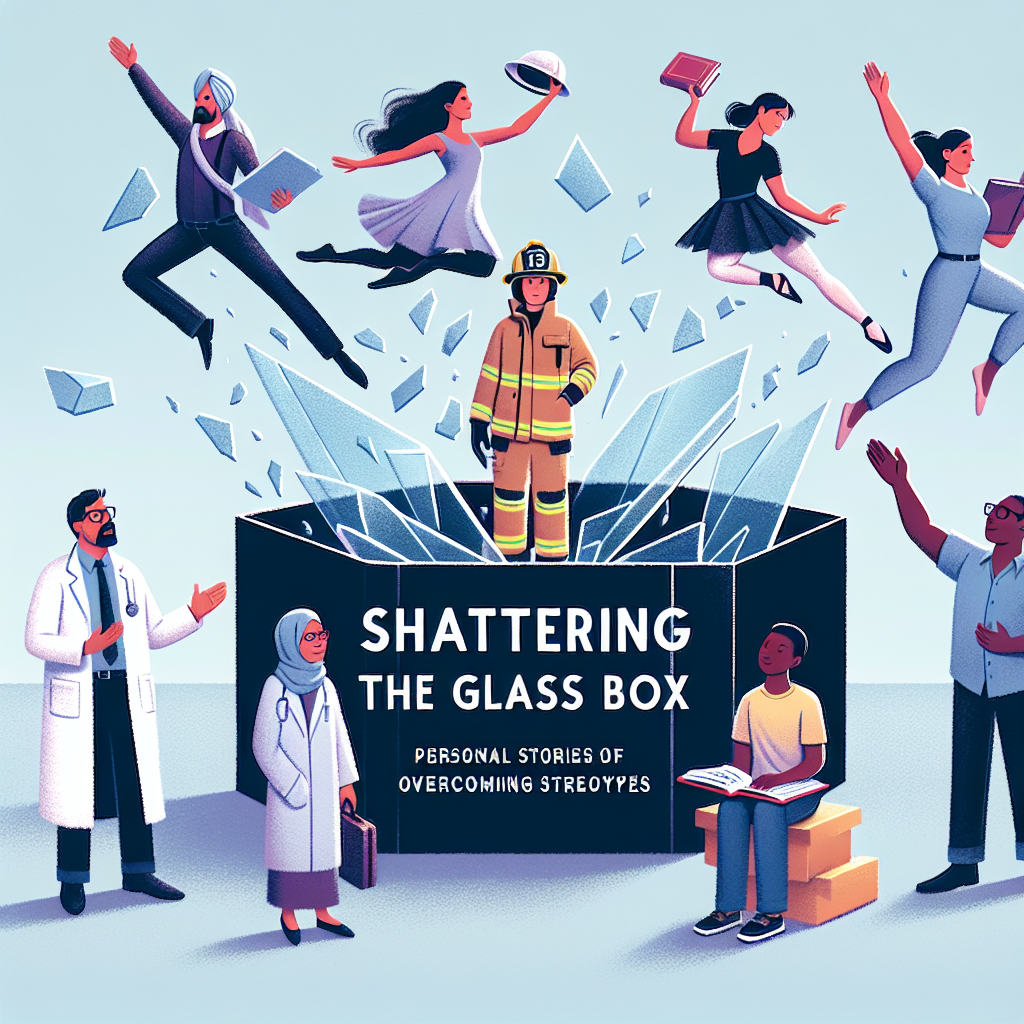
In a world increasingly characterized by diversity and complexity, stereotypes remain one of the most pervasive obstacles to genuine understanding and connection. They shape our perceptions, limit opportunities, and, at times, dictate the course of lives. Yet, as many personal stories illustrate, the quest to break free from these limitations is both universal and profound. "Shattering the Glass Box: Personal Stories of Overcoming Stereotypes" serves as a beacon of hope, showcasing how individuals have not only faced their stereotypes but triumphed over them, emerging stronger and more empowered.
The Significance of Shattering Stereotypes
Stereotypes can feel like an invisible cage—one that confines individuals to predetermined roles based on gender, ethnicity, age, or social status. Understanding their impact is the first step toward dismantling this glass box:
- The Weight of Labels: From "the quiet one" to "the troublemaker," labels are unjust and often misleading.
- Economic Impacts: Stereotypes can hinder career advancement, wage negotiation, and job opportunities.
- Social Division: They perpetuate misunderstandings and can lead to societal rifts.
These elements underline the urgency of addressing stereotypes and celebrating the journeys of those who have defied them.
Personal Stories: A Tapestry of Triumph
Let’s dive into some compelling personal stories that illustrate the journey of breaking free from stereotypes across different spheres.
Case Study 1: Maria’s Journey in Tech
Background: Maria, a Latina software engineer, faced skepticism in a predominantly male industry.
Story: Despite her qualifications, she was often overlooked for projects and leadership roles. However, through resilience and a proactive approach, Maria began to mentor other women in tech and launched an initiative to promote diversity in her workplace.
Analysis: Maria’s journey is a powerful reminder of how one person can inspire change. By breaking through the glass box, she not only advanced her career but also paved the way for others.
Case Study 2: John’s Defiance of Age Stereotypes
Background: At 50, John faced the stereotype that older workers were outdated and less efficient.
Story: Undeterred by these biases, John took up new skills, embracing digital marketing and social media. His adaptability led him to a managerial position where he now leads a team of diverse young professionals.
Analysis: John’s story challenges age-related stereotypes, proving that lifelong learning is key to remaining competitive in any field.
Case Study 3: Aisha’s Cultural Clash
Background: Aisha, a first-generation immigrant from Egypt, dealt with the stereotype of being "the foreigner."
Story: Faced with prejudice at school, she turned her experiences into a platform for advocacy, educating her peers about her culture and initiating dialogue around inclusion.
Analysis: Aisha’s journey emphasizes that overcoming stereotypes entails not just personal resilience but also fostering understanding in others.
Table: Breaking Stereotypes – Key Characteristics
| Characteristic | Definition |
|---|---|
| Resilience | The ability to recover from setbacks |
| Proactivity | Taking initiative to create change |
| Empathy | Understanding and engaging with others’ perspectives |
| Advocacy | Actively supporting the cause of inclusion |
| Lifelong Learning | Continuously seeking knowledge and skills |
The Psychological Impact of Stereotypes
Understanding the psychological weight of stereotypes sheds light on why overcoming them is essential:
- Self-Doubt: Constantly facing stereotypes can lead to a diminished sense of self-worth.
- Imposter Syndrome: Many individuals may feel the need to prove their worth constantly.
- Stress and Anxiety: The struggle against societal perceptions can lead to mental health challenges.
By witnessing personal stories of triumph, readers can find solace and strength in knowing they are not alone.
Actionable Strategies to Overcome Stereotypes
To shatter the glass box, individuals can employ several strategies:
- Embrace Your Identity: Celebrate your strengths and unique background.
- Seek Allies: Build a support network that champions diversity and inclusion.
- Educate Others: Share your experiences and challenge misconceptions.
- Pursue Continuous Growth: Stay open to learning new skills and perspectives.
- Advocate for Change: Engage in initiatives that promote diversity in different contexts, from the workplace to community centers.
These actionable insights can empower individuals to break through the limitations imposed by stereotypes.
Conclusion
"Shattering the Glass Box: Personal Stories of Overcoming Stereotypes" highlights the incredible resilience of individuals who confront their challenges head-on. Each story serves as motivation, reminding us that while stereotypes may confine us, they do not define us. The path to breaking free involves courage, dialogue, and continuous advocacy for oneself and others.
FAQs
Q1: How do stereotypes form?
Stereotypes often stem from cultural narratives, media portrayals, and personal biases that are passed down through generations.
Q2: Can stereotypes be entirely eliminated?
While it may be challenging to eliminate stereotypes, awareness, education, and empathy are powerful tools for reducing their impact.
Q3: What role does education play in overcoming stereotypes?
Education fosters understanding and critical thinking, allowing individuals to challenge existing beliefs and misconceptions.
Q4: How can organizations promote diversity and inclusion?
Organizations can implement training programs, promote diverse hiring practices, and create supportive environments that celebrate all identities.
Q5: How can I support someone facing stereotypes?
Listen actively, believe in their experiences, and advocate for their rights and opportunities both in personal and professional settings.
By embracing the journey of shattering the glass box, we can all contribute to a society that celebrates uniqueness and champions the overcoming of stereotypes. Let these personal stories serve not just as inspiration, but as a call to action—let’s work together to create a world where everyone can thrive beyond the confines of preconceived notions.
About the Author


Dr. Leah Howard, Positive Psychology
Dr. Howard is a researcher and advocate for positive psychology, focusing on human strengths, happiness, and well-being. Her writings explore how people can cultivate a positive mindset, improve resilience, and develop emotional intelligence to live fulfilling lives.