The Mind’s Role in Healing: Understanding the Placebo Effect – The Ultimate Guide to Mental Power in Health
Introduction
Imagine a world where the power of the mind could influence physical health, transforming lives without a single pill. Intriguing, isn’t it? Throughout the history of medicine, something enigmatic has challenged conventional wisdom: the placebo effect. The mind’s role in healing—particularly through the lens of the placebo effect—reveals profound insights into human psychology, health, and the very nature of healing. This article delves deep into The Mind’s Role in Healing: Understanding the Placebo Effect, offering unique insights, captivating case studies, and practical takeaways that can empower you in your journey toward holistic wellness.
What is the Placebo Effect?
The placebo effect is a phenomenon where a person experiences improvement in their condition after receiving a treatment that is inactive—like a sugar pill or saline injection. Despite its apparent simplicity, the implications of the placebo effect delve much deeper into the realms of psychology, physiology, and even spirituality.
The Science Behind Placebo
Research indicates that when a patient believes they are receiving treatment, their brain can activate pathways that lead to the release of neurotransmitters or hormones responsible for pain relief and healing. A study published in JAMA Internal Medicine found that placebo treatments resulted in significant improvements in various medical conditions, including anxiety, depression, and chronic pain.
Case Study: The Pain Relief of Placebo
One landmark study involving patients with chronic pain focused on the use of placebo treatments. Participants received either actual medication or a placebo disguised as medication. Remarkably, those who believed they were receiving treatment experienced not just improved reported pain levels but also biochemical changes—like increased endorphin levels, showcasing that The Mind’s Role in Healing: Understanding the Placebo Effect is not a mere psychological trick but a complex interplay of belief and biology.
The Mechanisms of the Placebo Effect
Understanding the mechanics of the placebo effect requires delving into the inner workings of the human brain. Below are two primary pathways through which the placebo effect often operates:
1. Expectation and Conditioning
Expectation
Expectation is a powerful aspect of the placebo effect. When patients expect relief, their brains can create that very relief. Neuroimaging studies show that anticipated pain relief activates the brain’s reward centers, essentially turning on natural pain relief.
Conditioning
Much like Pavlov’s dogs, the human brain can be conditioned to respond to certain cues. For example, if a patient repeatedly receives pain relief after taking a specific pill, their body learns to associate that pill with healing, even if the pill is later replaced with a placebo.
2. Neurobiological Changes
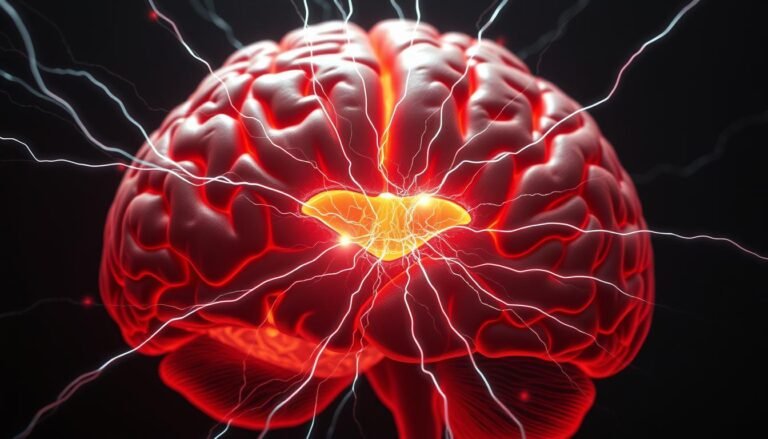
Research indicates that placebos can lead to actual neurobiological changes in the brain. These changes are evidenced in neuroimaging studies where the use of a placebo resulted in altered brain activity patterns akin to those seen with actual drugs.
| Mechanism | Description |
|---|---|
| Expectation | Anticipation of benefits activates brain pathways that mediate relief |
| Conditioning | Past experiences shape future responses through associations |
| Neurobiological Changes | Actual changes in brain activity and chemistry from belief and expectation |
Case Study: The Power of Belief
In a fascinating study on patients suffering from allergies, researchers administered a placebo with a full explanation of its effects coupled with encouragement. Participants reported substantial reductions in allergy symptoms, illustrating the remarkable power of belief. This reinforces The Mind’s Role in Healing: Understanding the Placebo Effect, emphasizing the psychology behind physical responses.
The Ethical Implications of Placebos
While the benefits of placebos are undeniable, ethical considerations arise, particularly surrounding the idea of deception in medical practice. Do health practitioners always need to disclose whether a treatment is a placebo? This question ignites considerable debate among healthcare professionals.
Transparency vs. Efficacy
Ethical dilemmas often revolve around the balance between patient autonomy (the right to know) and the potential for improved outcomes through the placebo effect. Some argue that transparency should prevail, while others suggest that certain situations warrant the use of placebos without disclosure if it leads to better patient outcomes.
Integrating Placebo Practices Ethically
Healthcare professionals can ethically leverage the placebo effect by integrating it into patient care without deceit. For instance, they can foster an environment of positivity and hope, enhancing patient expectations while remaining transparent about treatment modalities.
Applications in Modern Medicine
1. Surgery
Surprisingly, research indicates that placebos may even affect surgical outcomes. Studies conducted on patients undergoing knee surgery showcased similar results in groups that received actual surgery and those who underwent a placebo, such as sham surgery. These outcomes invite further exploration of The Mind’s Role in Healing: Understanding the Placebo Effect beyond traditional treatment avenues.
2. Chronic Pain Management
Chronic pain patients have demonstrated significant improvement from placebo treatments. Their belief in the effectiveness of a treatment often translates into physical relief and increased quality of life. Pain management clinics increasingly utilize these insights to guide treatment protocols, showcasing a shift in approaching chronic health challenges.
3. Mental Health
In the realm of mental health, the placebo effect plays an essential role. A study highlighted in The Lancet revealed that patients suffering from depression who believed they were receiving effective treatment reported greater improvements from placebo than those who were honestly informed they received a placebo.
Enhancing the Placebo Effect
Given its significance, enhancing the placebo effect presents exciting possibilities for patients and healthcare practitioners alike.
1. Patient-Provider Interaction
The strength of the patient-provider relationship can amplify the placebo effect. Building trust and rapport allows patients to feel more secure in their treatment, enhancing expectations and outcomes.
2. Setting and Atmosphere
The environment in which treatment takes place can significantly influence the placebo effect. Warm colors, soothing music, and a comfortable setting can help foster positive expectations, thereby enhancing therapeutic responses.
3. Education and Empowerment
Empowering patients through education about their health and healing mechanisms can invoke a stronger placebo response. When patients feel knowledgeable and engaged, they’re likelier to expect positive outcomes.
Case Study: The Doctor’s Role in Placebo
A compelling case study involved a group of patients diagnosed with irritable bowel syndrome (IBS). Patients treated by empathetic doctors reported better outcomes compared to those treated coldly. This reinforces the idea that The Mind’s Role in Healing: Understanding the Placebo Effect is intricately tied to the interpersonal dynamics of healthcare.
The Future of the Placebo Effect in Medicine
As our understanding of neuroscience and psychology evolves, so too does the relevance of the placebo effect. Here are some burgeoning areas of exploration:
1. Personalized Medicine
As medicine continues to lean toward personalization, the psychological factors that contribute to the placebo effect can be harnessed more deliberately. By catering treatments to individual beliefs and values, healthcare providers can leverage the placebo effect to create more meaningful health outcomes.
2. Integrative Health Practices
Integrating mindfulness, meditation, and relaxation techniques into healthcare practices can enhance a patient’s belief in their healing process. These holistic approaches align perfectly with the core concept of The Mind’s Role in Healing: Understanding the Placebo Effect.
3. Technology and Placebos
Innovative tech, like VR therapy, is being explored for its potential to bolster the placebo effect. By creating immersive, therapeutic environments, practitioners can enhance patient expectations and boost healing.
Conclusion
In conclusion, The Mind’s Role in Healing: Understanding the Placebo Effect is an awe-inspiring testament to the innate power we hold over our physical well-being. The interplay between belief and biology reveals that healing transcends mere pharmacological interventions. We have the capacity to harness our mind’s power, cultivate supportive environments, and foster empathy to navigate our health journeys.
As we move forward in medicine, let’s not forget the mind’s profound role in healing. Engage with your expectations, leverage your beliefs, and explore holistic approaches to health. Remember that your mind is not just a passive observer; it is an active participant in your journey toward wellness.
FAQs About The Mind’s Role in Healing: Understanding the Placebo Effect
1. What is the placebo effect?
The placebo effect occurs when a person experiences an improvement in their condition after receiving an inactive treatment, largely attributed to their expectations and beliefs.
2. Can placebos work for every condition?
While the placebo effect can significantly impact various conditions, it may not work equally for all. Chronic pain, anxiety, and depression are some areas where the placebo effect has shown notable efficacy.
3. Is it ethical to use placebos in treatment?
The ethics surrounding placebo use are nuanced. It’s essential to balance patient autonomy with potential outcomes, focusing on transparency where possible.
4. How can I leverage the placebo effect in my healing journey?
You can enhance your placebo response by cultivating positive beliefs about your treatment, improving your relationship with healthcare providers, and creating a comfortable healing environment.
5. Does the placebo effect have real physiological effects?
Yes, numerous studies confirm that the placebo effect can lead to actual physiological changes in the body, including increased neurotransmitter activity and altered brain patterns.
By exploring The Mind’s Role in Healing: Understanding the Placebo Effect, we gain insights that not only enhance our understanding of healing but empower us to take charge of our health in meaningful ways.
About the Author